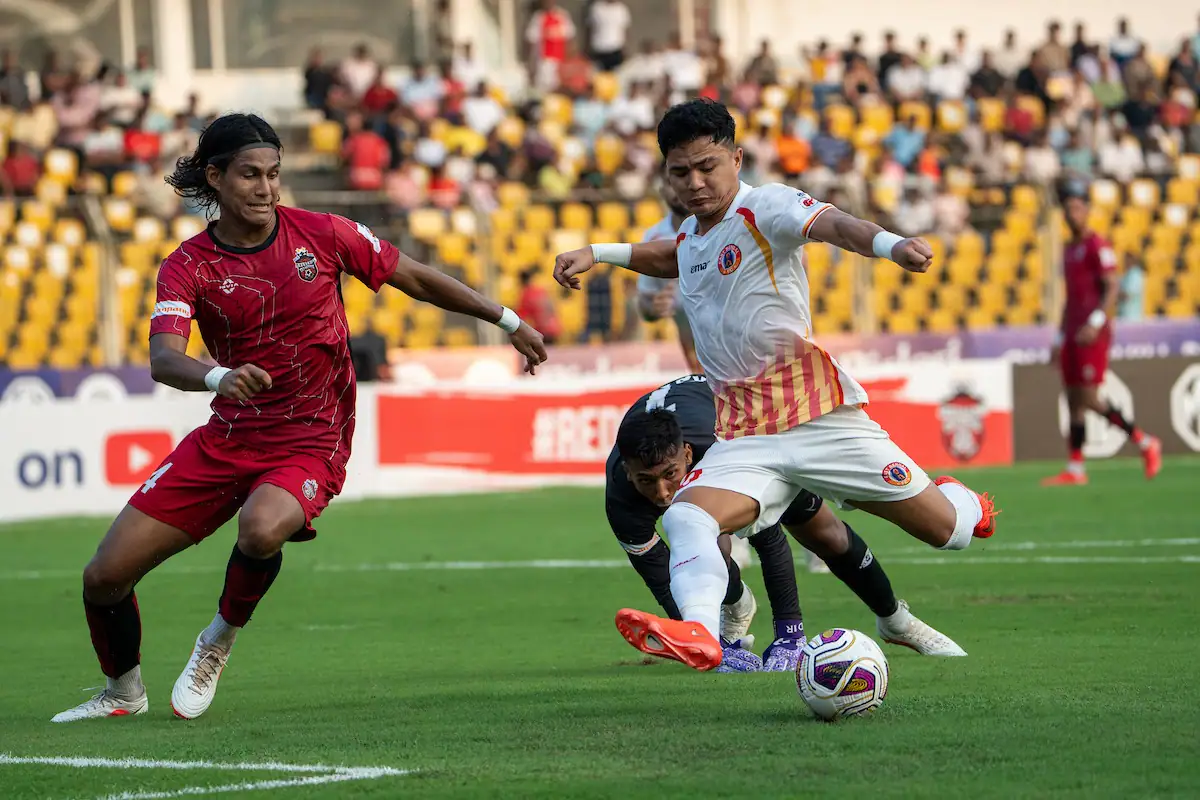
India Handed Tough Group In AFC U-20 Asian Cup 2027 Qualifiers As New Competition Format Raises Stakes

The road to the AFC U-20 Asian Cup China 2027 has officially begun, and India’s U-20 men’s football team faces a difficult challenge after being drawn in Group B alongside hosts Uzbekistan, Syria and Bangladesh.
The qualifiers, scheduled between August 25 and September 6, 2026, will feature 32 teams divided into eight groups of four teams each under a centralized league format. The group winners and the seven best second-placed teams across all groups will qualify for the final tournament in China.
However, qualification is not the only thing at stake this time.
The Asian Football Confederation (AFC) has introduced a major structural change to the U-20 competition system by introducing separate “Qualification” and “Development” phases. This new format adds both promotion and relegation pressure to the competition, significantly increasing the importance of every single match. Under the revised structure, the 32 strongest teams compete in the Qualification Phase, while another 12 nations play in the Development Phase. At the end of the qualifiers, the six lowest-ranked fourth-placed teams across all groups will be relegated to the Development Phase for the next edition.
That means finishing bottom of the group could carry long-term consequences for India’s youth football programme.
The AFC’s new system is designed to increase competitiveness while separating stronger developing football nations from lower-ranked sides. For India, this creates both opportunity and pressure.
On one hand, the Blue Colts still have a pathway to qualification even without winning the group outright. On the other hand, a poor campaign could see India pushed into the lower tier of Asian youth football for the next cycle. India’s group is unquestionably one of the tougher ones in the qualification phase.
Uzbekistan enter as overwhelming favourites, especially with home advantage. Over the last decade, Uzbekistan has built one of Asia’s strongest youth football ecosystems. Their junior teams regularly compete deep into AFC tournaments and FIFA youth competitions, while their domestic academy structure continues producing technically gifted and tactically mature players.
At youth level, Uzbekistan are currently among Asia’s elite.
Syria too remain a dangerous side despite the instability surrounding football in the country over recent years. Syrian teams traditionally possess strong physicality, technical ability and tactical discipline, making them difficult opponents for South Asian teams. That leaves India and Bangladesh likely battling directly for crucial points.
But even that fixture is no longer straightforward for Indian football.
Bangladesh’s investment in youth football has improved significantly over recent years, and their age-group teams have become far more competitive regionally. India can no longer approach South Asian opponents with automatic confidence, especially at youth level where development cycles often fluctuate rapidly. The biggest concern for India, however, revolves around preparation.
The Blue Colts have shown flashes of promise in recent years, but inconsistent planning, limited exposure tours and lack of high-level competitive matches continue affecting India’s youth football progress. Countries like Uzbekistan regularly prepare through international camps and strong domestic youth competitions, while Indian youth teams often enter continental tournaments with far less elite-level match experience.
That developmental gap usually becomes visible against stronger Asian opposition.
Head coach Naushad Gawli will now face one of the toughest assignments of his coaching tenure. There is already growing scepticism among fans regarding India’s chances in the group. Some supporters have openly questioned whether India could even finish fourth given the strength of Uzbekistan and Syria alongside an improving Bangladesh side.
Those concerns are understandable.
At present, India realistically enters the tournament as the third-ranked side in the group on paper. Uzbekistan appear favourites for top spot, while Syria’s consistency at youth level gives them a natural edge for second place. Still, youth football remains unpredictable.
India’s chances will depend heavily on preparation quality over the next few months. Proper exposure matches, longer training camps and tactical clarity could significantly improve competitiveness. The new AFC format also means goal difference and overall group performance become extremely important because the best second-placed teams qualify across all groups.
A disciplined campaign could therefore still keep India alive in the qualification race.
The challenge for Gawli will be balancing defensive organisation with enough attacking ambition to secure points. Against stronger teams like Uzbekistan and Syria, India may need to remain compact defensively and rely heavily on transitions, counter-attacks and set pieces. At the same time, the Bangladesh game could become decisive not only for qualification hopes but also for avoiding relegation concerns.
The broader significance of these qualifiers extends beyond results alone.
Indian football’s long-term future depends heavily on improving performances at youth level. The senior national team continues struggling internationally, making youth development the only sustainable pathway toward narrowing the gap with stronger Asian nations. That is why tournaments like the AFC U-20 qualifiers matter so much.
They reveal where Indian football truly stands within the Asian hierarchy.
And based on both the draw and the new AFC format, the Blue Colts are about to enter one of their most important youth qualification campaigns in recent years.
Comments (0)
to post comments, replies, and votes.
Loading comments…