A New Dawn for Indian Football: How a Club-Led Shift Salvaged the ISL from Administrative Limbo
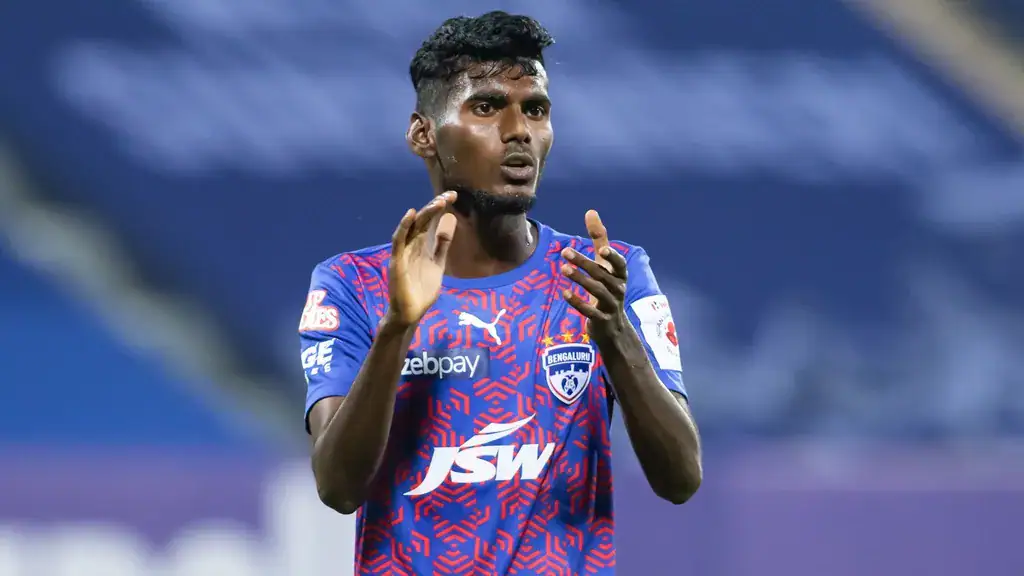
How a crucial, club-led compromise between the AIFF and ISL teams saved Indian football from structural collapse.
For months, Indian football was staring directly into an administrative abyss. Fans, players, and stakeholders watched with mounting anxiety as a toxic mixture of financial instability, structural deadlocks, and governance disputes threatened to derail the domestic game entirely. Rumors of a scrapped or indefinitely delayed season felt less like worst-case scenarios and more like an impending reality. However, following intensive intervention from the Union Sports Ministry, a crucial breakthrough has emerged.
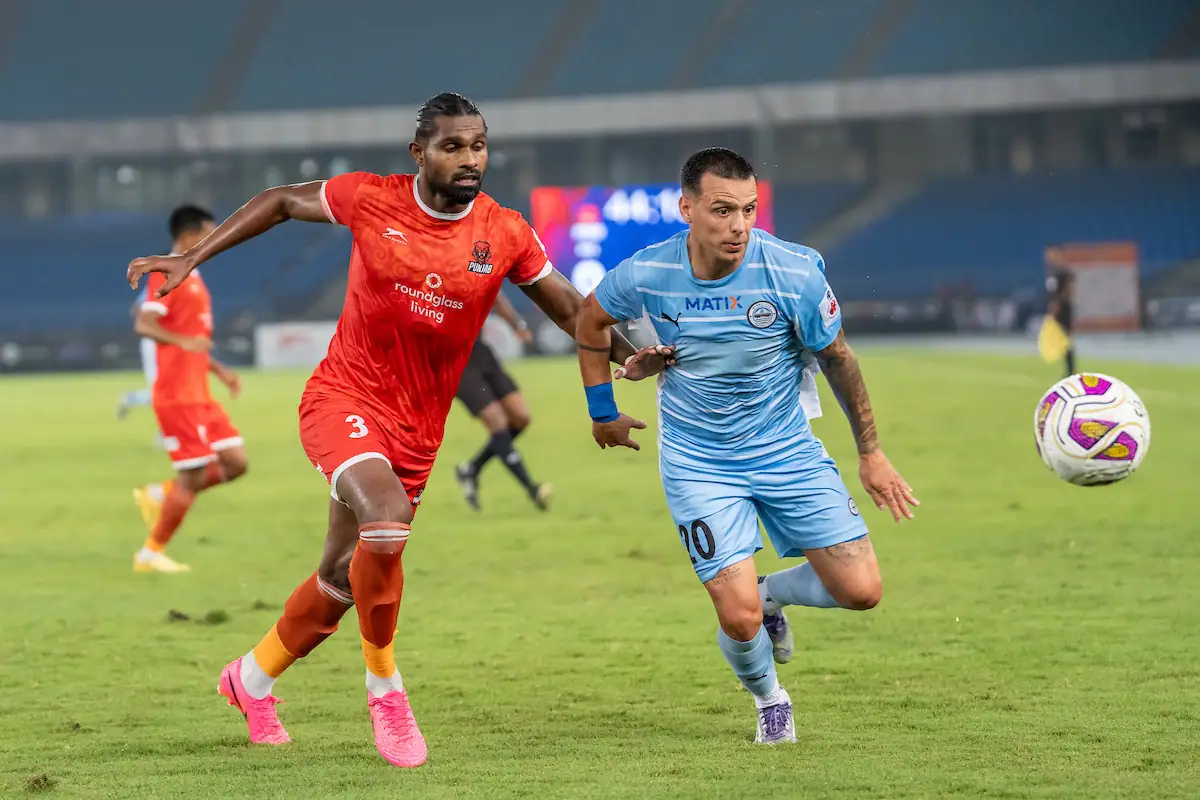
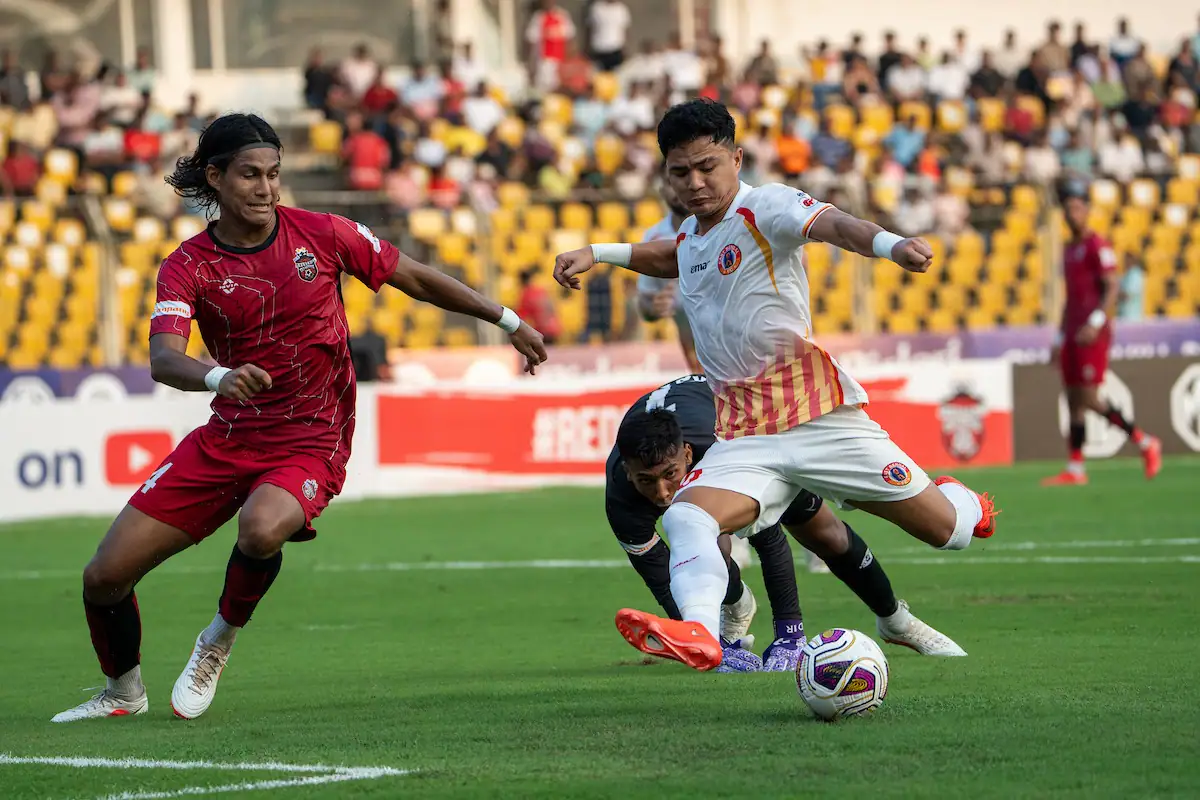
The All India Football Federation (AIFF) has agreed in principle to a two-year, club-led pilot model for the Indian Super League (ISL). This pragmatic compromise effectively clears the decks for the 24-game, 14-team 2026-27 season to kick off on September 4, 2026. By separating commercial control from sporting governance, Indian football hasn’t just bought itself time; it has fundamentally rewritten the operational blueprint of its top-tier league.
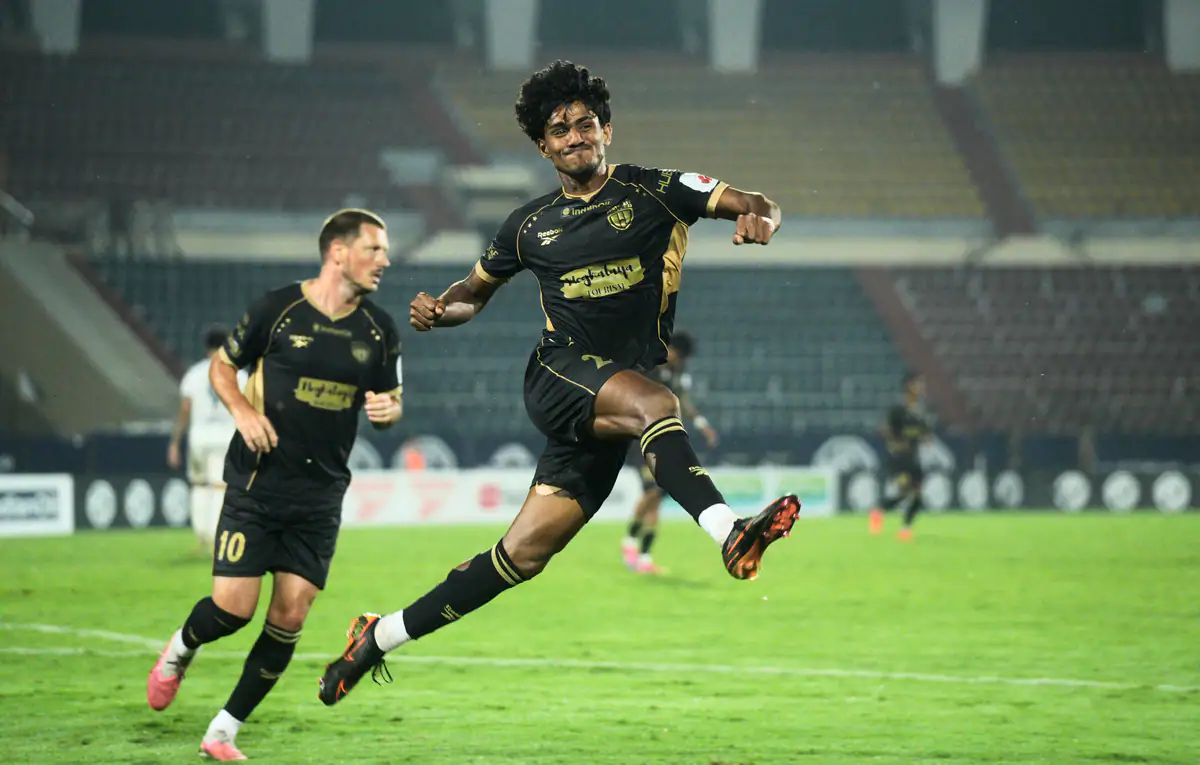
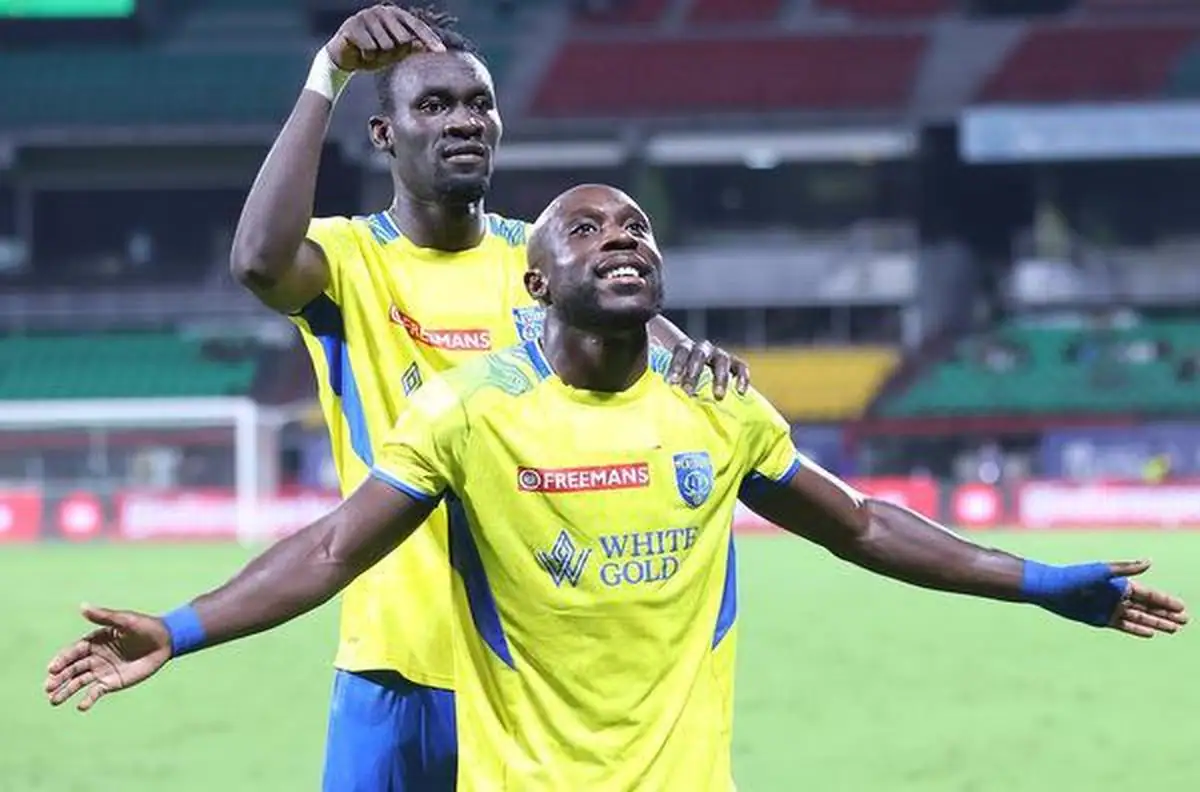
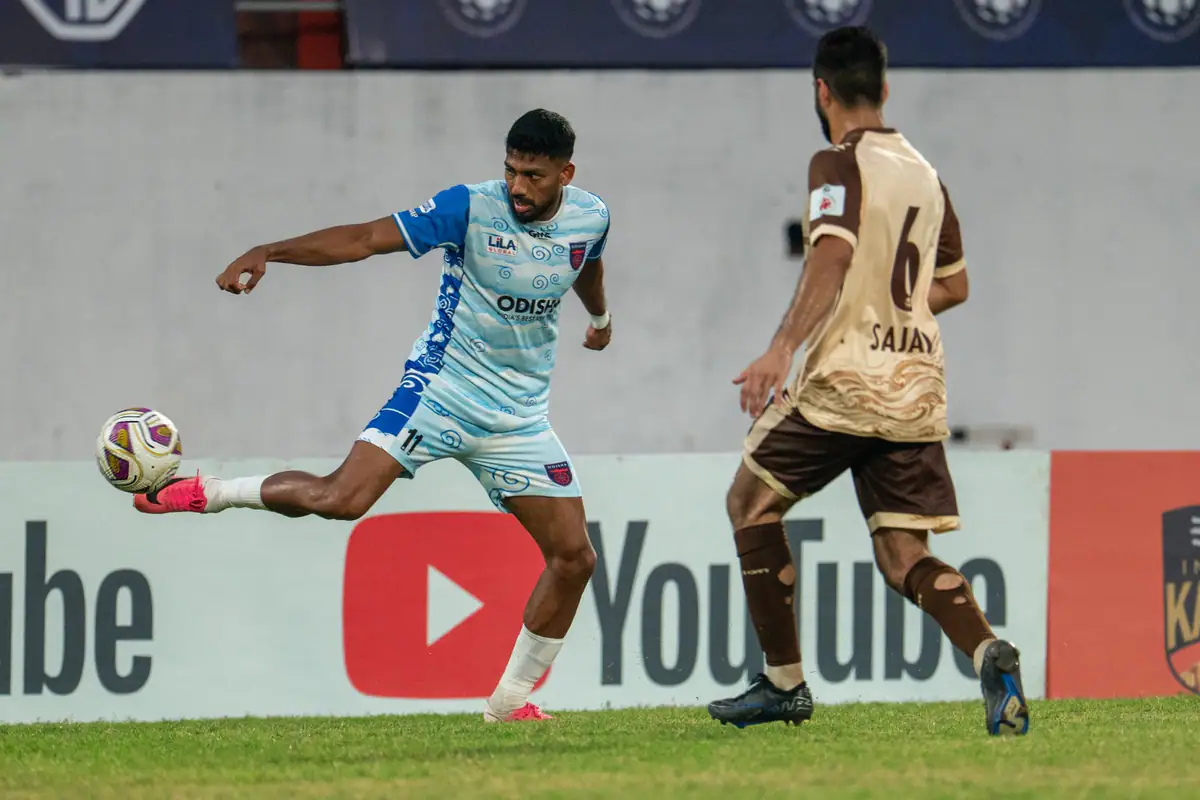
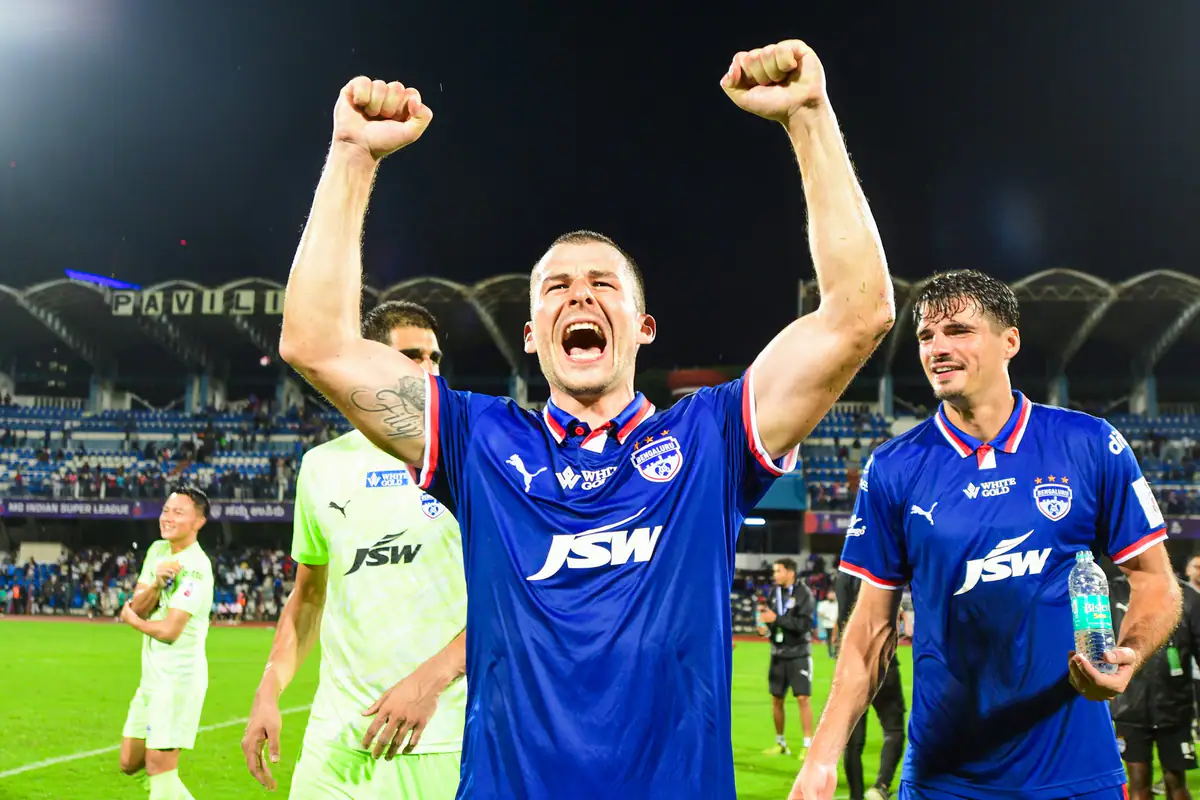
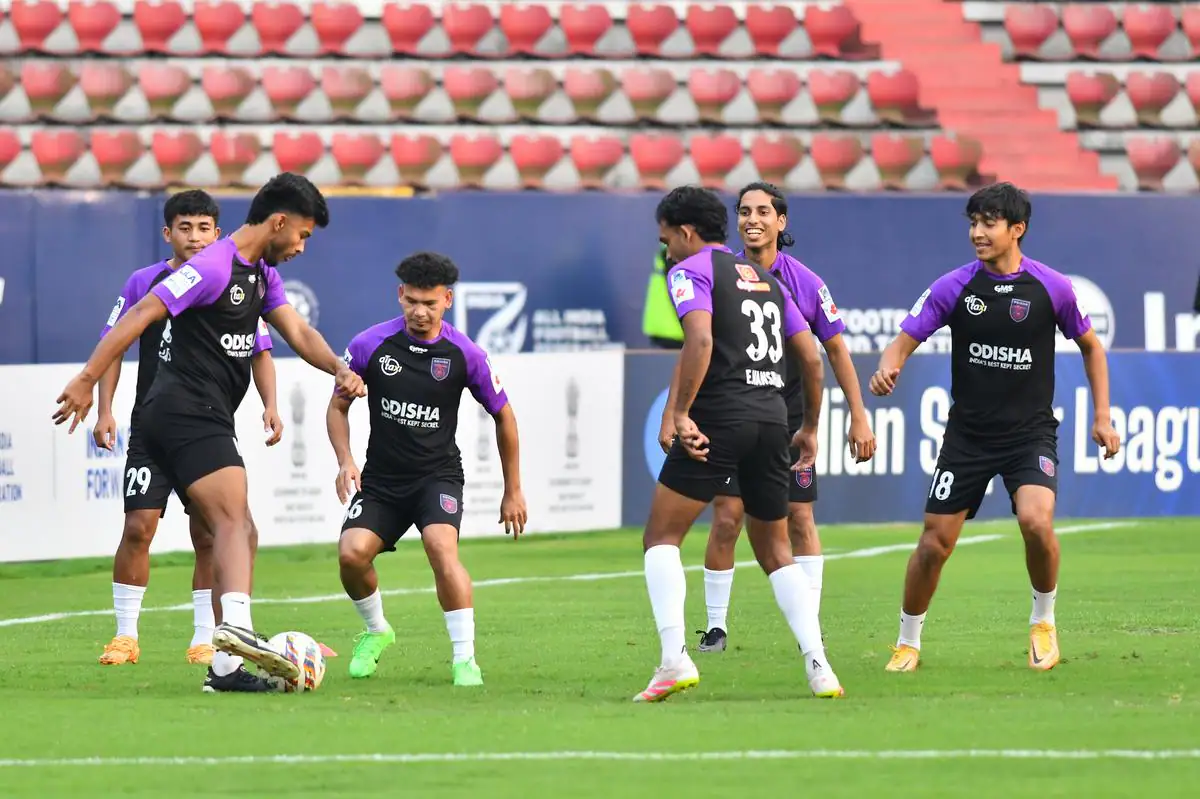
To understand how monumental this shift is, one must look at the financial exhaustion that precipitated the crisis. For over a decade, ISL franchises operated under a top-down commercial framework where club-level profitability was an afterthought. The exit of previous marketing partners left teams exposed to spiraling operational expenses, skyrocketing player wages, and heavily diminished returns. While deep-pocketed institutional giants like Mohun Bagan Super Giant, Bengaluru FC, or Jamshedpur FC could absorb these shocks, standalone regional franchises like Kerala Blasters, Chennaiyin FC, or Odisha FC faced unsustainable structural losses.
The situation turned chaotic earlier this year when a staggering ₹2,129 crore commercial bid from global sports data giant Genius Sports complicated the ecosystem. While the multi-year proposal promised a massive financial influx, the underlying revenue-sharing dynamics threatened to squeeze the immediate cash flows of clubs already teetering on the financial brink. With salaries becoming unaffordable and no unified vision for broadcast rights, a hard stalemate locked the federation and the franchises in a room with no apparent windows.
Recognizing that a collapse of the ISL would paralyze the national ecosystem and leave hundreds of professional footballers stranded without a livelihood, Sports Minister Mansukh Mandaviya stepped in. A newly formed task force was ordered to establish a "structured plan" for the immediate future. The solution that emerged was both elegant and defensive: let the clubs run the business so they can save themselves.
The new framework operates as a 24-month experimental project covering the 2026-27 and 2027-28 seasons. Its primary objective is simple: return financial agency to the entities taking the actual financial risks of the clubs. Under this arrangement, the 14 participating clubs take the wheel on the commercial side.
They will directly manage, market, and profit from sponsorships and brand partnerships, allowing them to optimise local revenue streams and stabilise their balance sheets. In return for this operational autonomy, the franchises will collectively pay the AIFF a fixed annual fee of ₹15 crore. This sum is explicitly earmarked to cover the federation's regulatory and administrative expenses, giving the governing body a predictable, guaranteed income stream while insulating it from commercial market volatility.
A common misconception when leagues pivot toward club-led models is that the national federation has abdicated its power to corporate interests. In this instance, the reality is precisely the opposite. The AIFF has meticulously maintained its position as the ultimate custodian of the sport.
While the franchises control the cash registers, the federation retains absolute ownership and operating rights of the competition. The clubs made an unequivocal commitment that the AIFF's regulatory authority will remain completely untouched. This deliberate separation of powers ensures that commercial experimentations never dilute international sporting standards.
Core Areas Retained Exclusively by the AIFF:
Match Officials: The recruitment, development, appointment, and structural management of all referees remain under strict federation control.
Legal & Disciplinary Systems: Total oversight regarding code of conduct violations, integrity monitoring, and independent judiciary panels.
Doping & Safeguarding: Anti-doping operations and compliance protocols aligned with global standards.
Player Ecosystems: The management of central player registration databases and compliance with the FIFA Transfer Matching System (TMS).
Continental Alignment: Ensuring the league's format and structural rules perfectly mirror FIFA and Asian Football Confederation (AFC) regulations.
With the structural framework locked in, the immediate battleground shifts to television and digital screens. The temporary agreement mandates a fresh, competitive tendering process for the league's broadcast rights. For the clubs to successfully offset their historical losses, securing a robust, high-visibility broadcast partner is non-negotiable.
Furthermore, the trilateral discussions scheduled between the AIFF, the ISL clubs, and Genius Sports will dictate how data monetisation and global sports tracking feeds integrate into this new ecosystem. If handled correctly, this cross-industry collaboration could unlock entirely new revenue streams for Indian football, transforming performance data and interactive engagement into hard capital for struggling clubs.
From an analytical standpoint, this agreement represents a rare victory for common sense in Indian sports administration. Historically, gridlocks within national sports federations have draggingly played out in courts, resulting in long-drawn bans from global bodies and the stagnation of entire athlete generations.
By utilizing a two-year pilot model, all parties have chosen pragmatism over ego:
The Clubs get survival space: They gain direct control over their financial destiny, allowing them to renegotiate local sponsorships and tailor marketing to their specific demographic realities without excessive bureaucratic interference.
The AIFF gets financial insulation: Rather than navigating volatile media markets or fighting over complex profit-sharing margins, the federation receives a clean ₹15 crore check to fund its developmental and regulatory obligations.
The Fans get certainty: Instead of empty stadiums and cancelled fixtures, a full seven-month, home-and-away season is locked in for September.
Make no mistake: this is an interim truce, not a permanent cure. The next two years will serve as an intense, high-stakes trial. At the end of the 2027-28 season, this entire commercial structure will undergo a comprehensive review. If the clubs succeed in trimming their deficits and building a self-sustaining media product, this temporary arrangement could very well evolve into a permanent 10- or 15-year commercial charter, effectively mirroring the successful club-led structures seen in Europe's elite leagues.
For now, the dark clouds hovering over Indian football have broken. The focus finally returns to where it belongs: the green grass, the tactical boards, and the roaring fans across the country. The crisis has forced Indian football to grow up; time will tell if it can now learn to run.
Comments (0)
to post comments, replies, and votes.
Loading comments…