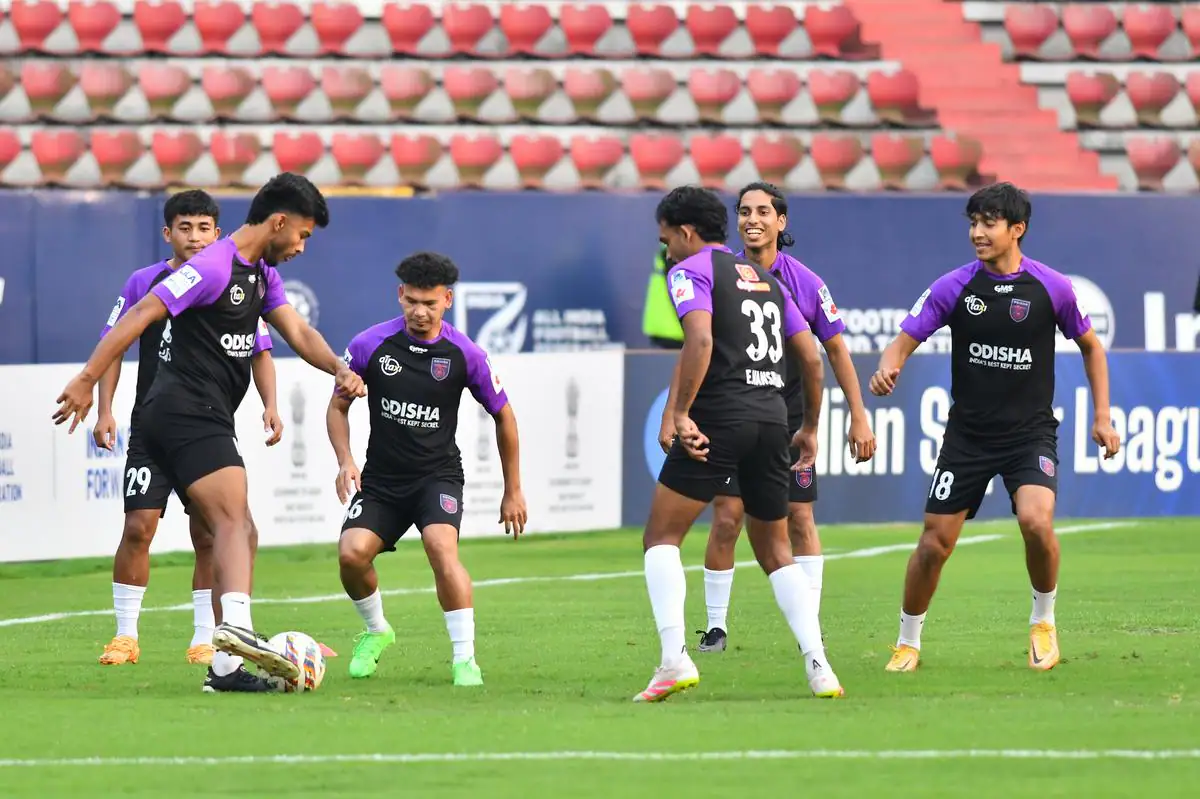
Late kick-offs drag FIFA World Cup 2026 TV ad volumes down 14% in India
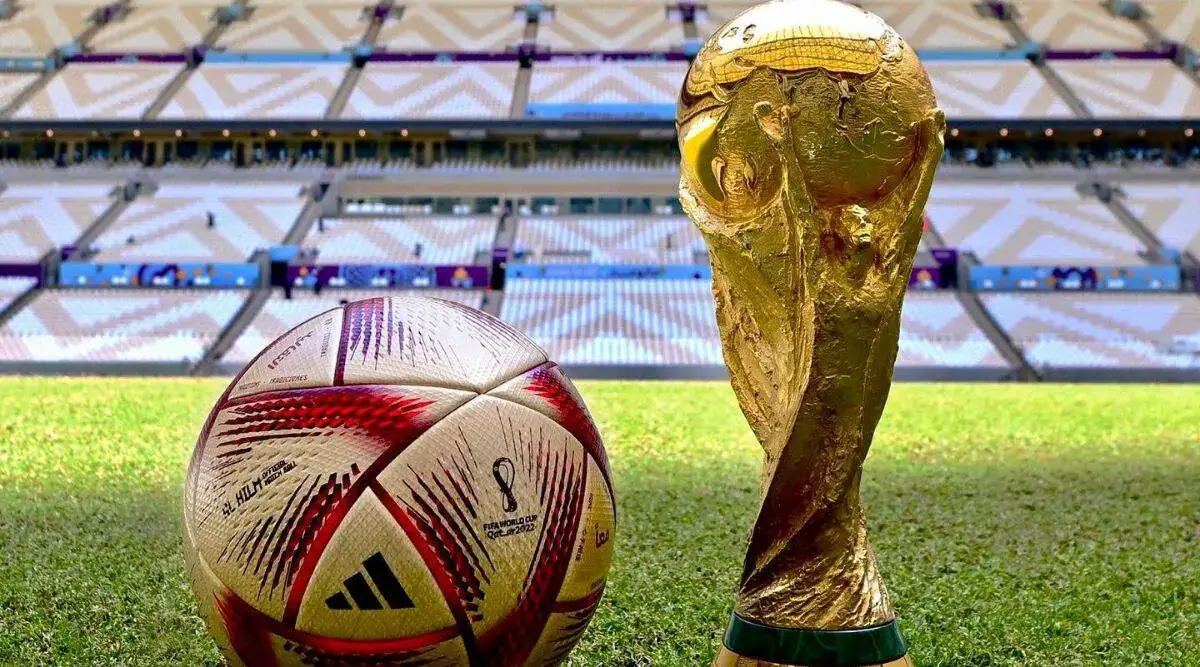
Late kick-offs at the FIFA World Cup 2026 and a shift to digital streaming disrupt Indian TV ad volumes, creating a new playbook for sports media.
Late kick-offs at the FIFA World Cup 2026 and a shift to digital streaming disrupt Indian TV ad volumes, creating a new playbook for sports media.
The thrill of a World Cup usually sets off an advertising frenzy in a sports-obsessed nation like India. However, the FIFA World Cup 2026 has presented a completely different narrative for traditional broadcasters. While the action on the pitch across North America has been nothing short of spectacular, the reality back home in India has been much quieter.
According to the latest data from TAM Sports, which reviewed the first 62 live matches of the tournament, average commercial advertising volumes per match on traditional linear television dropped by a notable 14% compared to the 2022 edition in Qatar.
This slowdown has shifted the dynamics of sports marketing in the country. The drop can be attributed to an unyielding mix of brutal time-zone differences, changing media consumption habits, and new broadcasting models. Together, these elements have altered how Indian brands approach one of the biggest sporting events on the planet.
The Tyranny of the Time Zone When Qatar hosted the World Cup in 2022, Indian fans enjoyed prime-time viewing. Fixtures lined up beautifully with evening relaxation hours, with a mere two-and-a-half-hour time difference making it easy for families and casual viewers to tune in.
The 2026 tournament, spread across the United States, Canada, and Mexico, completely flipped this dynamic. Indian audiences face an average time gap of ten hours and thirty minutes. Because of this geographical reality, many marquee matches have kicked off late at night or during the early morning hours in India. For regular television viewers, waking up at 3:00 AM to watch a group-stage match is a tough ask. This drop in live viewership directly influenced media buyers, who hesitate to pay premium rates for commercial slots when target audiences are asleep. TAM Sports tracked this shift closely, showing that the average ad volume index per channel per match on linear TV contracted to 86, using the 2022 tournament as a baseline of 100. When live audiences shrink due to the clock, traditional TV commercial breaks inevitably lose their pull.
Traditional TV Faces Extreme Concentration
As advertising volumes decreased on traditional television, the remaining ad space became highly concentrated among a very select group of sectors. Linear television failed to draw a wide variety of industries this year. The data reveals that the top five advertising categories combined to command a massive 93% of the total commercial volume on traditional channels.
This space was largely driven by two dominant industries: liquor and automotive brands. Liquor companies led the pack, making up 40% of the entire advertising volume on linear TV, followed closely by car manufacturers at 36%. Retail jewellery brands took a distant third place with a 7% share, while toothpastes and deodorants filled out the remaining top spots.
This lack of variety was also evident at the company level. The top five corporate advertisers accounted for 87% of all linear TV ad volumes, with United Spirits leading the charge at 40% and Mahindra & Mahindra following at 31%. Specific brands like Black Dog Soda and the Mahindra Thar Roxx dominated commercial breaks, leaving traditional television feeling less like a diverse marketplace and more like an exclusive club for a handful of deep-pocketed corporate players. Remarkably, linear TV did not land a single exclusive advertising category or brand that wasn’t also advertising elsewhere.
The Digital Escape to Connected TV
While traditional linear television dealt with shrinking volumes, Connected TV (CTV) emerged as a bright spot, telling a completely different story. The urban, affluent, and younger demographics that form the core of football’s fanbase in India have been migrating away from traditional cable and satellite setups. For these viewers, smart TVs and streaming devices provide the flexibility needed to navigate unfavourable match schedules.
This shift allowed CTV to offer a much more diverse advertising environment. While traditional TV struggled to attract more than five major advertising categories, CTV successfully brought in over ten. It also secured a broader mix of over 15 distinct corporate advertisers and more than 18 individual brands. The distribution of ads on digital screens was far more balanced. On CTV, the top five advertisers made up just 55% of the total ad volume, a stark contrast to the 87% concentration seen on linear television.
Car companies took the top spot here with a 25% share, but soft drink brands, online education platforms, health supplements, and luggage companies also carved out clear spaces. Brands like Adidas and companies like Pernod Ricard India chose to skip traditional TV commercial breaks entirely, choosing instead to focus their efforts exclusively on digital feeds to reach modern viewers.
Beyond the challenge of late-night kick-offs, changes in how the tournament was distributed also impacted overall viewer numbers. In 2022, the Qatar World Cup was broadcast free on digital screens via JioCinema, which removed entry barriers and created massive digital viewership. For the 2026 edition, official broadcaster Zee Entertainment placed the digital live stream behind a subscription paywall on ZEE5.
While Zee reported reaching over 100 million viewers across all platforms during the opening weekend, media analysts point out that a paywall naturally limits mass streaming numbers, especially when combined with inconvenient midnight match timings. This double hurdle, paying for access to watch matches broadcast at odd hours, made brands cautious.
Consequently, the overall marketing buzz around the tournament in India remained visibly quiet. Industry estimates suggest that overall marketing expenditures, including both large-scale media campaigns and local on-ground promotions, saw a steep drop of 50% to 60% compared to previous cycles. Brands opted to conserve their marketing budgets for prime-time events later in the year rather than spending heavily on a tournament competing against the Indian clock.
The advertising trends observed during this World Cup point to a deeper structural shift within the Indian media landscape. Traditional television still offers unmatched scale for broad, mass-market events like premier cricket tournaments, but its limitations become apparent when dealing with international sports that have specialised viewer bases. Football fans in India are primarily concentrated in urban centres and fall heavily into the 18-to-35 age bracket, a group that rarely schedules its life around linear TV programming guides.
Connected TV proved it could handle these hurdles by offering targeted ad placements and capturing viewers who watch on their own terms. Even though total advertising volumes felt the pinch of the time zone, the contrast between shrinking linear TV spots and a diversifying digital ad space shows where the market is heading. For global sporting events hosted in distant time zones going forward, the traditional television playbook is being rewritten in favor of flexible, digital-first strategies.
Comments (0)
to post comments, replies, and votes.
Loading comments…