What India Gained from the Unity Cup 2026
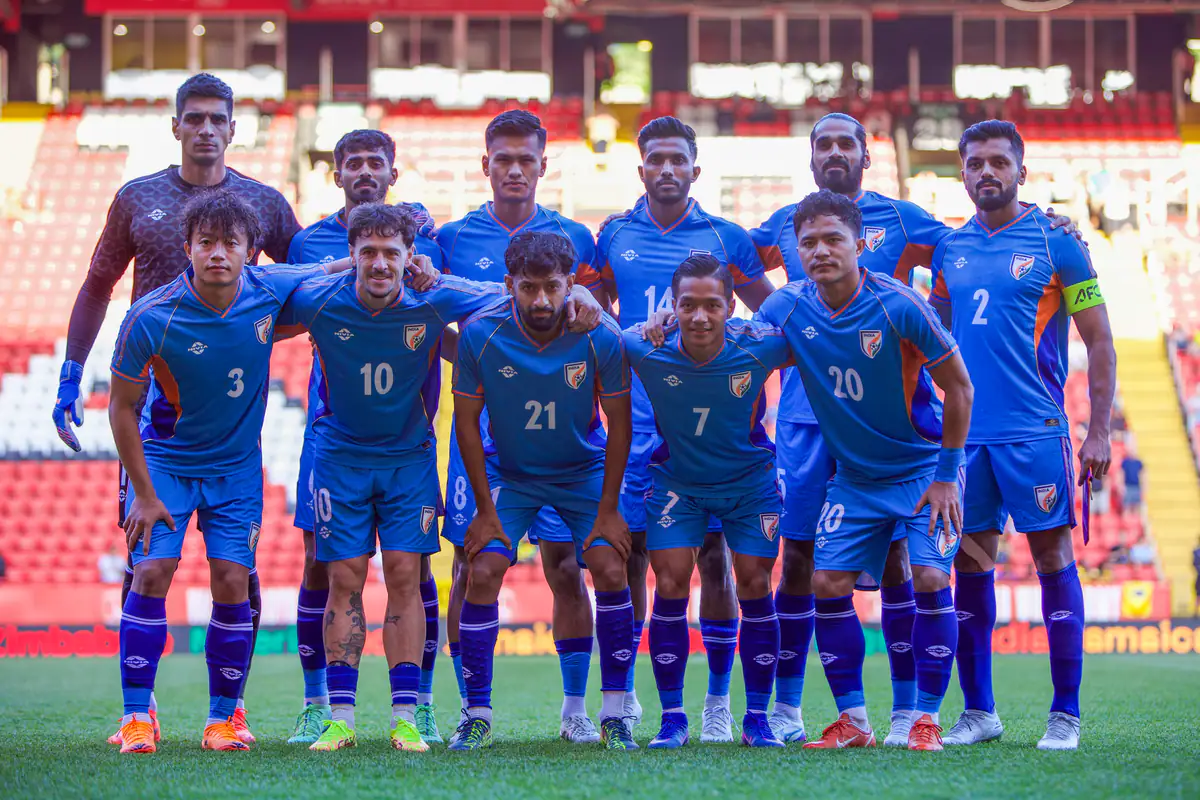
The Unity Cup is an international football tournament celebrating Afrocentric and global diaspora communities.
The competition started in 2002 with only two teams, Nigeria and Jamaica. The 2026 edition was the fourth edition of the tournament. In the 2025 edition, Nigeria were crowned champions at Brentford.
The 2026 edition took place from 26 to 30 May 2026 in The Valley, London. The participating teams were Nigeria, Jamaica, Zimbabwe, and India. Nigeria and Jamaica have played in all four editions, with Nigeria winning the title on each occasion. The Unity Cup was also hosted at The Valley in 2004, with three participating teams: Nigeria, Jamaica and the Republic of Ireland.
The results did not go India's way, but this competition gave India a rare opportunity to face these opponents. All three opponents were ranked above India in the FIFA rankings. India (136th in FIFA rankings at that time) faced Jamaica (ranked 71st) in the second semi-final on May 28 (IST), while Nigeria (ranked 26th) played Zimbabwe (ranked 130th) in the first semi-final.
This was the Blue Tigers' first match in the United Kingdom since 2002. In 2002, India faced Jamaica in two international friendly matches. The first match ended in a 3-0 victory for Jamaica, and in the second match India improved their performance and held Jamaica to a goalless draw.
Semi-final clash against Jamaica
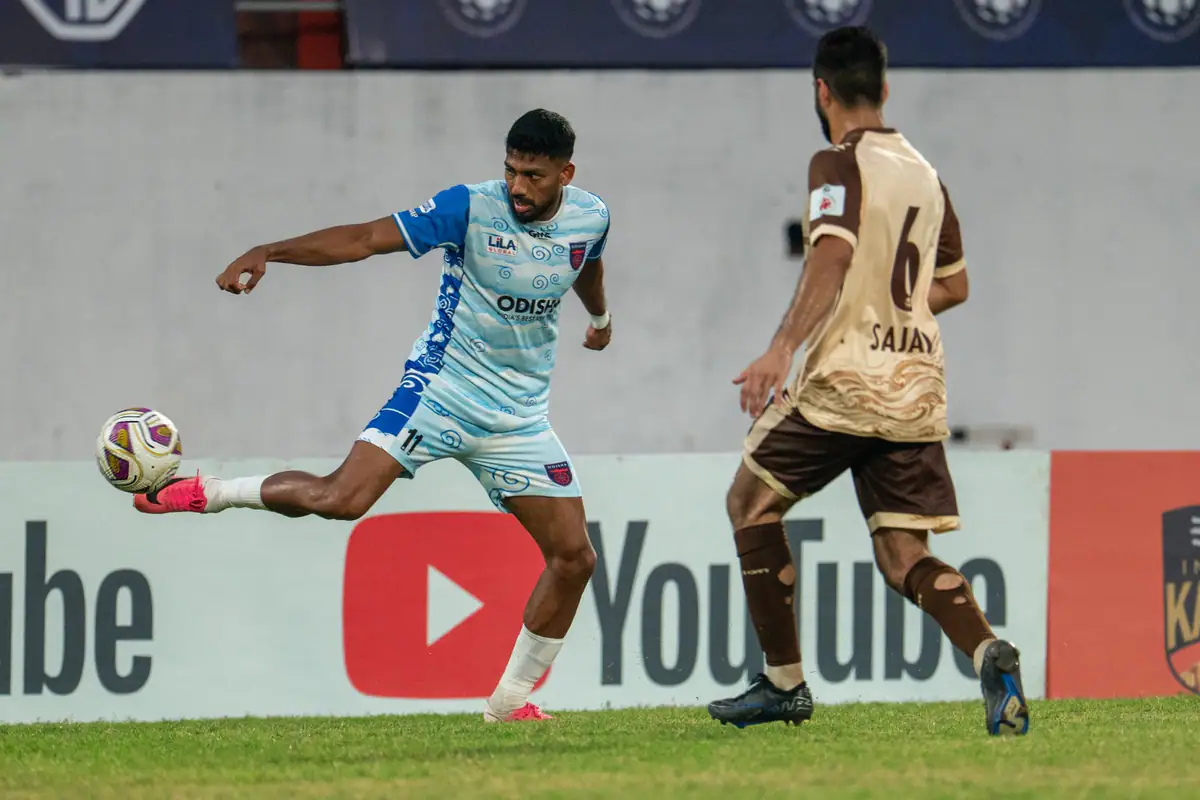
The semi-final against Jamaica gave the Blue Tigers a valuable opportunity to test themselves against higher-ranked opposition. Such exposure is invaluable for the players as they prepare for the challenges ahead. Goals from Courtney Clarke in the eighth minute and Kaheim Dixon in the 78th minute secured a 2-0 victory for the Reggae Boyz, sending them through to the final. Despite the defeat, the match marked important milestones for several Indian players. Noufal PN and Ricky Shabong made their senior international debuts, while Edmund Lalrindika earned his first-ever start for the Blue Tigers.
The third-place playoff match against Zimbabwe
The third-place playoff against Zimbabwe presented India with the chance to face a side closer to them in the FIFA rankings, with the Warriors sitting just six places above the Blue Tigers. It also offered a realistic opportunity to finish the tournament with a victory. Head coach Khalid Jamil made four changes to his starting line-up, handing starts to Vikram Partap Singh, Rahim Ali, Macarton Nickson and Ricky Shabong. This was Ricky Shabong’s first start, coming days after making his senior debut as a substitute against Jamaica. A first-half penalty converted by Prince Dube proved to be the difference as Zimbabwe secured a narrow 1-0 victory to claim third place.
India, meanwhile, finished the tournament without finding the back of the net in either of their matches.
While the results did not go India’s way, the Unity Cup 2026 provided the Blue Tigers with valuable exposure, opportunities for new players, and experience which could benefit the national team in the long run.
Exposure to Higher-Ranked opposition
This tournament provided India with the opportunity to face higher-ranked teams from different continents. Jamaica plays in North America, while Zimbabwe and Nigeria are from Africa. India rarely gets the chance to face non-Asian countries, and this tournament allowed the Blue Tigers to experience different playing styles. The lessons learned from these matches will benefit India in the upcoming matches. These games helped identify the areas where India needs to improve.
FIFA announced that the Unity Cup will be treated as a Tier-1 competition. This enabled the tournament’s results to directly affect the official FIFA rankings. This gave India an opportunity to climb up in the world rankings table by earning valuable ranking points.
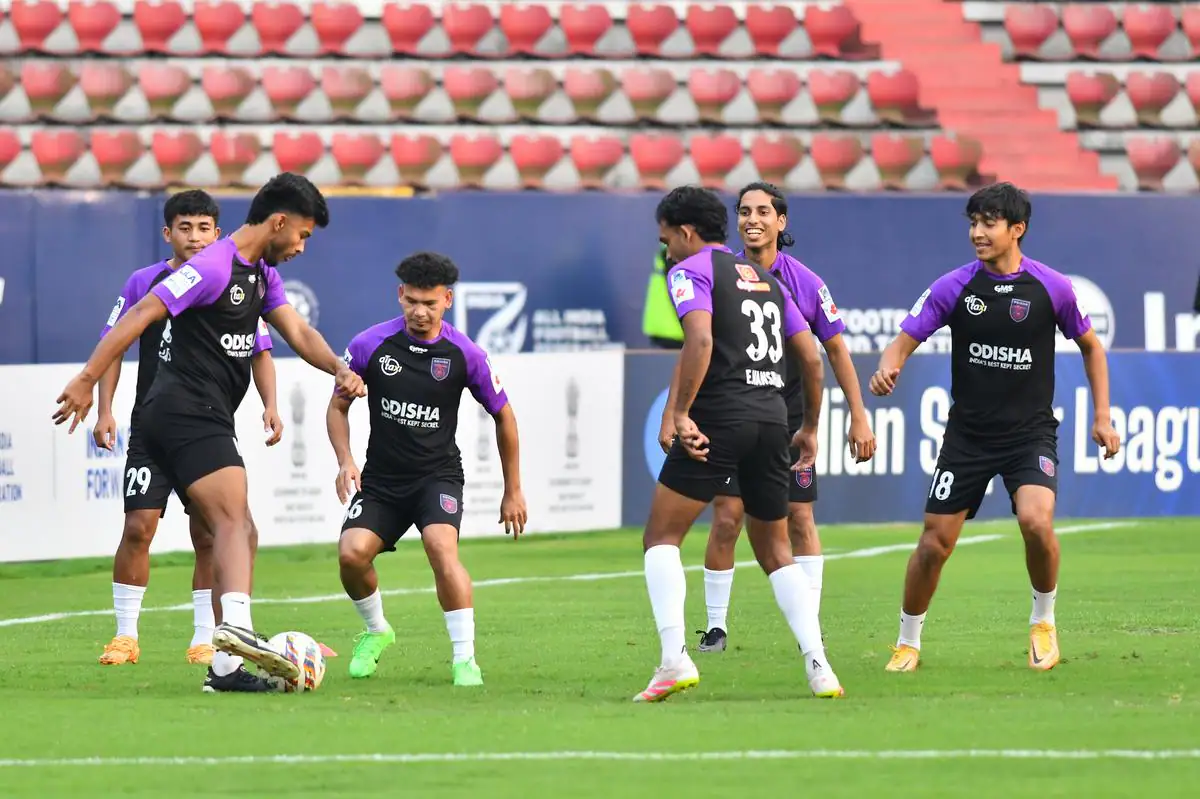
The players got the opportunity to play in an international tournament. This also helped the players adapt to playing under pressure. Young players gained valuable experience which will surely help them in future international matches. Noufal PN and Ricky Shabong made their senior international debuts in this tournament.
India got the opportunity to play in the UK for the first time since 2002. India had also faced Jamaica during that tour. The tournament gave India the opportunity to play in different climatic and pitch conditions. The tournament increased the team’s visibility among the Indian diaspora and overseas football fans.
This tournament provided the head coach with the opportunity to test tactics, formations, and different player combinations. He had the chance to evaluate his squad in competitive matches. The coach also had the chance to hand senior international debuts to new players. The tournament highlighted the areas that require improvement. The matches also highlighted India’s goalscoring problem. The Blue Tigers failed to score in either match. India struggled to create clear-cut scoring opportunities, highlighting the need for efficiency in the final third.
The results showed where Indian football stands. The tournament once again highlighted that changes are needed to improve the national team’s performance. Such tournaments show the work that needs to be done to compete internationally. India may not have won a match in the tournament, but it was an important learning experience for the players and the coach. The shortcomings identified during the tournament must now be addressed. The lessons and exposure can contribute to future growth if the team acts on what it learned.
Comments (0)
to post comments, replies, and votes.
Loading comments…