Why Indian Football Team Should Have Been Sent To Asian Games?
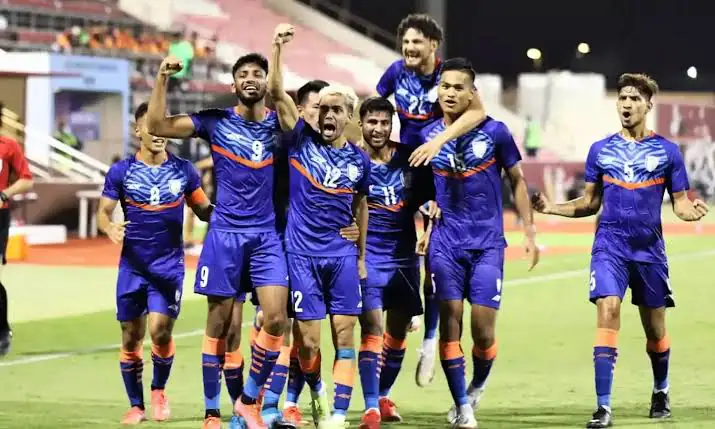
The Indian men’s football team should have been sent to the Asian Games. The decision to keep the team out because it did not meet a strict medal-based selection rule may look neat on paper, but it ignores how football really grows in a country that is still trying to catch up with Asia’s best.
For a young side, the Asian Games are not just another event. It is a rare opportunity to learn, compete, and take one step closer to the level India aims to reach. Football is not built in one season. It takes years of testing, setbacks, and hard matches before a team becomes truly strong. That is why leaving India out of the Asian Games felt like a step backward rather than a sensible sporting call.
One of the biggest reasons India should have played is the value of continental exposure. The Asian Games football event is largely an under-23 competition, which makes it a perfect stage for young players who are still shaping their game. These players need more than training camps and local tournaments. They need sharp, competitive matches against teams that are faster, smarter, and more disciplined. That kind of experience is hard to replace. When a young Indian player faces top Asian opposition, he learns how to handle pressure, make quicker decisions, and stay calm in tight moments. These are lessons that no practice session can fully teach. Without regular exposure at this level, the gap between India and the stronger teams in Asia will only remain wide.
The argument that only medal prospects deserve a place in the Asian Games sounds practical, but football does not work that way. A developing football nation cannot demand medals first and then expect improvement later. It has to go through the rough middle stage, where results are mixed but progress is real.
That is where experience matters more than ranking alone. If a team is denied major events because it is not yet strong enough, how is it supposed to grow stronger? This is the basic flaw in the current approach. Football teams are not made overnight. They need tournament football, shared pressure, and repeated testing against better sides. Without that, even talented players struggle to become a proper unit.
Momentum should not have been broken
India had shown signs of progress at the previous Asian Games, where the team got a late exemption and reached the Round of 16. That may not sound like a giant achievement, but for Indian football, it mattered. It gave the team a sense of direction and showed that the side could compete with respect on a bigger stage.
Taking the team out of the next edition broke that chain. Rebuilding in football is never smooth, and every bit of continuity matters. A squad needs repeated exposure together to build chemistry, improve tactical understanding, and learn how to deal with stronger opposition. When that process is interrupted, the work already done loses some of its value.
There is also the simple issue of merit. India had earned a place in the 16-team football event, which means the team had already done enough on sporting grounds to belong there. Pulling out because of internal rules, rather than because the team failed on the pitch, makes the decision feel unfair.
That place should have been used. Once a team qualifies through footballing merit, it should be allowed to take part unless there is a serious reason to stop it. In this case, the withdrawal looked more like a missed opportunity than a smart selection policy. The result was that India gave up a chance it had already won, and another team stepped into that place. Indian football does not need more closed doors. It needs more doors left open, especially for young players who are trying to grow into the game. The Asian Games would have given the team a useful test, a stronger learning curve, and a chance to keep building on the progress made earlier.
If India wants a better future in football, it must also be willing to invest in experiences that do not bring instant medals. Progress in sport often comes before reward. That is why the team should have been sent to the Asian Games, not kept out of it.
Comments (0)
to post comments, replies, and votes.
Loading comments…