India's Oldest Asian Games Athletes: The Veterans Still…
At Aichi-Nagoya 2026, India’s Asian Games contingent is not just about teenage prodigies and athletes in their physical prime.
Among the country’s 503 athletes, comprising of 269 men and 234 women, are remarkable veterans who continue to compete on the continental stage decades into their sporting careers. When India lines up at the Aichi-Nagoya Asian Games from September 19 to October 4, 2026, the country will send one of its largest and most accomplished contingents.
The spotlight will inevitably fall on Olympic medallists like P. V. Sindhu, Manu Bhaker, Mirabai Chanu and Lovlina Borgohain, as well as the defending Asian Games champions. But another story deserves attention: the extraordinary longevity of India's oldest competitors. While many elite sports careers are measured in years, some of India's veterans have remained at the highest level for decades. From a 55-year-old dressage rider to a 50-year-old Olympic shooter and a squash star making her seventh consecutive Asian Games appearance, these athletes demonstrate that experience can be just as valuable as youth.
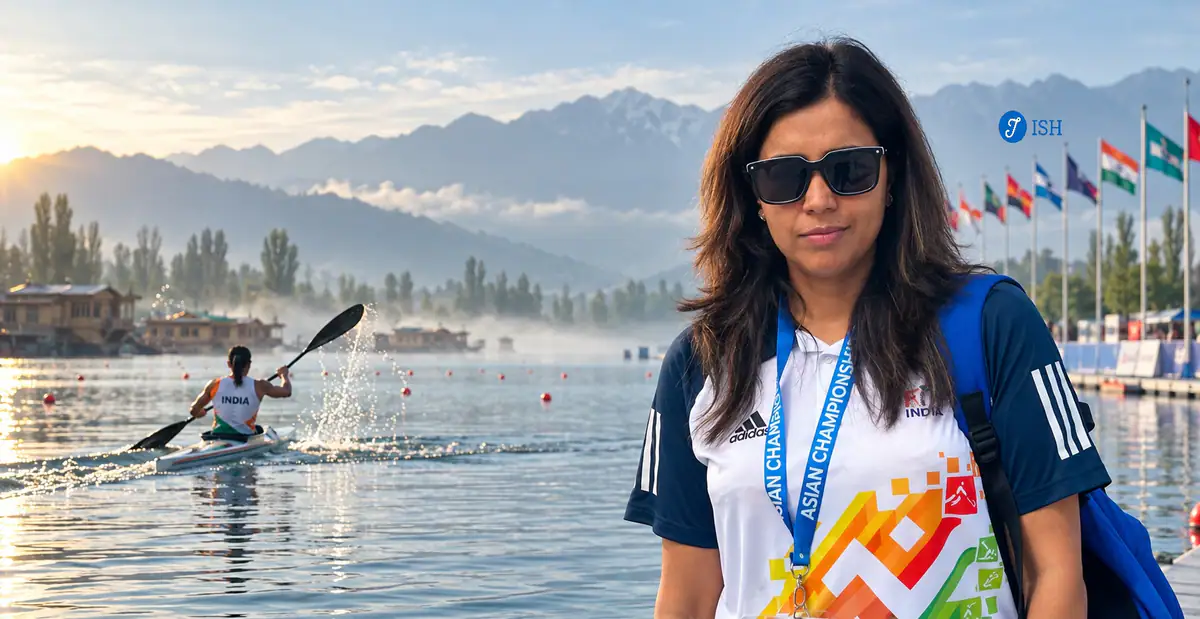
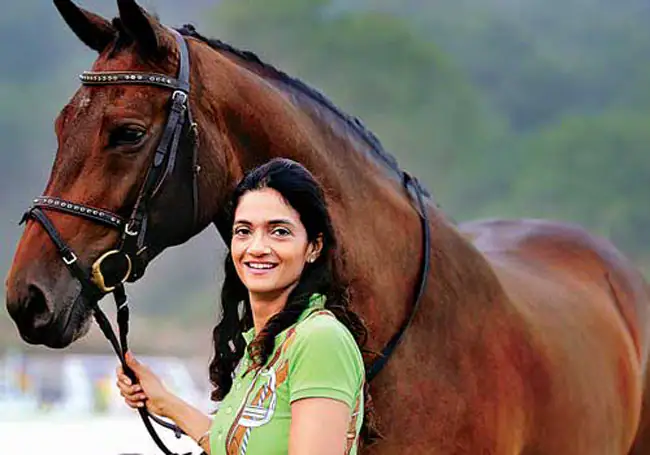
Shruti Vora, Equestrian (Aged 55 years)
If there is one athlete who embodies sporting longevity in India, it is Shruti Vora. Born in 1971, Vora is 55 years old and is the oldest member of India's Asian Games squad. Her inclusion is remarkable not simply because of her age, but because she remains genuinely competitive internationally. Riding Magnanimous, Vora has continued to post strong results on the European circuit in 2026, including podium finishes at CDI events. Her relationship with horses began decades ago. Vora has spoken about learning to ride at the Army Riding School in Kolkata, while her mother was also a rider and played an important role in developing her passion for equestrian sport.
Her career has also included a remarkable 14-year break from competitive riding while she started a family and raised her children. She returned to competition in 2010 and eventually established herself on the international circuit. Vora represented India at the 2014 Asian Games and has since continued to compete internationally. Her selection for Aichi-Nagoya represents another chapter in a career that has stretched across generations. At 55, Vora is not simply participating because of her experience; she is still earning her place through performance.
Mairaj Ahmad Khan, Shooting (Aged 50 years)
At 50, Mairaj Ahmad Khan is another extraordinary example of competitive longevity. The veteran skeet shooter is also one of the oldest athletes in India's 2026 contingent and will head to Aichi-Nagoya still chasing something that has eluded him throughout his long career: an Asian Games medal.Born on November 2, 1975, Khan is a two-time Olympian. He made history by becoming the first Indian skeet shooter to qualify for the Olympic Games, competing at Rio 2016 before returning at Tokyo 2020. His resumé includes three World Cup gold medals as well as titles at the Asian Shooting Championships and Commonwealth Shooting Championships.
Yet the Asian Games medal remains unfinished business, which makes Aichi-Nagoya particularly significant. Khan is not travelling to Japan merely as a veteran presence; he is entering the competition with a specific ambition to finally put an Asian Games medal around his neck. Shooting is also one of the sports where age and experience can work differently from disciplines dependent almost entirely on explosive physical performance. Decades of competition can bring an athlete greater technical understanding, composure and the ability to perform under pressure. For Khan, that accumulated experience could be an advantage when the targets start to matter.
Joshna Chinappa, Squash (Aged 39 years)
At 39, Joshna Chinappa is preparing to achieve something no other Indian athlete has done before; she will become the first Indian athlete to compete at seven consecutive Asian Games, a record that illustrates just how long she has remained at the top of her sport. Chinappa's Asian Games journey began in Busan, in 2002. More than two decades later, she is still representing India at the continent's biggest multi-sport event. That means her Asian Games career spans an extraordinary period in Indian sport from an era when Indian squash was still seeking international recognition to today's generation featuring teenagers such as Anahat Singh. Her experience could prove especially valuable in a squad that combines youth and established performers.
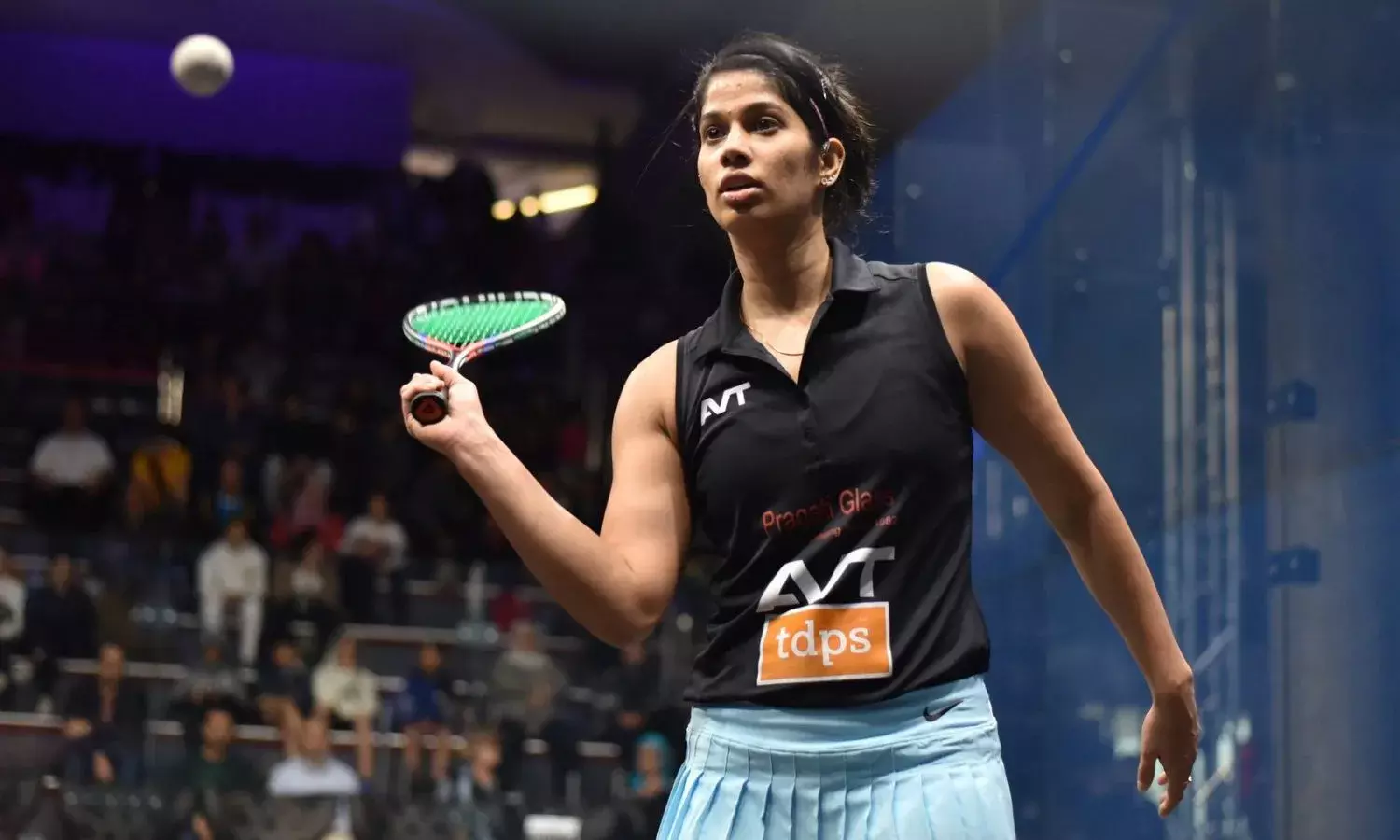
The contrast is truly striking and remarkable: Anahat represents the future of Indian squash, while Chinappa represents its extraordinary continuity, and the two will share the same Asian Games stage! In a country where one’s age seems to determine the likelihood of success in sport, the stories, perseverance and hard work of these athletes remind us that longevity itself is an achievement.
Reaching the highest level once is extremely difficult, but staying there for 10, 20 or even 30 years and beyond is a whole different level. Moreover, different sports have different biological clocks; in a pure sprinting event, an older athlete may struggle to compete with a younger athlete by sheer virtue of fitness ability. However, in sports like shooting, equestrian or archery, these sports reward experience, precision and mental resilience, applying these skills in a slightly different manner to that needed for complex, full-body-dependent sports.
Last but not least, these veterans inspire the next generation for India's youngest athletes, sharing a national team environment with competitors who have represented the country across multiple generations, providing a living connection to India's sporting history. As India heads to Japan looking to improve on its record 107 medal haul from Hangzhou in 2022, these veterans will carry something more than the national flag
They will carry years of sporting history into the next generation.
Comments (0)
to post comments, replies, and votes.
Loading comments…