C Rishikanta Singh Withdraws from 2026 Asian Games with Knee Injury, India’s Weightlifting Squad Reduced
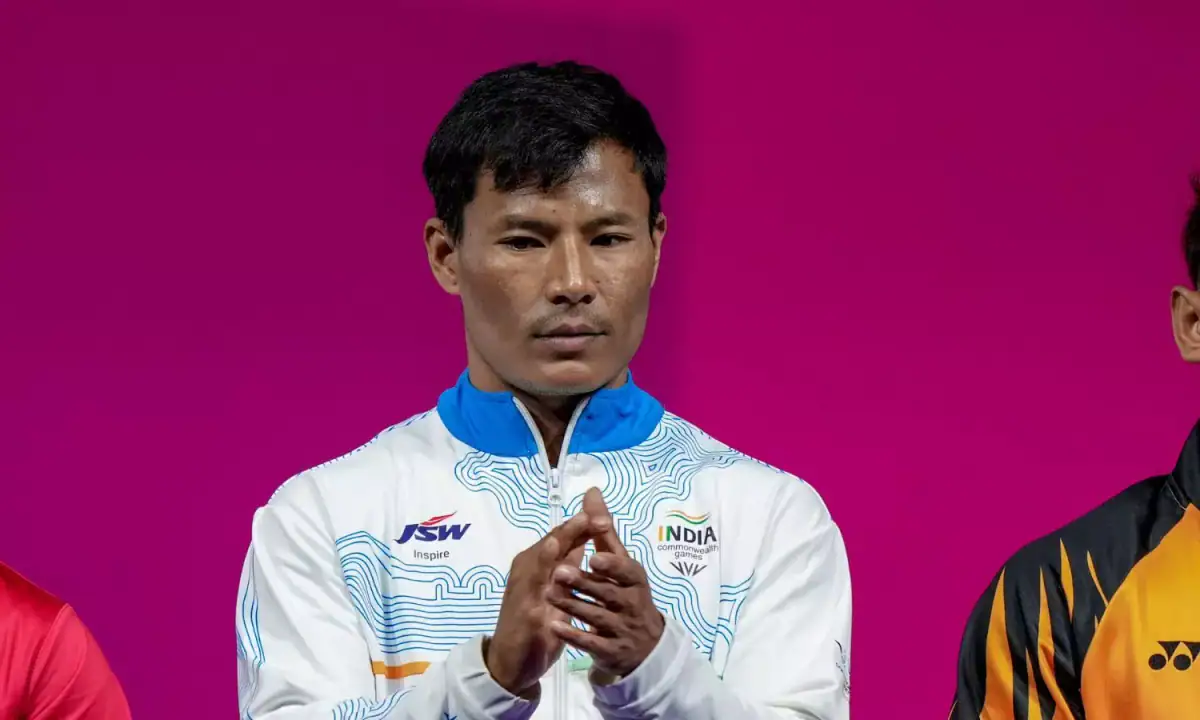
India’s preparations for the 2026 Asian Games have suffered another setback, with weightlifter C Rishikanta Singh withdrawing from the continental event because of a knee injury. His absence comes just days before the Games begin in Aichi-Nagoya, Japan, and leaves India without a male weightlifter in its squad.
Rishikanta, a Commonwealth Games silver medallist, had been selected to compete in the men’s 60kg category and was expected to be one of India’s medal contenders. His withdrawal means India will now have four women weightlifters in its Asian Games contingent, with the men’s competition no longer featuring an Indian representative.
The 25-year-old has been dealing with a sore left knee and has informed the Weightlifting Federation of India about the problem. Following the Commonwealth Games, he was assessed by Asian Games chief medical officer Dinshaw Pardiwala, who advised him to undergo at least 20 days of rehabilitation.
Rishikanta is currently recovering in his home state of Manipur.
The timing of the injury is particularly unfortunate for Rishikanta, who had already demonstrated his medal potential at the Commonwealth Games in Glasgow. Competing in the 60kg category despite the knee problem, he managed to win a silver medal. However, the decision to withdraw from the Asian Games reflects the need to prioritise his recovery rather than risk aggravating the injury during an important international competition.
Weightlifting places enormous physical demands on the knees, particularly during the explosive movements involved in the snatch and clean and jerk. With the medical team recommending a minimum rehabilitation period of 20 days, Rishikanta's participation in Aichi-Nagoya was no longer considered viable.
His withdrawal is consequently a significant blow to India’s medal prospects in weightlifting.
India Now Has Four Women Weightlifters
With Rishikanta out, India’s weightlifting representation at the Asian Games will consist entirely of women athletes. Among them is Mirabai Chanu, one of the country's most accomplished weightlifters and a major international medal contender. The remaining members of the women's squad will also carry responsibility for maintaining India's presence on the weightlifting podium.
The absence of a male representative is notable because Rishikanta had been the sole Indian man selected for the sport at the Games. His withdrawal therefore changes the composition of the entire weightlifting contingent rather than simply reducing the number of athletes by one. For Rishikanta, meanwhile, the immediate priority will be completing his rehabilitation and returning to full fitness.
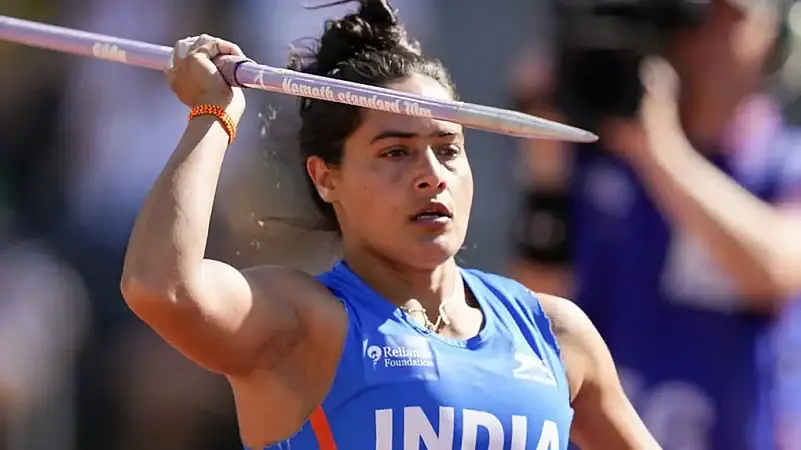
Rishikanta’s withdrawal comes amid a series of late changes to India’s Asian Games squad across different sports. In athletics, defending women's javelin champion Annu Rani was left out after failing to achieve the Athletics Federation of India’s qualifying mark. Her season-best throw of 57.50m in the final trial remained 12cm short of the 57.62m benchmark.
Sprinter Nithya Gandhe and long jumper Shahnavaz Khan were also removed from the athletics contingent because of performance and medical concerns. The changes reduced India’s athletics squad to 75 athletes. There was some positive news for hurdler Jyothi Yarraji, however, as she was cleared to compete after being assessed by doctors. Yarraji had been carrying a niggle since the Bhubaneswar World Athletics Silver meet, but the medical team expects her to be fit for the Asian Games.
Wushu also saw a change, with two-time Asian Games medallist Roshibina Devi replacing Divyanshi Chaudhary after the latter suffered a shoulder injury.
Separately, Abhishek Pal was removed from the contingent following an adverse finding involving a fertility drug.
For Rishikanta, the Asian Games withdrawal represents a frustrating interruption after an encouraging period that included a Commonwealth Games silver medal. But with the medical advice calling for a minimum 20-day rehabilitation period, attempting to compete in Japan would have carried considerable risk. The Asian Games will begin on September 19 and continue until October 4, bringing together athletes from across the continent in Aichi-Nagoya.
India will now head into the Games without the weightlifting medal hope it had identified in the men's 60 kg category. The focus will instead shift to the four women weightlifters carrying the country’s challenge, while Rishikanta begins the longer process of recovering from his knee injury. His withdrawal is another reminder of how quickly the composition of a major multi-sport contingent can change in the final days before competition. For India, the challenge now is to manage the latest setback while ensuring the athletes who do travel to Japan are in the best possible condition to compete for medals.
Comments (0)
to post comments, replies, and votes.
Loading comments…