India’s 85-Medal Campaign Reveals Where It Gained and Lost Ground at Asian Games 2026
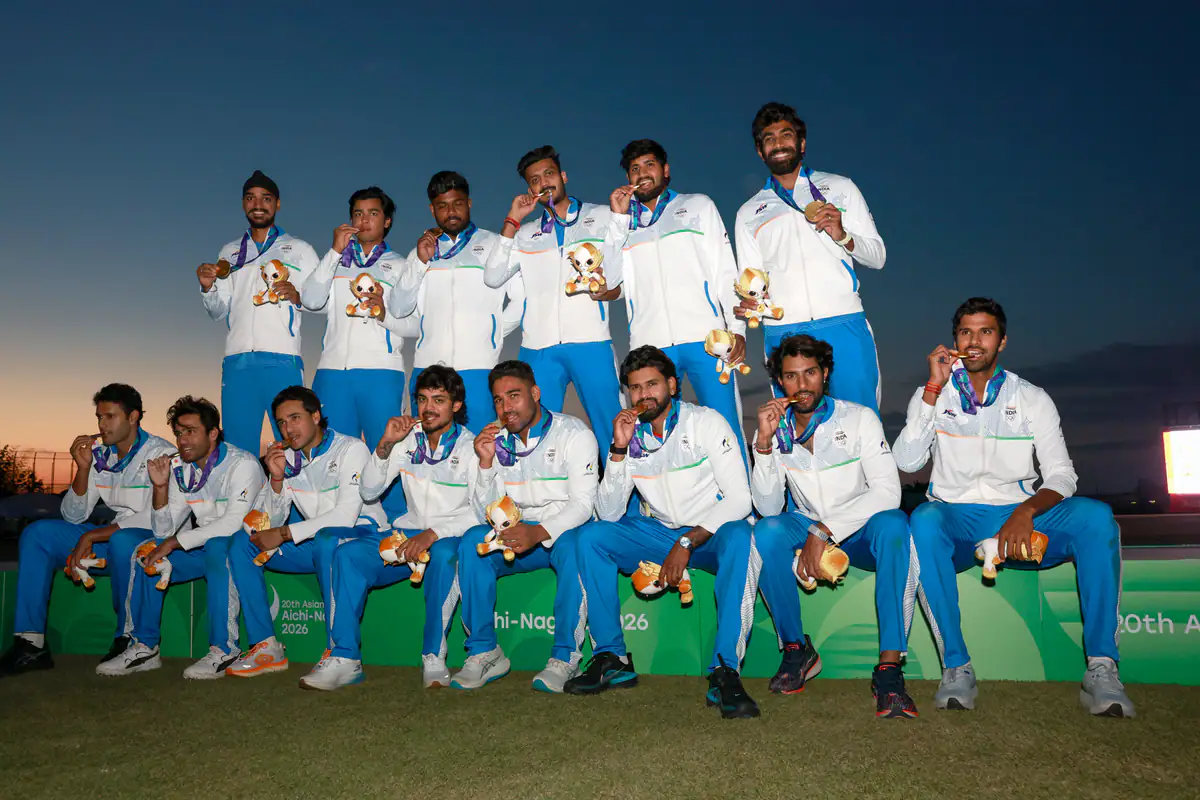
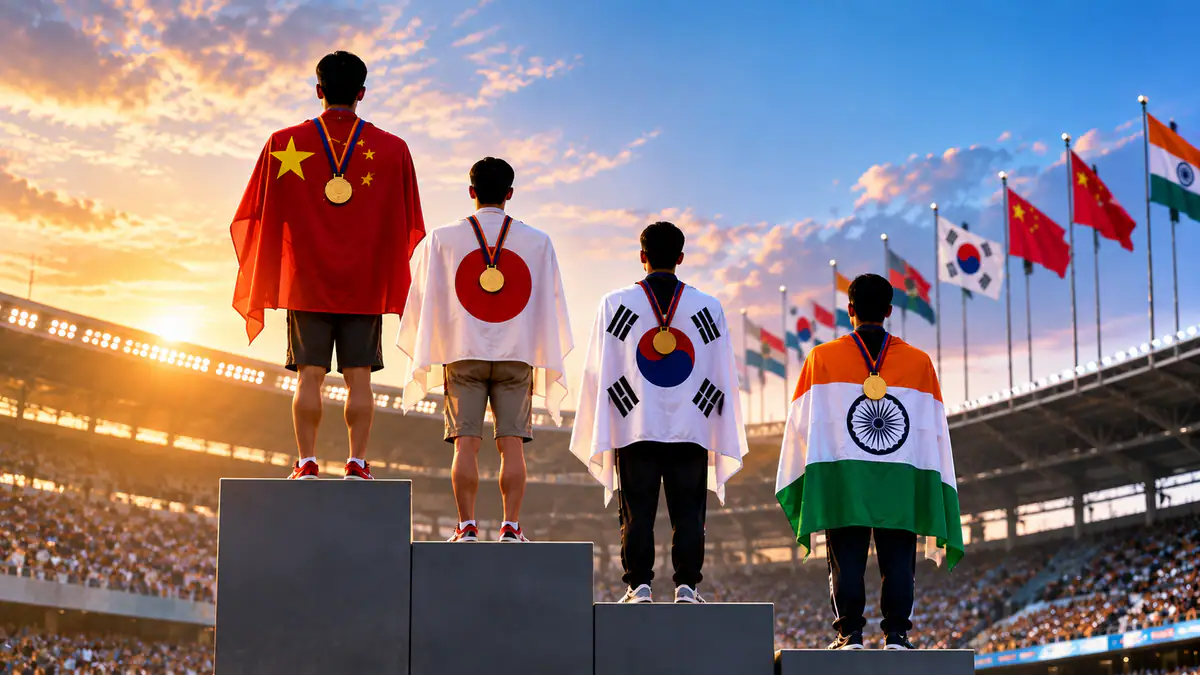
India finished the 2026 Asian Games in Aichi-Nagoya with 85 medals, including 21 gold, 27 silver and 37 bronze, securing fourth place in the final medal standings.
The 21 gold medals put India level with Uzbekistan, but a superior silver-medal count lifted India above its Central Asian rival. The result marked India’s second-best medal performance at the continental event, behind the record 106-medal haul at Hangzhou in 2023, where the country won 28 gold medals.
The headline numbers, however, only tell part of the story. A sport-wise comparison between the two editions shows a mixed campaign: India retained its strength in several established disciplines, made significant gains in boxing, hockey and golf, but suffered sharp medal declines in athletics, shooting, badminton and rowing.
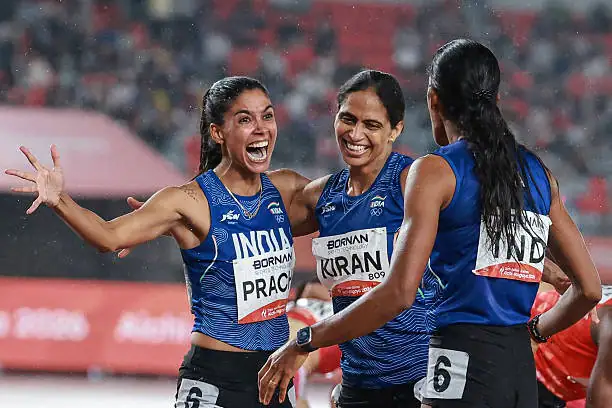
Athletics remained India’s biggest medal-producing sport in Aichi-Nagoya, but its overall contribution fell considerably. India won 24 athletics medals in 2026, compared with 29 at Hangzhou. The gold count dropped from six to one, with the women’s 4x400m relay providing India’s only athletics title. Shooting experienced an even sharper decline. After producing 22 medals, including seven golds, at Hangzhou, Indian shooters returned from Aichi-Nagoya with 15 medals — three gold, eight silver and four bronze.
The drop of seven medals meant shooting surrendered its position as one of India's most productive gold-producing disciplines. Yet the three golds still included landmark performances, particularly in trap, where Neeru Dhanda ended a 48-year wait for an individual Asian Games title for India.
Archery was the most consistent of India’s major disciplines. The Indian archers won nine medals in both editions, retaining the same overall medal tally as Hangzhou. The difference came in the distribution: India again collected five golds, alongside two silver and two bronze. That consistency made archery India’s most successful gold-producing sport in Aichi-Nagoya. The campaign was further strengthened by breakthroughs in women’s recurve, including historic gold medals in the team and individual events.
The performance suggests that archery has become one of the most dependable sources of Asian Games gold for India.
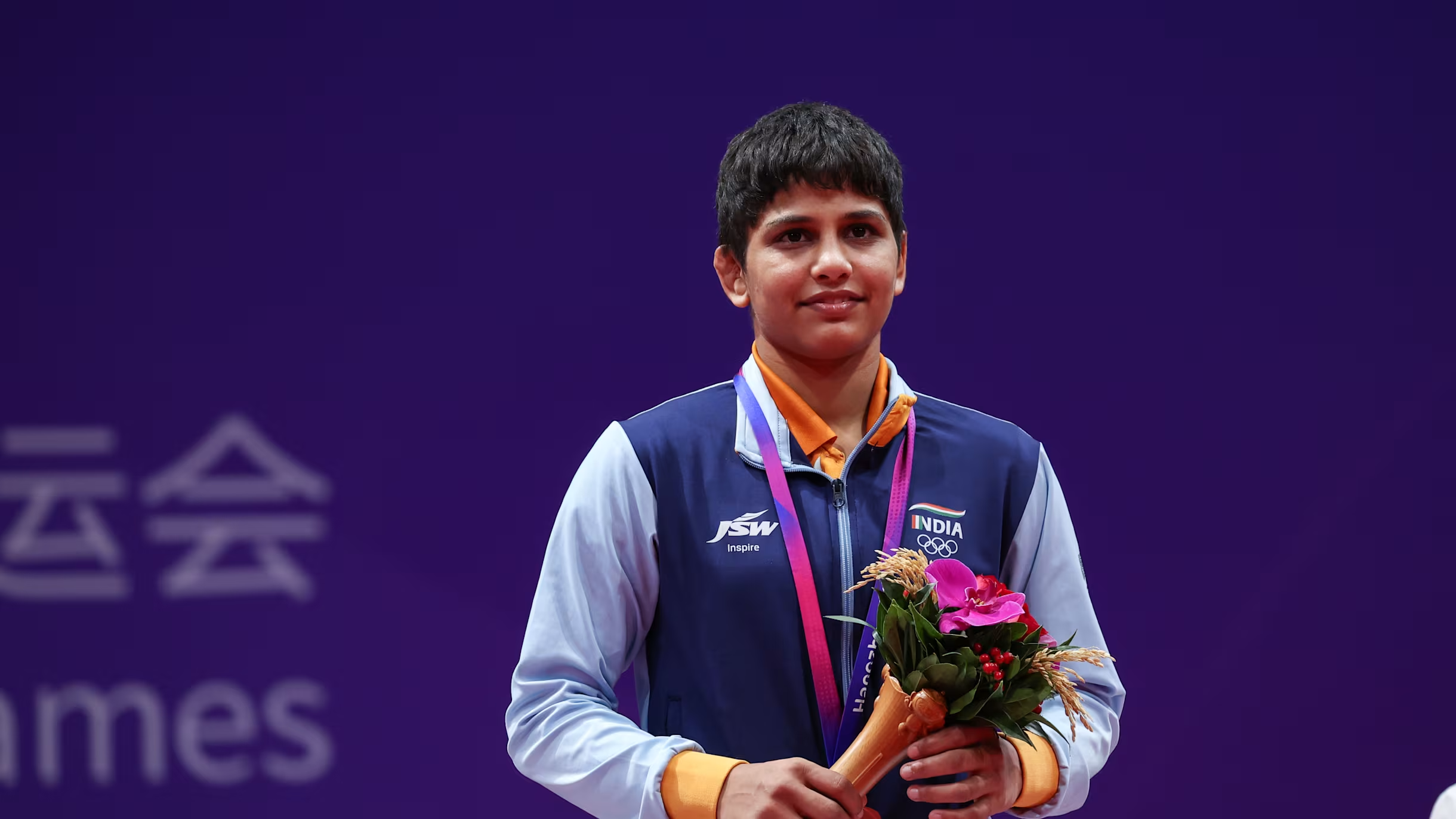
Boxing was among the clearest gainers. India’s boxing medal tally increased from five at Hangzhou to six in Aichi-Nagoya. More importantly, the gold count rose from zero to three, while the country went from one silver and four bronze medals to three gold and three bronze. The turnaround was led by Lovlina Borgohain, Parveen Hooda and Ankush Panghal, who collectively delivered three boxing titles.
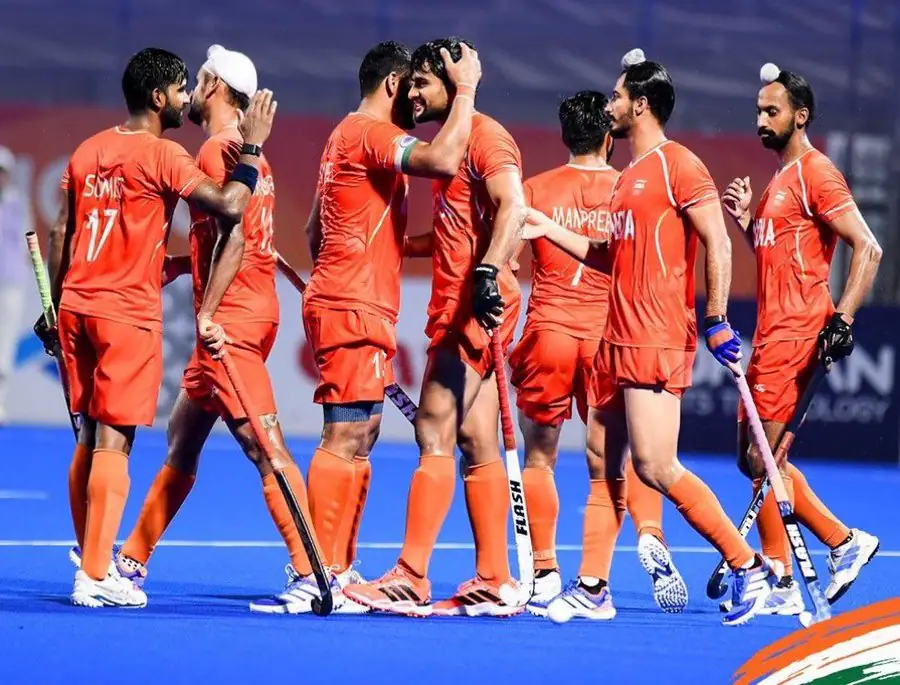
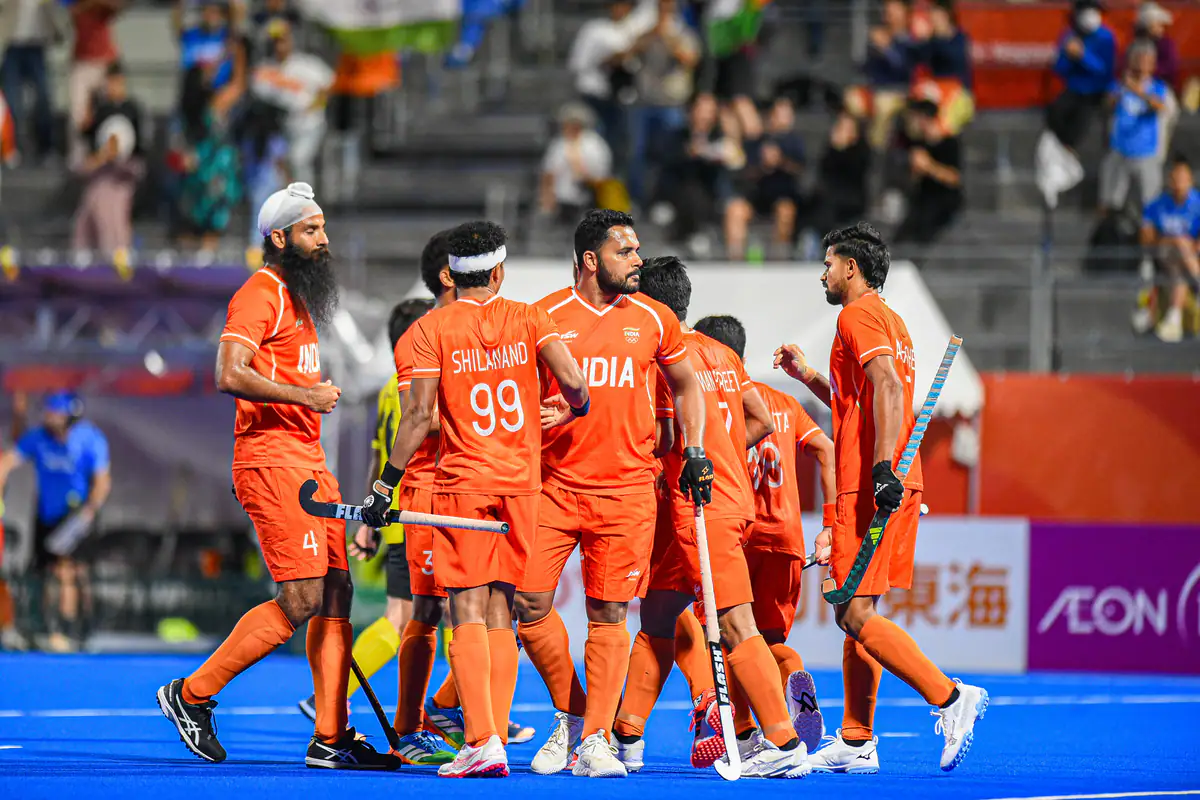
Hockey also improved in quality despite producing the same overall number of medals. India again won two hockey medals, but the composition changed from one gold and one bronze at Hangzhou to two golds in Aichi-Nagoya. Both Indian hockey teams won the Asian Games title, with the women ending a 44-year wait and the men successfully defending their crown.
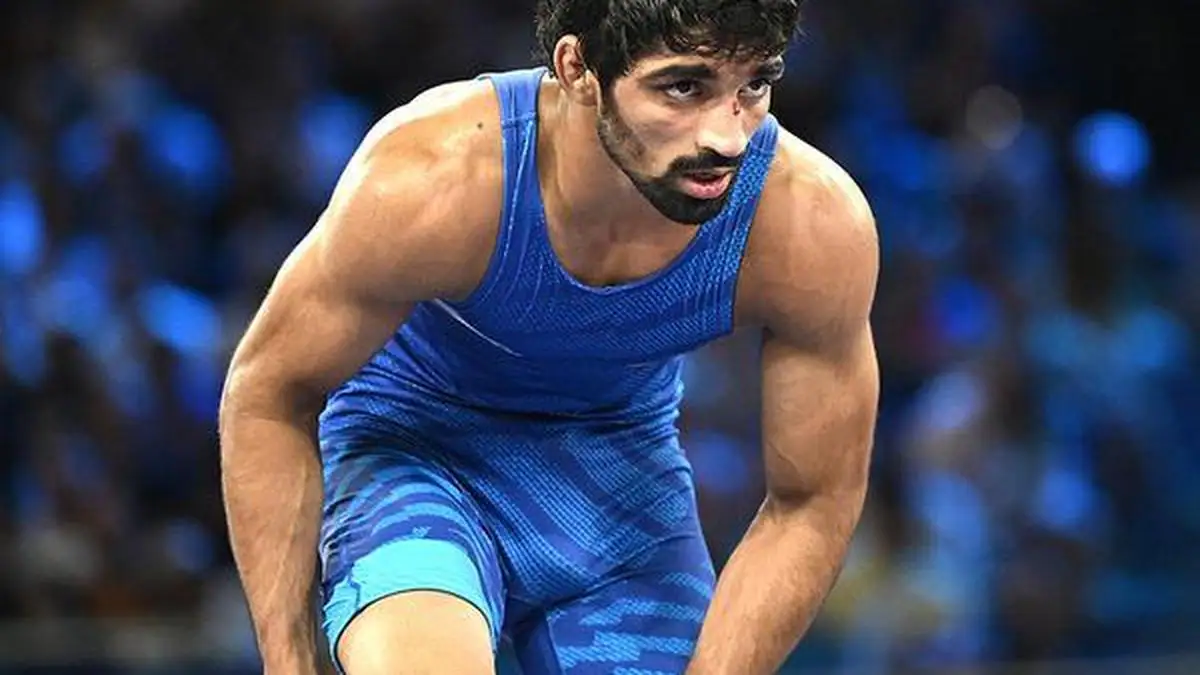
Wrestling produced exactly six medals in both editions, although the distribution improved significantly in Aichi-Nagoya. At Hangzhou, India won no golds, one silver and five bronze medals. In Aichi-Nagoya, the six-medal tally comprised two gold, two silver and two bronze. The gold medals came through Aman Sehrawat in the men’s 57kg freestyle and Sujeet Kalkal in the 65kg category.
The numbers point to an important shift: India did not necessarily increase its wrestling medal volume, but converted more podium opportunities into gold.
Golf Doubles Its Medal Count
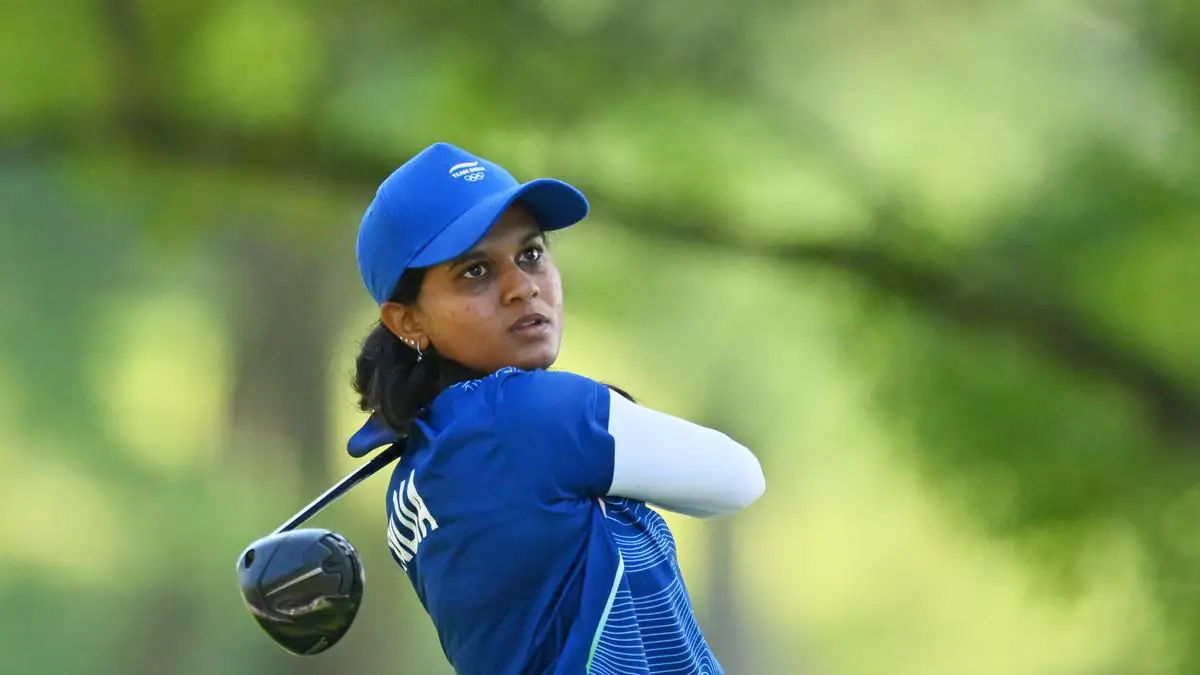
Golf was another discipline to show improvement. India went from one medal at Hangzhou a silver to two medals in Aichi-Nagoya, with Pranavi Urs winning women’s individual gold and India also taking silver in the women’s team event.
Urs’ victory was particularly significant as it gave India its first Asian Games gold in golf.
Not every established sport maintained its previous level. Badminton fell from three medals at Hangzhou to just one in Aichi-Nagoya. The sport had produced one gold, one silver and one bronze previously, but returned with a single bronze this time. Rowing experienced an even steeper decline, dropping from five medals in Hangzhou to one in Aichi-Nagoya.
Squash retained its five-medal total, although India moved from two golds, one silver and two bronze to no golds, two silver and three bronze.
Aichi-Nagoya also expanded India’s medal footprint into disciplines that did not feature in its Hangzhou medal tally. India won medals in kurash, mixed martial arts, soft tennis and weightlifting, while maintaining medal-winning performances in sports such as sepak takraw, table tennis and wushu. This broader distribution is significant. Although India’s total fell from 106 to 85, medals came from a wider range of disciplines, indicating that the country’s continental medal base continues to evolve.
The Aichi-Nagoya campaign therefore presents a more nuanced picture than the headline drop of 21 medals suggests. India lost ground in some traditional powerhouses, particularly athletics, shooting, badminton and rowing, but strengthened its gold-medal conversion in boxing, wrestling and hockey while maintaining its archery dominance.
With 21 gold medals, India matched Uzbekistan and finished fourth overall. The 85-medal haul may sit below the Hangzhou record, but the sport-wise breakdown shows both areas of concern and clear signs of expansion ahead of the next Asian Games cycle.
Comments (0)
to post comments, replies, and votes.
Loading comments…