137 Athletes, Zero Medals: What India’s Asian Games 2026 Numbers Reveal About Sports Funding
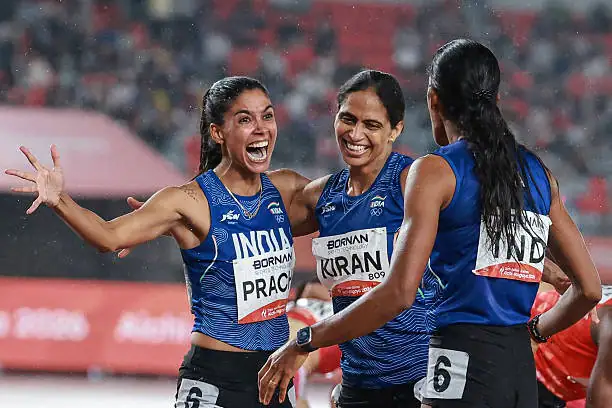
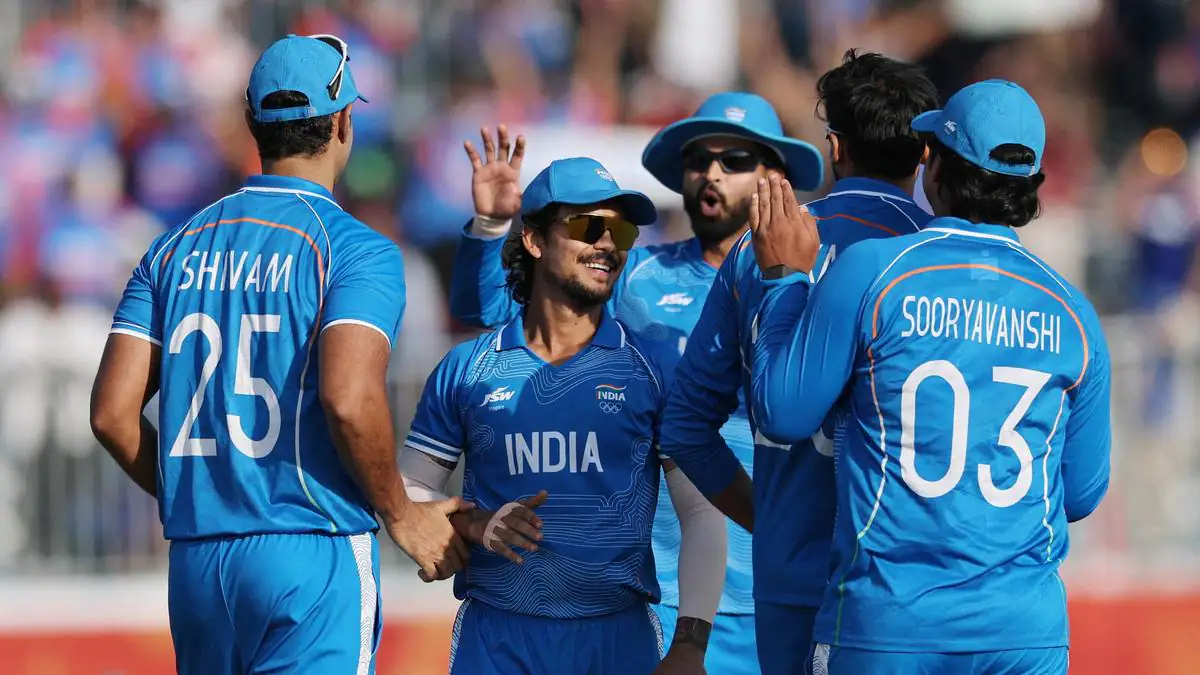
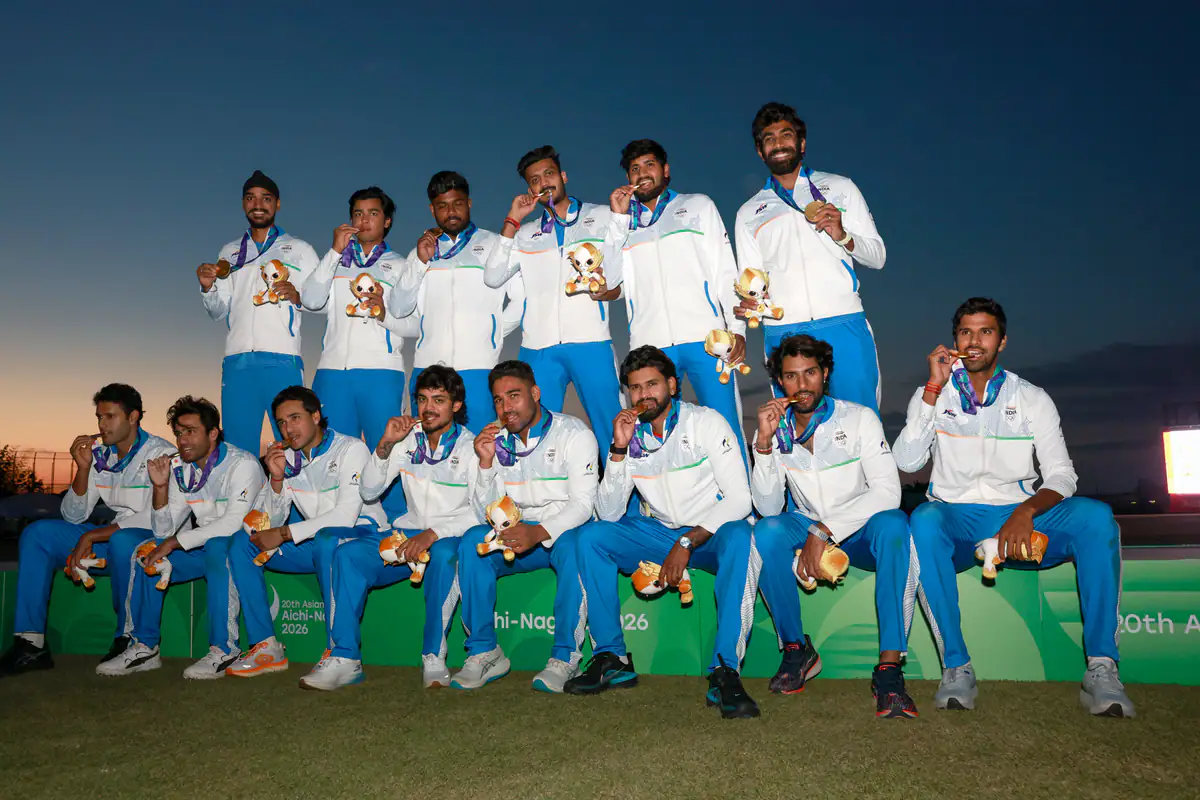
India finished the Aichi-Nagoya Asian Games with 85 medals: 21 gold, 27 silver and 37 bronze and a fourth-place finish in the overall standings. It was the country's second-highest medal tally at the Asian Games.
But behind that headline number lies a very different story. A detailed breakdown of India's 2026 campaign shows that 137 Indian athletes across 16 sports returned without winning a single medal. Another 94 athletes across eight disciplines collectively contributed only eight bronze medals.
Together, that is 231 athletes across 24 sports producing just eight podium finishes, all of them bronze. The contrast is stark. India's 85 medals were heavily concentrated in a relatively small group of sports, led by athletics, shooting and archery. Athletics alone delivered 24 medals, shooting 15 and archery nine. The question is therefore no longer simply whether India is spending enough on sport.
It is whether the country is converting that expenditure into international competitiveness.
137 athletes came home empty-handed.
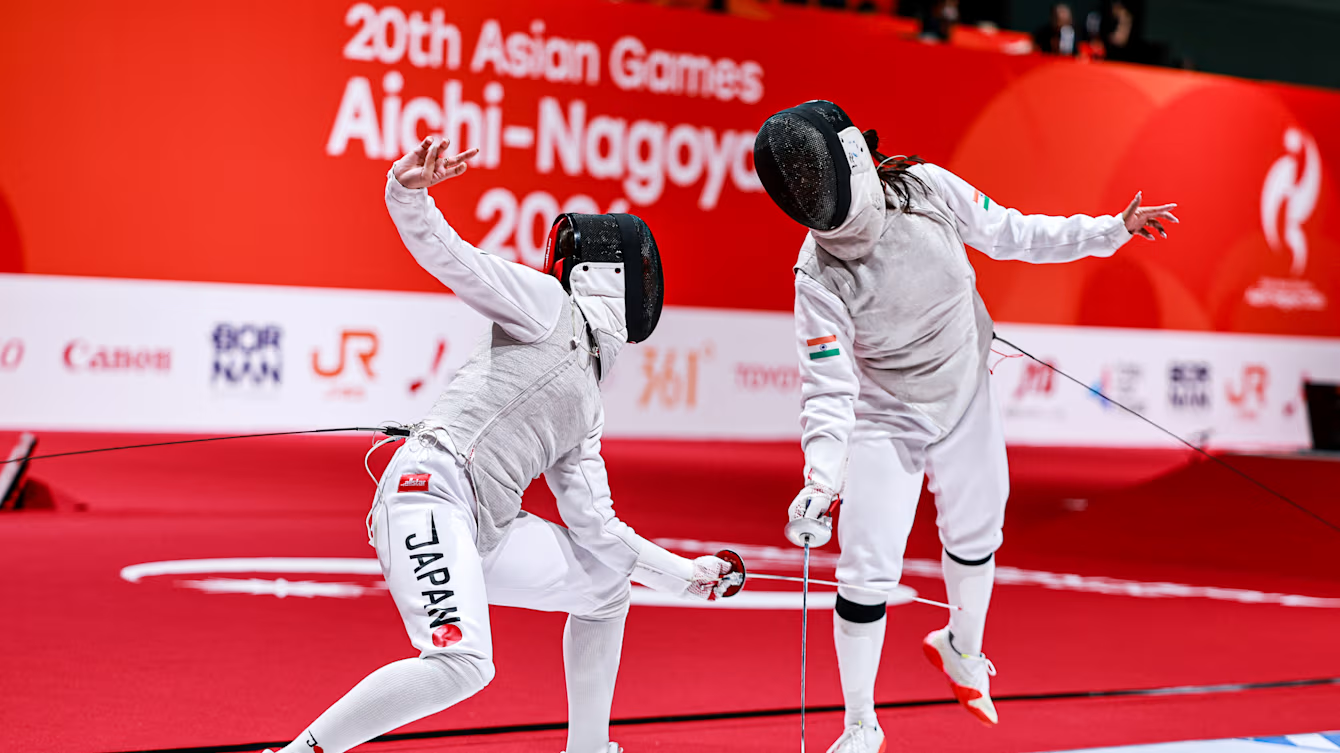
The zero-medal group included 16 disciplines. Fencing sent 20 athletes, with a government expenditure of ₹28.20 crore. Canoeing had 19 athletes and ₹20.10 crore in expenditure. Cycling had 14 athletes and ₹35.90 crore, while swimming sent 12 athletes after ₹10.80 crore in expenditure. Tennis fielded seven athletes with ₹22.40 crore cited, while surfing's four-athlete contingent was associated with ₹12.90 crore.
Other sports in the zero-medal group included esports, rugby sevens, volleyball, equestrian, judo, taekwondo, teqball, karate, sport climbing and gymnastics. The four largest cited expenditures among the zero-medal sports were cycling, fencing, tennis and canoeing.
Combined, those four sports accounted for ₹106.60 crore in cited expenditure without producing a medal. That number deserves scrutiny not because every rupee spent on elite sport must immediately produce a medal, but because repeated international participation without meaningful progression eventually raises questions about the performance model.
The badminton and table tennis problem
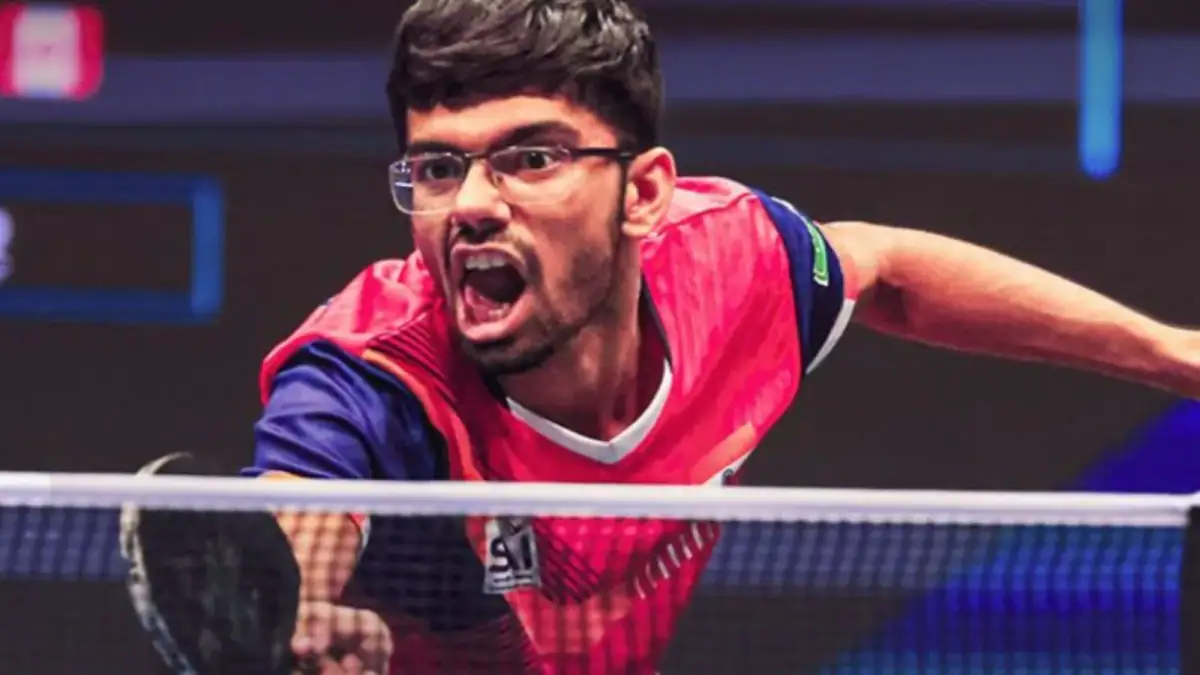
The second group presents an equally interesting picture. Ninety-four athletes across eight sports won eight bronze medals. Badminton sent 20 athletes and won one bronze. Table tennis sent 10 athletes and also won one bronze. Together, those two sports fielded 30 athletes, received a cited expenditure of ₹74.56 crore, and returned just two bronze medals.
Badminton accounted for ₹49.26 crore in the supplied expenditure figures, making it one of the largest funded sports in the group.
Yet the team left Aichi-Nagoya with only one bronze medal in the men's team event.
That result was particularly disappointing because Indian badminton has developed into one of the country's most prominent Olympic disciplines over the past decade. At these games, however, India failed to convert its leading singles and doubles players into individual podium finishes. The final medal table confirms badminton's solitary bronze. Table tennis produced an almost identical outcome in medal terms: one bronze from a 10-member contingent.
The issue, therefore, is not simply participation.
It is conversion.
Perhaps the most revealing numbers come from disciplines that operated with much smaller cited budgets. Soft Tennis sent six athletes and won a bronze with ₹1.60 crore listed in expenditure. Kurash also sent six athletes, received ₹1.60 crore in the source's figures and won bronze.
MMA produced a bronze from a two-athlete contingent, while wushu's seven-member squad won one bronze after ₹7.80 crore in govt expenditure. Sepak Takraw sent 21 athletes and returned with one bronze, while rowing produced one bronze from 22 athletes.
The comparison should not be interpreted as proof that India should simply shift money away from established Olympic sports and towards lower-cost disciplines. Medal production is affected by the number of medal events, depth of international competition, athlete development cycles, qualification structures and the maturity of each sport.
But the contrast does demonstrate that financial allocation and medal output do not always move together.
Funding is only one part of the equation. Judo is highlighted because India fielded only three athletes despite a cited expenditure of ₹8.05 crore, with the non-selection of Harsh Singh, described as India's top-ranked male judoka and a Commonwealth Games gold medallist.
That raises a fundamental question: what is the purpose of a high-performance funding system if the strongest available athletes are not consistently reaching the start line?
Equestrian presented another selection dispute, with Anush Agarwalla a team gold and individual bronze medallist at Hangzhou reportedly left out of the primary team after disagreements over qualification criteria. These cases illustrate a broader problem.
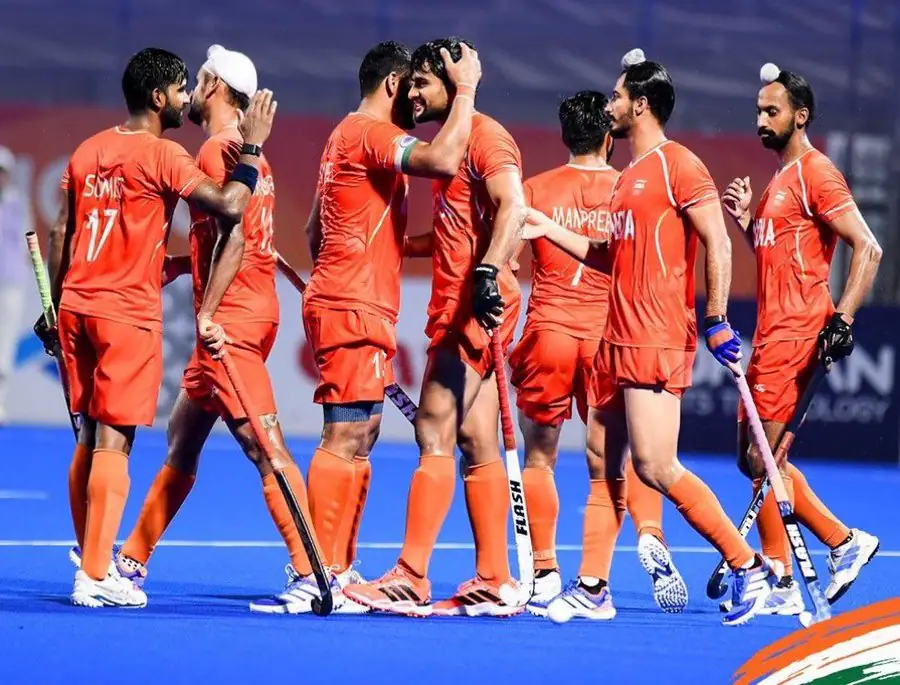
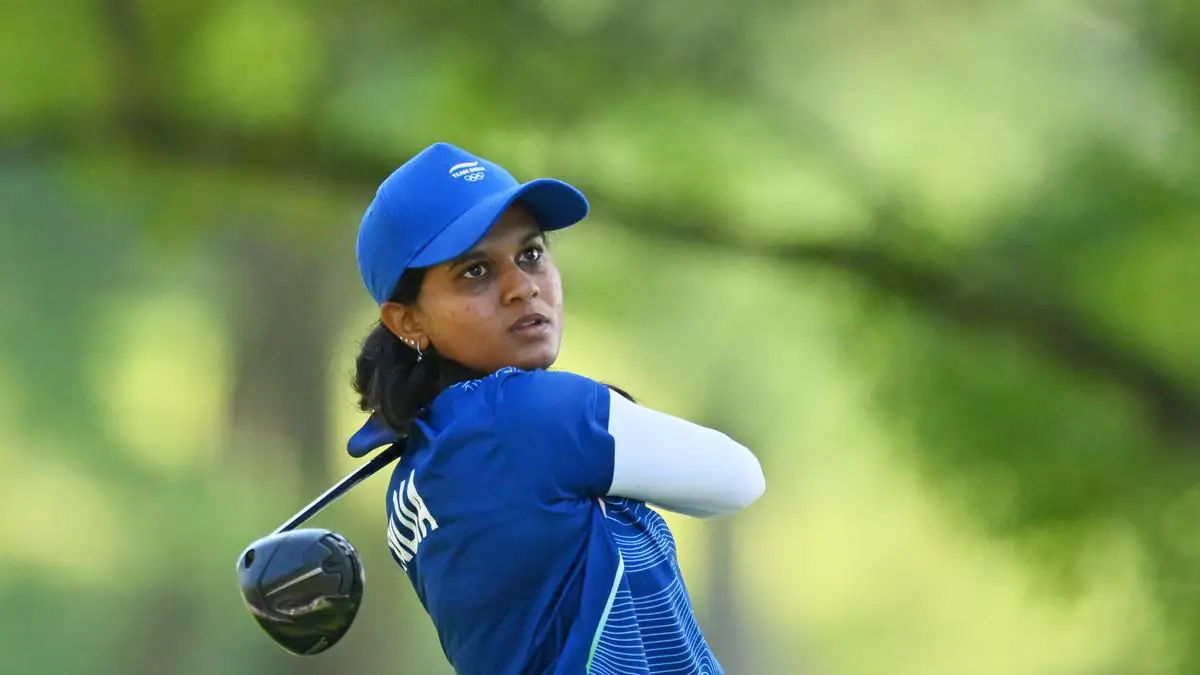
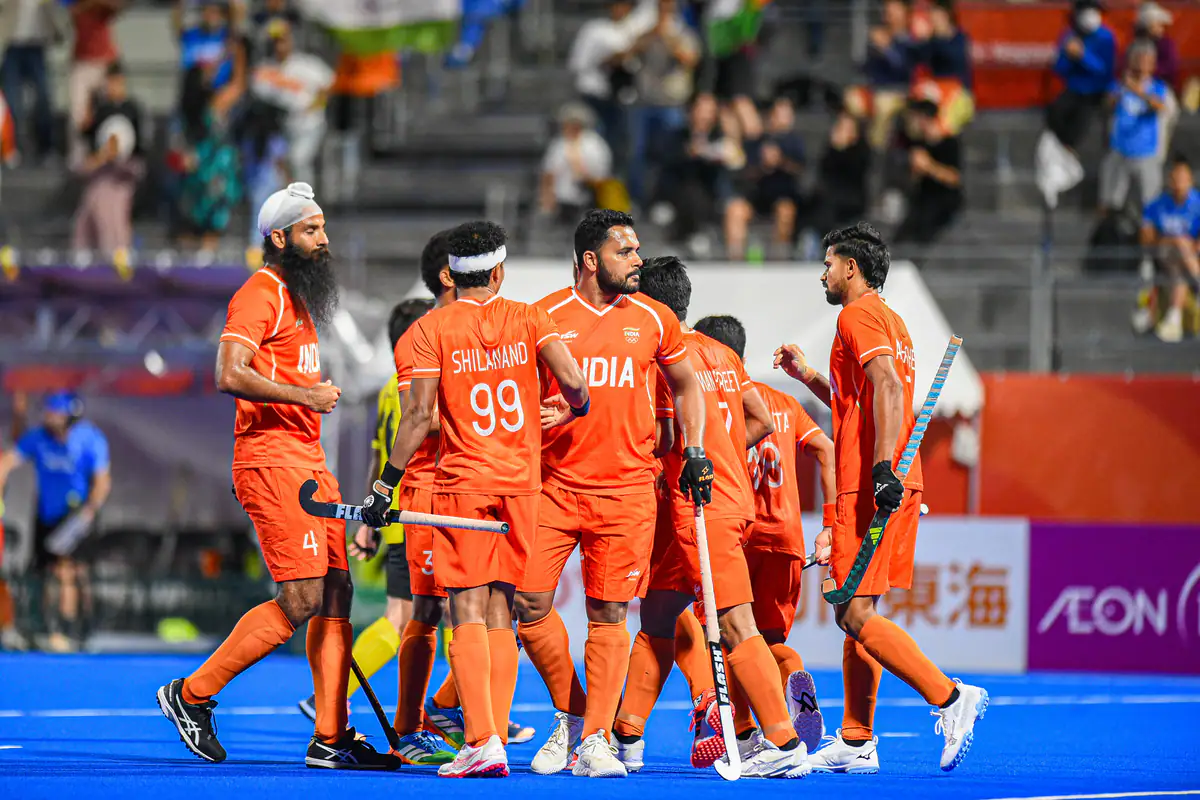
An athlete's medal probability depends not only on coaching, facilities and international exposure. It also depends on whether the selection system identifies and sends the athlete with the strongest current performance profile. The overall 2026 campaign should not be dismissed as a failure. Twenty-one gold medals, including historic victories in archery, golf and boxing and successful title defences in hockey and kabaddi, demonstrate genuine progress.
But the medal distribution is telling.
Athletics, shooting and archery alone produced 48 medals more than half of India's total. That concentration creates vulnerability.
If India wants to become a consistently successful multi-sport nation, it needs a much broader competitive base. A country cannot depend on a handful of disciplines to carry the medal table every four years.
The 137 zero-medal athletes should therefore not be viewed merely as a list of failures. They represent a diagnostic opportunity.
Which sports are genuinely progressing?
Which are repeatedly spending without reaching Asian top-six levels?
Which programmes need more money?
Which need better coaching rather than more overseas camps?
Which require better junior development?
And where are selection and federation governance undermining otherwise competitive athletes?
The next stage of India's sports policy should be less about simply increasing allocations and more about measuring what those allocations produce. Funding models can incorporate objective milestones: Asian rankings, qualification standards, personal-best improvements, progression into A-finals, world-ranking movement and performance against continental medal contenders.
A cycling programme that repeatedly fails to close the gap to Asian leaders needs a different intervention from a wrestling or shooting programme already producing medals. Similarly, an emerging sport that produces a medal on a modest budget should not automatically be overlooked simply because it lacks the profile of an Olympic marquee discipline.
India's 85-medal haul is worth celebrating. But the deeper lesson from Aichi-Nagoya may be found in the athletes who did not win.
137 athletes returned without a medal. Another 94 won only eight bronze medals.
That is not an argument against funding Indian sport. It is an argument for making every rupee, every selection decision and every high-performance programme answer one increasingly important question:
Is India getting better at turning sporting potential into podium performance?
Comments (0)
to post comments, replies, and votes.
Loading comments…