What Is ACTC? How India Spent ₹702.86 Crore Preparing for the 2026 Asian Games
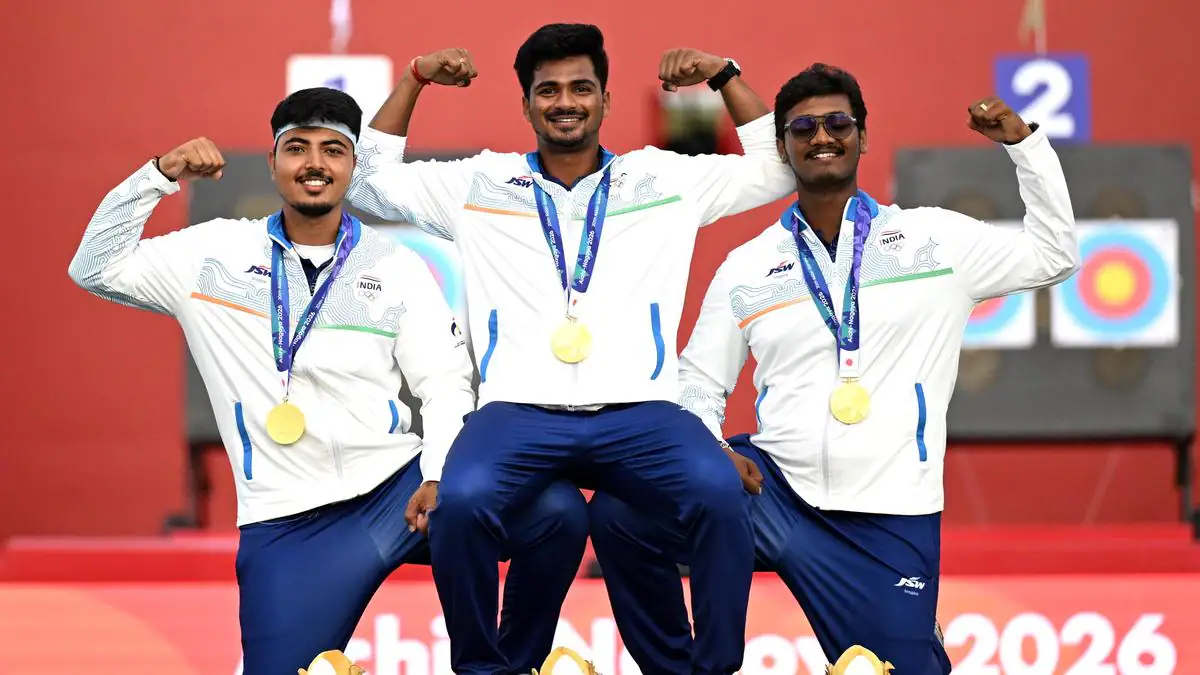
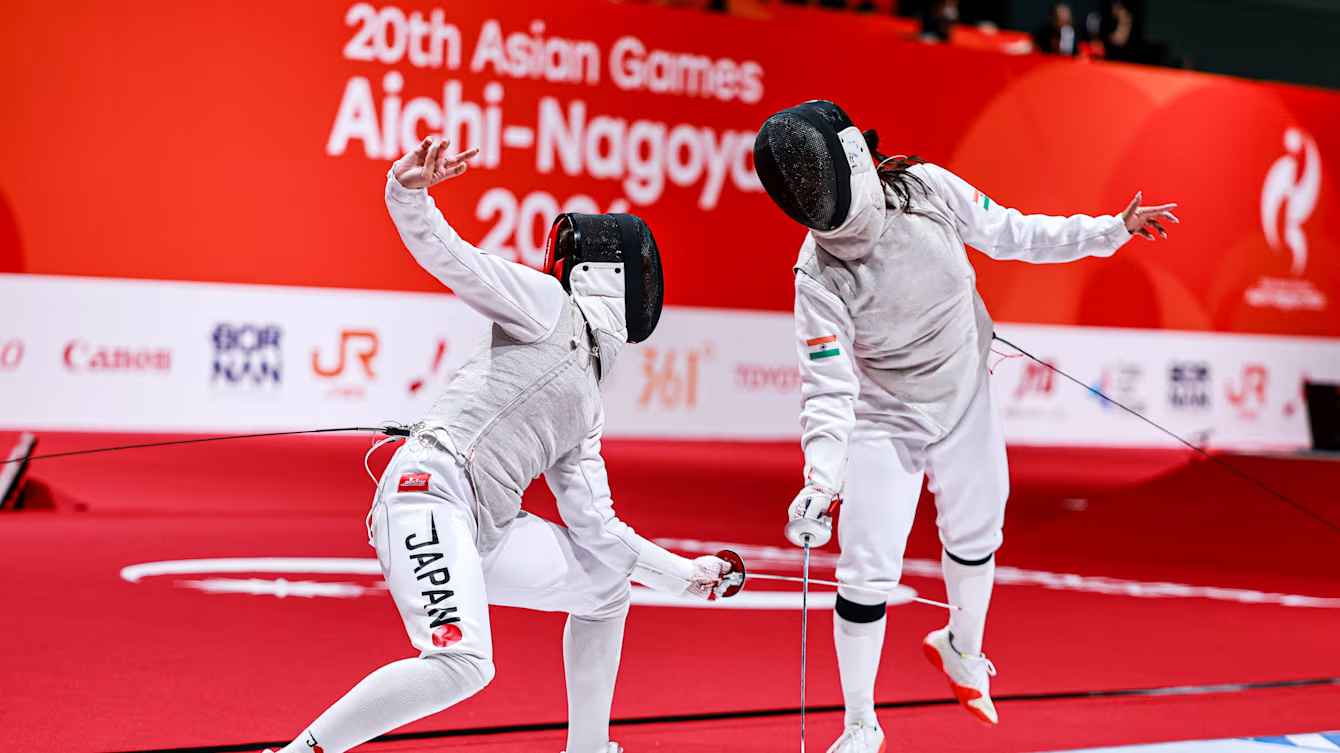
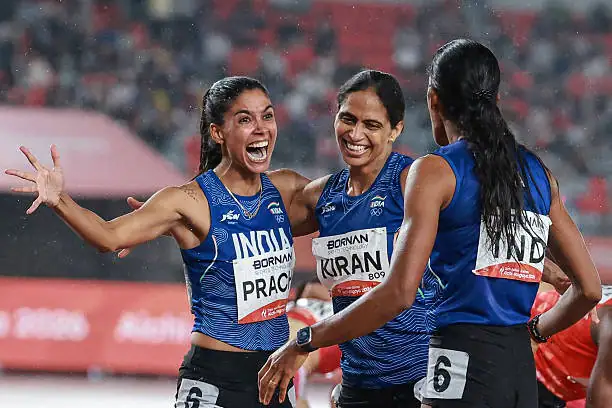
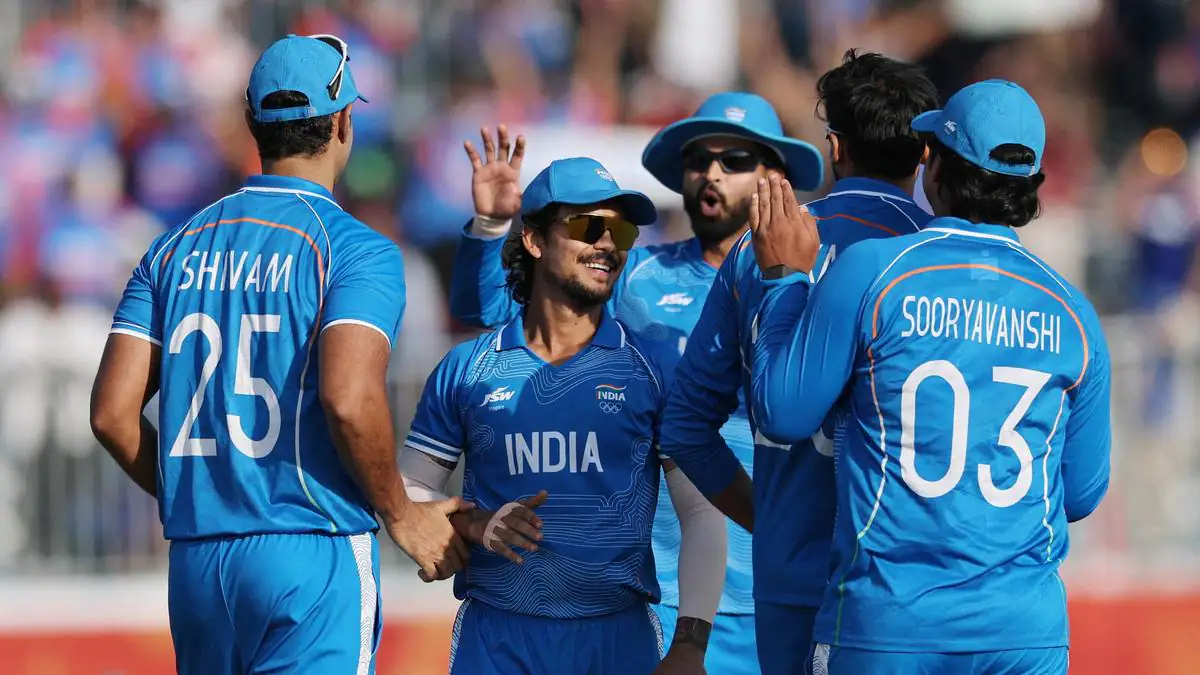
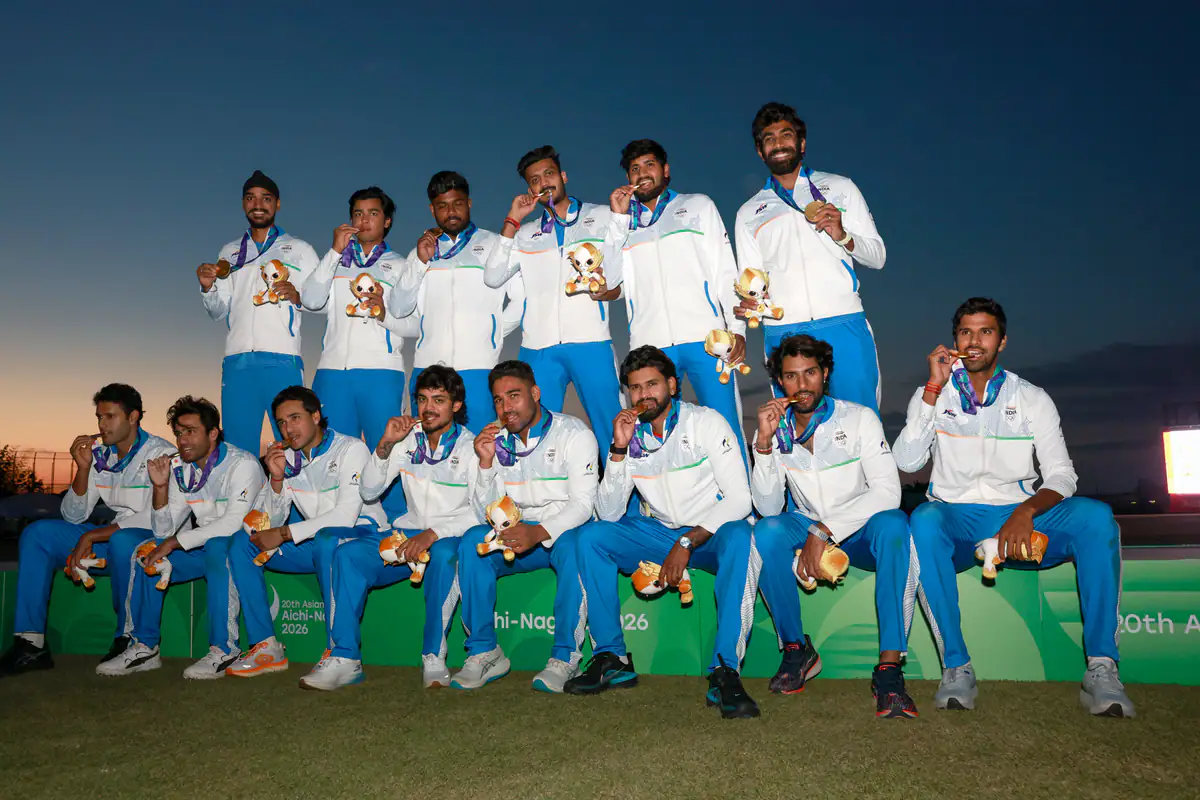
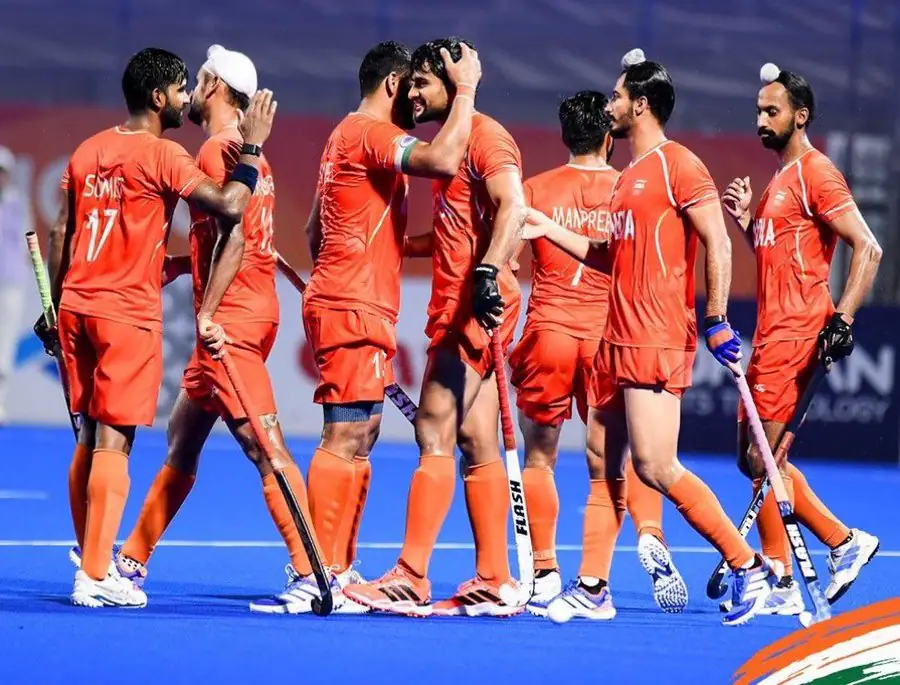
India's campaign at the Aichi-Nagoya Asian Games 2026 was backed by one of the country's largest-ever investments in elite sport.
Over the three-year preparation cycle, the government spent ₹702.86 crore through the Annual Calendar for Training and Competition (ACTC), with another ₹97.84 crore provided through the Target Olympic Podium Scheme (TOPS). Together, the two programmes accounted for ₹800.70 crore in preparation expenditure for the Asian Games. But what exactly is ACTC, where does the money go, and how is it different from TOPS?
The Annual Calendar for Training and Competition, or ACTC, is essentially the institutional funding mechanism through which the government supports recognised National Sports Federations (NSFs) in preparing athletes and teams for major international competitions. Unlike TOPS, which is designed primarily around individual medal prospects, ACTC operates at the squad and federation level.
It supports the broader high-performance ecosystem required to prepare national teams and athletes. This includes domestic national coaching camps, international competition exposure, foreign coaches, equipment and other operational requirements. In simple terms, ACTC funds the sporting system, while TOPS provides more personalised support to athletes identified as potential medal winners.
According to the expenditure analysis provided, ACTC accounted for ₹702.86 crore, or 87.78% of the combined ₹800.70 crore preparation expenditure for the 2026 Asian Games. Pasted text
How was the ₹702.86 crore ACTC budget spent?
The largest component of ACTC spending was international competition exposure, which received ₹251.4 crore. That represented more than one-third of the ACTC allocation. The money supported athletes' participation in overseas competitions, including tournament entry fees, travel, accommodation-related requirements and other logistical expenses.
The second-largest allocation was domestic training and National Coaching Camps (NCCs) at ₹118.3 crore. Together, international competition and domestic training accounted for ₹369.7 crore, or more than half of the ACTC expenditure.
The remaining allocation was divided across several important areas:
ACTC Head | Expenditure |
|---|---|
International Competition Exposure | ₹251.4 crore |
Domestic Training/National Coaching Camps | ₹118.3 crore |
Other Expenses | ₹117.9 crore |
Equipment Support | ₹89.2 crore |
Foreign Experts | ₹86.3 crore |
Overseas Training | ₹39.8 crore |
Total | ₹702.86 crore |
The numbers reveal an interesting feature of India's preparation strategy: the government spent more than six times as much on international competition exposure as on overseas training. The objective was to ensure athletes repeatedly competed against strong international opposition rather than relying only on isolated overseas camps.
Why did international competition receive the most money?
For elite athletes, training can only replicate competition conditions to a limited extent. International tournaments expose athletes to different playing styles, environments, pressure situations and opponents. ACTC's large allocation towards competition exposure therefore reflects an attempt to make athletes competition-ready before reaching the Asian Games. The approach also allows coaches to assess athletes against the actual international field and identify weaknesses that may not emerge during domestic camps.
Domestic national coaching camps remained the second major pillar. These camps provided the controlled environment required for physical conditioning, technical development, tactical preparation and recovery.
High-performance sport requires specialised equipment, and ₹89.2 crore was allocated towards equipment support. The funding covered sport-specific requirements, ranging from high-performance equipment to specialised testing and training tools. Another ₹86.3 crore went towards foreign experts. India's federations have increasingly relied on international coaches and technical specialists in disciplines where exposure to global expertise can accelerate development.
The idea is not simply to bring in foreign coaches but to integrate international technical knowledge into India's domestic high-performance system. A further ₹39.8 crore was spent on overseas training, including acclimatisation camps and targeted training stints abroad.
ACTC vs TOPS: What is the difference?
This is perhaps the most important distinction. ACTC is broad-based. TOPS is targeted.
ACTC supports the national sporting structure through federation programmes. It can cover national camps, international competitions, coaches and equipment across a wider group of athletes. TOPS, on the other hand, is designed around athletes and teams identified as having realistic medal potential at major events such as the Asian Games and Olympics. TOPS can provide more customised assistance, including individual overseas training, specialist coaches, physiotherapists, sports psychologists and other athlete-specific requirements.
The two systems are therefore intended to work together rather than compete. ACTC builds the pipeline and competitive ecosystem. TOPS attempts to give the most promising athletes the additional resources required to convert potential into medals.
This is where the debate around ACTC becomes more complicated. India spent a combined ₹800.70 crore through ACTC and TOPS during the preparation cycle but returned from Aichi-Nagoya with 85 medals: 21 gold, 27 silver and 37 bronze. That was below India's record haul of 106 medals at Hangzhou. The expenditure analysis therefore raises an important policy question: is the issue the amount of money being spent, or how effectively that money is being allocated?
The answer may lie somewhere in between. The data suggests that simply increasing funding is unlikely to guarantee better results. Future spending may need to become more targeted, with greater emphasis on identifying emerging athletes, improving competition conversion and strengthening tactical and psychological preparation.
The real importance of ACTC for LA 2028
The ACTC should therefore not be viewed merely as a budgetary number attached to one Asian Games. It is the backbone of India's high-performance sports preparation system. The experience of Aichi-Nagoya provides an opportunity to examine what worked and what did not before the country enters the next major cycle towards the Los Angeles 2028 Olympics. The central lesson is straightforward: India is now willing to spend substantial money on elite sport. The next challenge is ensuring that every part of that investment produces maximum competitive value.
If ACTC can combine broad-based athlete development with smarter competition exposure, better coaching, modern equipment and stronger accountability, it can play a crucial role in taking Indian sport from simply increasing participation and expenditure to consistently converting investment into international medals.
In short, ACTC is the foundation. TOPS is the targeted intervention. The real measure of success is what happens when those investments reach the competition arena.
Comments (0)
to post comments, replies, and votes.
Loading comments…