India’s Pakistan Win Offers Positives and Lessons, Says Naushad Moosa
India coach Naushad Moosa reflects on the 3-2 win over Pakistan at the SAFF Championship 2026, highlighting late defensive lapses and preparations for the Maldives.
The Blue Tigers began their SAFF Championship campaign with a 3-2 victory, but the head coach wants better concentration, defensive organisation and game management after two stoppage-time goals.
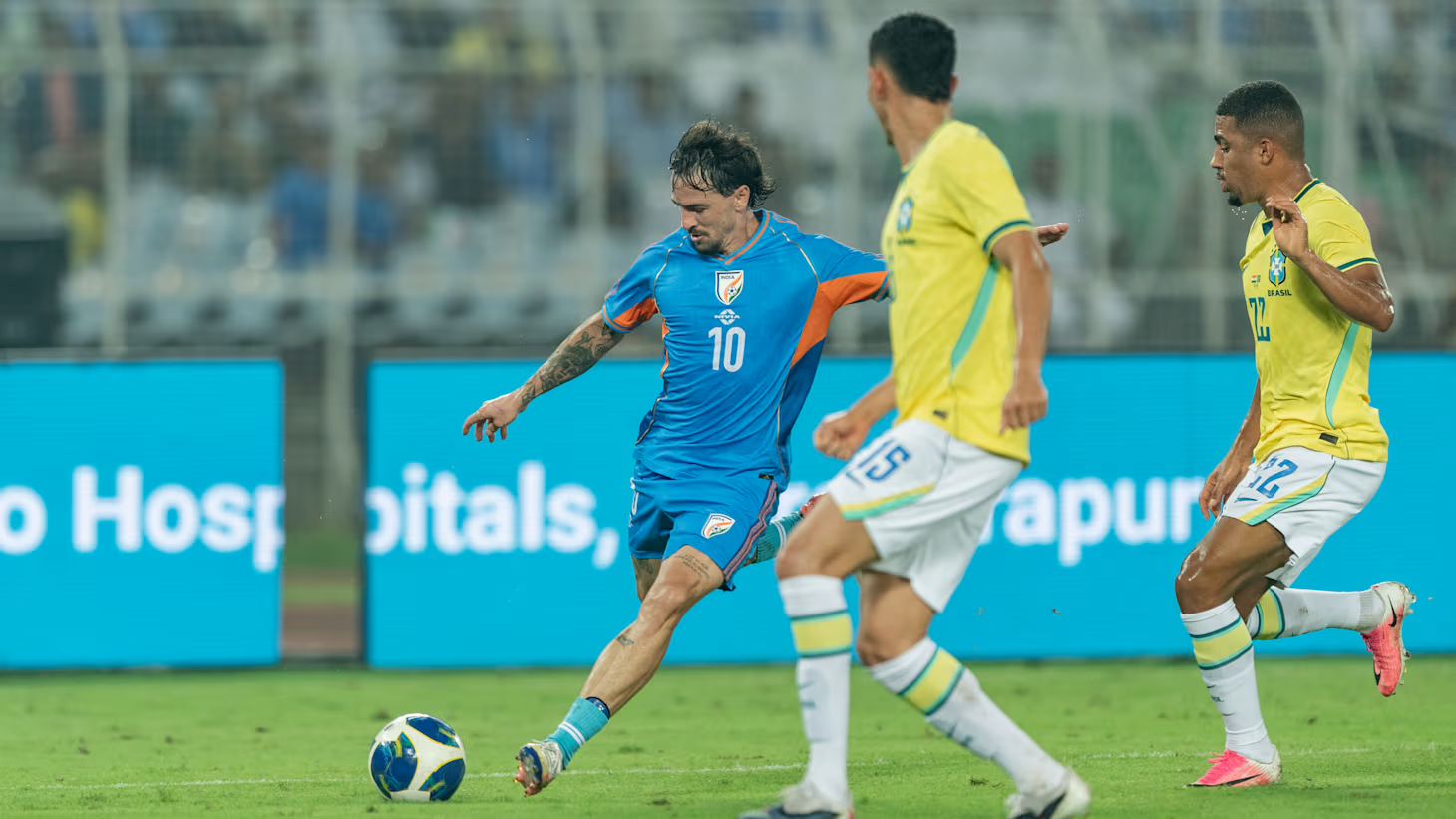
India head coach Naushad Moosa has described the Blue Tigers’ 3-2 victory over Pakistan in their opening Group B fixture of the SAFF Championship 2026 as a positive start, while admitting that the team must address its late defensive lapse after conceding twice in stoppage time.
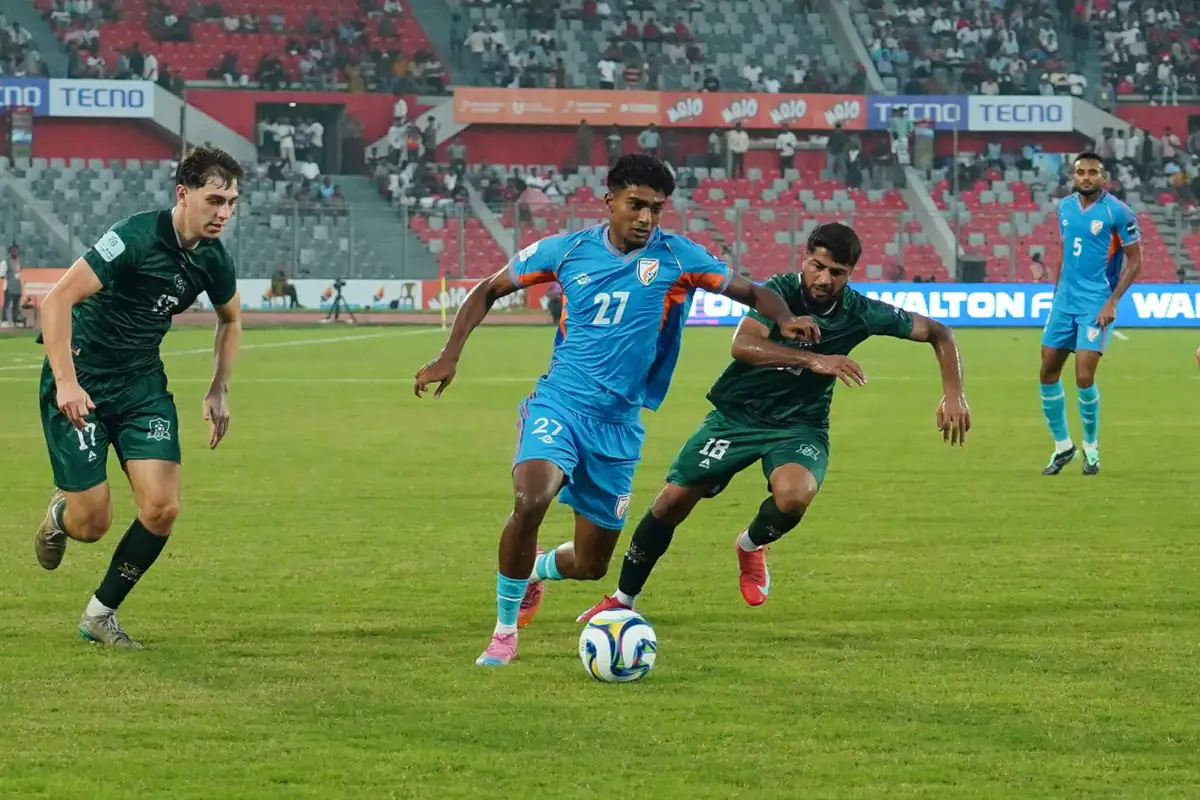
India looked firmly in control for much of Thursday’s contest at the National Stadium in Dhaka. Suhail Ahmad Bhat scored twice in the first half before Manglenthang Kipgen added a third goal in the 31st minute, giving India a commanding 3-0 advantage.
However, Pakistan struck twice in added time to turn what had appeared to be a comfortable Indian victory into a tense finish. India eventually held on to secure all three points, but the closing stages provided Moosa with clear areas to address ahead of the team's next fixture.
The head coach was pleased with the attacking intent and commitment shown by his young side, particularly in the opening half, and felt the victory would provide confidence as the tournament progressed.
“It is always special to start a tournament with a victory, especially against a team like Pakistan. I am happy for the players because they showed great character, commitment and attacking intent throughout the game. Getting three goals and securing all three points is a positive start, and it gives the team confidence going forward. However, we know this is just the beginning, and there is still a long way to go in the tournament,” Moosa said.
While the three goals and the overall result were encouraging, the manner in which India conceded twice late in the game was a concern for the coaching staff. Moosa felt his team had executed its plans effectively for long periods, displaying organisation and a clear understanding of its responsibilities both in and out of possession. However, he emphasised that maintaining those standards until the final whistle is essential at international level.
“I thought we played some very good football, particularly in the first half. We were organised, created good opportunities, and showed a good understanding of what we wanted to achieve both in and out of possession. However, the last few minutes were not what we expected. Conceding two goals in added time is something we need to look at and learn from,” he said.
The coach identified concentration, game management and discipline as key areas requiring attention. India had built a three-goal cushion, but the late goals underlined the importance of managing the closing stages, particularly when protecting a lead.
“At this level, concentration, game management and maintaining our discipline are extremely important until the final whistle. We will analyse those moments, but I don’t want to take away from the overall effort and performance of the players. There are positives to build on, along with lessons we must learn,” Moosa added.
The comments reflect a balanced assessment of India's opening performance: the attacking output and three points were valuable, but the team cannot afford similar lapses as the competition progresses.
India will have five days to work on those areas before returning to action against the Maldives on November 11 in their final Group B fixture. Moosa indicated that the immediate priority would be recovery, followed by improvements in tactical organisation. The coaching staff will also have to integrate additional players expected to join the squad and ensure that they understand the team's playing philosophy and responsibilities.
“Our immediate focus will be on recovery, improving our tactical organisation and addressing the areas where we need to do better. With five days available, it is also important to integrate the players who will be joining the squad and ensure everyone understands our playing philosophy, responsibilities and expectations,” he said.
The coach specifically highlighted transitions, defensive organisation and decision-making in key moments as areas of focus. Building coordination and competition within the group will also be important as India prepare for a potentially decisive fixture.
“We want to improve our coordination, especially in transitions, defensive organisation and decision-making in key moments. Most importantly, we want to use these days to build further chemistry and competition within the group. Our objective is to be better prepared for the next game and continue improving with every match,” Moosa said.
Group B qualification race takes shape
India currently have three points in Group B following their victory over Pakistan and will look to secure the top spot with a positive result against the Maldives. The top two teams from each group will qualify for the semi-finals, scheduled for November 14. The championship final will take place on November 17.
For Moosa, the immediate task is to ensure that the opening victory becomes a foundation for further improvement rather than a reason for complacency. India have demonstrated their ability to create chances and score goals, but their next challenge will be to combine that attacking intent with greater defensive control across the full 90 minutes.
The Pakistan result has given the Blue Tigers a winning start and valuable confidence. The five-day preparation window now offers an opportunity to address the late-game concerns before the Maldives encounter, with a place in the semi-finals and the Group B standings at stake.
Comments (0)
to post comments, replies, and votes.
Loading comments…