India’s Women’s Singles Badminton Depth Reaches Historic High with 10 Players in World Top 50
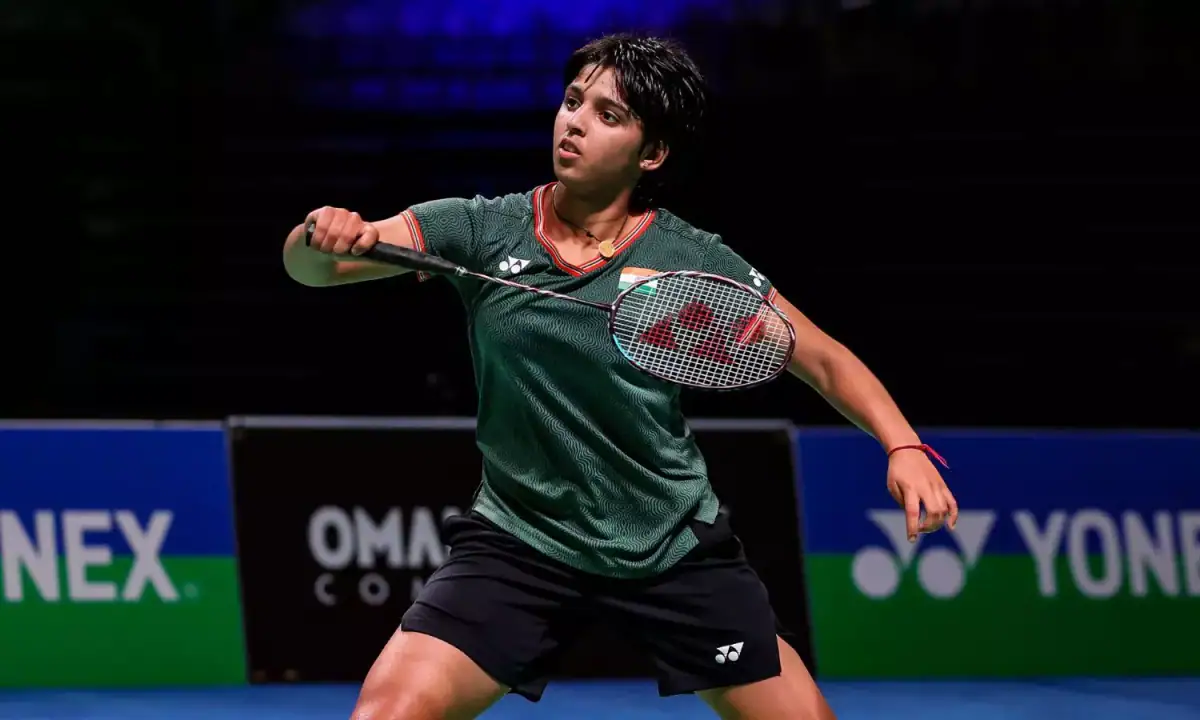
India's women's singles badminton programme is experiencing a significant transformation, with 10 players now occupying positions inside the BWF World Top 50 in the current live rankings.
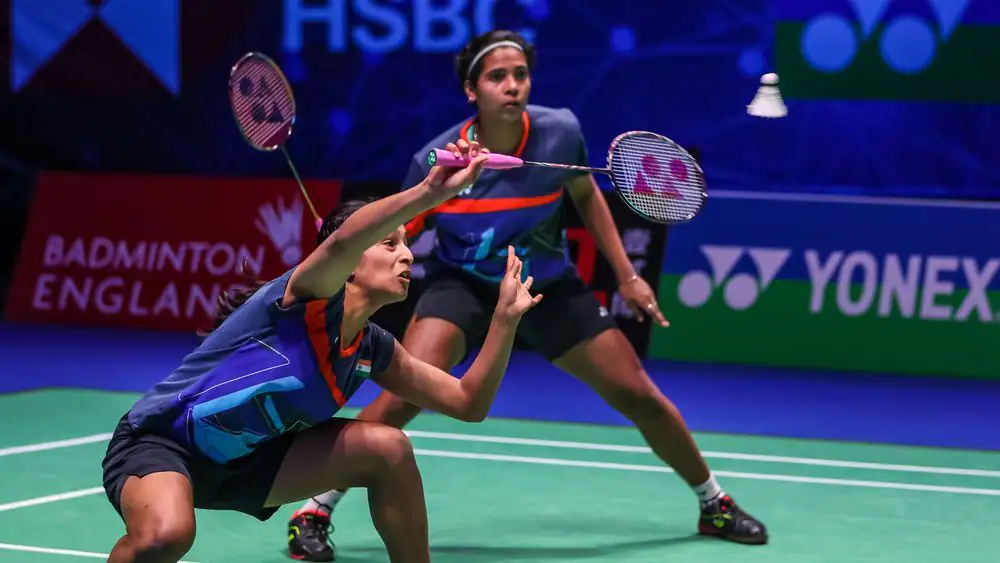
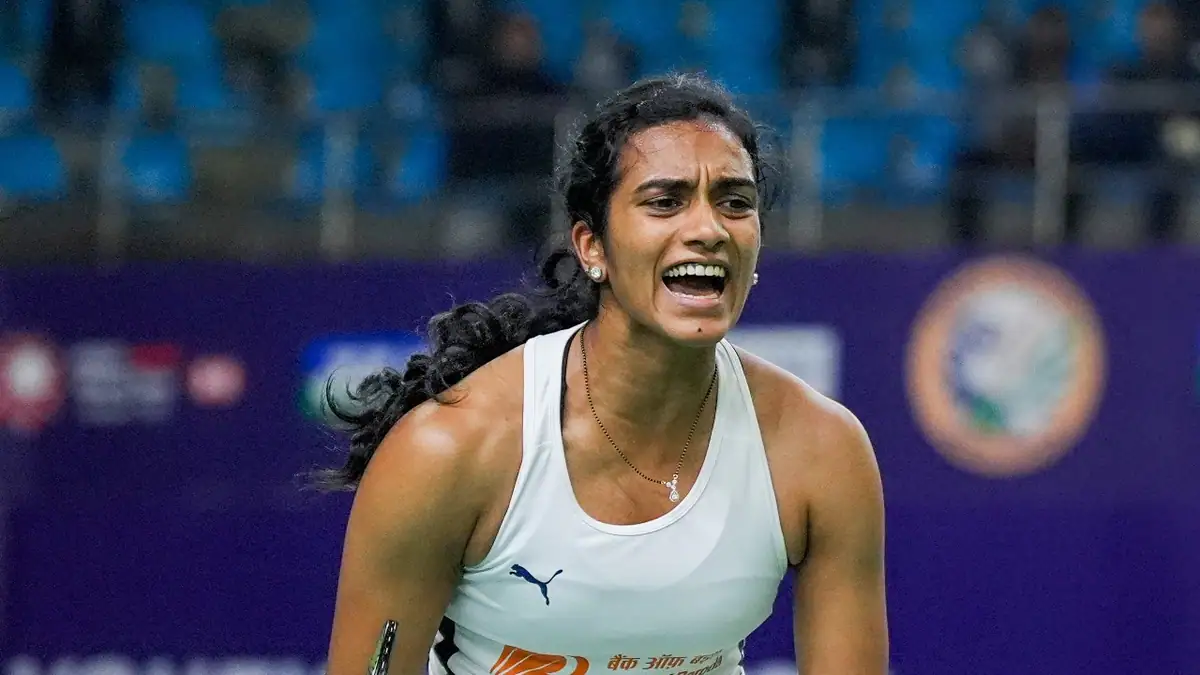
The group is led by two-time Olympic medallist and former world champion PV Sindhu at World No. 9, while Unnati Hooda, Tanvi Sharma, Devika Sihag, Isharani Baruah, Ashmita Chaliha, Rakshitha Ramraj, Malvika Bansod, Anmol Kharb and Shriyanshi Valishetty complete an unusually deep Indian presence in the global rankings.
The rankings currently stand as follows:
Player | Live World Ranking |
|---|---|
PV Sindhu | 9 |
Unnati Hooda | 26 |
Tanvi Sharma | 29 |
Devika Sihag | 33 |
Isharani Baruah | 37 |
Ashmita Chaliha | 39 |
Rakshitha Ramraj | 44 |
Malvika Bansod | 46 |
Anmol Kharb | 47 |
Shriyanshi Valishetty | 50 |
This is significant not merely because of the number, but because of the range of experience and age represented across the group.
For much of the modern era, India's women's singles badminton success was strongly associated with individual stars. Saina Nehwal established India as a major force at the top of the women's game before Sindhu took that position to another level, winning Olympic medals, a World Championship title and multiple major international tournaments.
The current ranking picture suggests a different model is beginning to emerge. India now has players distributed throughout the Top 50 rather than relying on one or two names. Sindhu provides the established elite presence, while players such as Hooda, Sharma, Sihag, Chaliha and Kharb represent different stages of the next generation.
The result is a broader competitive base capable of producing success across multiple tournaments.
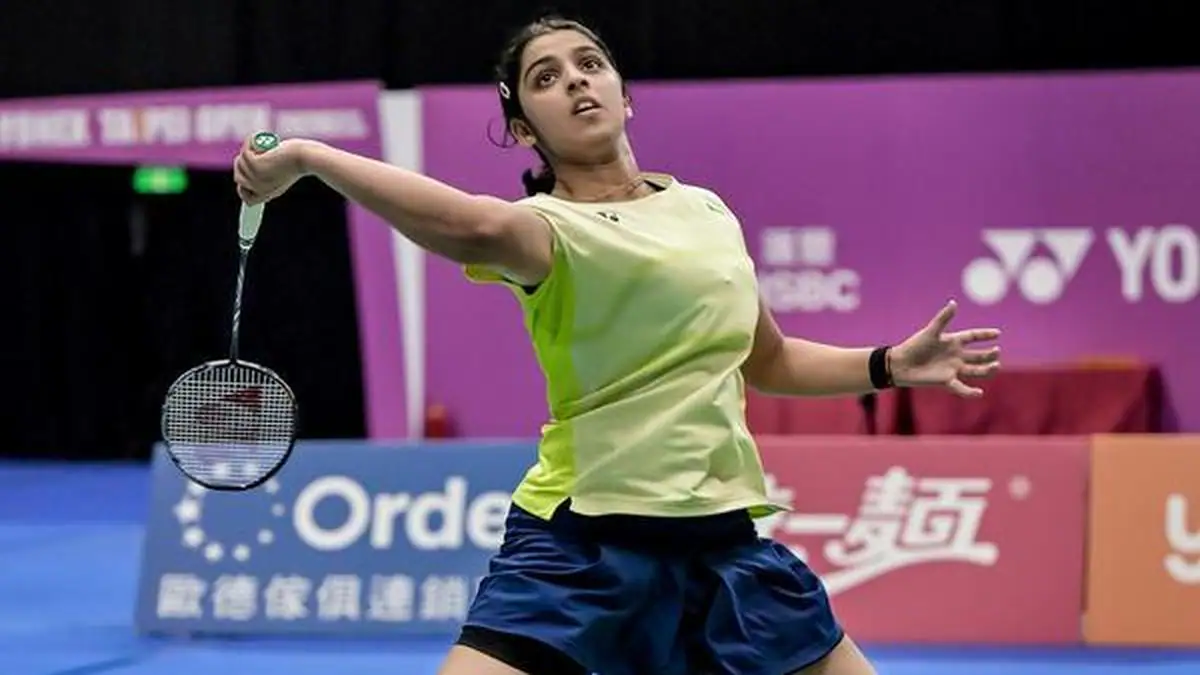
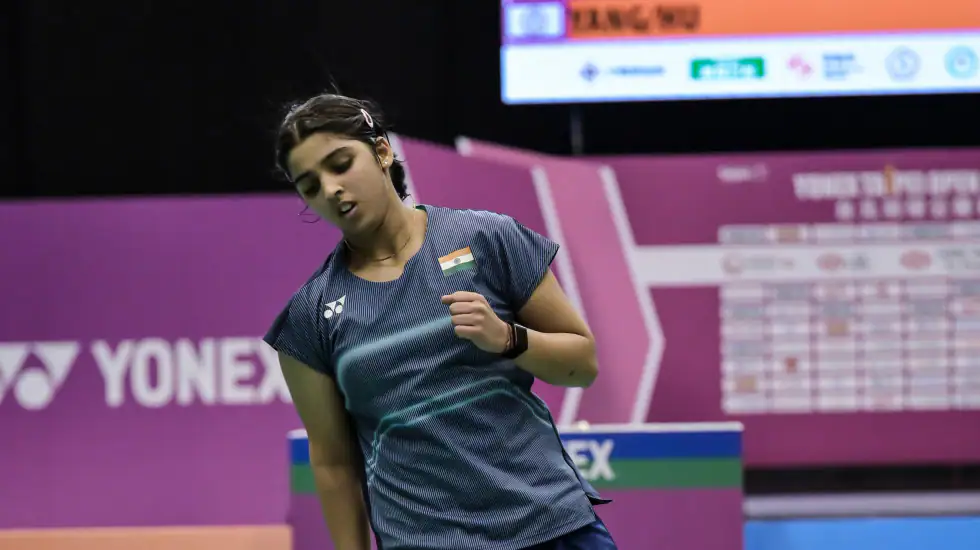
The ranking surge has been closely linked to a series of significant performances on the BWF World Tour. Devika Sihag began the breakthrough wave by winning the Thailand Masters Super 300, establishing herself among India's leading young women's singles players. Tanvi Sharma followed with a historic triumph at the Taipei Open Super 300, becoming the youngest Indian women's singles player to win a Super 300 title. Her performances across subsequent tournaments further strengthened her ranking position.
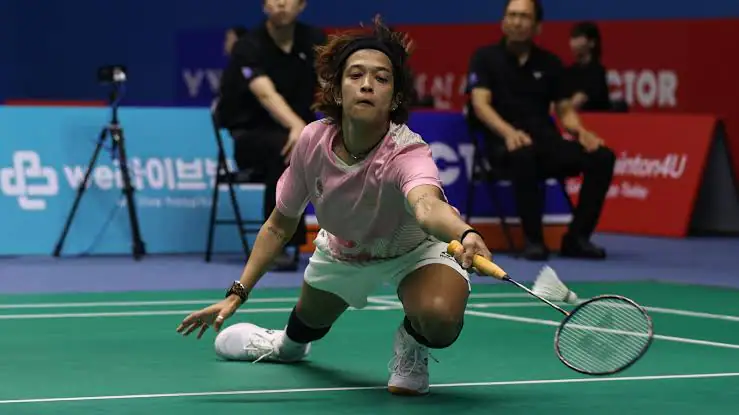
Ashmita Chaliha then produced perhaps the most important result of her career by winning the Korea Masters Super 300. The title lifted her to a career-high live ranking of World No. 39. Meanwhile, Shriyanshi Valishetty's runner-up finish at the Baoji China Masters Super 100 helped her break into the Top 50 at No. 50.
Isharani Baruah also demonstrated her consistency by reaching the semifinals of the Orléans Masters Super 300, while Unnati Hooda's run to the Taipei Open semifinals helped maintain her position at No. 26. These performances demonstrate that the rankings are being driven by actual tournament results rather than simply incremental movement.
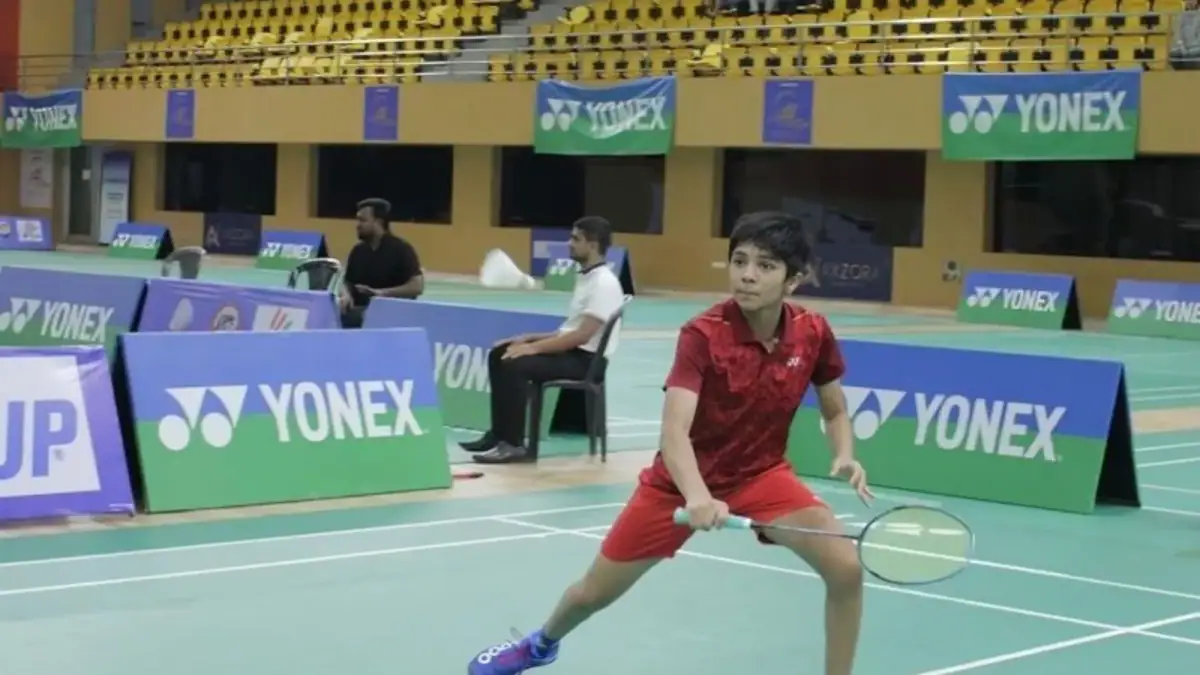
One of the most encouraging aspects of India's Top-50 representation is the age profile. Tanvi Sharma, Unnati Hooda, Devika Sihag and Anmol Kharb have all reached the Top 50 relatively early in their senior careers. That provides India with something it has not always possessed in women's singles: multiple young players simultaneously gaining experience against international opposition while accumulating ranking points.
Tanvi's emergence has been particularly notable. Her Super 300 title demonstrated that India's younger players can already convert opportunities into major titles, rather than simply reaching the later stages of tournaments. The presence of Anmol Kharb at No. 47 adds another promising name to the group, while Shriyanshi's arrival at No. 50 further expands the depth.
The rise of these players also reflects the increasingly decentralised nature of India's badminton development system.The current Top-50 group is spread across multiple high-performance environments. Prakash Padukone Badminton Academy in Bengaluru has a strong women's singles contingent, while Pullela Gopichand Badminton Academy in Hyderabad continues to develop elite prospects. The National Centre of Excellence in Assam and specialised setups in Haryana and Maharashtra further expand the national training network.
This decentralisation has another important consequence: increased domestic competition.
Young players training alongside established international athletes can experience higher-quality sparring without always needing to travel abroad. The combination of varied coaching philosophies and stronger training environments can accelerate the transition from junior badminton to the senior World Tour.
Having 10 players inside the Top 50 is a major milestone, but maintaining that depth will be considerably more difficult. The next objective is to convert Top-50 density into sustained Top-20 representation. The strongest BWF World Tour events, particularly the Super 750 and Super 1000 tournaments, feature significantly deeper fields. Players must consistently defeat established Top-20 opponents while managing the physical demands of a longer international season.
India's emerging players have already shown that they can win Super 300 titles. The next step is to reproduce that success at higher tournament levels.
There is also a practical challenge. With so many Indian players competing in similar tournament tiers, domestic matchups can occur early in international draws, limiting the ranking points available to the group.
Strategic tournament planning and workload management will therefore become increasingly important.
The current ranking picture represents more than a statistical milestone. PV Sindhu at No. 9 remains the established benchmark. But behind her, India now has nine more players inside the world's Top 50. That depth provides greater competition for selection, more potential title contenders and a wider pipeline of players capable of stepping into bigger roles.
The combination of established experience and emerging talent has created one of the strongest women's singles groups India has produced. If the younger players can successfully make the transition from Super 300 success to consistent performances at the upper levels of the World Tour, India's current Top-50 milestone could become the foundation for a much larger shift in the global women's singles landscape.
For now, the numbers tell a compelling story: 10 Indian women inside the BWF Top 50, led by Sindhu and backed by a generation that is rapidly closing the gap.
Comments (0)
to post comments, replies, and votes.
Loading comments…