India Target Improved Results as Asia Rugby Sevens Series Moves to Sri Lanka for Second Leg
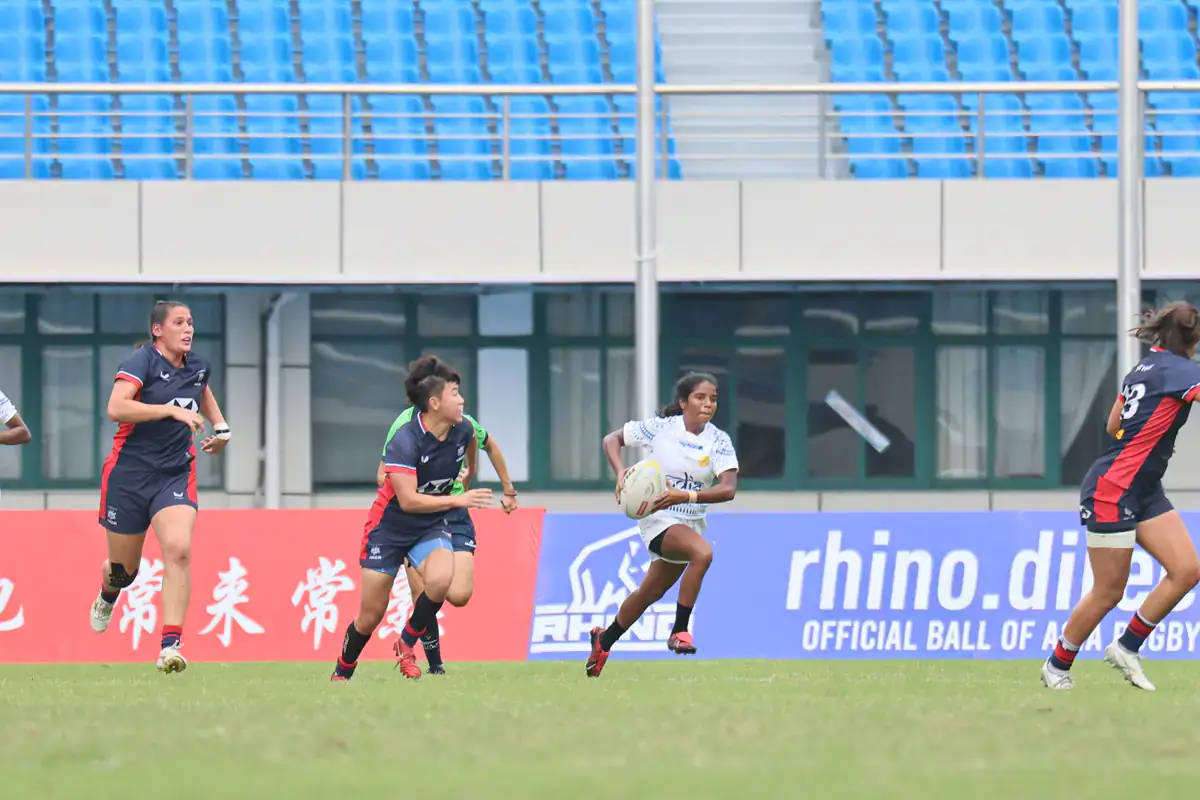
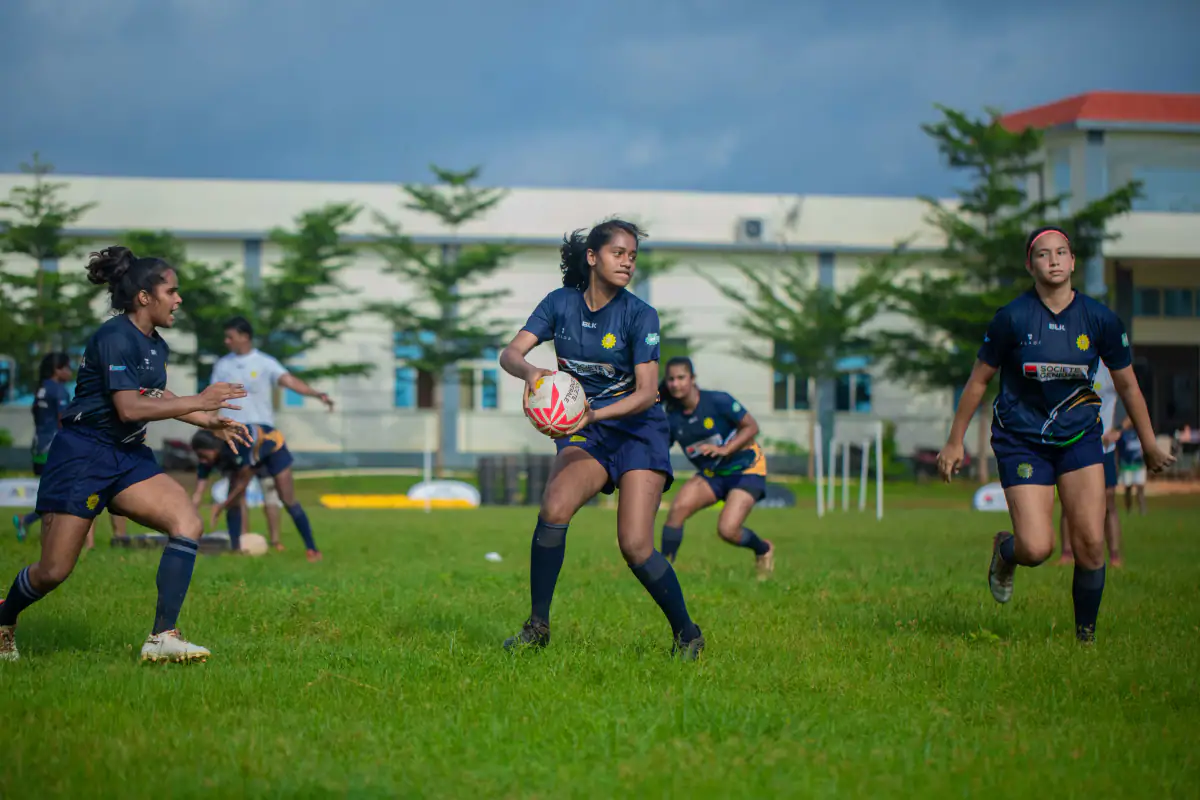
India's men's and women's rugby sevens teams will look to build on their opening-leg performances when the Asia Rugby Emirates Sevens Series 2026 moves to Colombo, Sri Lanka, on October 17 and 18.
With 12 teams competing in each category, the second and final leg will provide India with an opportunity to improve their standings and finish the series on a positive note.
The tournament will be held at the Racecourse Ground, with the Indian men's team drawn in Group A alongside hosts Sri Lanka, Hong Kong China and the United Arab Emirates (UAE). The women's team will compete in Group D against Japan, the UAE and Iran.
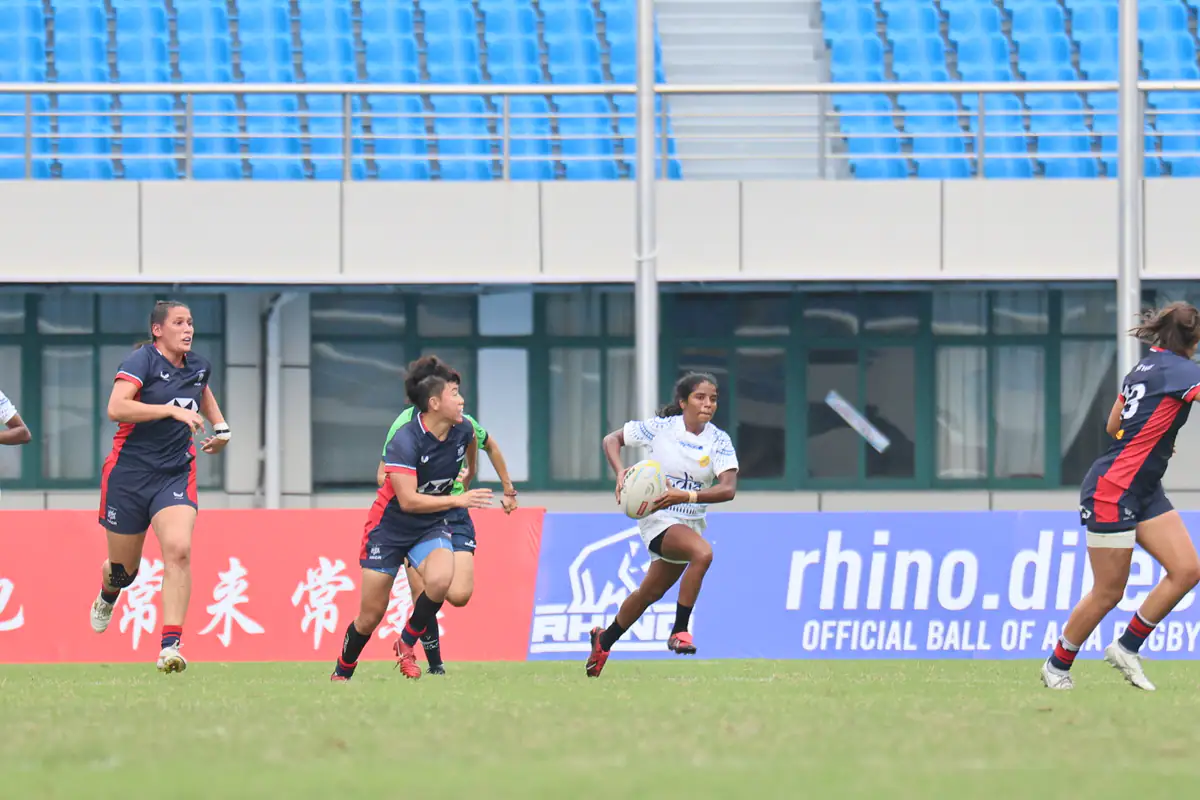
India arrive in Colombo after contrasting campaigns in the opening leg in Suzhou, China. The women's team finished sixth, maintaining their position among Asia's top six, while the men finished 12th after a difficult introduction to the competition at this level.
India's women's team will enter the Colombo leg aiming to maintain their progress against regional opposition while improving their performances against the continent's leading sides. In the opening leg in China, India defeated the UAE 14-10 and Iran 24-5 in the group stage. However, they suffered a 0-52 defeat against Japan before losing 0-17 to Hong Kong China in the quarter-final.
The team responded in the classification matches, defeating the UAE 19-0 before narrowly losing 12-17 to Kazakhstan to finish sixth. That result marked India's third consecutive sixth-place finish in the series, underlining the team's growing consistency. The challenge now is to turn that regular presence among the top six into stronger results against the highest-ranked sides.
Colombo presents both a familiar test and an opportunity for improvement. India will again meet the UAE and Japan, while Iran completes their Group D schedule.
The earlier victory over the UAE should provide confidence, although Japan demonstrated the scale of the challenge facing India with their dominant performance in China. Japan went on to defeat China 24-7 in the women's cup final, establishing themselves as the team to beat heading into the second leg.
India will need to improve their defensive organisation against Japan while maintaining the attacking efficiency that helped them defeat the UAE and Iran in Suzhou.
Men's Team Faces Challenging Group
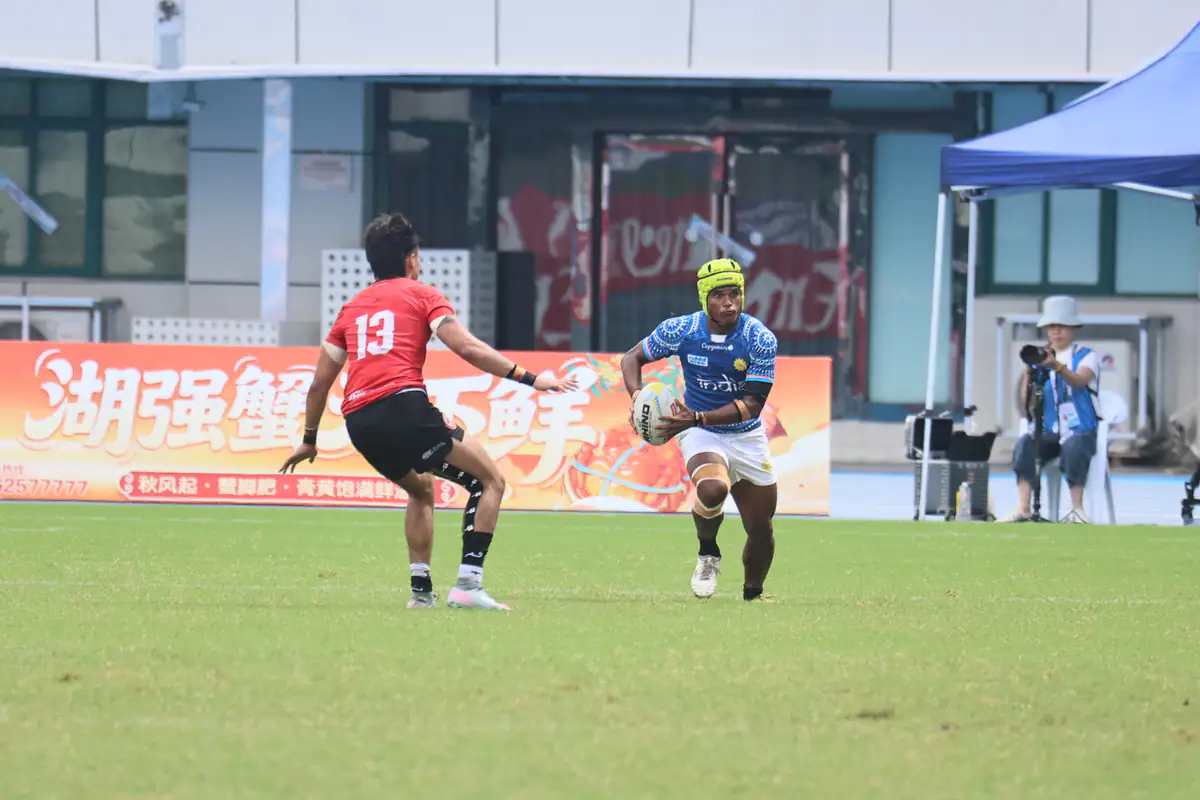
The men's competition will present a demanding assignment for India, who finished 12th in the opening leg after struggling against more experienced opposition. India began their campaign with a 0-46 loss to Japan before going down 14-35 against the UAE. Their final group match against Singapore ended in a 12-12 draw, providing a more competitive performance after the opening defeats.
The classification stage brought further disappointment. India lost 14-19 to Uzbekistan despite establishing a 14-0 first-half lead, allowing their opponents to score 19 unanswered points after the break. They subsequently suffered a 19-28 defeat against Kazakhstan.
The loss to Uzbekistan will be particularly relevant as India prepares for another demanding international assignment. Protecting leads, maintaining defensive discipline and sustaining their intensity across both halves will be important areas for improvement.
In Colombo, India will face Hong Kong China, the UAE and Sri Lanka in Group A. The draw offers an immediate opportunity to test their progress against a varied set of opponents, including the hosts in front of their home supporters. Hong Kong, China, will pose a particularly difficult challenge. They won the men's opening leg in Suzhou, defeating Japan 19-7 in the Cup final, and will arrive in Sri Lanka among the favourites.
For India, the priority will be to compete more consistently, reduce defensive errors and translate promising passages of play into results.
The second leg will also be significant for hosts Sri Lanka, who will look to make the most of home conditions in Colombo. Sri Lanka's men's side finished seventh in the opening leg in China. After losing to Japan in the Cup quarter-finals and Thailand in the classification round, they responded with a commanding 36-5 victory over Malaysia in the seventh-place match.
Their attacking performance in that match offers an indication of the challenge India could face. The hosts will be eager to improve on their opening-leg finish and deliver in front of their supporters.
With Hong Kong China, the UAE and India in the same men's group, the opening matches could prove crucial in determining which teams advance to the Cup competition and which enter the classification rounds.
The Colombo tournament is the final leg of the 2026 Asia Rugby Emirates Sevens Series, with the men's and women's champions set to be decided after the two-day competition. For India's women, the objective is to preserve their top-six consistency and challenge more effectively against stronger opposition. For the men, the focus will be on turning lessons from Suzhou into improved performances, particularly in the closing stages of matches.
The opening leg exposed areas requiring attention, but the second round offers a fresh opportunity. With both teams scheduled to face familiar opponents alongside a challenging group of rivals, India will need discipline, sharper execution and sustained intensity to make a stronger impression in Colombo.
The action begins on October 17, with the final day scheduled for October 18. India's performances across both categories will determine how the country concludes its campaign in this year's regional sevens series.
Comments (0)
to post comments, replies, and votes.
Loading comments…