India U-18 Hockey Teams Leave for Asia Cup 2026 in Japan After Strong Australia Exposure Tour
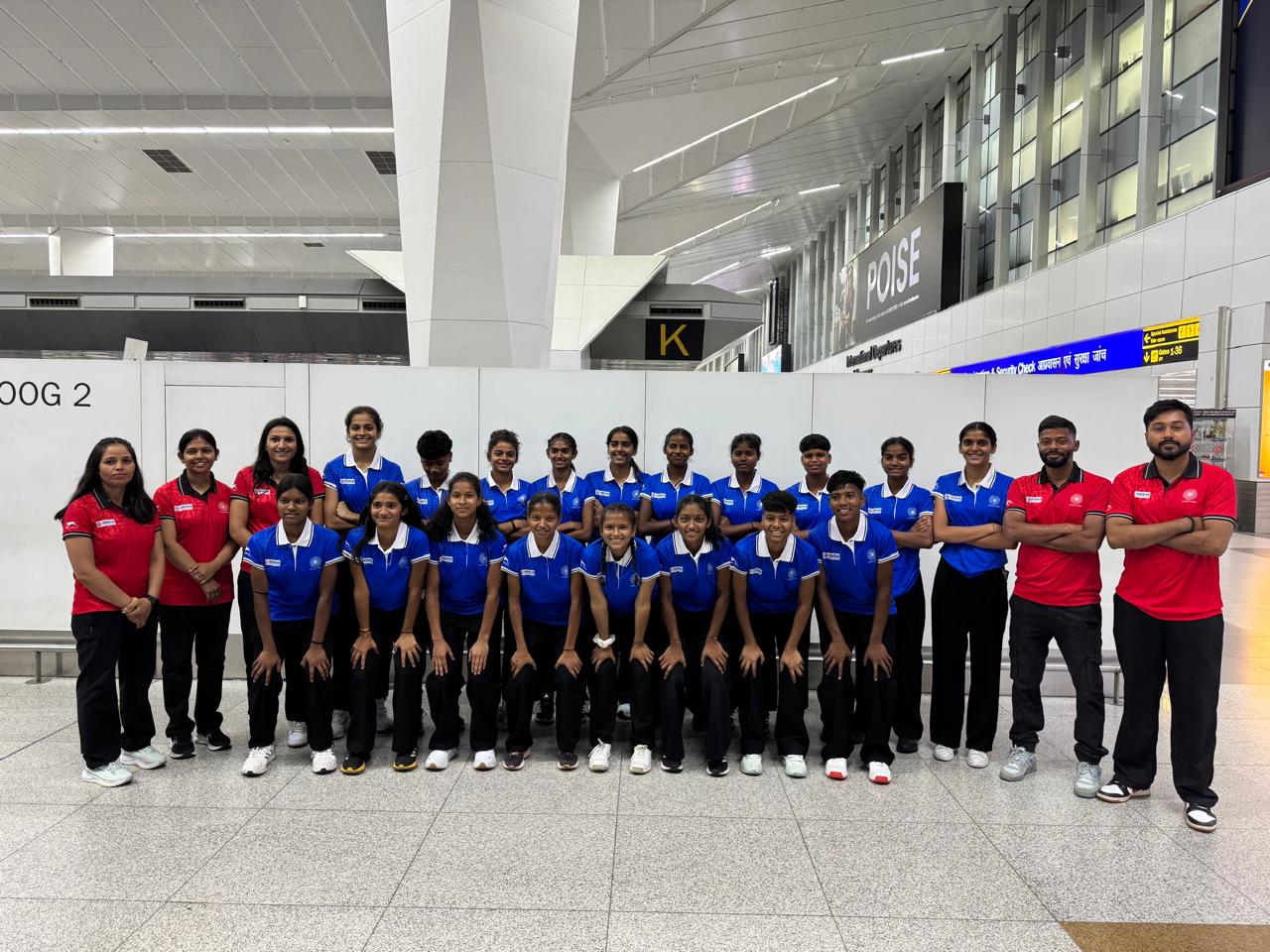
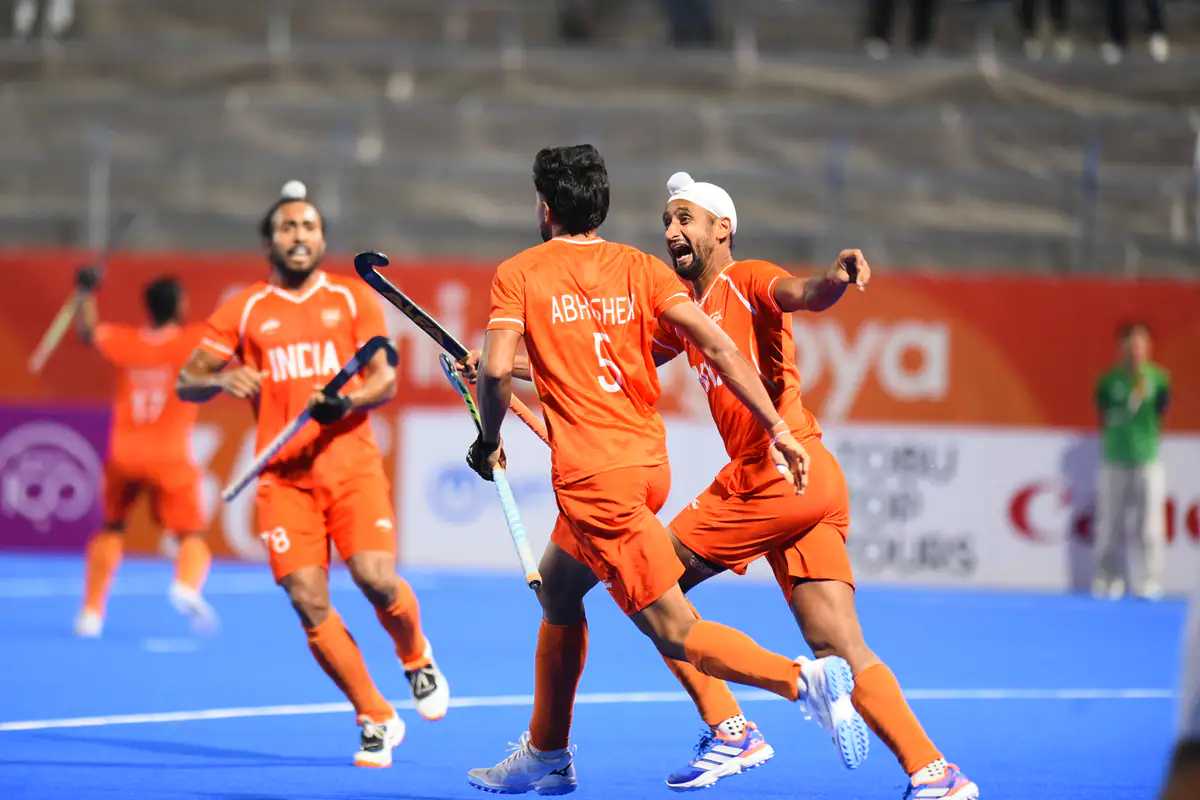
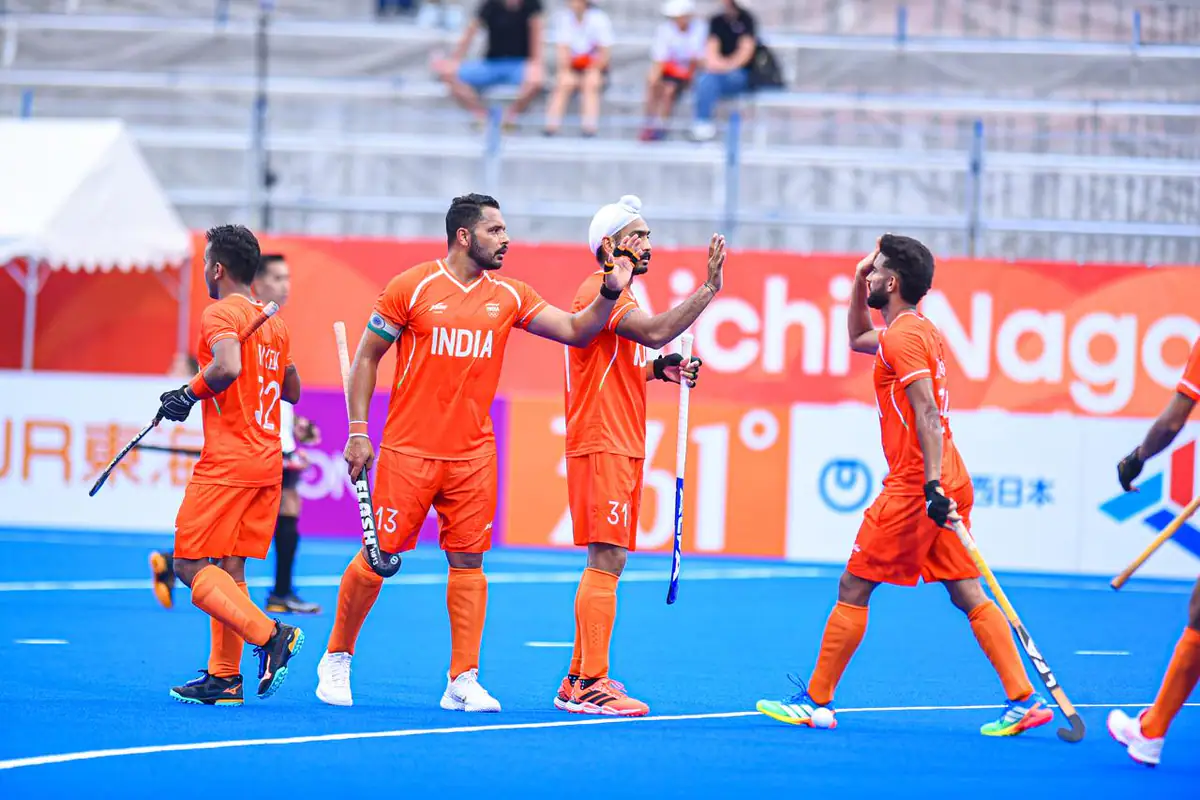
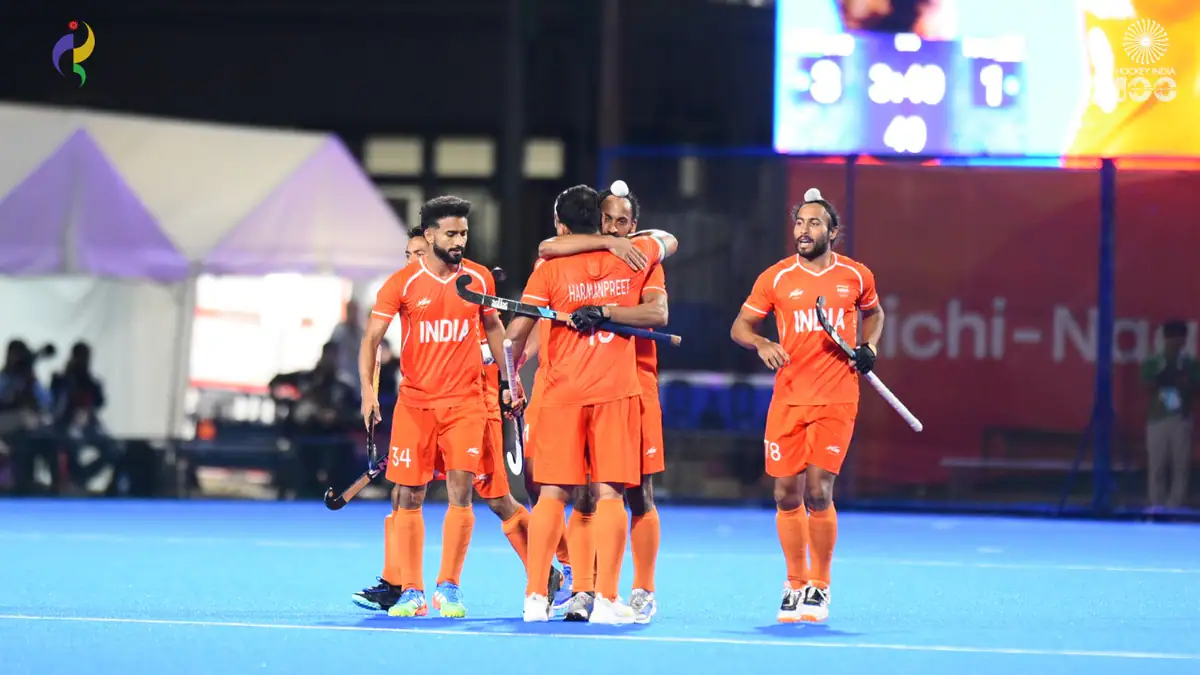
The India men's national under-18 hockey team and India women's national under-18 hockey team have departed for Kakamigahara, Japan, ahead of the U-18 Asia Cup 2026, with both teams aiming to continue India’s strong legacy in Asian junior hockey.
The tournament, scheduled from May 29 to June 6, will bring together some of the continent’s best emerging hockey talent and serve as an important platform for the next generation of Indian players preparing for future senior international careers. The men’s team left from Delhi on Monday evening, while the women’s squad departed on Tuesday morning after completing month-long preparation camps in Bhopal.
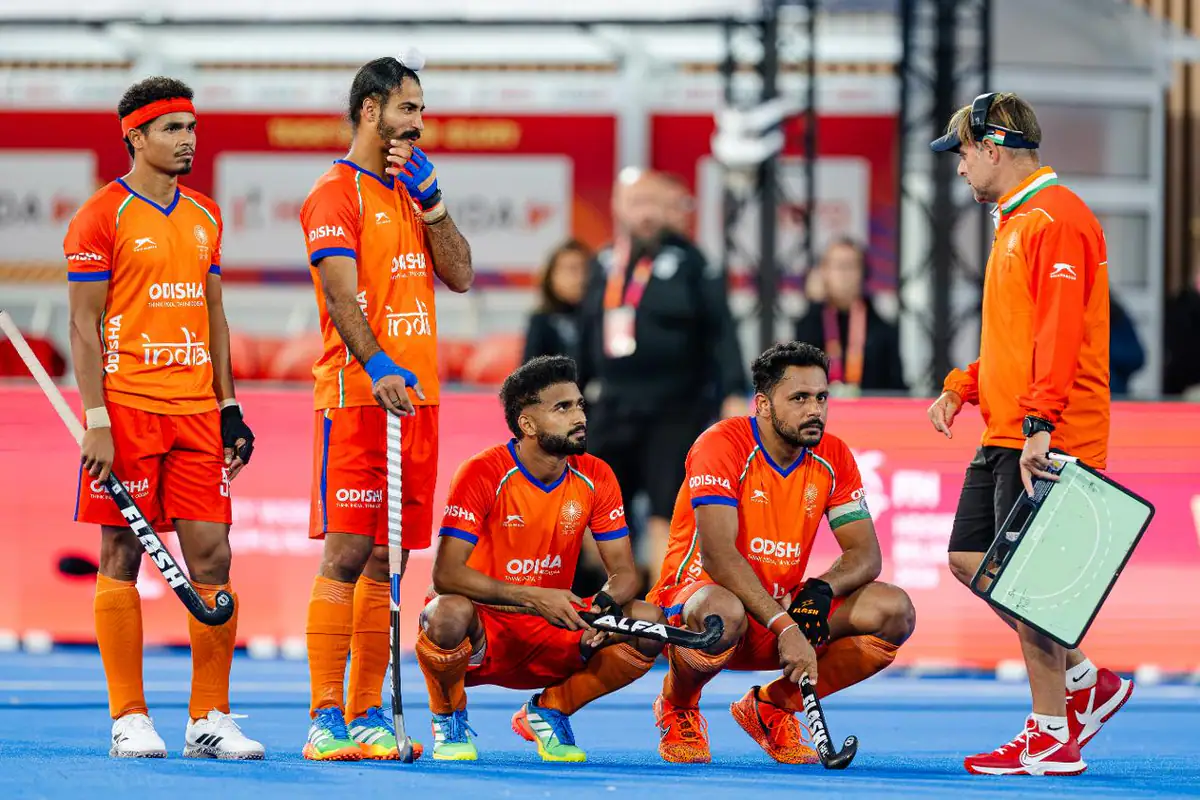
Both Indian teams underwent extended national coaching camps at the Udhav Das Mehta (Bhai Ji) Central Centre at SAI Bhopal. The camps focused heavily on tactical structure, match conditioning, penalty corner systems and team combinations ahead of the continental competition. The men’s coaching setup includes former Indian captain Sardar Singh alongside Rajnish Mishra, while the women’s side is being guided by former Indian captain Rani Rampal.
The presence of former international stars within the coaching structure reflects Hockey India’s increasing emphasis on mentoring young athletes through elite-level experience.
One of the biggest aspects of India’s preparation came through exposure matches against the visiting Australian U-18 teams in Bhopal. Both the Indian men’s and women’s squads played four-match series against Australia, giving the players crucial experience against physically strong and tactically disciplined opposition.
The Indian men’s team recorded one victory, one defeat and two draws during the series, showing competitiveness across all four encounters.
Meanwhile, the Indian women’s team finished their series with an important confidence-boosting victory.
For junior teams, these exposure matches are often as important as domestic training camps because they simulate the pace, physical intensity and tactical pressure of international hockey.
The coaching staff repeatedly highlighted the value of those matches in helping players understand both their strengths and areas requiring improvement before heading into the Asia Cup.
Forward Ketan Kushwaha will captain the Indian men’s U-18 side during the tournament. India have been placed in Pool A alongside Kazakhstan, hosts Japan, Korea and Chinese Taipei. The team opens its campaign against Kazakhstan on May 29 before facing Japan on May 31, Korea on June 1 and Chinese Taipei on June 3.
Pool B features Malaysia, Pakistan, Bangladesh and China.
The top two teams from each pool will advance to the semifinals scheduled for June 5, while the final will take place on June 6. Speaking before departure, Ketan described the opportunity to represent India at the Asia Cup as both an honour and a major responsibility. The captain also pointed to the Australia matches as valuable learning experiences that helped strengthen understanding within the squad both on and off the field.
The Indian women’s team will be captained by Sweety Kujur. The women’s squad has been drawn in Pool A and will begin their campaign against Malaysia on May 30 before taking on Korea the following day. Their final pool-stage fixture will come against Singapore on June 2.
Like the men’s competition, the top two teams from each group will qualify for the semifinals.
The women’s camp in Bhopal focused heavily on fitness, tactical execution and building on-field combinations, particularly in transition play and defensive organisation.
Sweety Kujur expressed confidence in the squad ahead of the tournament, stating that the team had developed strong chemistry during preparation and gained valuable confidence after the Australia series victory.
The U-18 Asia Cup carries significant importance beyond immediate results. At junior level, continental tournaments serve as a critical development stage where young players transition from domestic systems into structured international hockey environments. For India specifically, these age-group tournaments are central to maintaining the country’s long-term talent pipeline.
Several current senior internationals first gained major exposure through U-18 and junior Asian competitions before progressing into the national setup. The tournament also offers young players the chance to experience pressure situations, knockout hockey and tactical adaptability against different Asian playing styles.
Historically, India have remained one of Asia’s strongest junior hockey nations, consistently producing technically skilled and fast-paced teams at youth level. However, competition across Asia has intensified significantly over the last decade. Countries like Japan, Korea, Malaysia and China have heavily invested in youth hockey development, while Pakistan continue to remain unpredictable opponents at junior level despite inconsistent senior performances.
That means India cannot rely purely on reputation.
For both Indian teams, the immediate target will be reaching the semifinals and competing for medals. But equally important will be the development of future senior internationals capable of sustaining India’s global competitiveness over the next decade. The exposure against Australia has already provided one major learning phase. Now, the Asia Cup offers the opportunity to test those improvements under tournament pressure.
And with experienced former internationals guiding the squads, India will hope their next generation can once again prove why the country remains one of Asia’s strongest hockey development systems.
Comments (0)
to post comments, replies, and votes.
Loading comments…