Indian U17 Football continental struggles continue
.png)
The disappointment continues for India U17 Football under the coach Bibiano Fernandes on the continental stage.
As North Korea had withdrawn earlier, India were grouped with Australia and Uzbekistan in Group D of this year’s AFC U17 Asian Cup. While a spot for the U17 World Cup 2026 was at stake, even just one win from their two group games could have been enough for India to seal a spot in the World Cup on merit for the very first time.
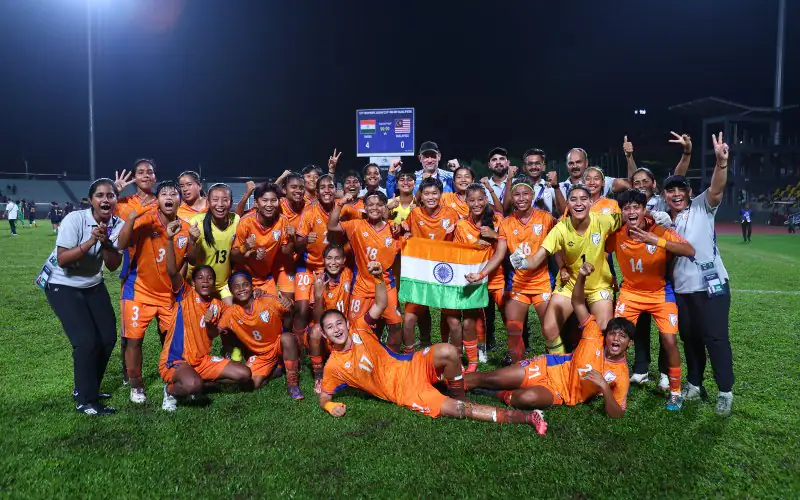
Things started off well back in last September when the Bibiano-led side won the SAFF U17 Championship in Sri Lanka, beating Bangladesh in the final in a dramatic tiebreaker after winning all three group-stage games. After that positive run of games, the All India Football Federation (AIFF) managed to arrange an exposure tour to Europe for this batch, followed by a few more friendlies before flying to Jeddah for their group games.
The whole group of boys were mostly impressive across the international friendlies. They faced the likes of Qatar, Indonesia, South Korea, UAE and Tajikistan, all of whom played in the last edition of the FIFA U17 World Cup. India played out two draws against Qatar, won against the UAE before suffering a heavy 1-5 defeat. They also suffered a narrow 1-2 defeat against South Korea.
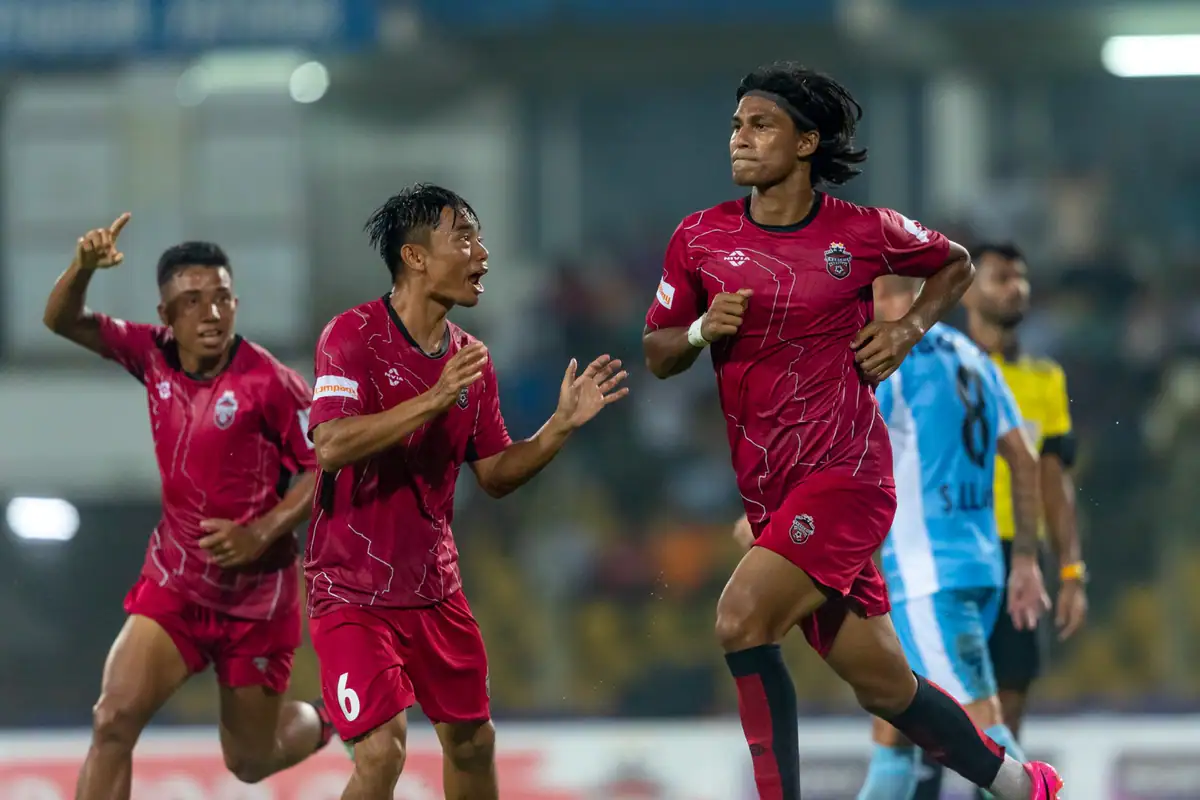
A major positive from this phase was that the young players were able to find the back of the net consistently, irrespective of the level of opposition. The Indian side showed dominance in phases and scored three and two goals against Indonesia and Thailand respectively, indicating attacking promise going into the tournament.
After finishing their set of friendlies on a positive note, Team India faced a reality check in their group stage opener against Australia, who were also seeking a World Cup spot after missing the last two editions. The Australian side started strongly and secured a 4-0 victory without being stretched.
India’s defence was unable to settle early in the match as Australia took the lead through Luke Becvinovski in the fifth minute, before doubling their advantage. The Blue Colts attempted to respond and created a few chances, but were unable to convert any of them. Australia, on the other hand, utilised their opportunities efficiently and added two more goals, leaving India struggling to recover.
Following the defeat in their opening match, Bibiano Fernandes’ side faced defending champions Uzbekistan in a do-or-die encounter. However, the pattern of play remained similar, with India unable to impose themselves effectively.
The team’s morale took a hit after conceding a penalty in the first half. Laziz Abduraimov converted from the spot to give Uzbekistan the lead, with Indian goalkeeper Rajrup Sarkar unable to make the save despite diving in the right direction. Uzbekistan extended their lead after India’s Wangkhem Denny Singh scored an own goal, putting the opposition firmly in control.
Uzbekistan continued to dominate and added a third goal in the 79th minute, sealing a 3-0 win and confirming their qualification for the World Cup later this year in Qatar.
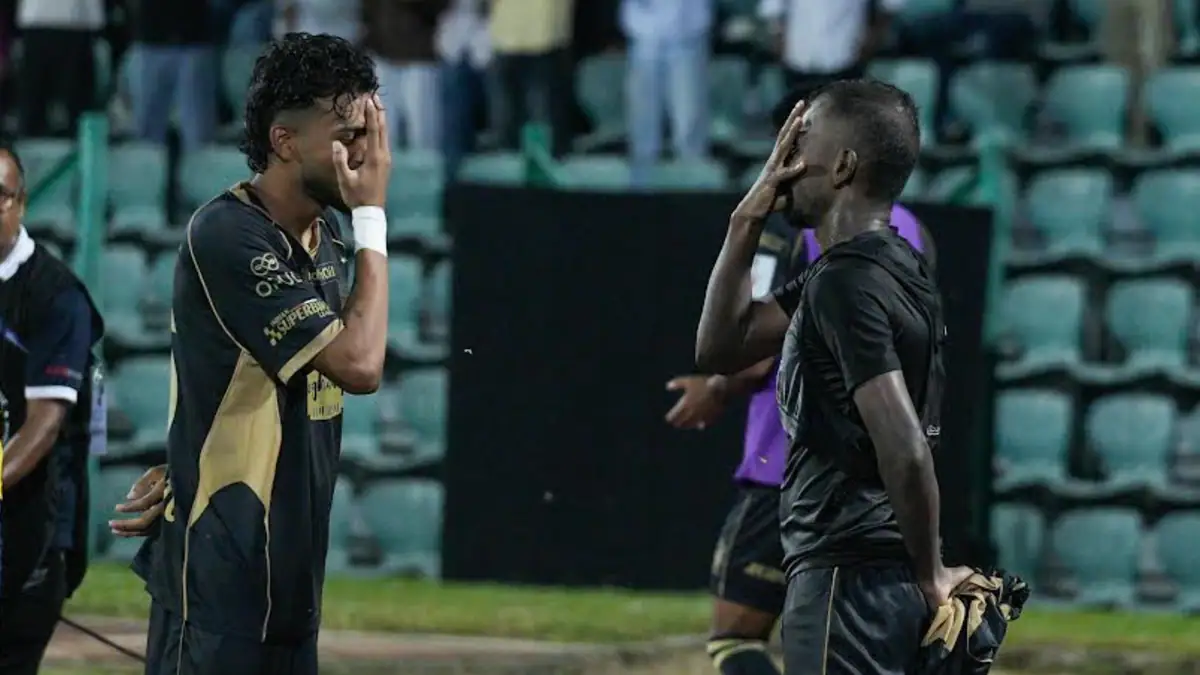
Across both matches, India struggled with consistency in performance. Individual lapses and inability to maintain structure over the course of the game proved costly. Players such as Dallalmuon Gangte and Gunleiba Wangkheirakpam were unable to deliver consistent performances across the two group stage matches, which affected the overall balance of the team.
India’s recent best performance at this level remains the 2018 edition, when they reached the quarter-finals before losing narrowly 1-0 to South Korea. That campaign was also under Bibiano Fernandes and remains a reference point for the current generation.
Despite the preparation, including exposure tours and competitive friendlies, the transition from preparation to execution at the continental level continues to be a challenge. The gap in consistency, particularly in defensive organisation and game management, remains evident when facing stronger opponents.
The campaign ends without progression, but it highlights areas that require attention as India continues to build its youth football structure.
Comments (0)
to post comments, replies, and votes.
Loading comments…