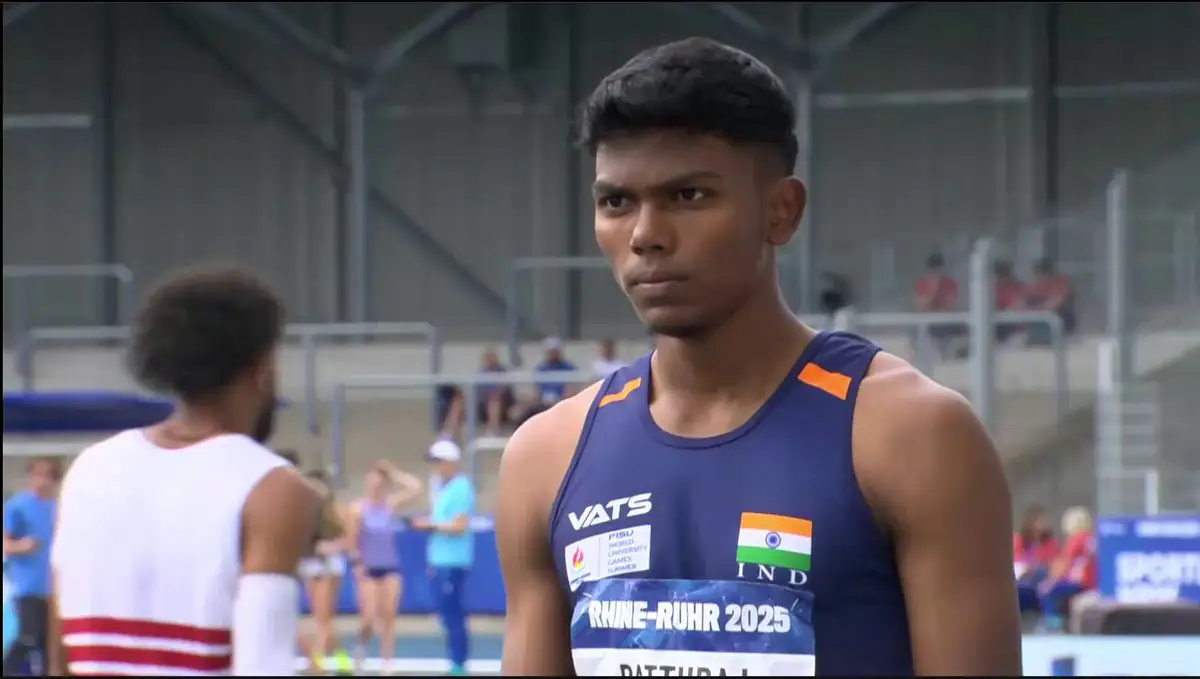
Pushpa Rana Leads India’s Women’s Kabaddi Team in Asian Games 2026 Gold Medal Defense
 Follow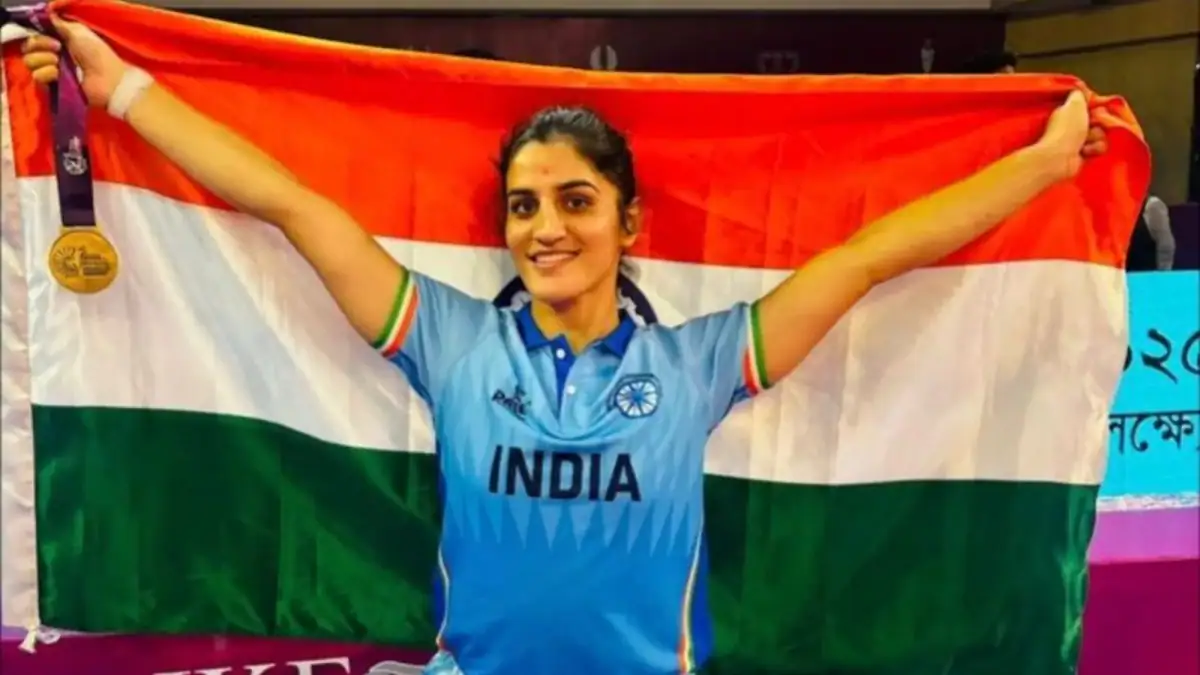
India’s women’s Kabaddi team will enter the 2026 Aichi-Nagoya Asian Games with a clear objective: defend the gold medal won at Hangzhou.
Leading that challenge will be Captain Pushpa Rana, who has been entrusted with the responsibility of guiding the 12-member Indian squad at the continental showpiece. For Rana, who is taking on the captaincy for the first time, the expectations surrounding the defending champions are being viewed as motivation rather than pressure.
India has traditionally been one of the dominant forces in Kabaddi at the Asian Games, winning 11 gold medals overall, including three in the women’s event. The women's team will now look to add another gold to that record after their dramatic triumph at the previous edition.
At Hangzhou, India edged Chinese Taipei 26-25 in a closely fought final to claim the gold medal.
Rana's appointment as captain marks an important step in her international career. Having previously served as vice-captain, she enters the tournament with an understanding of the demands of leading an Indian Kabaddi team.
However, she is not approaching the responsibility alone. Rana has highlighted the importance of senior players Ritu Negi and Sonali Shingate, both of whom have experience of leadership roles within the team.
“I rely a lot on the seniors because they are already captains like Ritu Negi and Sonali Shingate. So, their advice is very important to me,” Rana said. That blend of experience and new leadership will be crucial as India navigate what is expected to be a competitive tournament.
India's preparation has included detailed analysis of opponents as well as work on weaknesses identified by the coaching staff. Rana said the team has been practising according to different match situations while also analysing videos of upcoming opponents. The coaching staff has also worked with the players on shortcomings from previous matches. “First of all, we practice according to the situation. We also analyse the videos of the upcoming matches. Our coaches also tell us about the shortcomings of the past and what needs to be improved,” Rana explained.
The approach is designed to ensure the team enters the Asian Games with both tactical preparation and familiarity with the challenges posed by its opponents. Rana has specifically identified Chinese Taipei as one of the teams to watch, with memories of the one-point Hangzhou final still fresh.
India's recent success has further strengthened the team's belief heading into Aichi-Nagoya. The Indian women's team won the World Cup in November 2025, adding another major title to its record.
For Rana, the achievements of previous generations and the current team create motivation to continue that momentum. “When our seniors have already done a good job, they have made their own history, so it is up to us to maintain that momentum,” she said. Rather than allowing the defending champions tag to become a burden, Rana believes the responsibility can provide additional motivation.
Pooja Kajla Wants Gold to Inspire Young Girls
Among the experienced players in the squad is Arjuna awardee Pooja Kajla, who sees the Asian Games campaign as an opportunity to influence the next generation of Indian women in sport. Kajla believes another gold medal could encourage more young girls to take up sport and persuade families to support their ambitions. “First of all, it is very important to win gold at the Asian Games. Along with that, as we talk about the girls of the cricket World Cup, there are also juniors who are very inspired by the success of Indian women in sport,” Kajla said.
For her, success at Aichi-Nagoya would therefore have significance beyond the medal itself.
The Indian players have also benefited from a dedicated strength and conditioning camp organised jointly by the Amateur Kabaddi Federation of India (AKFI) and Mashal Sports, the organisers of the Pro Kabaddi League. Kajla highlighted the importance of the sessions, particularly those focused on recovery and sleep.
“They gave us a few more classes on sleep and recovery. So, I got to learn a lot from there,” she said. With Kabaddi demanding repeated bursts of explosive movement, physical contact and rapid recovery between matches, these aspects can form an important part of tournament preparation.
The women's Kabaddi competition at the 2026 Asian Games begins on September 21, with India opening their Group A campaign against Bangladesh. India will then face Iran on September 23 before taking on hosts Japan on September 24. The semi-finals are scheduled for September 25, followed by the gold medal match on September 26.
Indian Women’s Kabaddi Team
Pushpa Rana (Captain), Ritu Negi, Sonali Shingate, Sanju Devi, Pooja Kajla, Ritu Sheoran, Jyoti Thakur, Pinki Roy, Maanisha Kumari, Bhavna Thakur, Raj Rani and Nikita Kumari.
For Rana and her teammates, the objective is clear. India arrive as defending champions with a strong recent record, but the Asian Games will provide a new test.
With preparation centred on tactical analysis, match situations, physical conditioning and the experience of senior players, the Indian women's Kabaddi team will look to complete another successful campaign and retain the gold medal in Aichi-Nagoya.
Comments (0)
to post comments, replies, and votes.
Loading comments…