Rakshitha Sree Santosh Ramraj Outlasts Tanvi Sharma to Set Up All-Indian Korea Masters Semi-final
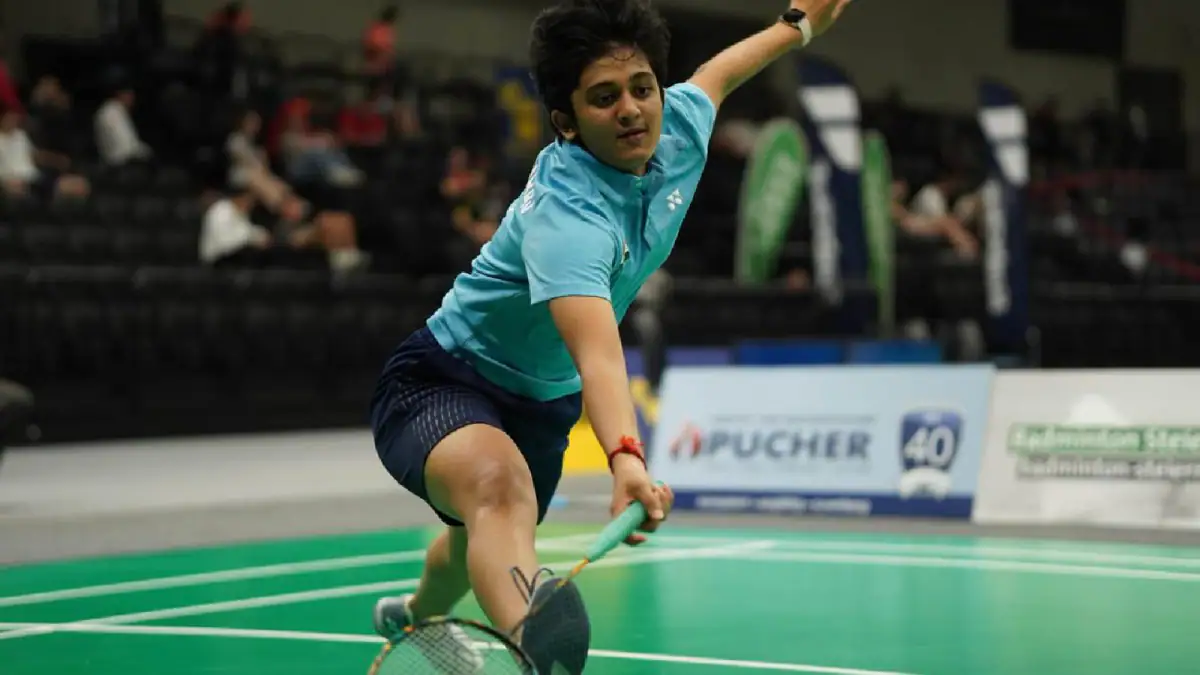
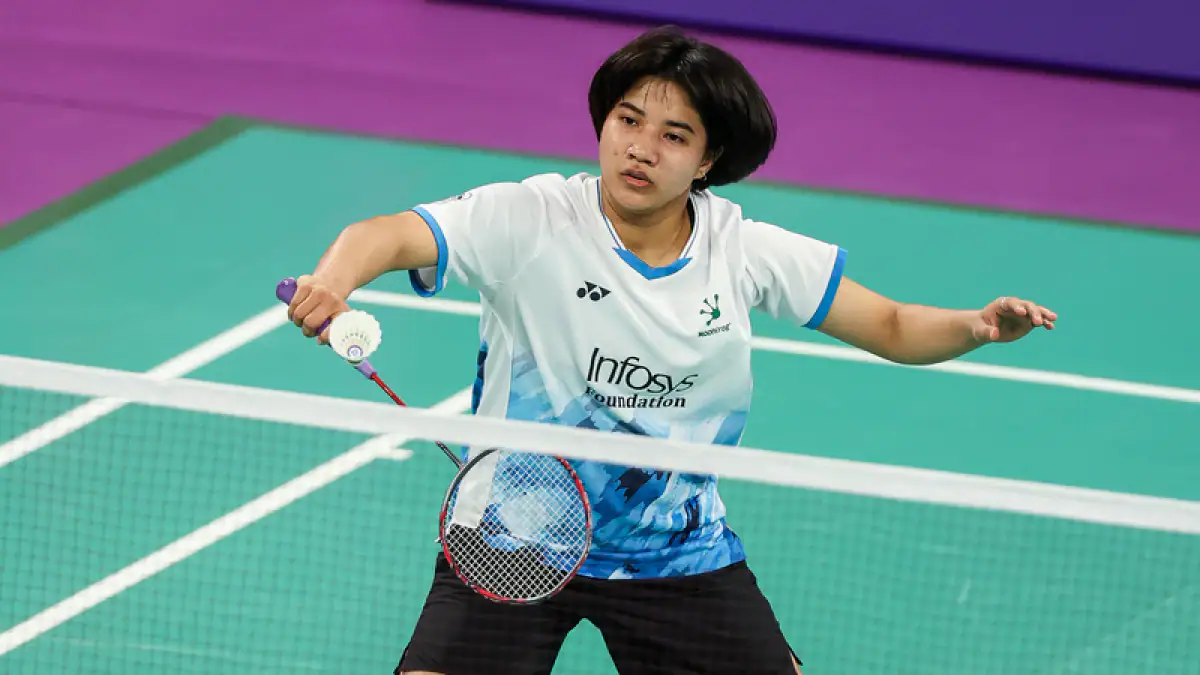
Indian badminton is guaranteed a place in the women's singles final of the Korea Masters 2026 after Rakshitha Sree Santosh Ramraj overcame fellow teenager Tanvi Sharma in a gripping all-Indian quarterfinal in Asan.
The 19-year-old Rakshitha emerged victorious 21-18, 19-21, 21-18 after more than an hour of high-quality badminton, booking her place in the semifinals where she will meet compatriot Ashmita Chaliha. The result ensures India will have at least one representative in the final of the BWF Super 300 event.
While Rakshitha celebrated one of the biggest victories of her career, the match also served as another reminder of the immense talent emerging in Indian women's badminton. Two teenagers produced an entertaining contest filled with spectacular winners, momentum swings and intense rallies, offering a glimpse into the future of Indian badminton.
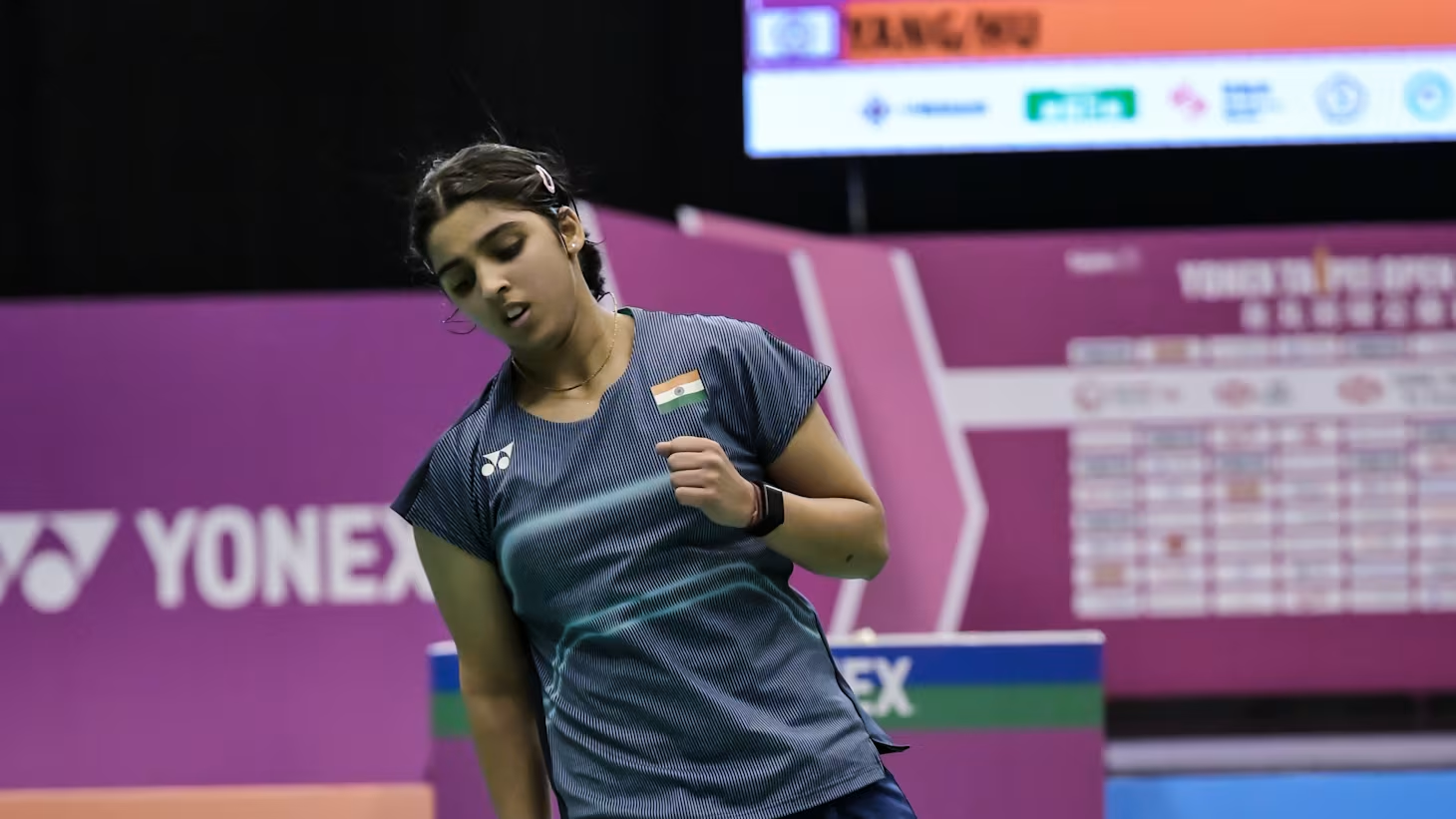
The quarterfinal was more than just another knockout match. It brought together two of India's brightest young prospects, both looking to continue their impressive runs on the BWF World Tour. Tanvi entered the tournament carrying enormous confidence after becoming the youngest-ever Taipei Open Super 300 champion just a week earlier. Her remarkable title-winning run had established her as one of the most exciting teenage talents in world badminton.
Rakshitha, meanwhile, had quietly built momentum through consistent performances and arrived in Asan determined to prove she could challenge the country's most talked-about young star. Their familiarity with each other's games produced a contest that was both tactically fascinating and technically impressive.
The opening game reflected the quality expected from two players who have spent years competing against each other on the domestic circuit.
Both players showcased exceptional court coverage and produced several breathtaking winners, with neither able to establish a significant lead for long periods. Rakshitha, however, remained marginally more composed during the crucial closing stages. Her consistency from the baseline and ability to extend rallies forced Tanvi into taking greater risks, eventually helping her edge the opening game 21-18.
The result placed early pressure on the 17-year-old Tanvi, who needed another comeback after already surviving difficult moments earlier in the tournament.
Champions often reveal their character after setbacks, and Tanvi once again demonstrated why she is regarded as one of India's brightest badminton talents. The second game saw the teenager rediscover the aggressive attacking style that had carried her to the Taipei Open title. Her movement became sharper, her net play more decisive and her attacking strokes carried greater precision.
Although Rakshitha continued to compete fiercely, Tanvi managed to stay ahead during the decisive points, eventually taking the game 21-19 to force a deciding third game. At that stage, the momentum appeared to have shifted in Tanvi's favour.
The deciding game ultimately came down to one critical difference—consistency. Both teenagers continued producing moments of brilliance, exchanging powerful smashes, delicate net shots and remarkable defensive retrievals. However, while Rakshitha largely maintained her rhythm, Tanvi struggled to eliminate the unforced errors that had periodically affected her performance throughout the match.
Several routine mistakes arrived at crucial moments, allowing Rakshitha to build small but valuable leads. Despite repeatedly fighting back, Tanvi was unable to completely erase those deficits. Rakshitha remained composed under pressure and closed out the deciding game 21-18, completing an impressive victory over one of the tournament favourites.
The result also improved her head-to-head record against Tanvi, underlining her ability to perform against fellow Indian rivals.
Although the defeat ends Tanvi's impressive run, it is unlikely to overshadow the remarkable progress she has made over the past fortnight. Winning the Taipei Open and reaching another World Tour quarterfinal immediately afterwards represents an outstanding achievement for a 17-year-old still developing her game.
The Korea Masters, however, also exposed the next area of improvement in her development. Throughout the match, Tanvi demonstrated that she possessed the attacking quality to dominate long spells against Rakshitha. Yet, repeated lapses in concentration and a high number of unforced errors prevented her from sustaining that level over three games.
At the highest level of badminton, consistency often separates good players from elite players. Reducing those sudden fluctuations in rhythm and improving shot selection during pressure situations could become the next step in Tanvi's evolution. Given her age and rapid progress, there is every reason to believe those improvements will come with experience.
Rakshitha's reward is another challenging encounter against fellow Indian Ashmita Chaliha.
Ashmita reached the semifinals earlier in the day after producing one of the biggest upsets of the tournament, defeating top seed and World No. 22 Hina Akechi of Japan in three games. With both Indians now through, the Korea Masters is guaranteed to feature an Indian finalist.
For Rakshitha, the semifinal represents an opportunity to reach the biggest final of her career. For Ashmita, it offers another chance to continue her impressive comeback season. Regardless of who progresses, Indian badminton has already emerged as one of the biggest winners of the tournament.
The performances of Rakshitha, Tanvi and Ashmita once again highlight the remarkable depth developing within Indian women's badminton. Established players continue to compete at the highest level, while a new generation of teenagers is consistently reaching the latter stages of international tournaments. Rakshitha's victory over Tanvi may have ended one impressive campaign, but it also reinforced the exciting future awaiting Indian badminton.
At just 19 years of age, she demonstrated composure, tactical maturity and resilience under pressure to reach the Korea Masters semifinals. Combined with Tanvi Sharma's breakthrough season and Ashmita Chaliha's resurgence, India's women's singles pipeline appears stronger than ever.
With an all-Indian semifinal now set in Asan, attention turns to who will earn the opportunity to compete for the Korea Masters 2026 title, while the broader picture remains equally encouraging—Indian badminton's next generation is already making its presence felt on the global stage.
Comments (0)
to post comments, replies, and votes.
Loading comments…