Sujeet Kalkal Targets World Championship Glory in a Star-Studded 65kg Field
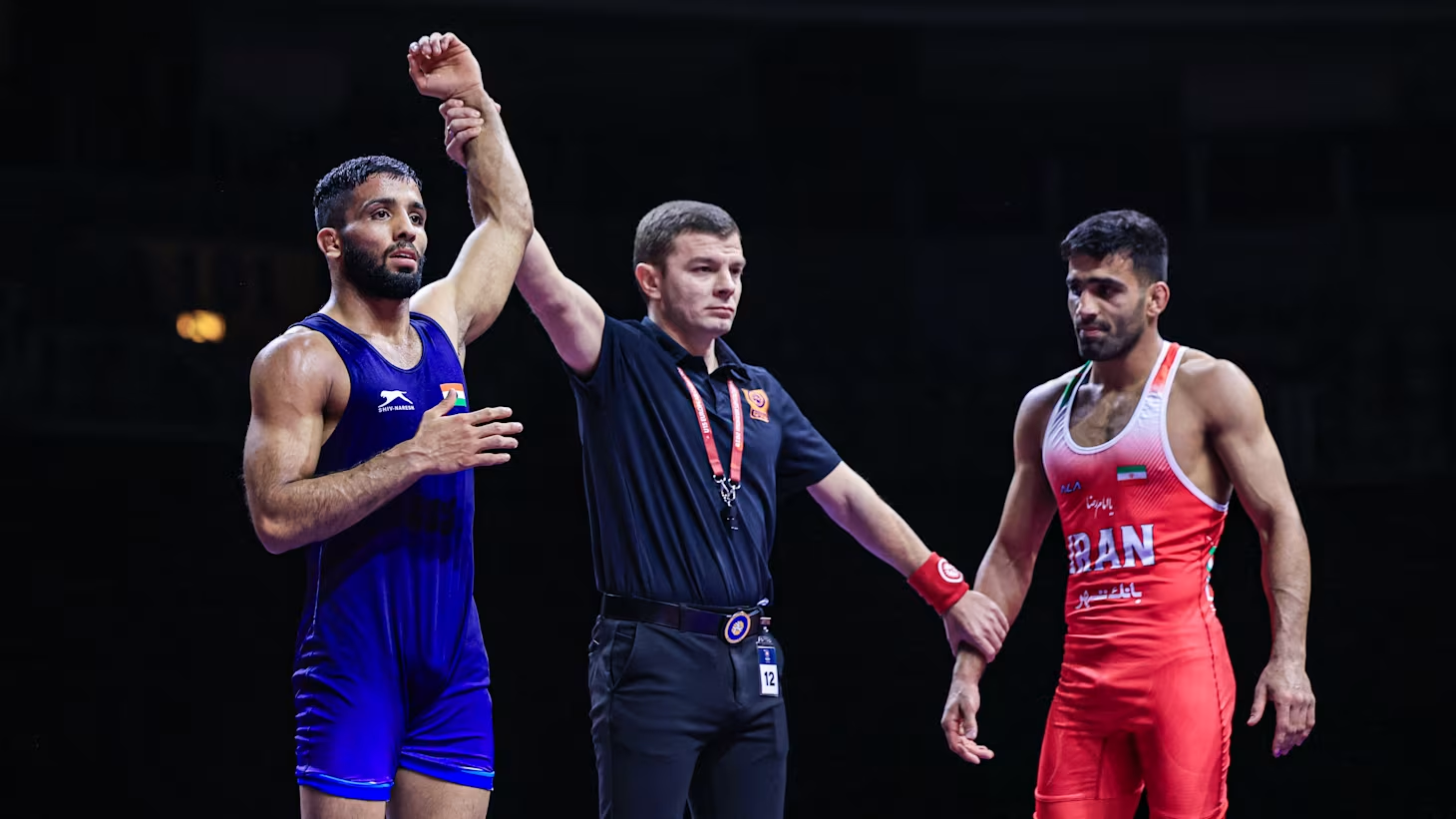
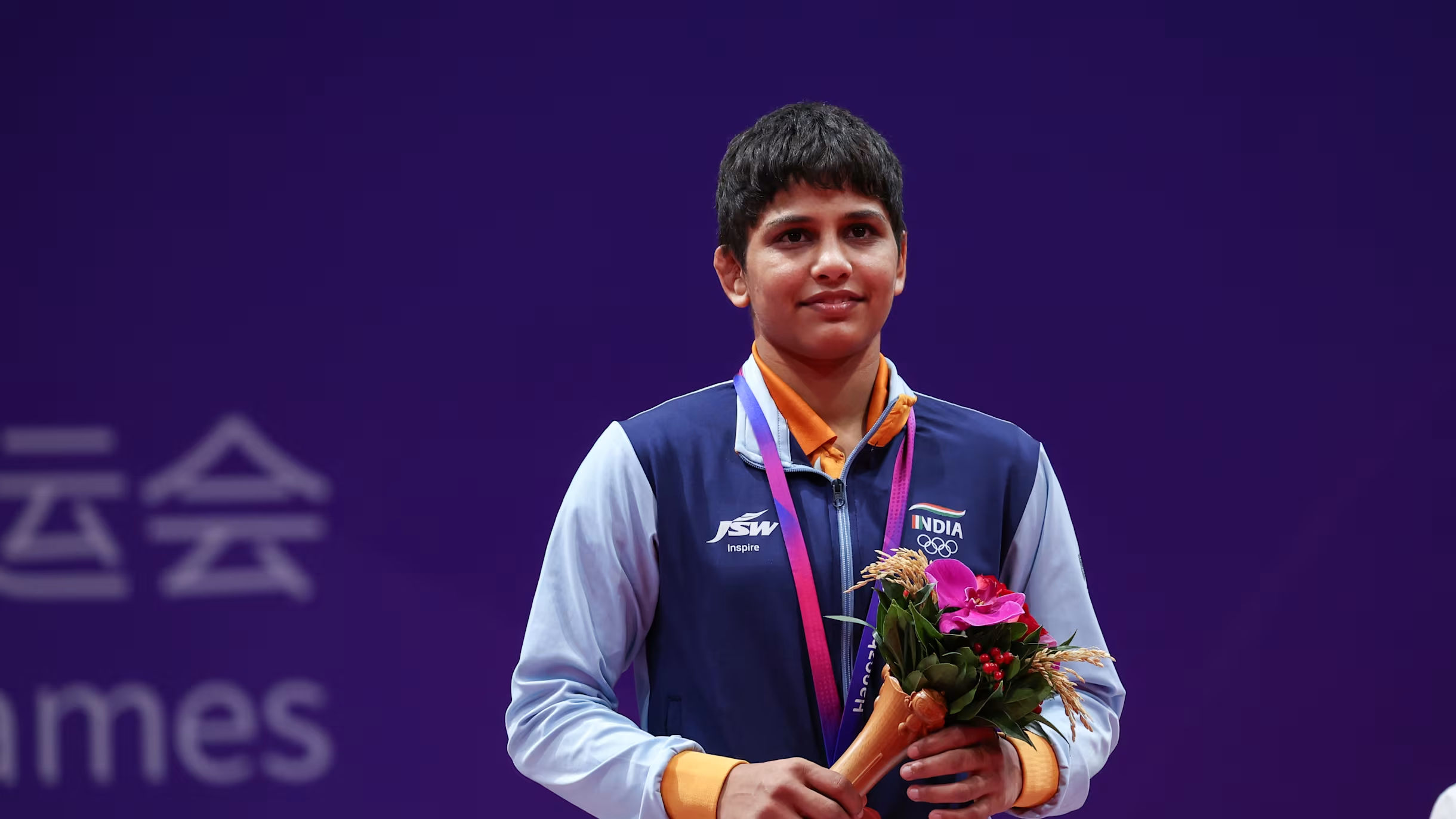
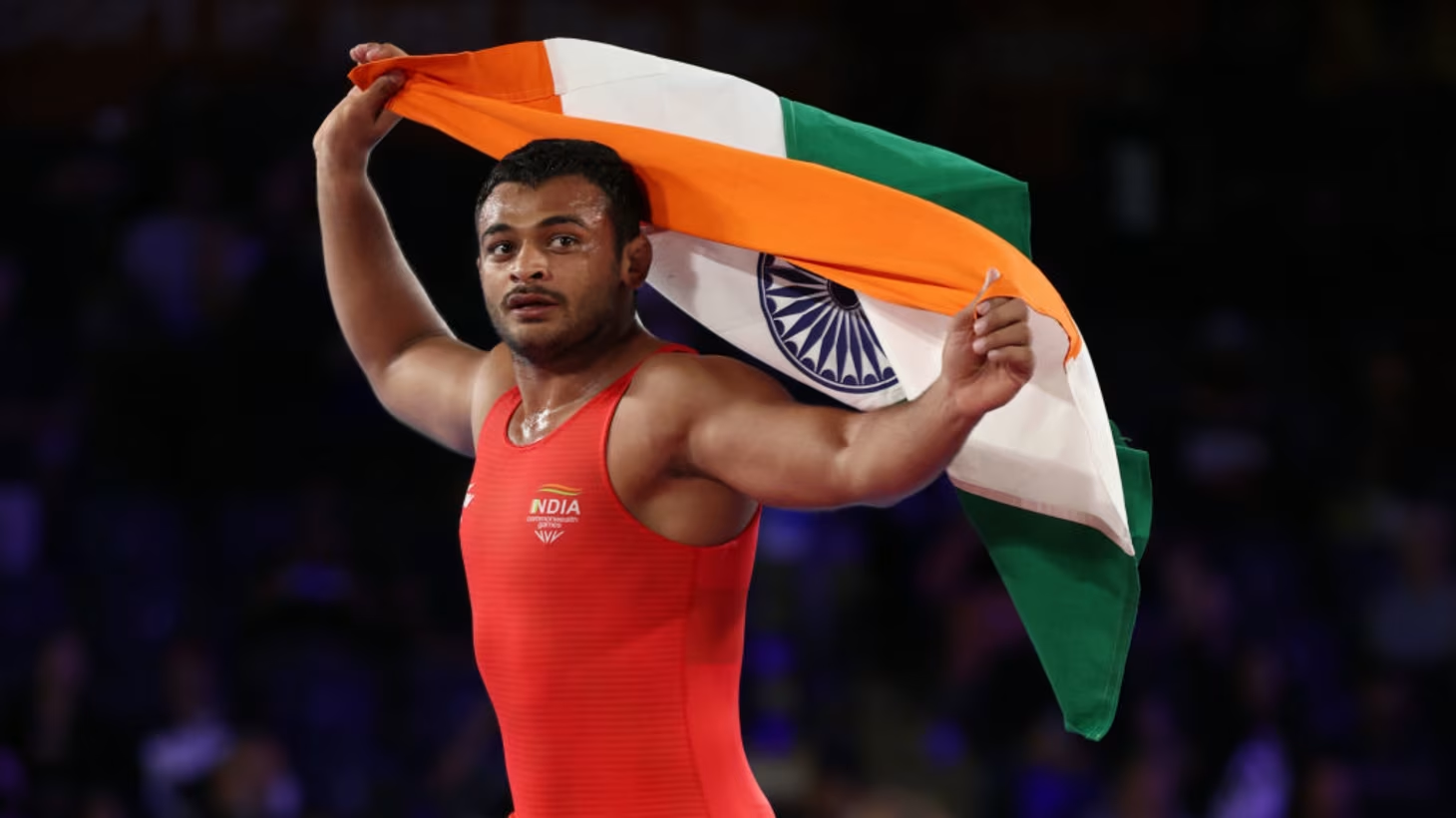
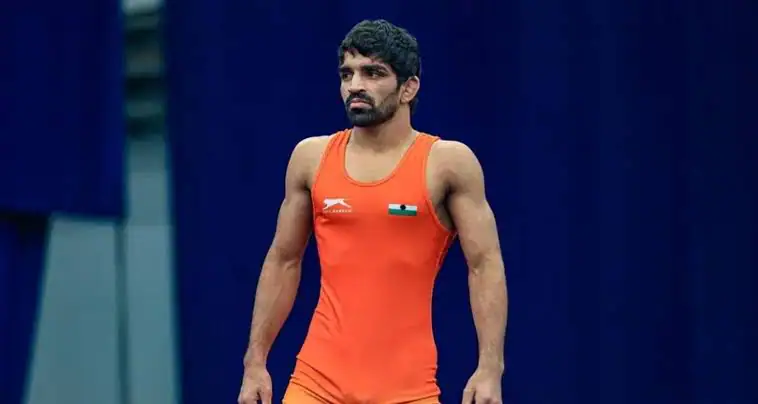
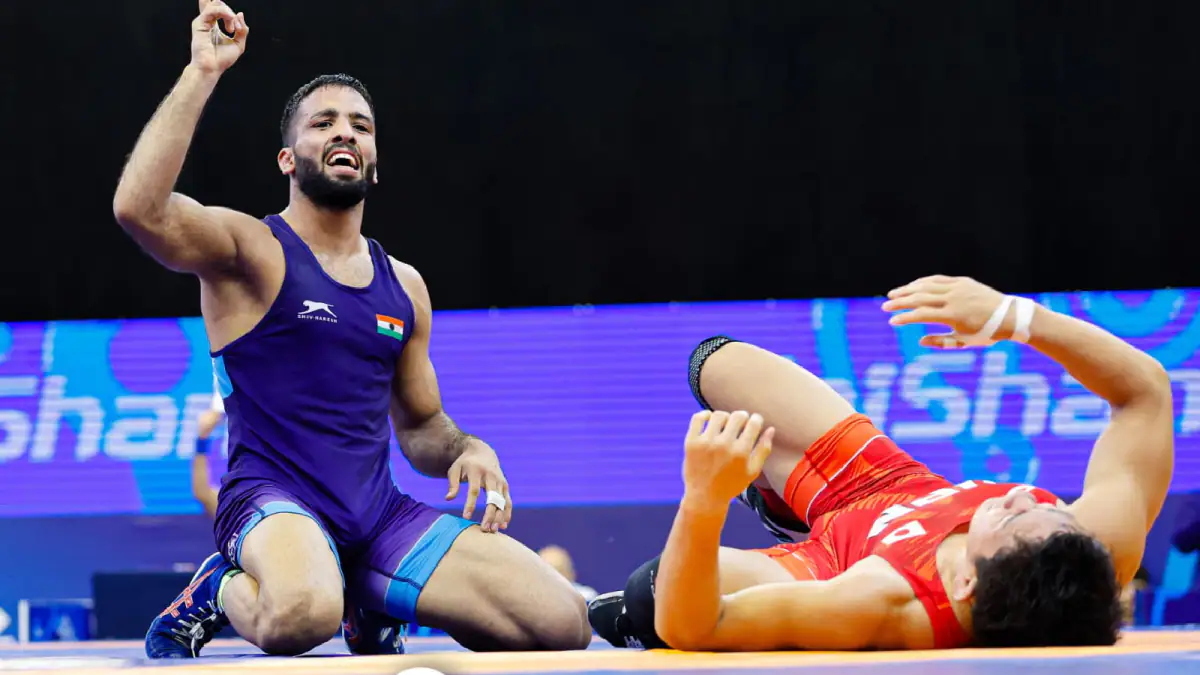
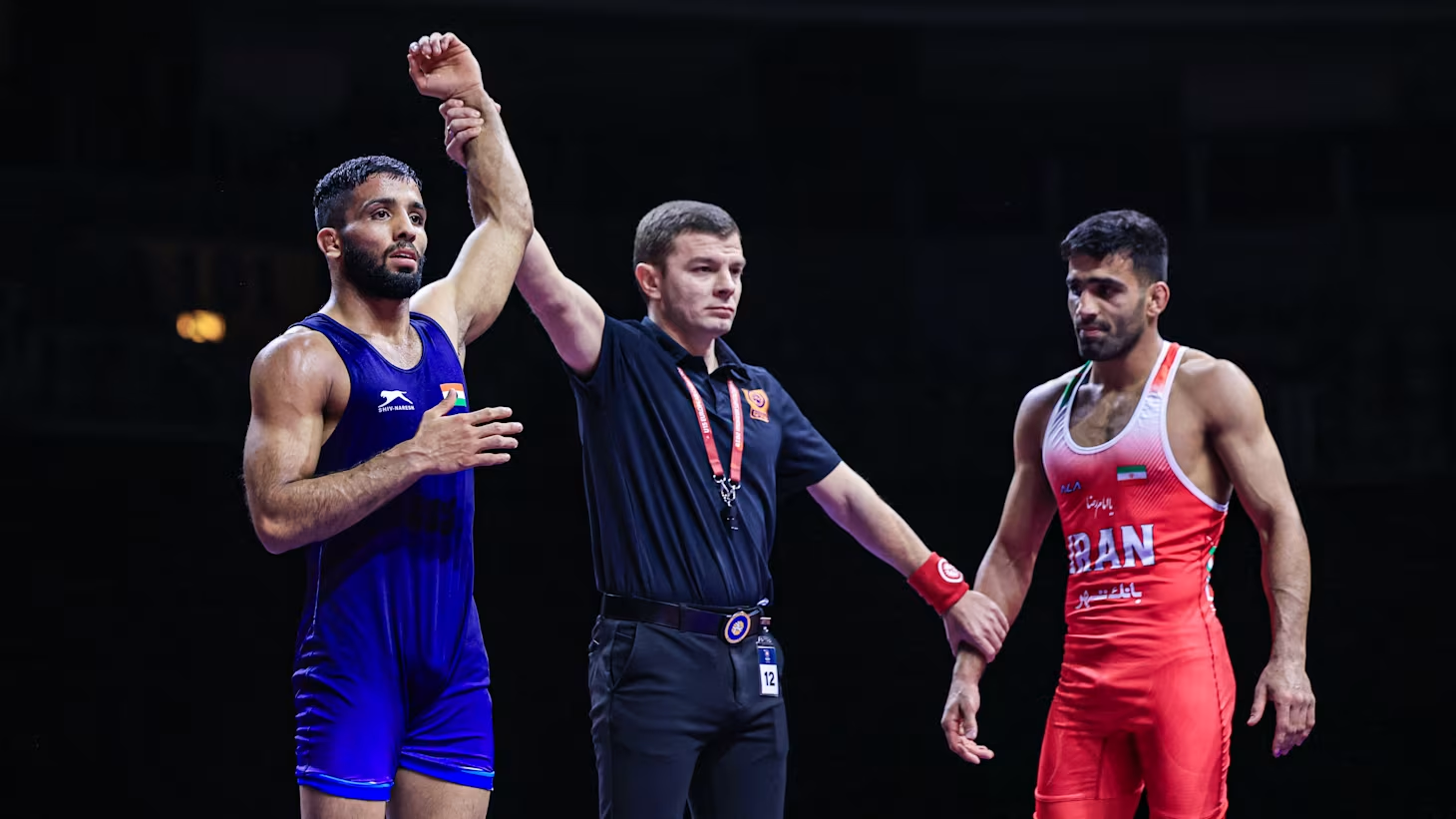
India’s Sujeet Kalkal heads into the men’s freestyle 65 kg category at the World Wrestling Championships in Astana, Kazakhstan, with a compelling case for the title.
Riding a 19-bout international winning streak, the 2026 Asian Games gold medallist arrives with victories over some of the division’s most accomplished wrestlers, including a dominant record against Uzbekistan’s Umidjon Jalolov and a dramatic comeback against Tajikistan’s Abdulmazhid Kudiev.
But the road to the world title will be demanding. The 65kg bracket brings together senior world champions, continental champions, established medal contenders and emerging talents capable of upsetting the favourites. Sujeet’s challenge will be to translate his recent dominance into a performance across a championship field in which a single tactical mistake can end a title campaign.
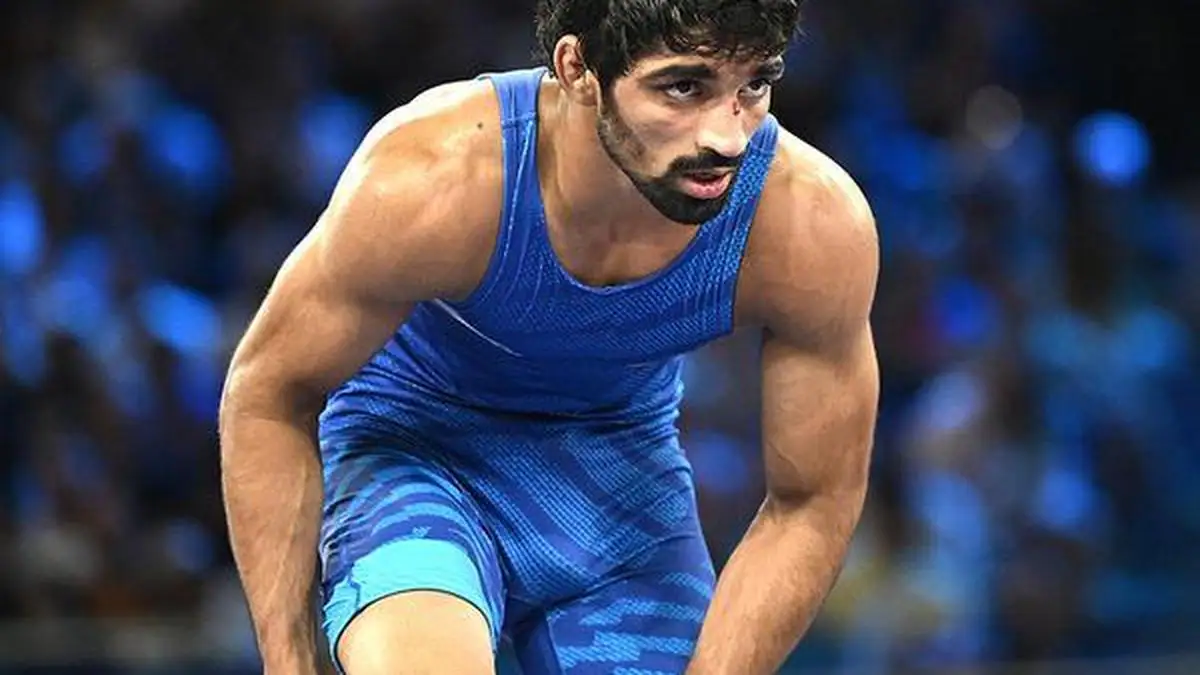
Iran’s Rahman Amouzad is among the leading contenders. The 2022 senior world champion enters the competition with a reputation for relentless pressure, aggressive hand-fighting and exceptional conditioning. His ability to sustain a high tempo late in bouts makes him particularly dangerous against opponents who rely on explosive attacks but struggle to maintain their output. Amouzad demonstrated those qualities at the 2026 Ulaanbaatar Open, where he defeated Bulgaria’s Shamil Mamedov 17–10 in a remarkable comeback. After falling behind 0–8, Amouzad recovered to score 14 unanswered points, turning the contest through sustained pressure and repeated scoring attacks.
Sujeet’s style offers a different challenge. While Amouzad attempts to break opponents down through continuous forward movement and upper-body control, the Indian has shown that he can combine traditional Indian kushti techniques with the movement, timing and leg attacks required in international freestyle wrestling. A potential meeting between the two would be one of the most intriguing match-ups of the championship. Amouzad’s experience and pressure game would test Sujeet’s defensive discipline, while the Indian’s ability to exploit an opponent’s momentum could create opportunities for high-value throws.
Sujeet’s recent form provides a strong platform
Sujeet’s credentials extend beyond his winning streak. His performances against Jalolov and Kudiev have demonstrated two different aspects of his competitive ability: technical control against a defensive opponent and resilience against an aggressive attacker. At the 2025 U23 World Championships, Sujeet defeated Jalolov 10–0 by technical superiority in the final. He repeated that scoreline against the Uzbek wrestler in the 2026 U23 Asian Championships final. These victories underline Sujeet’s capacity to control exchanges, create scoring opportunities and convert his advantages into decisive results.
His Asian Games final against Kudiev was a different test. The Tajik wrestler built a 9–2 lead before Sujeet mounted a stunning comeback to win 10–9. Sujeet’s ability to recover from that deficit was particularly significant: he remained composed, continued attacking and capitalised as the contest shifted in his favour. He had also defeated Kudiev 7–2 in their Asian Senior Championships semifinal, showing that the Asian Games final was not an isolated result.
Sujeet’s reported victory over Paris Olympic champion Kotaro Kiyooka in the Asian Games semifinal further strengthens his credentials. Beating an Olympic champion provides a valuable indication of his ability to compete against elite opposition, although a world championship requires the same level of execution across multiple rounds.
One of Sujeet’s defining strengths is his ability to use an opponent’s movement against them. His upper-body throwing game, influenced by Indian kushti, can punish opponents who overcommit in tie-ups or allow him to establish favourable grips. The technique is particularly valuable against aggressive wrestlers who drive forward and create openings through their own momentum. Sujeet can combine those opportunities with low singles, double-leg attacks and quick follow-up actions to build scoring sequences.
However, relying exclusively on throws would be risky against a field of this quality. Amouzad’s pressure, Mamedov’s counter-scrambling and the par terre expertise of Russia’s Abasgadzhi Magomedov could expose any lapses in positioning. Sujeet’s ability to defend after conceding a takedown will be equally important. In a closely contested match, giving up a turn from the bottom position can quickly change the scoreboard. Against experienced opponents, he will need to manage his exposure, protect his base and avoid allowing one scoring opportunity to become a series of points.
Mamedov and Magomedov pose significant threats.
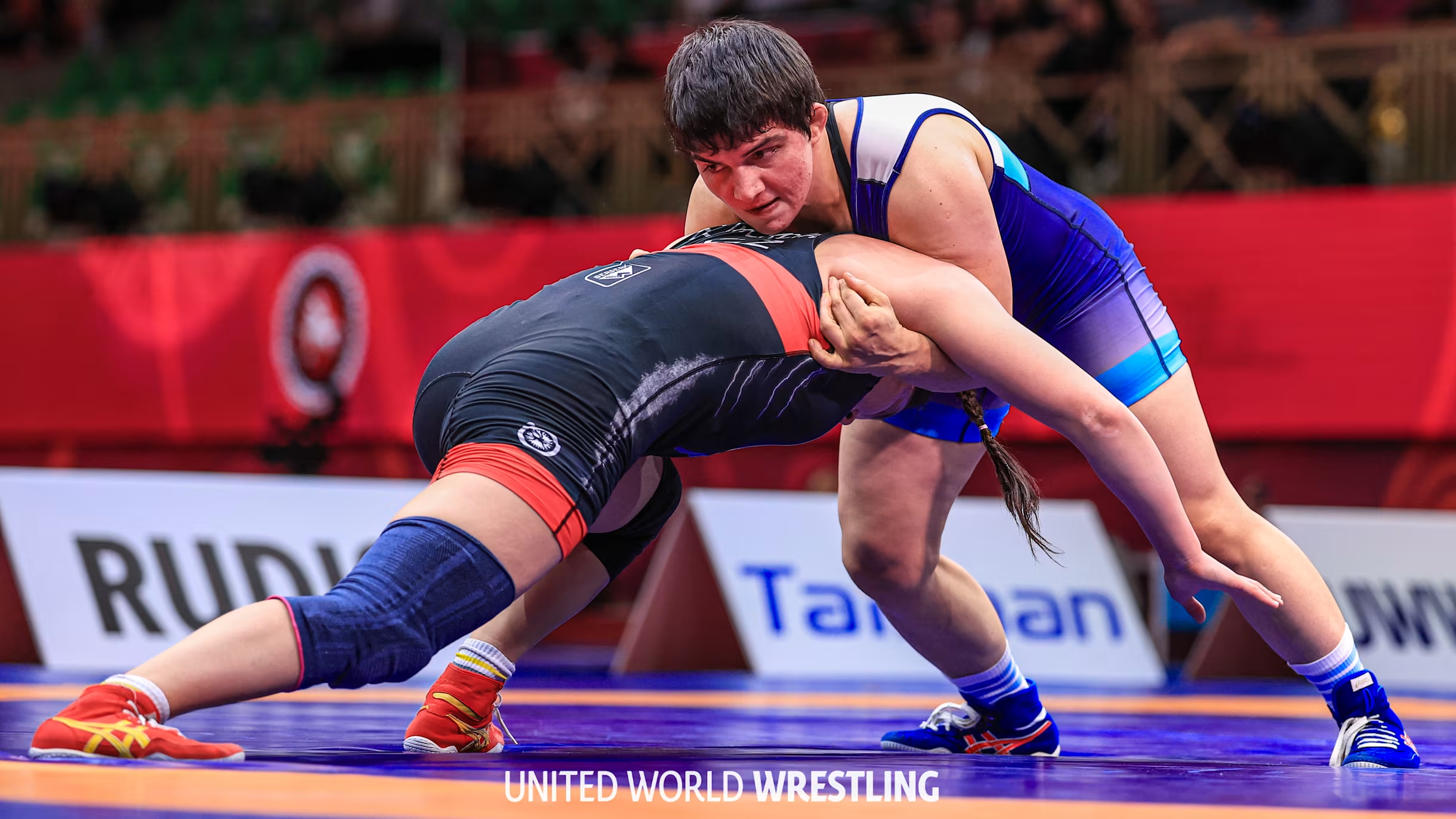
Mamedov, the 2023 world bronze medallist and 2026 Budapest Ranking Series champion, is among the most explosive wrestlers in the field. His counter-attacks, body locks and rapid transitions can turn an opponent’s offensive move into an immediate scoring opportunity. His main challenge is sustaining that intensity against wrestlers who force prolonged exchanges. Abasgadzhi Magomedov is another major threat. A former world champion at 61 kg, he has moved into the 65 kg category and won the 2026 Russian National Championship. His ability to control ties and execute gut-wrench turns from par terre makes him dangerous, particularly if he enters the draw without the protection associated with a high seed.
Armenia’s Vazgen Tevanyan, a 2023 world bronze medallist and European champion, offers a contrasting style. He relies on positional discipline, compact defence and well-timed attacks rather than consistently high scoring volume. Japan’s Kaisei Tanabe, the 2025 Asian senior champion, adds an unusual upper-body threat through his experience in both freestyle and Greco-Roman wrestling.
The field also includes American Bowen Bassett, the 2026 U20 world champion, whose relentless pace makes him a potential bracket disruptor despite his limited senior international experience.
Three factors could determine Sujeet’s medal prospects. First, he must avoid conceding early points through risky upper-body exchanges. His throwing ability is a strength, but it needs to be balanced with sound defensive positioning. Second, he must remain effective in par terre. Against wrestlers such as Magomedov and Mamedov, defending the initial turn could be as important as scoring from a neutral position.
Finally, Sujeet must maintain his intensity through the closing stages. His comeback against Kudiev demonstrated his resilience, while his victories over Jalolov showed how effectively he can dominate when he establishes control early.
Can India’s Sujeet win the world title?
Sujeet enters the 65kg competition with momentum, a diverse technical game and evidence that he can beat elite opposition. Amouzad remains a formidable benchmark, while Mamedov, Magomedov and Tevanyan provide credible challenges. The draw and the timing of potential match-ups will also influence his route to the final. The Indian’s strongest argument is that he has already demonstrated the ability to win in contrasting circumstances: through technical superiority, sustained attacking pressure and a late comeback under extreme scoreboard pressure.
If he combines that attacking instinct with disciplined defence and effective par terre wrestling, Sujeet has a genuine opportunity to challenge for the world title. In one of freestyle wrestling’s most competitive weight categories, his recent record makes him more than an outsider. He is a serious contender.
Comments (0)
to post comments, replies, and votes.
Loading comments…