The 24-Hour Irony: India’s Historic Silver Meet Missed the World Championships Window by a Single Day

The Milestone: Elevating Domestic Athletics at Kalinga Stadium
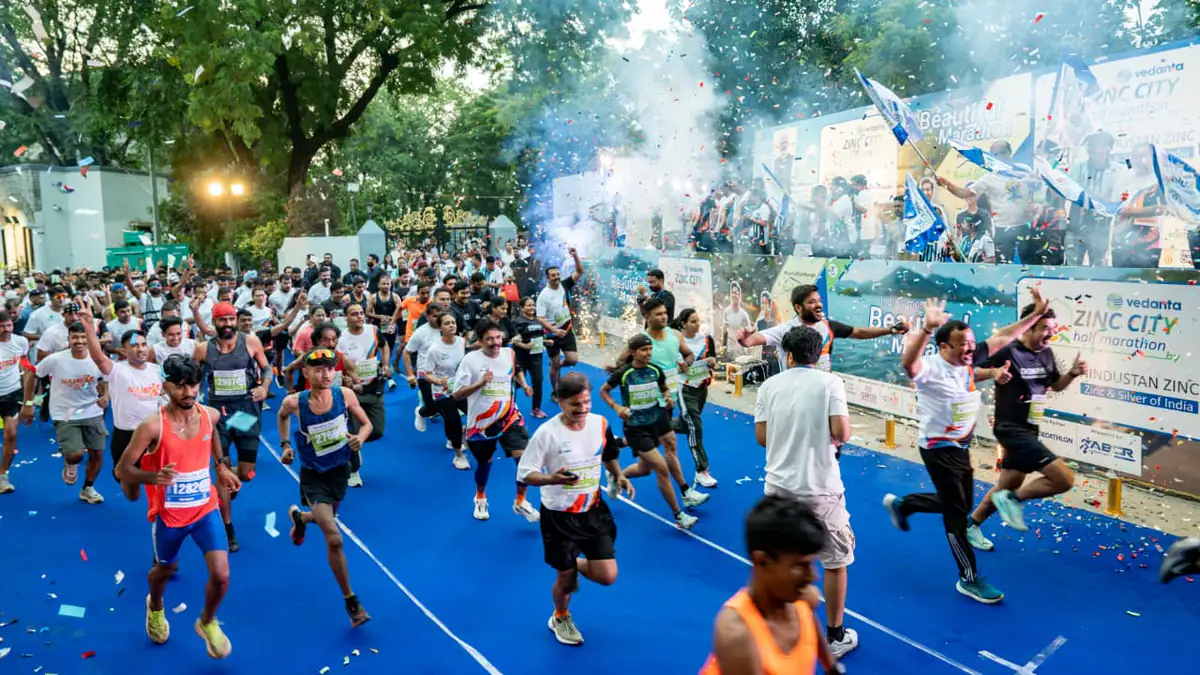
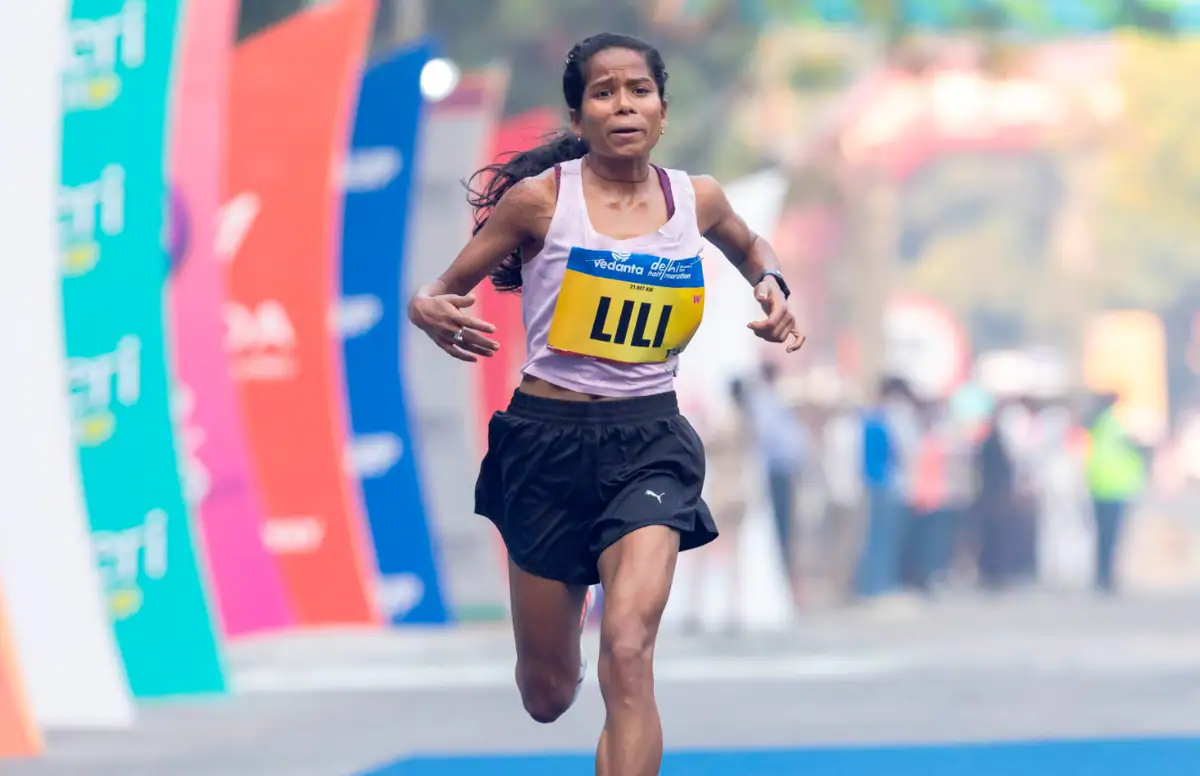
On August 22, 2026, the Kalinga Stadium in Bhubaneswar, Odisha, hosted the Indian Open World Athletics Continental Tour Silver meeting, marking a historical high-water mark for track and field infrastructure in South Asia. Sanctioned by World Athletics and organized jointly by the Sports and Youth Services Department of the Government of Odisha and the Athletics Federation of India (AFI), the event represented a direct structural upgrade from the Category C Bronze-level meeting staged at the same venue in 2025. By securing Category B status on the global calendar, India provided its domestic athletics ecosystem with an unprecedented administrative advantage: direct access to high-tier World Ranking placing points and elite international opposition on home soil, eliminating the financial burden, visa logistics, and physical exhaustion associated with long-distance overseas travel. The single-day competition featured 187 elite athletes representing 27 nations, including 143 competitors from 12 Asian countries. India fielded a strong contingent of 88 athletes directly against 99 international stars, creating an intense competitive environment across 18 events equally divided between the men's and women's programs.
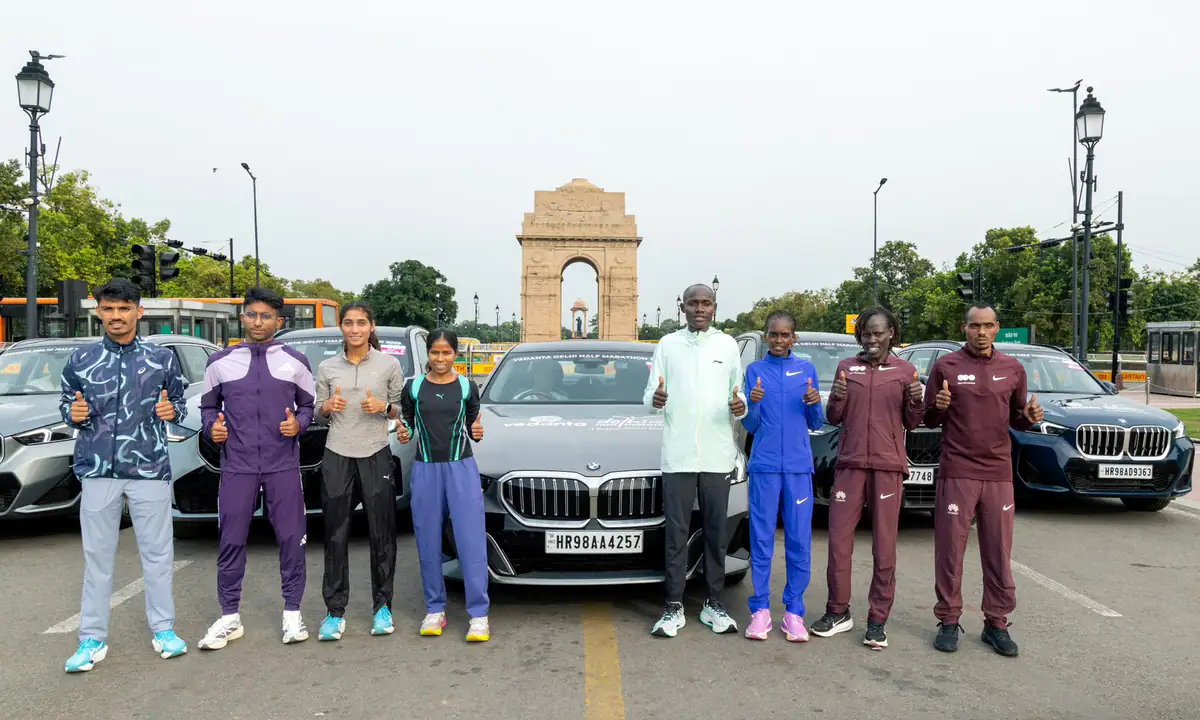
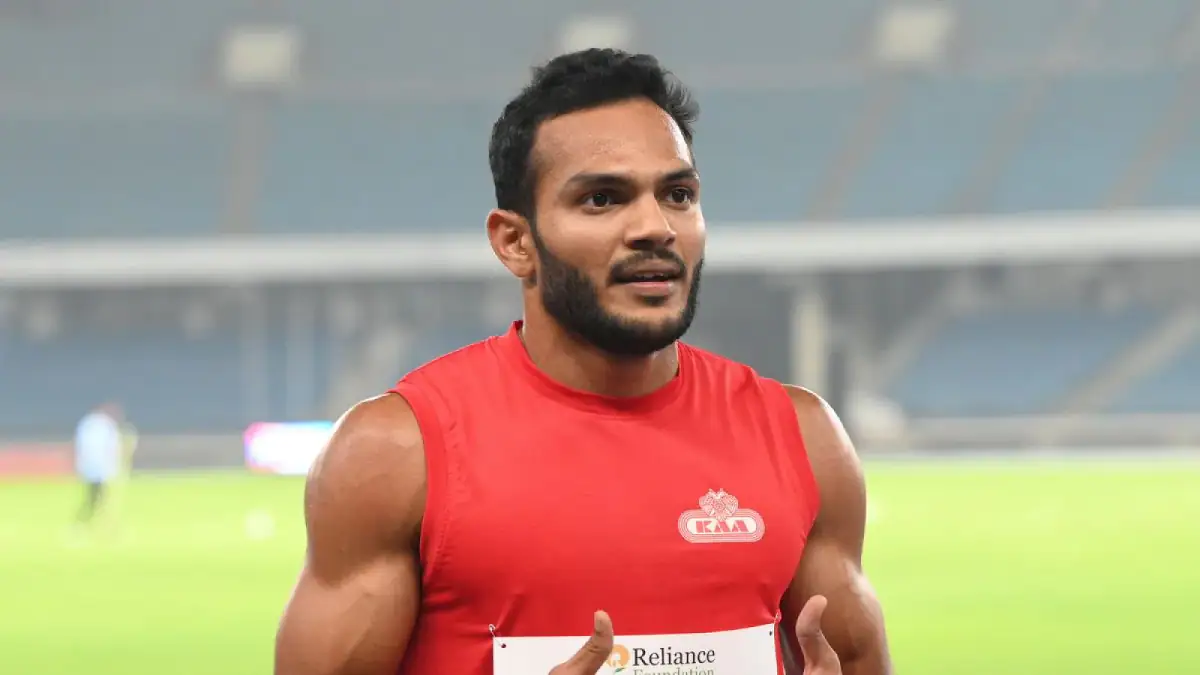
The domestic contingent was spearheaded by India's premier track and field figures: long jump contender Murali Sreeshankar, national record-holding hurdler Jyothi Yarraji, two-time Asian Games shot put champion Tajinderpal Singh Toor, Asian Games javelin silver medallist Kishore Jena, and rising sprint talent Animesh Kujur. Beyond serving as a standalone fixture offering USD $1,600 in prize money for event victors, the Bhubaneswar meet functioned as an operational trial. The Odisha state government offered free entry to the public, positioning the meet as a precursor to hosting the 2028 World Athletics Indoor Championships and the 2028 Asian Indoor Athletics Championships at Kalinga Stadium.
The Technical Deep Dive: Scoring Mechanics and the 24-Hour Paradox
To understand the mathematical and administrative dimensions of the Bhubaneswar meet, one must analyze the World Athletics Ranking System. An athlete’s total performance score for any given competition is determined by a two-variable additive formula:
Total Performance Score= Result Score + Placing Score
As a World Athletics Continental Tour Silver event, the Bhubaneswar meet was classified under Category B. The placing points allocation for Category B events across standard track and field finals provides a significant point premium compared to Category C Bronze meets.
Final Position | Category B (Silver) Placing Points |
|---|---|
1st Place (Gold) | 100 points |
2nd Place (Silver) | 80 points |
3rd Place (Bronze) | 70 points |
4th Place | 60 points |
5th Place | 55 points |
6th Place | 50 points |
7th Place | 45 points |
8th Place | 40 points |
Converting these placing bonuses into raw performance equivalents illustrates the structural value of Category B status:
Sprints (Men's 100m): At the elite sprint level, a performance improvement from 10.10 seconds (~1,128 Result Points) to 10.00 seconds (~1,163 Result Points) yields approximately 35 points per tenth of a second. Consequently, the 100-point winning bonus awarded at Kalinga Stadium is mathematically equivalent to shaving roughly 0.28 to 0.30 seconds off an athlete's raw sprint time.
Horizontal Jumps (Men's Long Jump): In the long jump, a mark progressing from 8.00 meters (~1,138 Result Points) to 8.15 meters (~1,170 Result Points) gains 32 points, averaging roughly 2.13 points per centimeter. A 100-point placing bonus equates to a performance distance extension of approximately 0.45 meters (45 centimeters).
Heavy Throws (Men's Shot Put): In the shot put, extending a mark from 20.00 meters (~1,122 Result Points) to 20.50 meters (~1,152 Result Points) generates 30 points, or 0.60 points per centimeter. Thus, a 100-point bonus is equivalent to an extraordinary distance increase of 1.65 meters.

World Athletics Continental Tour Silver Meet in Kalinga Stadium, Bhubaneswar!
The Bureaucratic Cutoff
Despite these massive point allocations, the meet was caught in an administrative conflict. World Athletics designated the official qualification window for standard individual events for the 2027 World Athletics Championships in Beijing to open on August 23, 2026. Because the Bhubaneswar meet was held on August 22, 2026 - exactly 24 hours prior to the opening of the entry portal - World Athletics' automated database filters systematically exclude every performance, national record, and Category B placing score achieved at Kalinga Stadium from the official Beijing 2027 qualification register.
An athlete who set a personal best or earned a 100-point Category B bonus in Bhubaneswar received zero direct credit toward their 2027 World Championships qualifying mark, solely due to a calendar mismatch.
The Silver Lining: Macro Ranking Impact and Asian Games Readiness
While the August 22 date created a bureaucratic dead zone for Beijing 2027 entry standards, the points generated in Bhubaneswar remain vital for broader career progression. World Athletics operates a rolling 12-month calculation window for general event rankings. The 100-point victory bonuses earned at Kalinga Stadium immediately integrated into the global ranking updates published the following week.
Elevated general World Ranking positions directly govern invitations and lane assignments for the elite European summer circuit, the World Athletics Indoor Tour Gold series, and the Wanda Diamond League.
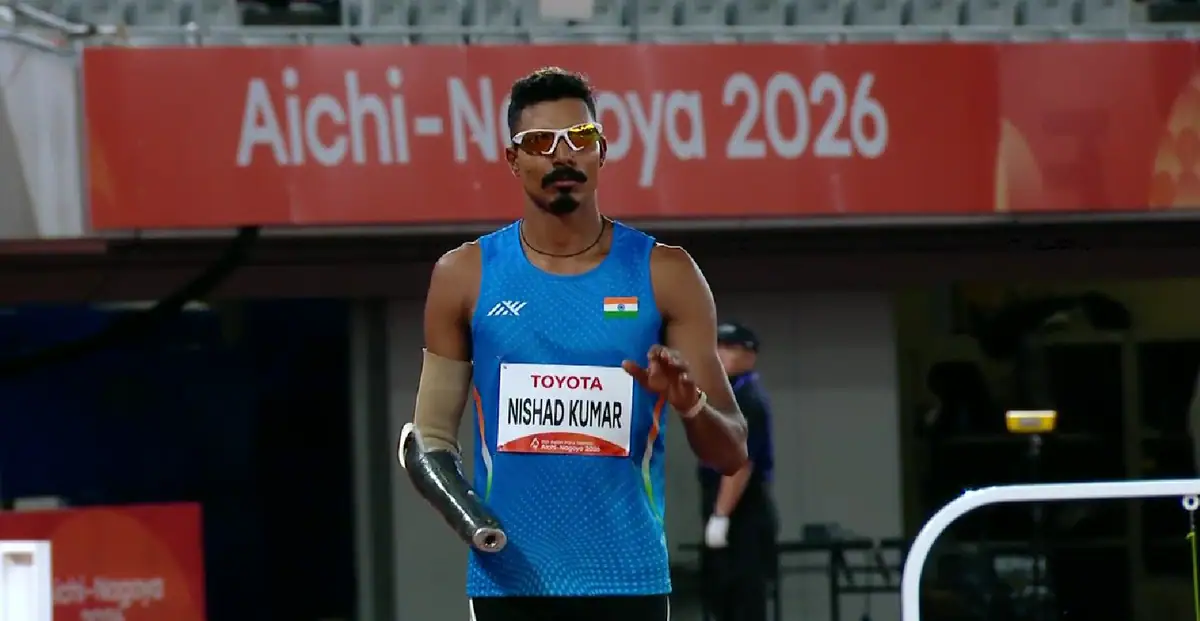
Equally important was the meet's tactical role as a final dress rehearsal for the 20th Asian Games in Aichi-Nagoya, Japan (From September 19 to October 4, 2026). Staging a Category B event in Bhubaneswar exactly 28 days prior to the Nagoya opening ceremony allowed Indian athletes to execute high-pressure technical performances against top international opponents under warm, humid conditions, avoiding the fatigue and jet lag associated with traveling to European meets.
The Calendar Problem: Governance, Scheduling Friction, and Institutional Reforms
The 24-hour cutoff anomaly highlights a recurring issue in global track and field governance: the misalignment between national federation scheduling and international qualification windows. The Athletics Federation of India (AFI) and the Odisha Sports Department selected August 22, 2026, to navigate tight operational constraints, including the upcoming Asian Games, regional weather patterns, and stadium availability at the Kalinga complex.
However, this domestic timeline collided directly with World Athletics' rigid global calendar framework. This conflict reveals three broader institutional challenges in track and field administration:
Rigid Automated Filtering versus Meet Classification: World Athletics uses automated database cutoffs to preserve the integrity of qualification windows. However, when a premier Category B Continental Tour event takes place 24 hours before a window opens, the system treats it with the same absolute exclusion as a low-level regional event held months earlier.
National Federation Isolation: Domestic governing bodies frequently schedule major national permits around regional multi-sport events (such as the Asian Games) without fully auditing how those dates intersect with the opening days of future global qualification windows.
Diminished Return on Investment: Organisers invest significant financial resources to host Silver-tier events ($1,600 winner purses, free public admission, elite international travel subsidies). When these events land in administrative dead zones, athletes lose out on the full qualification value of their performances.
Strategic Recommendations and Conclusions
The World Athletics Continental Tour Silver meet in Bhubaneswar represented an institutional milestone for Indian athletics administration. It demonstrated that Kalinga Stadium can host world-class multi-national track and field events, provided domestic athletes with Category B ranking points, and served as an ideal preparation platform for the Asian Games in Nagoya. Nevertheless, the 24-hour calendar gap that excluded these performances from the 2027 World Championships entry portal illustrates the need for better synchronization between international and national calendars.
To address these administrative disconnects in future Olympic and World Championship cycles, three institutional reforms should be implemented:
First, World Athletics could establish a dynamic qualification buffer rule that allows performances achieved at Category A and Category B Continental Tour meets held within 72 hours prior to an official window opening to be retroactively counted toward championship entry standards.
Second, global governing bodies should provide national federations with automated calendar auditing software that flags proposed competition dates falling within qualification dead zones prior to granting final sanctioning.
Finally, regional governing bodies must coordinate competition calendars to ensure major continental preparation events align with global qualification windows, ensuring that athletes receive full credit for their performances.
Comments (0)
to post comments, replies, and votes.
Loading comments…