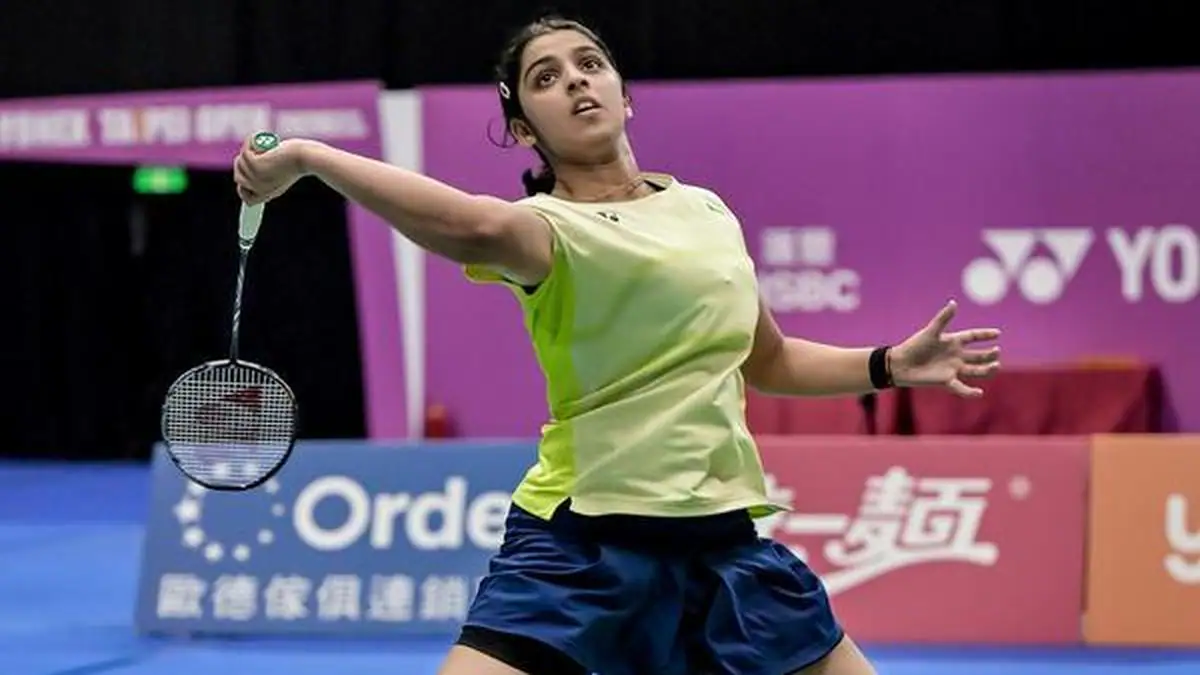
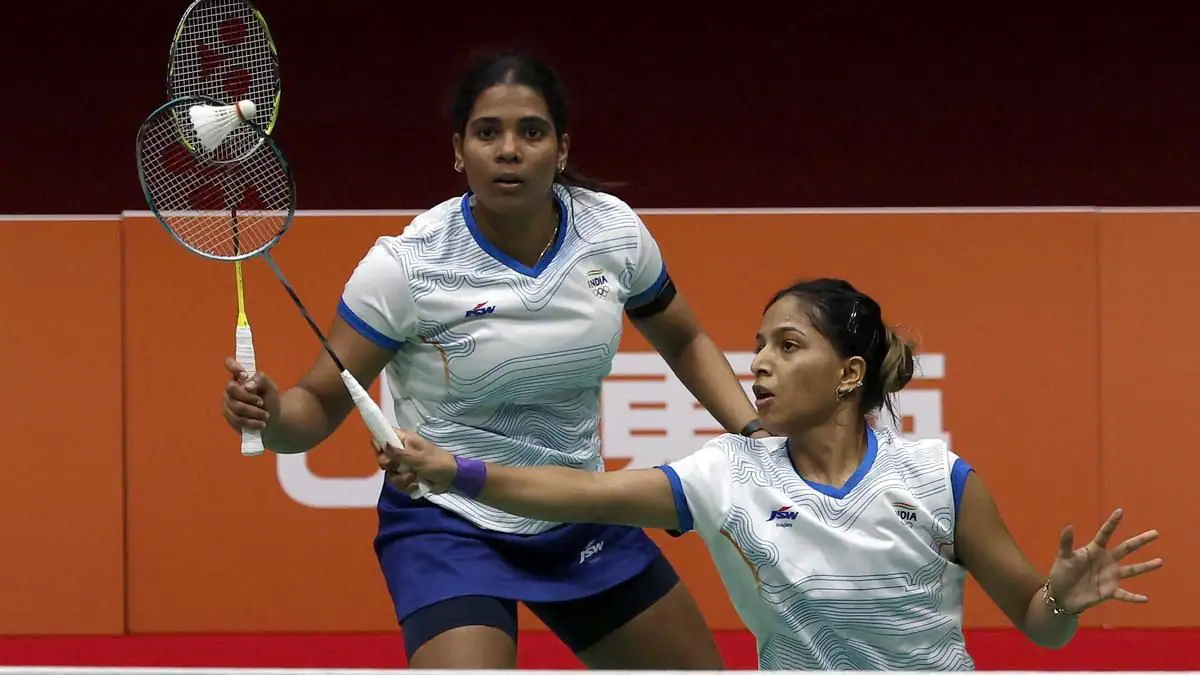
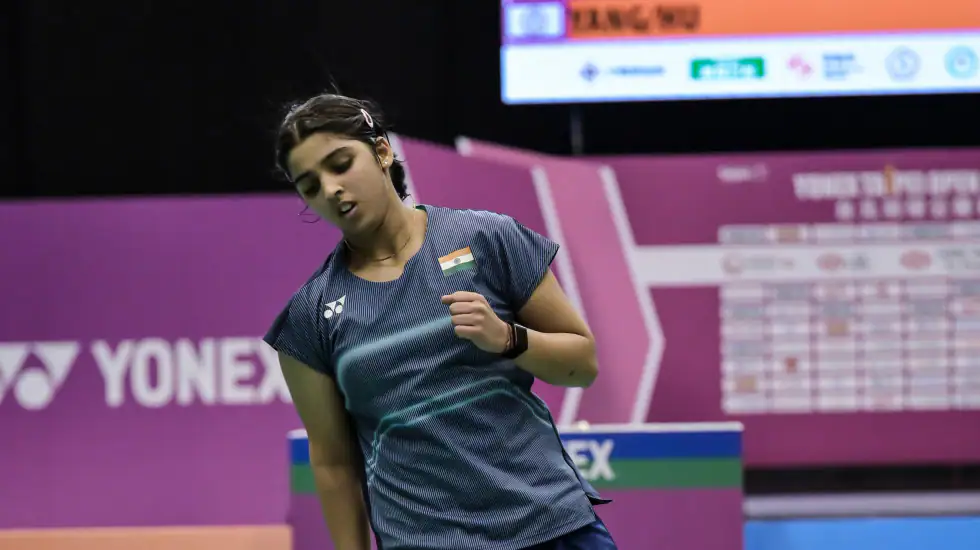
Treesa-Gayatri Stand on the Brink of Ending India’s 11-Year Wait at World Championships
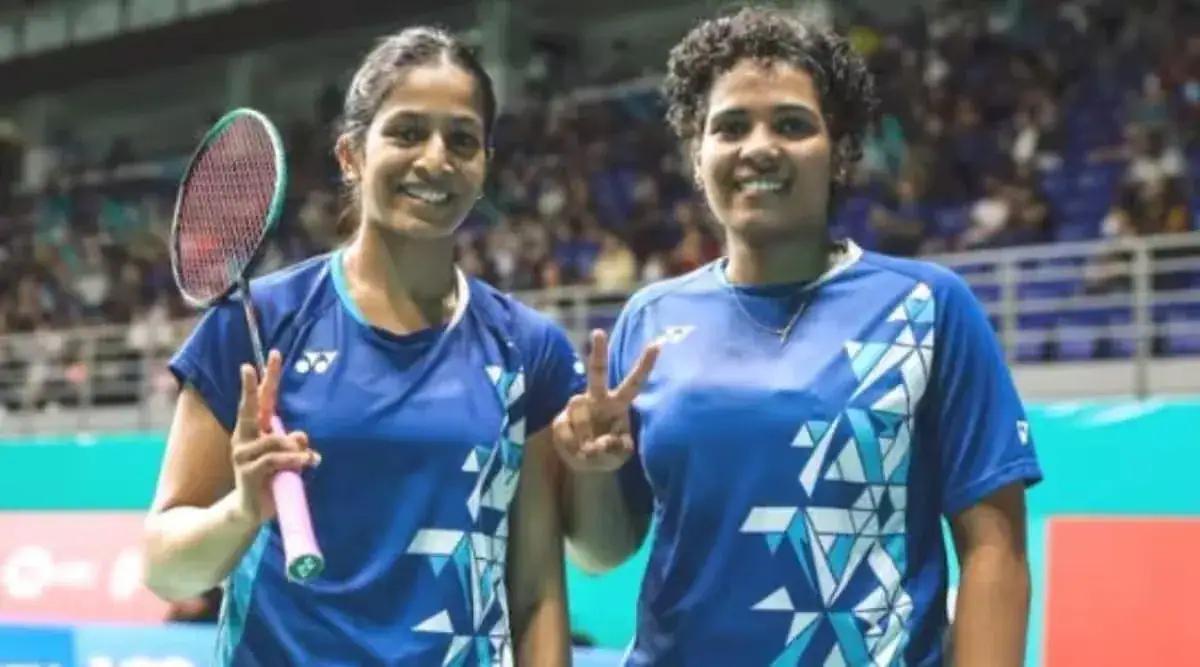
For Indian badminton, some numbers carry more weight than others. Eleven years.
That is how long India had to wait to see a women’s doubles pair reach the quarterfinals of the BWF World Championships again. The last pair to do it was Jwala Gutta and Ashwini Ponnappa in Jakarta in 2015. They were the established faces of Indian women’s doubles, a partnership that had already made history by winning bronze at the 2011 World Championships.
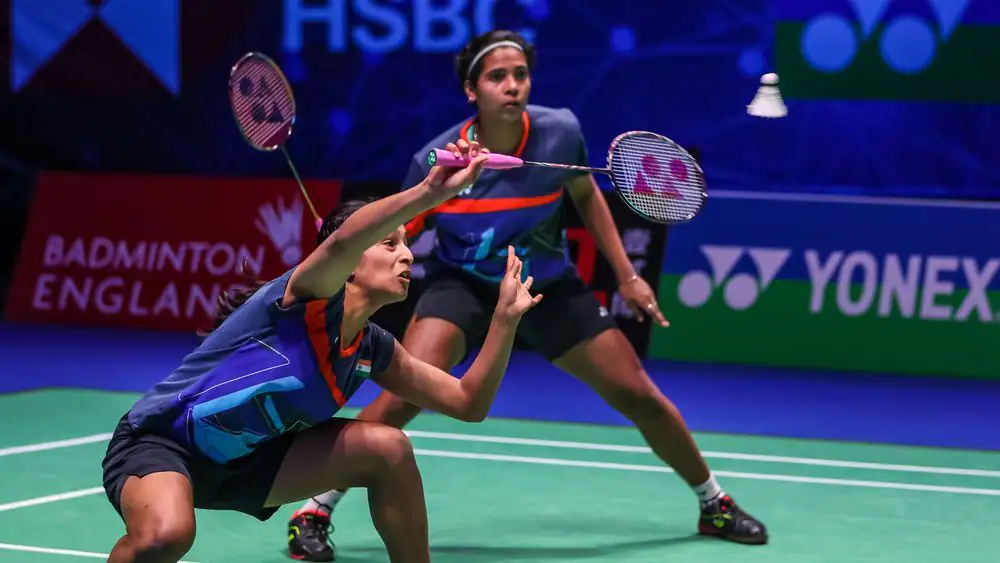
Now, in Delhi, Treesa Jolly and Gayatri Gopichand have brought India back to the last eight. And unlike a statistical milestone that merely looks good on paper, this one comes with an even bigger opportunity attached to it.
One more win could take them where no Indian women’s doubles pair has gone since the medal-winning generation of Jwala and Ashwini.
Treesa and Gayatri did not sneak into the quarterfinals. They earned their place with authority. The Indian pair produced a commanding 21-16, 21-12 victory over seventh seeds Rin Iwanaga and Kie Nakanishi, a result that underlined why they remain one of the most exciting doubles combinations in Indian badminton.
Beating a seeded Japanese pair at the World Championships is never straightforward. Japan has traditionally been one of the strongest nations in women’s doubles, producing pairs known for their speed, defensive discipline and ability to sustain long rallies. Treesa and Gayatri, however, found a way to take control. The first game was competitive, but the Indians held their nerve to close it out 21-16. The second was even more convincing as they raced through 21-12, completing a straight-games win that sent the Delhi crowd into celebration.
For Treesa and Gayatri, the victory was another reminder of how far they have travelled together. For Indian badminton, it was a moment that reopened an old door. The comparison with Jwala and Ashwini is unavoidable. In 2015, the pair carried Indian hopes in women’s doubles at the World Championships in Jakarta. They entered the tournament as one of India’s most recognised doubles combinations and once again found themselves among the final eight. Their route to the quarterfinal was significant.
Jwala and Ashwini defeated sixth seeds Reika Kakiiwa and Miyuki Maeda in a gripping three-game contest, pulling off one of the standout results of their campaign.
But the quarterfinal proved to be the end of the road. Japan’s Naoko Fukuman and Kurumi Yonao defeated the Indians 25-23, 21-14, leaving Jwala and Ashwini one match short of another World Championships medal. The defeat was painful because the margin was so small. A place in the semifinals would have guaranteed another medal, but the opportunity slipped away.
For the next 11 years, India’s women’s doubles challenge at the World Championships would not return to that stage. Until now.
A New Generation, A Different Moment
Treesa and Gayatri are not trying to become the next Jwala and Ashwini. Their game, personalities and journeys are their own. But sport is built on moments that connect generations. Jwala and Ashwini proved that an Indian women’s doubles pair could compete with the world’s best and win a World Championships medal. Treesa and Gayatri now have the chance to build on that foundation.
What makes this moment particularly important is the opportunity in front of them. The quarterfinal is no longer simply about reaching another round. A victory would send them into the semifinals and guarantee India a medal.
That is the prize. One match. One win. And a place in the World Championships medal rounds. For a pair that has already shown the ability to beat top opposition, the challenge is substantial but not beyond them.
There is also the significance of playing at home. The World Championships in Delhi have given Treesa and Gayatri something previous generations did not always have at major tournaments: a large Indian crowd behind them on one of badminton’s biggest stages.
Home support does not win matches, but in doubles, where momentum can swing quickly, it can become a factor. A long rally, a crucial defensive recovery or a string of points can change the atmosphere inside the arena. Treesa and Gayatri now have the chance to play one of the biggest matches of their careers with Indian supporters directly behind them.
The pressure will be there too. Reaching the quarterfinals brings expectation. The conversation now moves beyond a good run. The question is whether they can take the final step into the medal rounds.
That is the burden of success. But it is also the privilege of being in this position.
Jwala and Ashwini carried Indian women’s doubles to a level few thought possible when they won World Championships bronze in 2011. Fourteen years later, Treesa and Gayatri stand one victory away from ensuring that India once again has a women’s doubles medal contender on the World Championships podium.
They have already ended the 11-year wait for a quarterfinal appearance. Now comes the chance to end another wait. The past offers a reference point. The future is theirs to write. In Delhi, Treesa Jolly and Gayatri Gopichand have matched a feat last achieved by Jwala Gutta and Ashwini Ponnappa.
The next step would take them further.
And it would guarantee that Indian women’s doubles is back among the medals at the World Championships.
Comments (0)
to post comments, replies, and votes.
Loading comments…