Why Was Manika Batra Left Out of India’s Asian Games 2026 Table Tennis Squad Despite Being World No. 51?
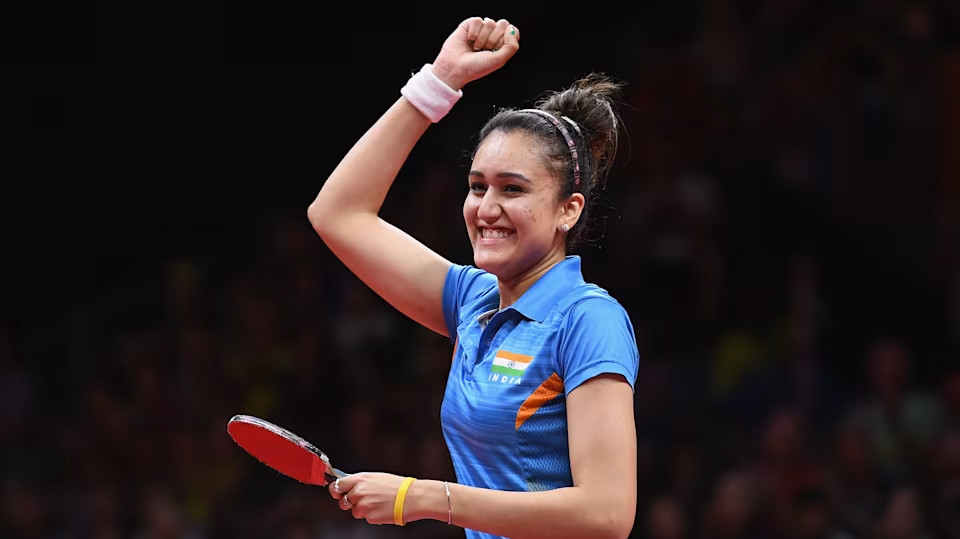
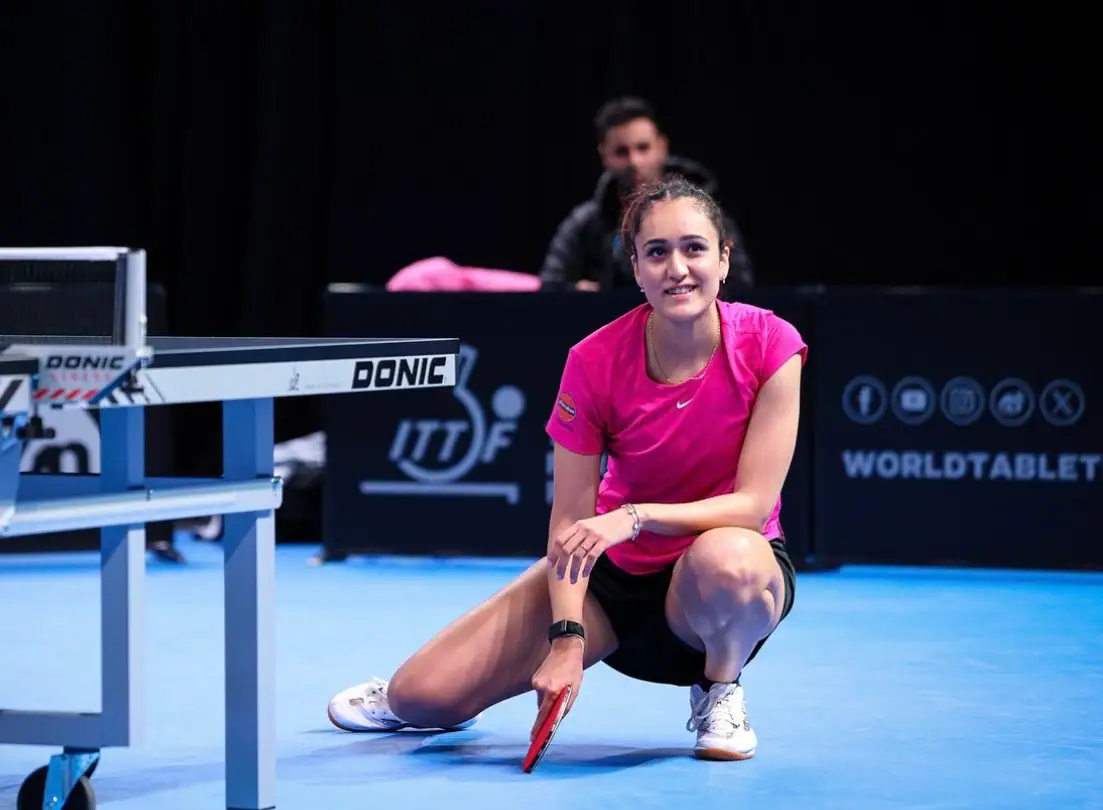
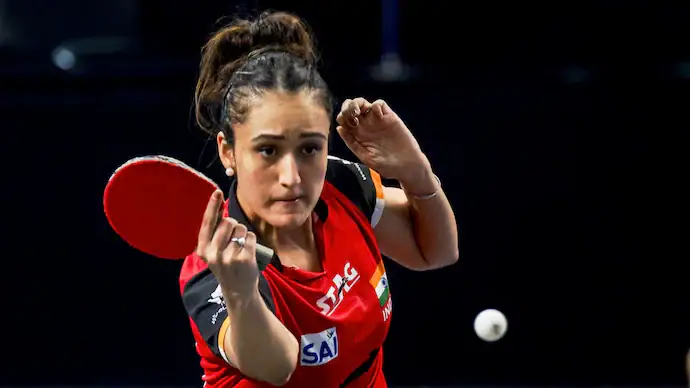
The announcement of India’s table tennis squad for the 2026 Asian Games has sparked considerable discussion, with one name drawing more attention than any other Manika Batra.
The country’s most recognizable table tennis player over the past decade has not been included in the main five-member women’s squad for the Games in Aichi-Nagoya, Japan. Instead, Manika has been named as a reserve, despite being ranked World No. 51, making her the second-highest ranked Indian woman in the latest international rankings behind Sreeja Akula.
For many fans, the decision came as a surprise. However, according to the Table Tennis Federation of India (TTFI), the selection was made in accordance with its established criteria, which considers a combination of international rankings and national rankings, rather than relying solely on world rankings or past achievements.
TTFI has maintained that the Asian Games squad was chosen through an objective process designed to reward players who have consistently met the prescribed benchmarks. The federation’s selection policy factors in both global performances and domestic standings, ensuring that players are evaluated across multiple competitions. While Manika’s world ranking remains among the best in the country, she reportedly did not satisfy the overall selection criteria used by the federation for automatic inclusion in the final squad. As a result, she has been placed on the reserve list rather than among the five primary selections.
The move underlines the federation’s emphasis on current selection norms instead of reputation or historical accomplishments.
Manika’s omission is significant because of what she has contributed to Indian table tennis over the years. She has been at the forefront of several landmark achievements, including Commonwealth Games medals, international titles and memorable victories over higher-ranked opponents. Her success has also played a major role in increasing the visibility of table tennis in India, inspiring a new generation of players and fans alike.
Given that background, many expected her to feature prominently in the Asian Games squad. The fact that she has instead been named as a reserve reflects the increasingly competitive nature of Indian women’s table tennis and the federation’s adherence to its selection framework.
The women’s team for Aichi-Nagoya will be led by Sreeja Akula, currently India’s highest-ranked player and one of the country’s most consistent performers on the international circuit. Joining her are Yashaswini Ghorpade, Diya Chitale, Sutirtha Mukherjee, and Syndrela Das, creating a squad that combines experienced internationals with younger players who have impressed through recent performances.
The selection highlights the depth India has developed in women’s table tennis, with several athletes competing closely for limited spots in the national team.
At first glance, Manika’s world ranking of 51 would appear sufficient for selection, particularly as she trails only Sreeja Akula among Indian women in the international standings. However, TTFI’s process does not rely exclusively on world rankings. The federation has clarified that national rankings and other selection parameters also play a role in determining eligibility. This approach is intended to reward sustained performance across multiple competitions rather than focusing on a single metric.
As a consequence, a player with a superior world ranking may still miss direct selection if the broader criteria are not met.
Although she has missed out on the main squad, Manika remains part of India’s Asian Games plans as a reserve player. This means she could still join the travelling contingent if circumstances require a replacement before the Games. Her inclusion as a standby also acknowledges her experience and ability to contribute at the highest level should the opportunity arise.
The debate surrounding Manika Batra’s exclusion is likely to continue, particularly given her stature within Indian table tennis and her impressive international ranking. At the same time, the federation’s decision reflects a broader commitment to transparent and performance-based selection policies. For the selected players, the focus will now shift to preparing for one of the toughest competitions in world table tennis. The Asian Games feature powerhouses such as China, Japan, South Korea and Chinese Taipei, making every team selection crucial.
For Manika, this chapter may serve as motivation for future competitions. With her proven quality and extensive experience, she remains an important figure in Indian table tennis, even if she will begin the Asian Games campaign as a reserve rather than a member of the main playing squad.
Comments (0)
to post comments, replies, and votes.
Loading comments…