WTT Contender Almaty: Manush Shah Stunned as Indian Women Shine in Kazakhstan
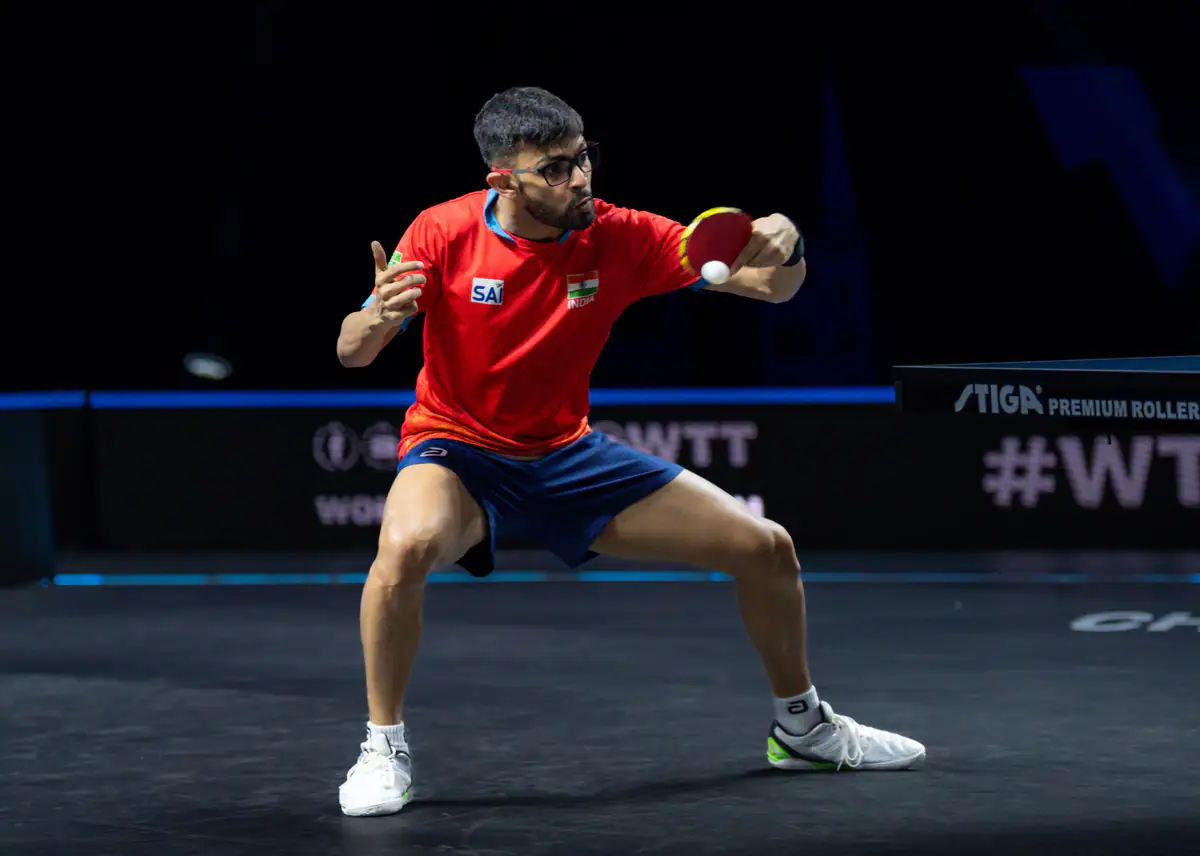
Manush Shah suffered a shock loss to World No. 258 Denis Ivonin at WTT Contender Almaty, while India’s women’s players produced several big results.
India's campaign at the WTT Contender Almaty 2026 has produced a mix of disappointment and encouragement, with Manush Shah suffering a stunning men's singles exit while India's women continued to make their presence felt across singles and doubles.
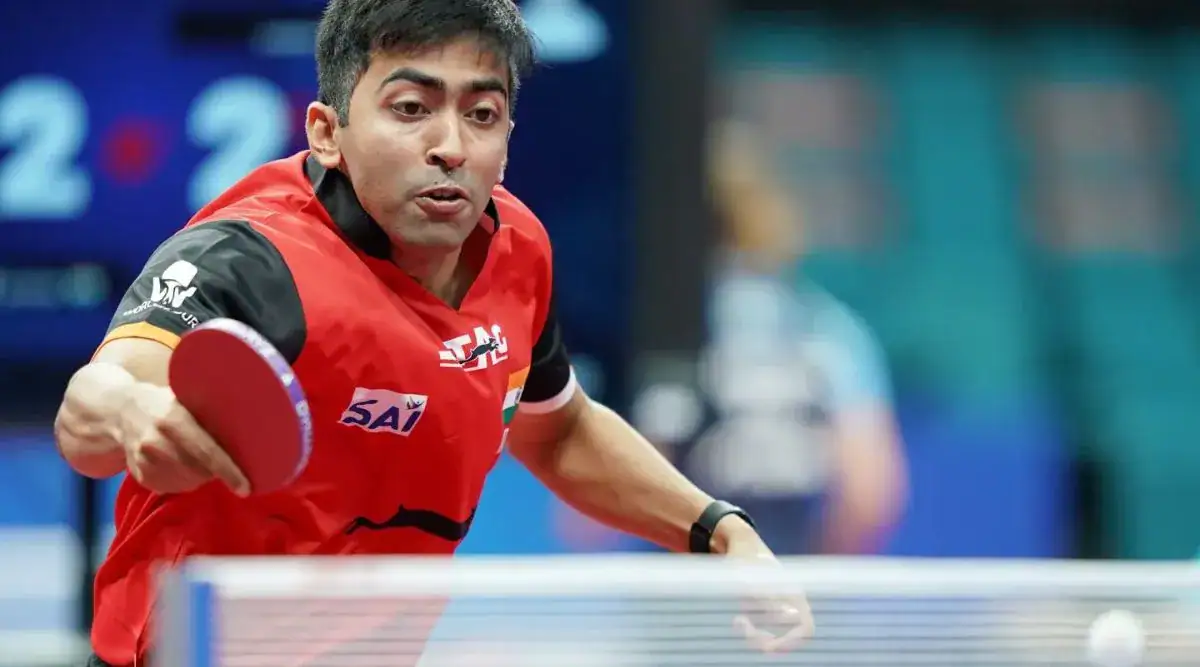
The biggest setback came in the men's singles Round of 16, where third seed and World No. 43 Manush Shah was beaten 0-3 by Russia's Denis Ivonin, ranked 258th in the world.
Ivonin's victory was particularly striking because he had entered the main draw only after coming through two qualifying matches. For Manush, it was an unexpectedly early end to what had looked like a promising campaign.
Manush arrived in Almaty as the third seed and the highest-ranked Indian remaining in the men's singles draw. Instead, his tournament ended against an opponent ranked more than 200 places below him. Ivonin produced the kind of upset that defines a WTT Contender tournament, taking the match in straight games and ending India's men's singles challenge in Almaty.
The result will undoubtedly be disappointing for the experienced Indian campaigner, particularly given his seeding and ranking advantage. It also highlighted the fine margins of table tennis, where a player who survives qualifying can suddenly find the rhythm and confidence needed to eliminate a seeded opponent.
With Manush's exit, India's challenge in men's singles came to an end at the tournament.
Yashaswini pushes World No. 18 Miyu Nagasaki
The women's singles campaign, however, offered considerably more encouragement. Yashaswini Ghorpade produced one of India's most spirited performances despite eventually losing to Japan's World No. 18 Miyu Nagasaki in the Round of 16. The 21-year-old Indian, ranked World No. 75, pushed the 24-year-old Japanese star all the way before going down 8-11, 9-11, 11-8, 13-15.
The scoreline tells the story of a match that could easily have gone deeper. After dropping the opening two games, Yashaswini fought back brilliantly to take the third 11-8. The fourth game then became an extraordinary battle, with both players repeatedly trading game points.
Yashaswini led at several crucial stages and had opportunities to force a decider, but Nagasaki eventually closed it out 15-13. The Indian's ability to push a player ranked inside the world's top 20 will nevertheless provide plenty of confidence.
At just 21, Yashaswini has already shown the ability to compete against established international stars, and performances such as this suggest that bigger results could be around the corner.
Yashaswini's tournament is not over. Partnering Diya Parag Chitale, she has reached the semifinals of women's doubles.
The top-seeded Indian pair defeated Russia's Arina Slautina and Alina Zavarykina 3-0 in the quarterfinal stage to book their place in the last four. It gives Yashaswini an opportunity to immediately respond after her narrow singles defeat, while Diya also continues to make an impact in the doubles draw. Another Indian combination has also reached the women's doubles semifinals.
Third seeds Sutirtha Mukherjee and Syndrela Das defeated a home-favourite pairing 3-1 in the second round to progress to the last four. With two Indian women's doubles teams in the semifinals, the country has a genuine chance of finishing the tournament with silverware.
Swastika Ghosh delivers one of India's biggest upsets
Earlier in the tournament, Swastika Ghosh produced one of the standout results of the competition. Ranked World No. 149, Swastika stunned fourth seed and World No. 25 Miyuu Kihara of Japan in the Round of 32. She won 13-11, 11-7, 5-11, 11-7, defeating a player ranked more than 120 places above her. Swastika showed remarkable composure in the opening game, recovering from a tight battle to take it 13-11. She then won the second 11-7 to put herself firmly in control.
Kihara fought back in the third, but Swastika immediately restored her advantage in the fourth, closing out one of the biggest upsets of her young career. The victory sent her into the Round of 16 and provided another reminder of India's growing depth in women's table tennis.
Yashaswini had also begun her singles campaign impressively, defeating Valeria Shcherbatykh in the Round of 32.
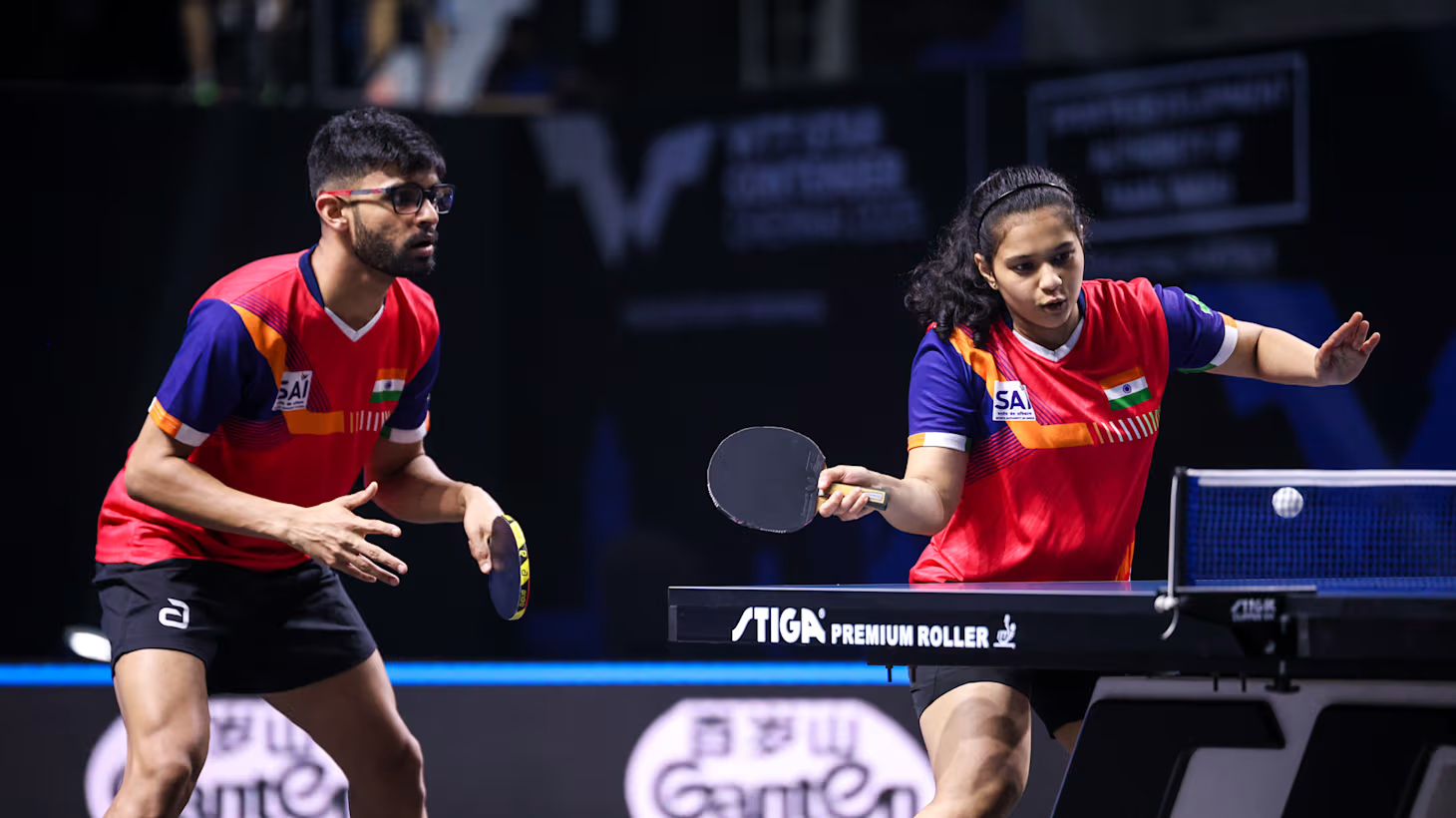
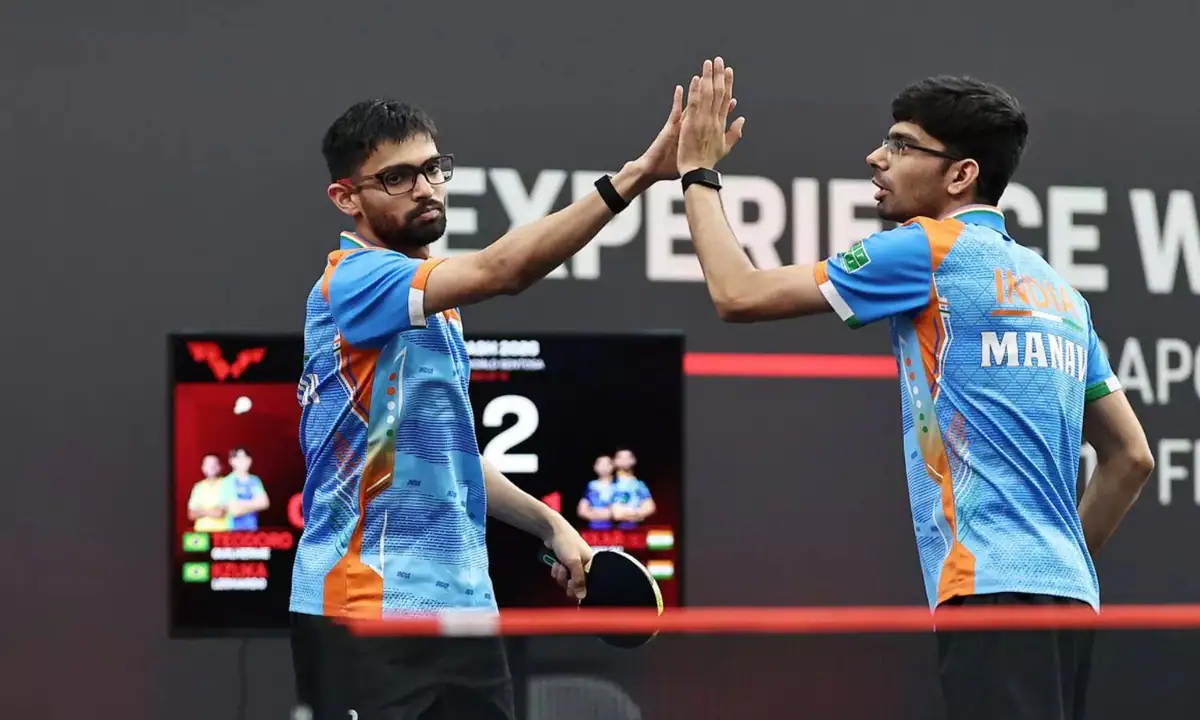
The mixed doubles draw brought contrasting results. India's top-seeded pair of Diya Chitale and Manush Shah lost 1-3 in the quarterfinals, while the third-seeded combination of Syndrela Das and Payas Jain also suffered a 1-3 defeat at the same stage.
That ended India's mixed doubles challenge. Still, the women's doubles results ensure the Indian contingent remains firmly in contention for medals in Almaty.
The overall picture from Almaty is therefore mixed. Manush Shah's defeat to a qualifier-ranked No. 258 is undoubtedly the biggest disappointment, particularly given his third seeding and World No. 43 ranking. But India's women have provided plenty of reasons for optimism.
Swastika Ghosh has already produced a major upset against a World No. 25 opponent. Yashaswini Ghorpade pushed World No. 18 Nagasaki to the limit in singles and has now reached the women's doubles semifinals with Diya Chitale.
Sutirtha Mukherjee and Syndrela Das have also joined them in the last four. For Yashaswini especially, the narrow singles defeat could prove less important than the performance itself. She demonstrated that she can challenge a top-20 player and was just two points away from forcing a deciding game.
With the women's doubles semifinals still to come, India retain a strong opportunity to turn an inconsistent Almaty campaign into a memorable one.
Comments (0)
to post comments, replies, and votes.
Loading comments…