AFI Sets Clear Roadmap for U-20 Worlds 2026 Selection with Multi-Event Trials and Strict Standards
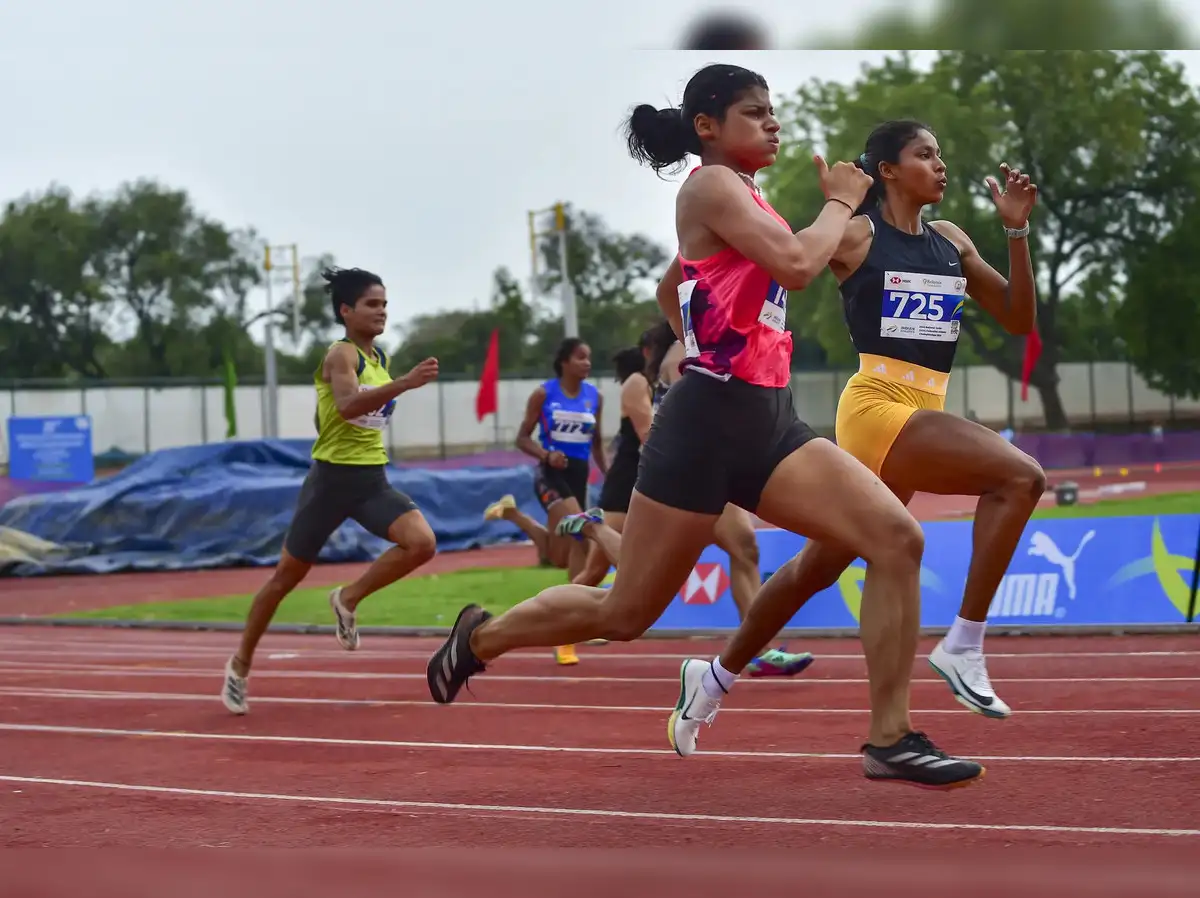
The Athletics Federation of India (AFI) has outlined a structured and performance-driven selection framework for the 2026 World Athletics Under-20 Championships, scheduled to take place from August 5 to 9 in Eugene, USA.
The criteria reflect a clear shift towards measurable benchmarks and competitive consistency, with multiple domestic events forming the backbone of the selection process. At the core of the selection pathway are three key domestic competitions. The ongoing National Junior Federation Cup in Tumkur will serve as the primary qualification platform for combined events such as decathlon and heptathlon, along with race walking disciplines. This ensures that athletes in technically demanding, multi-discipline events are assessed in a competitive environment suited to their specific requirements.
For track and field specialists, the Indian Athletics Series will play a decisive role. The ninth leg of the series, scheduled for June 13 in Ludhiana, will cover middle- and long-distance events along with throws. Events such as the 1500m, 3000m, 5000m, 3000m steeplechase, and key throwing disciplines including shot put, discus, hammer, and javelin will be contested. The following day, June 14, the tenth leg in Trivandrum will focus on sprint, hurdles, and field events. This includes the 100m, 200m, 400m, 800m, sprint hurdles, 400m hurdles, and field events such as high jump, pole vault, long jump, and triple jump. The split across two venues ensures that athletes compete in conditions aligned with their event categories, while also allowing AFI to evaluate performances across a broad spectrum.
One of the most significant aspects of the selection criteria is the emphasis on automatic qualification. Only one athlete per event will be guaranteed selection based on performance, provided they meet the prescribed standards. This introduces a high level of competitiveness, as athletes are effectively competing not just for qualification marks but also for a singular confirmed spot. The possibility of a second entry exists but remains at the discretion of the AFI selection committee. This provision allows flexibility in cases where multiple athletes demonstrate strong performances, but it also reinforces that selection is not solely dependent on meeting minimum standards.
Another important component of the selection framework is the consideration of performances at the Asian U-20 Athletics Championships, scheduled in Hong Kong from May 28 to 31. Athletes who perform well at this continental event may strengthen their case for selection, provided they have also participated in the designated domestic trials and maintained consistent performance levels.
The qualification standards themselves reflect a rigorous benchmark aligned with international competitiveness. In the men’s category, sprint standards are set at 10.51 seconds for the 100m and 21.51 seconds for the 200m, while the 400m mark stands at 47.11 seconds. Middle-distance and long-distance events require times such as 1:50.55 in the 800m and 3:44.54 in the 1500m.
Field events also carry demanding marks, with the long jump set at 7.56m, triple jump at 15.60m, and javelin throw at 68.98m. Combined events like the decathlon require a score of 7505 points, indicating the level of all-round performance expected. In the women’s category, the standards are similarly competitive. The 100m qualification is set at 11.64 seconds, while the 200m and 400m standards are 23.40 seconds and 53.09 seconds respectively. Field event benchmarks include 6.09m in the long jump and 49.61m in the javelin throw, with the heptathlon requiring a score of 5207 points.
These standards serve a dual purpose. They ensure that selected athletes are capable of competing at the global level while also creating a clear performance target for those aiming to qualify. By aligning domestic benchmarks with international expectations, AFI is attempting to bridge the gap between national success and global competitiveness. From a structural standpoint, the selection process emphasises performance under competition conditions rather than isolated results. Athletes must deliver at designated events, ensuring that selection is based on current form rather than historical achievements. This approach is particularly relevant in junior athletics, where rapid development and variability in performance are common.
The decision to spread trials across multiple competitions also reduces the risk of one-off performances determining selection. Athletes have multiple opportunities to meet standards, encouraging consistency across events.
For emerging athletes, this framework provides clarity. The pathway to selection is defined, with specific competitions and benchmarks outlined well in advance. This allows for targeted preparation, both in terms of training cycles and competition planning. At the same time, the emphasis on a single automatic selection per event increases pressure. Athletes not only need to meet qualification standards but also outperform their peers. This competitive environment is likely to elevate overall performance levels, particularly in events where multiple athletes are close to the required marks.
As the 2026 World U-20 Championships approach, the focus will now shift to execution. The upcoming Indian Athletics Series meets in Ludhiana and Trivandrum will be critical, as athletes look to secure their spots.
The framework set by AFI reflects a broader intent—to create a system where selection is transparent, performance-driven, and aligned with international standards. The success of this approach will ultimately be measured by how well Indian athletes translate these opportunities into competitive performances on the global stage.
Comments (0)
to post comments, replies, and votes.
Loading comments…