Asia Rugby Emirates Sevens Series 2026: India Set to Face Asia’s Best in Suzhou

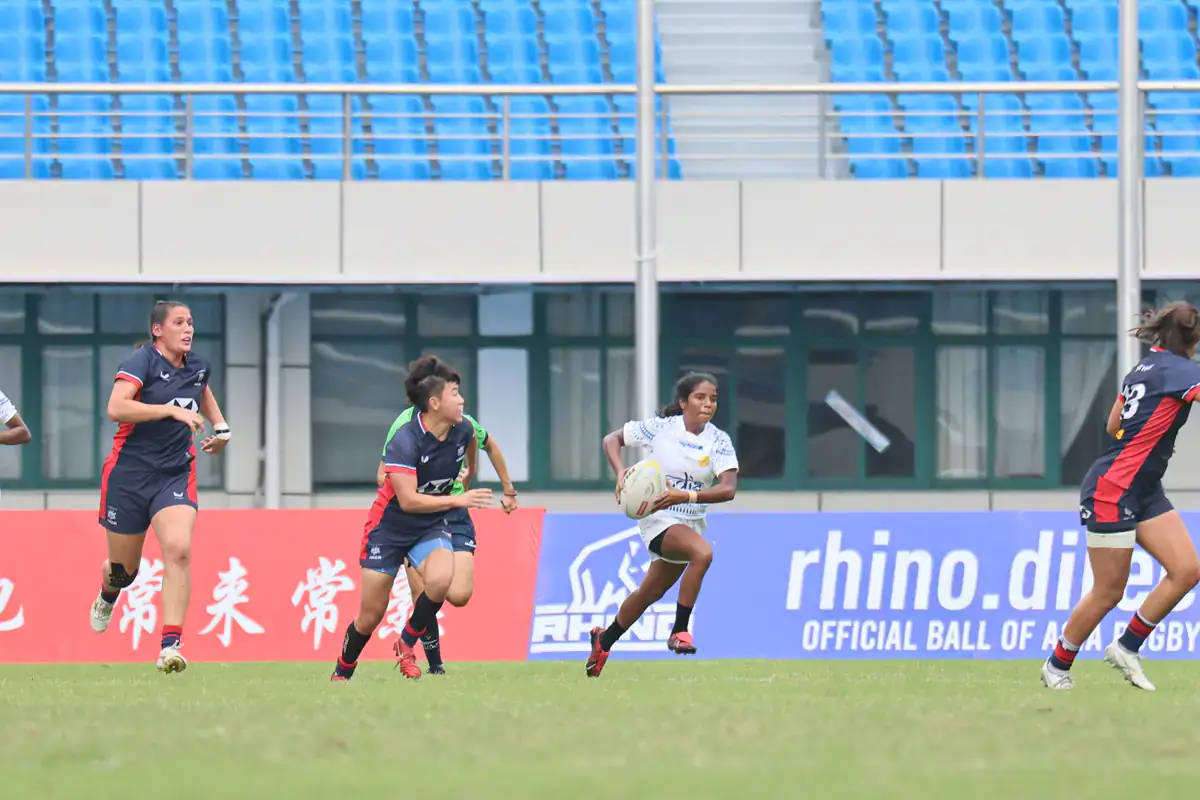
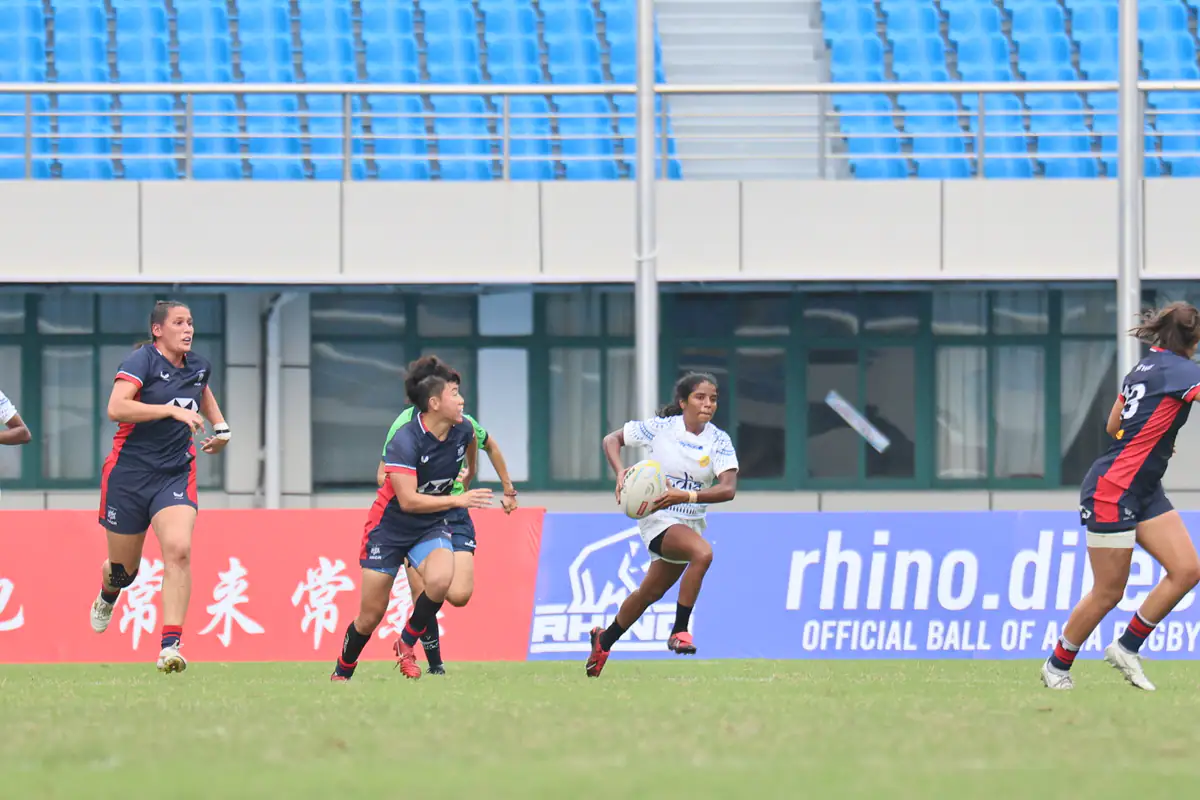
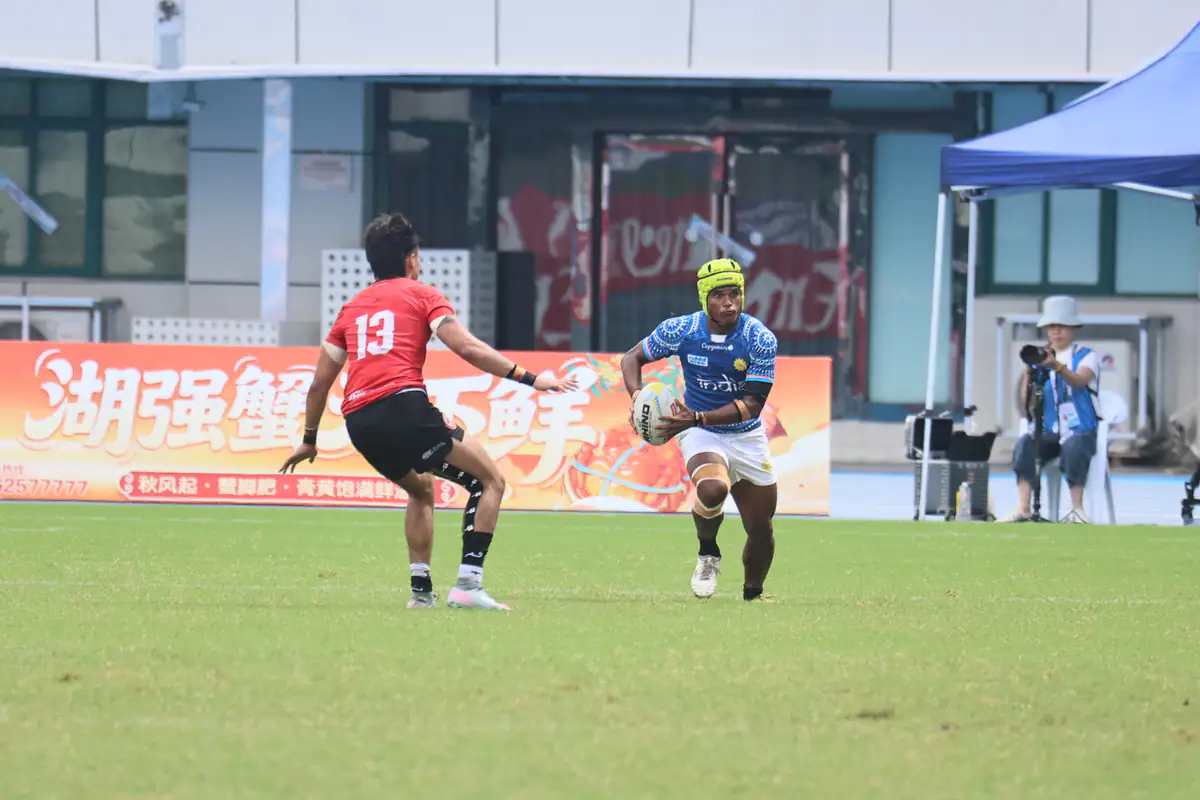
The Asia Rugby Emirates Sevens Series returns for its 2026 edition on August 29-30, with 24 of Asia’s leading men’s and women’s national teams set to gather in Suzhou, China, for the opening round of the region’s premier annual rugby sevens competition.
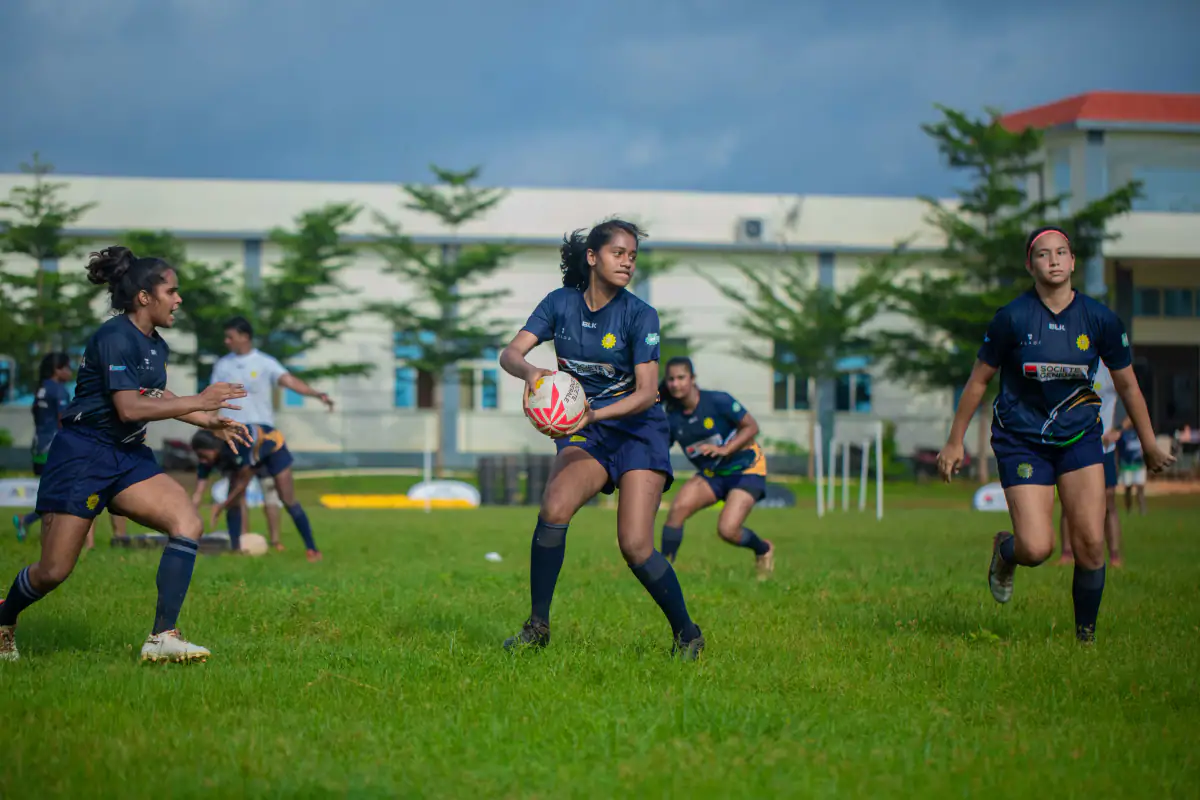
For India, the tournament represents an important new chapter. The Indian men's and women's teams have earned promotion to the Series after successful campaigns at the Asia Rugby Emirates Sevens Trophy in Muscat, Oman, giving the country an opportunity to compete regularly against the strongest sevens teams in Asia. The two-round competition will also serve as an important preparation platform ahead of the Aichi-Nagoya 2026 Asian Games, which will be held in October.
India Earns Promotion to Asia’s Top Level
India's inclusion in the 2026 Series comes after the men's team secured promotion through the Emirates Sevens Trophy. Kazakhstan also earned promotion in the men's competition, while Iran and Uzbekistan secured promotion in the women's tournament. For Indian rugby, the opportunity is significant. Competing at the highest level of Asia Rugby's annual regional sevens structure will expose the players to stronger opposition and provide the coaching staff with an important benchmark ahead of the Asian Games.
The men's competition will feature India alongside established teams such as Japan, Hong Kong China, Sri Lanka, China, United Arab Emirates, Thailand, Malaysia, Singapore and Korea. The women's competition will also include India, with Japan, China, Thailand, Hong Kong China, Kazakhstan, Singapore, UAE, Malaysia, Sri Lanka, Uzbekistan and Iran completing the field.
Suzhou Opens the 2026 Series
The opening round will take place in Suzhou on August 29 and 30. The eastern Chinese city, known for its historic gardens and rapidly developing modern infrastructure, will provide the setting for two days of high-level rugby sevens. For India, the Suzhou tournament will offer the first opportunity to test its squads against the full strength of the regional competition.
The short, intense nature of sevens rugby makes every match an important test of conditioning, tactical discipline and squad depth. Teams have limited time to recover between matches, placing significant demands on players and requiring coaches to manage their squads carefully. India will therefore be looking not only for results but also for combinations that can be carried into the Asian Games.
The timing of the Emirates Sevens Series makes it particularly relevant for teams preparing for Aichi-Nagoya 2026.
The Asian Games will be one of the biggest sporting targets of the year for rugby sevens teams across the continent. The Series provides national teams with competitive matches against the same regional opponents they could potentially encounter in October. For India, the experience could prove invaluable.
The matches will allow players to adjust to the speed and intensity of international sevens while giving coaches an opportunity to identify strengths and weaknesses before the Asian Games. Building combinations is another key priority. With only seven players on the field, communication and understanding between teammates can have an enormous impact on the outcome of a match.
The inclusion of India, Kazakhstan, Iran and Uzbekistan also highlights the development pathway created by Asia Rugby. All four nations earned their places through the Emirates Sevens Trophy, demonstrating how the regional competition structure can provide emerging rugby nations with a route to the highest level.
For India, promotion means more than participation in a single tournament. It provides an opportunity to compete against stronger teams and gain experience that can accelerate the development of the national programme. Since its establishment in 2009, the Asia Rugby Emirates Sevens Series has developed into one of the region's key annual competitions. The tournament has provided a platform for teams that have gone on to compete at the Asian Games, Rugby World Cup Sevens and Olympic qualification events.
India's arrival at this level is therefore an important step in its own development journey.
Colombo to Decide the Champions
Following the opening round in Suzhou, the series will move to Colombo, Sri Lanka, on October 17-18 for the second and final round. The 2026 champions will be crowned in Colombo, with the title race expected to remain open until the final tournament. For India, the two rounds provide an opportunity to build momentum across the season rather than relying on a single competition. Performances in Suzhou will offer an early indication of how the promoted teams can compete against Asia's established powers.
The timing of the Colombo round also means teams will be coming off the Asian Games, making it an important continuation of the international calendar.
The return of the Asia Rugby Emirates Sevens Series comes at a crucial stage for Indian rugby. The promotion of both Indian teams represents progress through the regional pathway, but the next challenge is significantly harder. Japan, China, Hong Kong China and other established rugby nations will provide a much tougher examination than India has faced at the Trophy level.
That challenge is precisely what makes the series valuable.
For India's players, every match in Suzhou will offer experience against higher-quality opposition. For the coaches, it will provide data and insight ahead of the Asian Games. And for Indian rugby as a whole, regular participation at this level can help raise the standard of the national programme.
The 2026 Asia Rugby Emirates Sevens Series therefore represents more than another tournament. It is a test of how far India has progressed, an opportunity to learn from Asia's best and an important stepping stone towards the Asian Games.
With Suzhou ready to welcome the region's leading teams, India's next chapter in Asian rugby begins on August 29.
Comments (0)
to post comments, replies, and votes.
Loading comments…