BWF Unveils Major World Tour Revamp for 2027-30; India Open Retains Elite Status
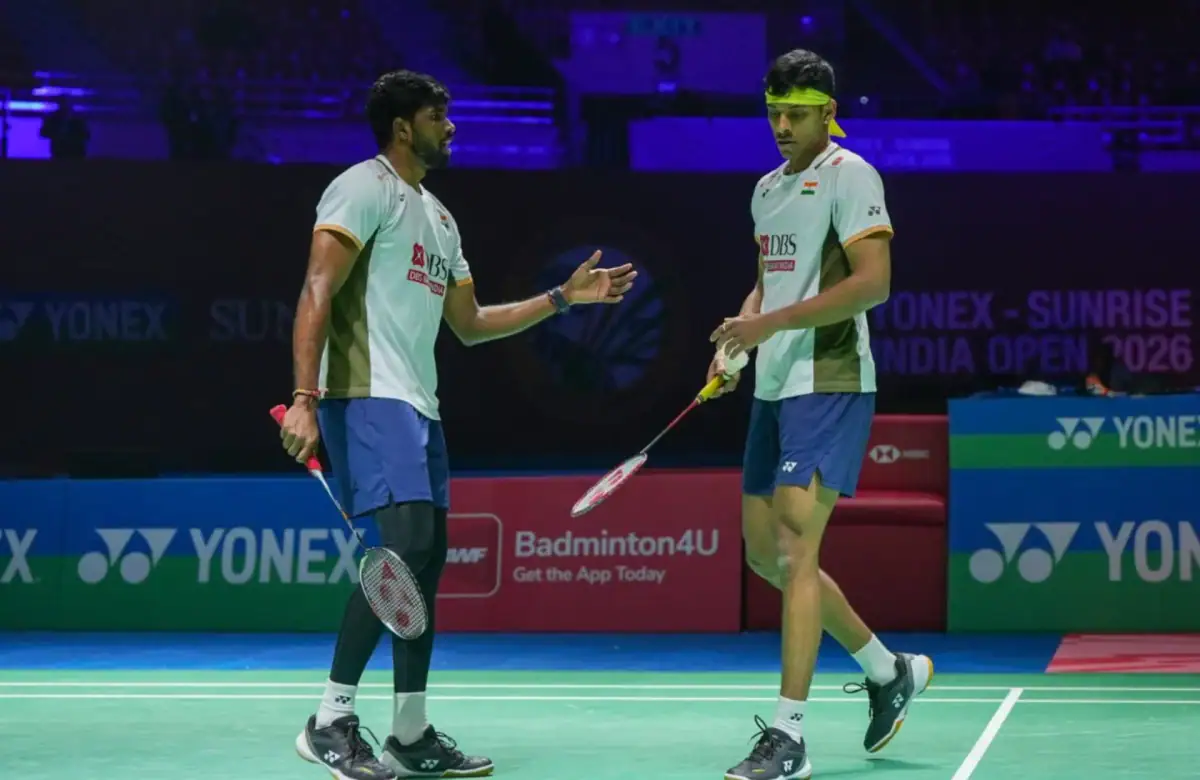
The Badminton World Federation (BWF) has confirmed a series of significant structural changes to the World Tour for the 2027-2030 cycle, introducing a revamped tournament calendar, changes in event classifications, a new competition format for Super 1000 events, and revised scheduling for key tournaments across the globe.
For India, the biggest takeaway is the retention of the India Open as a Super 750 tournament, ensuring the country continues to host one of the world's premier badminton events. However, the Syed Modi India International has been downgraded from a Super 300 event to Super 100, reflecting the increasing competition among member associations to host higher-tier tournaments.
The changes form part of BWF's broader strategy to modernise professional badminton by balancing player welfare, commercial growth, broadcast requirements and competitive opportunities.
Despite fierce competition from host nations worldwide, India has successfully retained its flagship event. The India Open will continue as a BWF Super 750 tournament, keeping it among the top five tournaments below the elite Super 1000 category. The event remains one of the most prestigious competitions on the international calendar and will continue attracting the world's leading shuttlers.
The tournament will now be held from February 2 to 7 in 2027, while the 2028 edition is scheduled from January 25 to 30. The shift in scheduling for 2027 comes after concerns raised by several international players regarding weather conditions and air quality during previous editions held in January. Moving the tournament slightly later into February is expected to provide more favourable playing conditions while maintaining its position early in the international calendar.
The India Open will continue to be staged at the Indira Gandhi Indoor Stadium in New Delhi.
Syed Modi India International Downgraded
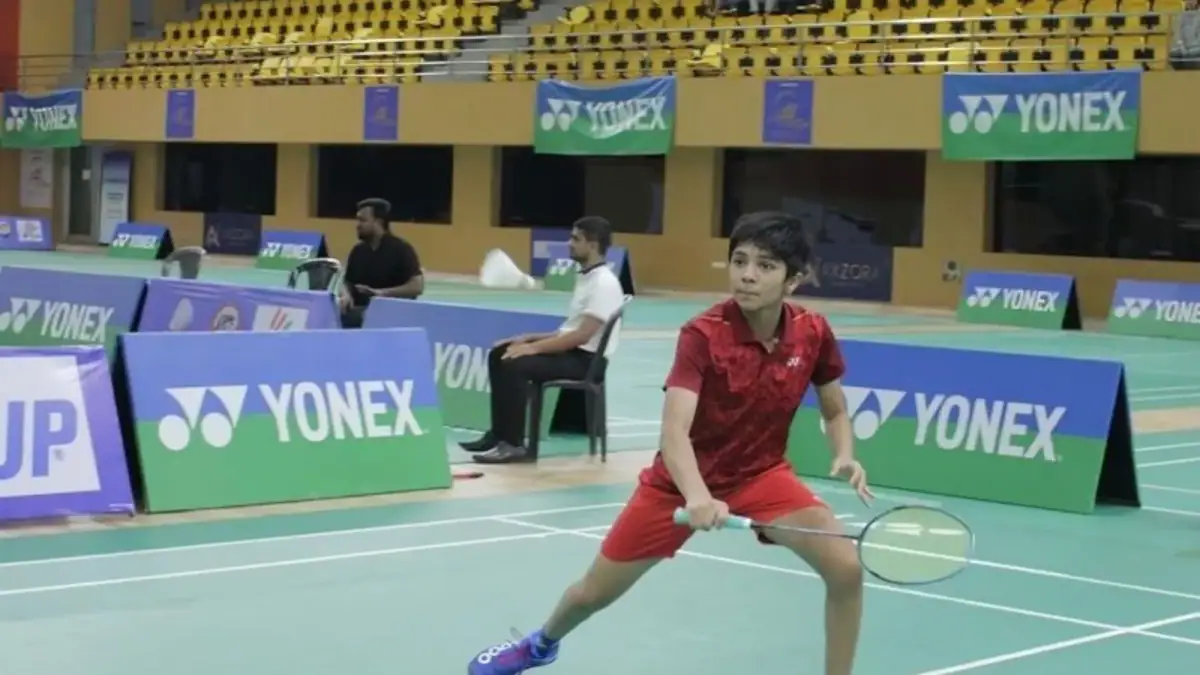
While the India Open retained its elite status, the Syed Modi India International has undergone a significant change. The Lucknow-based tournament has been reclassified as a Super 100 event after previously holding Super 300 status. Although the downgrade represents a reduction in ranking points and prize money, the tournament will remain part of the official BWF World Tour structure under the newly integrated system.
Another notable change is its place on the calendar. Traditionally played towards the end of the year, the Syed Modi tournament will now move to the last week of July.
The 2027 edition will be held from July 27 to August 1, while the 2028 tournament is scheduled from July 25 to 30. The revised schedule is expected to reduce weather-related disruptions caused by winter fog and low temperatures in Lucknow, while also providing players with another competitive event during the middle of the season.
Super 1000 Events Expand to 11 Days
One of the most significant changes announced by the BWF concerns the sport's highest-tier regular tournaments. Beginning in 2027, all five Super 1000 tournaments will be played over 11 days, spanning two weekends instead of the traditional week-long format. The expanded schedule aims to improve player recovery, reduce physical workload during tournaments and maximise commercial opportunities for organisers and broadcasters.
The five Super 1000 events in the new cycle will be:
Malaysia Open
All England Open
Indonesia Open
China Open
Denmark Open (promoted from Super 750)
The Denmark Open's promotion means Europe now hosts two Super 1000 tournaments alongside the historic All England Championships. The longer tournament format is also expected to improve spectator attendance by creating two weekends of marquee badminton action while allowing broadcasters greater flexibility in scheduling premium matches.
Introduction of the 3x15 Scoring System
Another landmark change is the introduction of the 3x15 rally-point scoring system, which will replace the long-standing 3x21 format from January 4, 2027. Games will now be played to 15 points, with players still required to win by two points. If the score reaches 20-all, the next point will decide the game. The shorter format is expected to produce faster matches while placing greater emphasis on strong starts and tactical execution.
To help domestic players prepare for the transition, the Badminton Association of India (BAI) has already begun implementing the new scoring format across national competitions, giving Indian players several months to adapt before it becomes mandatory internationally.
The BWF has also introduced a unified six-tier World Tour system for 2027-2030. For the first time, Super 100 tournaments will be fully integrated into the World Tour ranking pathway, giving emerging players greater opportunities to earn valuable ranking points.
The annual calendar will comprise:
World Tour Finals
5 Super 1000 tournaments
5 Super 750 tournaments
9 Super 500 tournaments
8 Super 300 tournaments
8 Super 100 tournaments
The governing body has simultaneously increased prize money across every tournament category while extending its global media partnership with Infront until 2034 to significantly expand international broadcast coverage.
While India will host fewer top-tier tournaments than in previous cycles, retaining the India Open as a Super 750 event remains a significant achievement. The tournament continues to provide Indian players with an opportunity to compete against the world's best on home soil while offering valuable ranking points in front of home fans. The Syed Modi India International's transition to Super 100 also ensures India maintains an important developmental tournament for rising shuttlers. With Super 100 events now integrated into the main World Tour ranking system, the competition will remain valuable for young Indian players aiming to break into the elite circuit.
The changes announced by the BWF represent one of the most comprehensive restructurings of international badminton in recent years. From expanded Super 1000 events and a new scoring system to revised calendars and tournament classifications, the 2027-2030 cycle is set to reshape the sport globally.
For Indian badminton, the challenge will now be to adapt quickly to the new structure while continuing to produce players capable of competing successfully across every level of the revamped BWF World Tour.
Comments (0)
to post comments, replies, and votes.
Loading comments…