Is BWF's Packed Tournament Calendar Hurting Badminton? Players, Fans Raise Fresh Concerns
The Badminton World Federation (BWF) has once again found itself at the centre of criticism after a string of high-profile withdrawals during the Indonesia Open Super 1000 reignited concerns over the sport's demanding international calendar.
While badminton has evolved into one of the most physically demanding racket sports, the scheduling of elite tournaments has increasingly come under scrutiny. The recent back-to-back staging of the Singapore Open Super 750 and the Indonesia Open Super 1000, separated by only a couple of days, left many players visibly fatigued and unable to perform at their best. The debate has once again shifted from competition to athlete welfare, with players, coaches and fans questioning whether the current structure prioritises commercial interests over the long-term health of athletes.
One of the biggest concerns lies in BWF's mandatory participation regulations. Under the current rules, the world's top 15 singles players and top 10 doubles pairs are required to compete in all four Super 1000 tournaments, all six Super 750 events and at least two Super 500 tournaments each season. Players are exempt only under specific circumstances, such as verified medical reasons or promotional commitments approved by the federation.
Failure to participate can result in a substantial financial penalty of USD 50,000 for each missed tournament.
On paper, the rule ensures that the biggest stars compete regularly, benefiting fans, broadcasters and tournament organisers. However, when elite tournaments are scheduled within days of each other, players are often left with little choice but to compete despite physical exhaustion.
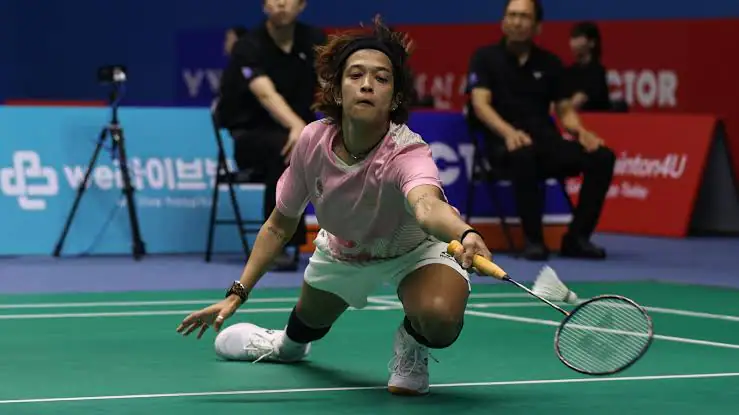
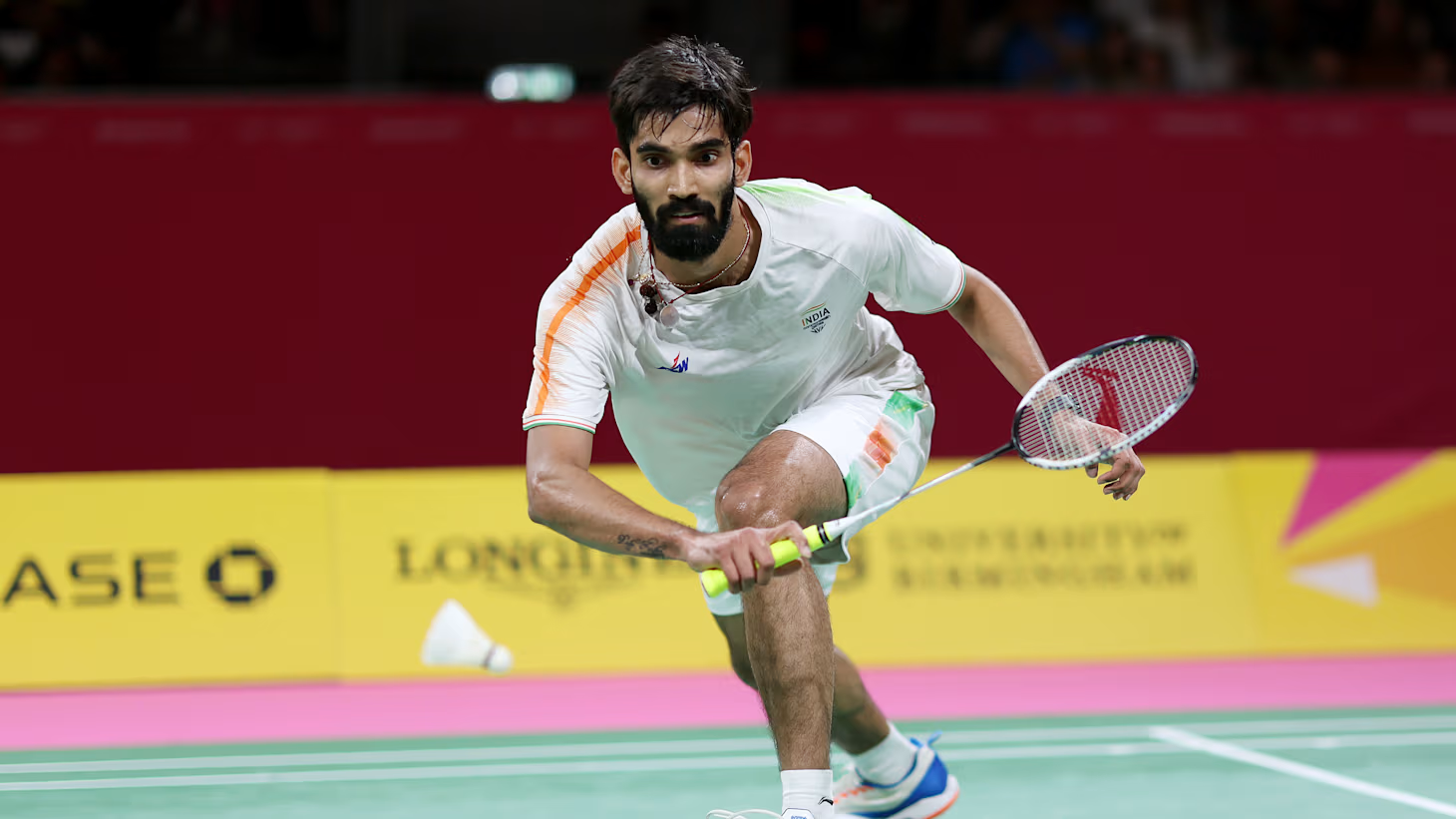
Few examples illustrate the issue better than Singapore's Loh Kean Yew. The former world champion produced one of the standout performances of the Singapore Open, reaching the latter stages after spending an extraordinary 316 minutes on court. Every one of his matches went the full distance against high-quality opposition, including India's Kidambi Srikanth and HS Prannoy, Japan's Koki Watanabe, Chinese Taipei's Chi Yu Jen, and France's Alex Lanier.
Such an intense workload would challenge even the fittest athletes. Just two days later, Loh was back on court at the Indonesia Open because, as one of the world's leading players, he could not afford to skip a mandatory Super 1000 event. His campaign ended abruptly when he retired during his opening-round match after the contest entered the deciding game, highlighting the physical toll created by the schedule.
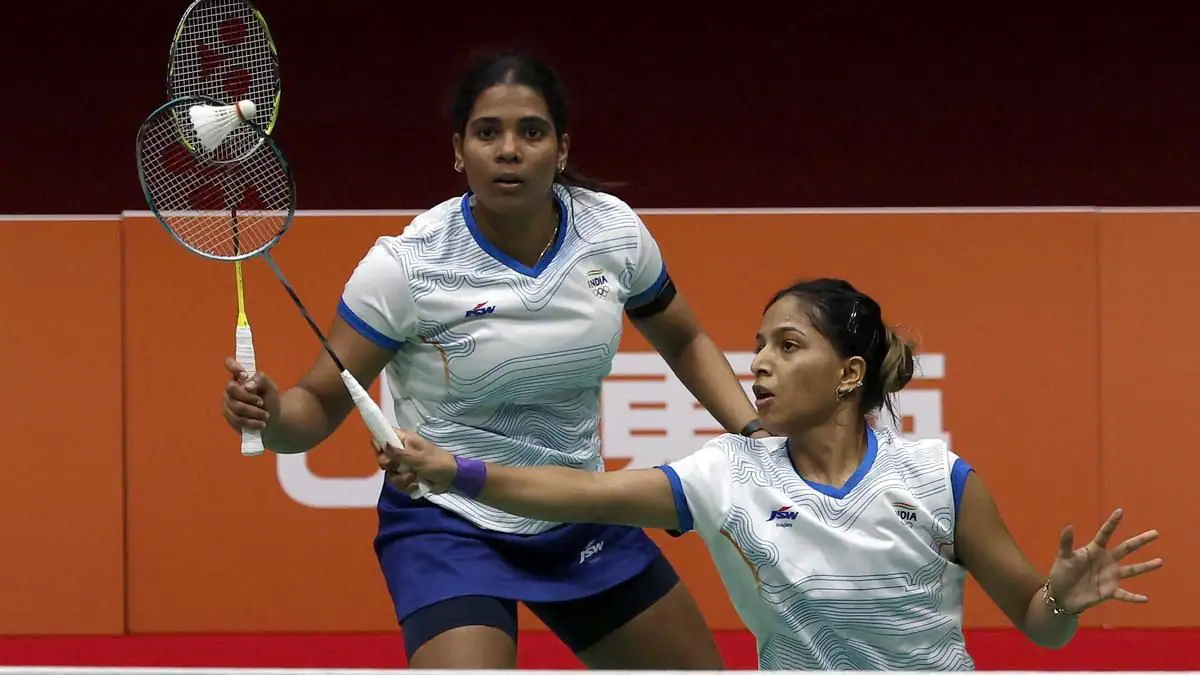
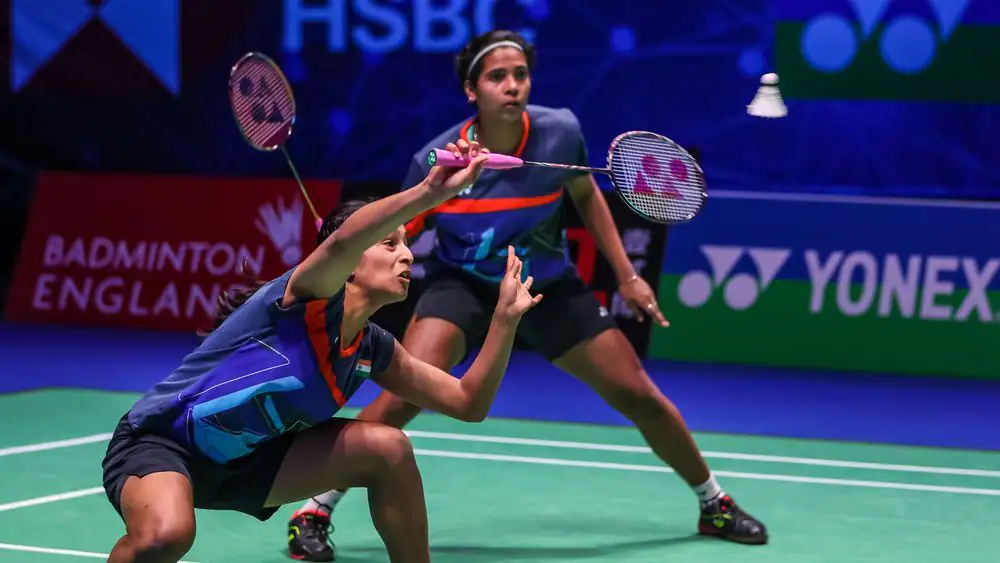
India's premier men's doubles pair, Satwiksairaj Rankireddy and Chirag Shetty, experienced a similar situation. Fresh from winning the Singapore Open title, where they spent 325 minutes on court, the Indian duo arrived in Jakarta with little recovery time. Their title run included a memorable semifinal victory over World No. 1 pair Kim Won-ho and Seo Seung-jae, ending the Korean pair's remarkable 34-match winning streak.
However, the physical demands of consecutive tournaments soon became evident. During their opening-round match at the Indonesia Open, Sathwik and Chirag retired after only 17 points.
For Rankireddy, who had only recently returned from injury, the turnaround between tournaments was particularly challenging. The retirement was another reminder of the difficulties players face under the current scheduling system.
Modern badminton demands exceptional physical fitness. Elite matches frequently exceed one hour, requiring repeated explosive movements, rapid changes of direction, high-speed rallies and intense mental concentration. Unlike previous generations, today's players compete in longer rallies and maintain significantly higher average speeds throughout matches.
Recovery has therefore become as important as training itself. Athletes in their late twenties and thirties, in particular, require additional recovery time to maintain peak performance across an entire season. While extraordinary players such as Olympic champion An Se Young have demonstrated the ability to perform consistently despite packed schedules, expecting every athlete to sustain that level is unrealistic.
Exceptional individuals should not become the benchmark for scheduling decisions affecting the entire professional circuit.
The issue extends beyond the sport's biggest stars. Mid-ranked players often compete in multiple Super 300 tournaments in an effort to improve their rankings before entering higher-tier events. This season, several Super 300 tournaments were followed almost immediately by the Singapore Open Super 750 and Indonesia Open Super 1000.
For players outside the top 20, this creates an even greater challenge. Many travel continuously for several weeks while attempting to earn ranking points, secure qualification for major championships and manage limited financial resources. With the BWF World Championships approaching, maintaining both physical condition and competitive form becomes increasingly difficult.
At the same time, BWF is also testing synthetic shuttlecocks in selected international competitions. The initiative aims to reduce dependence on traditional goose feather shuttlecocks while addressing sustainability concerns and reducing bird cruelty. However, many players remain unconvinced.
According to several athletes, synthetic shuttlecocks behave differently in flight and provide a distinct feel compared to feather shuttles. Because elite badminton has evolved around the characteristics of feather shuttlecocks, even subtle differences can influence shot selection, defensive techniques and overall match strategy. While innovation is important, many within the badminton community believe significant changes should only be introduced after extensive consultation with players and coaches.
There is little doubt that badminton has grown enormously over the past decade. The expanded World Tour has increased the sport's global reach, provided more ranking opportunities and generated greater commercial value. However, sustainable growth depends on protecting the athletes who drive that success. Finding a better balance between mandatory participation, tournament scheduling and player recovery should become a priority for BWF.
Spacing major tournaments more effectively, reviewing participation rules and ensuring adequate recovery periods could help reduce injuries while maintaining the quality of competition.
The current calendar has once again highlighted that elite badminton cannot simply demand more from its athletes without considering the physical consequences. As the sport continues to evolve, BWF faces an important challenge: growing badminton globally while ensuring that player welfare remains at the heart of every decision.
Comments (0)
to post comments, replies, and votes.
Loading comments…