BWF World Championships 2026: Can Satwik-Chirag overcome Liang-Wang hurdle to return to the medal podium?
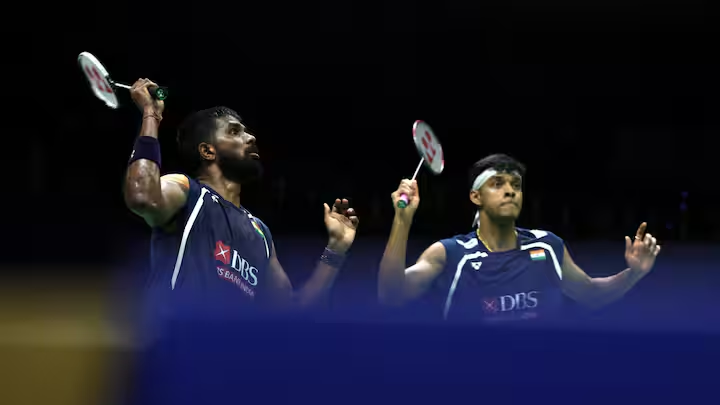
Satwiksairaj Rankireddy and Chirag Shetty face China’s Liang Wei Keng and Wang Chang in the BWF World Championships 2026 quarterfinals, with a medal at stake.
Satwiksairaj Rankireddy and Chirag Shetty stand one win away from another BWF World Championships medal, but their path to the semifinals runs through one of the most familiar and difficult rivalries of their careers.
The fifth-seeded Indian pair will take on China’s third seeds Liang Wei Keng and Wang Chang in the men’s doubles quarterfinals of the BWF World Championships 2026 in New Delhi on Friday. A victory will guarantee Satwik and Chirag a medal and keep India’s World Championships medal streak alive.
For Satwik and Chirag, this is more than just another quarterfinal. Liang and Wang have been a recurring obstacle in their journey over the last few seasons, producing some of the most intense matches in modern men’s doubles.
The head-to-head record currently tilts in favour of the Chinese pair. From the nine meetings shown in the available head-to-head history, Liang and Wang have won six, while Satwik and Chirag have won three. The rivalry, however, has rarely been straightforward. Five of their last six meetings have gone to three games, underlining just how little separates the two elite combinations.
That history makes Friday’s contest one of the biggest tests of the Indian pair’s World Championships campaign.
Satwik and Chirag know exactly what to expect from Liang and Wang. The Chinese pair are among the quickest combinations on the circuit, capable of maintaining a relentless pace in flat exchanges. Their ability to turn defence into attack is particularly dangerous, while their speed at the front court often puts opponents under immediate pressure.
Liang’s anticipation and court coverage combine effectively with Wang’s speed and attacking instincts. When they are allowed to dominate the first three or four shots of a rally, they can make even the world’s best pairs look reactive. For Satwik and Chirag, the challenge will be to prevent that.
The Indian pair’s biggest strength remains their attacking structure. Satwik’s power from the rear court gives them the ability to finish rallies quickly, while Chirag’s interception and control at the net can disrupt an opponent’s rhythm. At their best, they are among the few pairs capable of matching Liang and Wang for speed while also generating greater attacking pressure.
Their previous victories against the Chinese pair have shown that the formula is there. Satwik and Chirag need to seize the initiative early, keep Chirag active around the net and ensure Satwik gets enough opportunities to unleash from the back court. If the Chinese pair are allowed to dictate a flat, defensive exchange for prolonged periods, the Indians could find themselves constantly scrambling.
A hard-fought route to the quarterfinals
The Indian pair’s journey into the last eight has already tested their resilience. After receiving a bye in the opening round and a walkover in the next, Satwik and Chirag entered the Round of 16 without much match time at the tournament. Their first competitive outing came against Malaysia’s Junaidi Arif and Yap Roy King, and it was far from easy.
Satwik and Chirag lost the opening game 21-23 despite saving two game points. They then found themselves trailing 16-18 in the second game but held their nerve to level the match with a 21-19 win. The decider followed a similar pattern.
The Indians were down 12-15 before producing another comeback. They drew level at 17-17 and then won the final four points to seal a 21-17 victory and book their place in the quarterfinals. (Khel Today)
That fightback could prove important heading into the Liang-Wang clash. The win over the Malaysians was not a flawless performance, but it gave Satwik and Chirag something they had not received through their opening matches: competitive court time under pressure.
They have now experienced the shuttle conditions, the speed of the court and the demands of a tight World Championships contest.Chirag also indicated after the Malaysian match that the slow shuttles had encouraged their opponents to play a flatter game, an important tactical factor as the Indians prepare for another fast and physical doubles battle.
The importance of starting strongly
One area Satwik and Chirag will want to improve is their start. Against Junaidi and Yap, they were forced to chase the match after losing the opening game. Against Liang and Wang, recovering from an early deficit could be even more difficult. The Chinese pair have the ability to build momentum quickly. If they establish a lead and begin controlling the net, they can force opponents into rushed lifts and predictable attacking patterns.
Satwik and Chirag must therefore make the opening phase count.
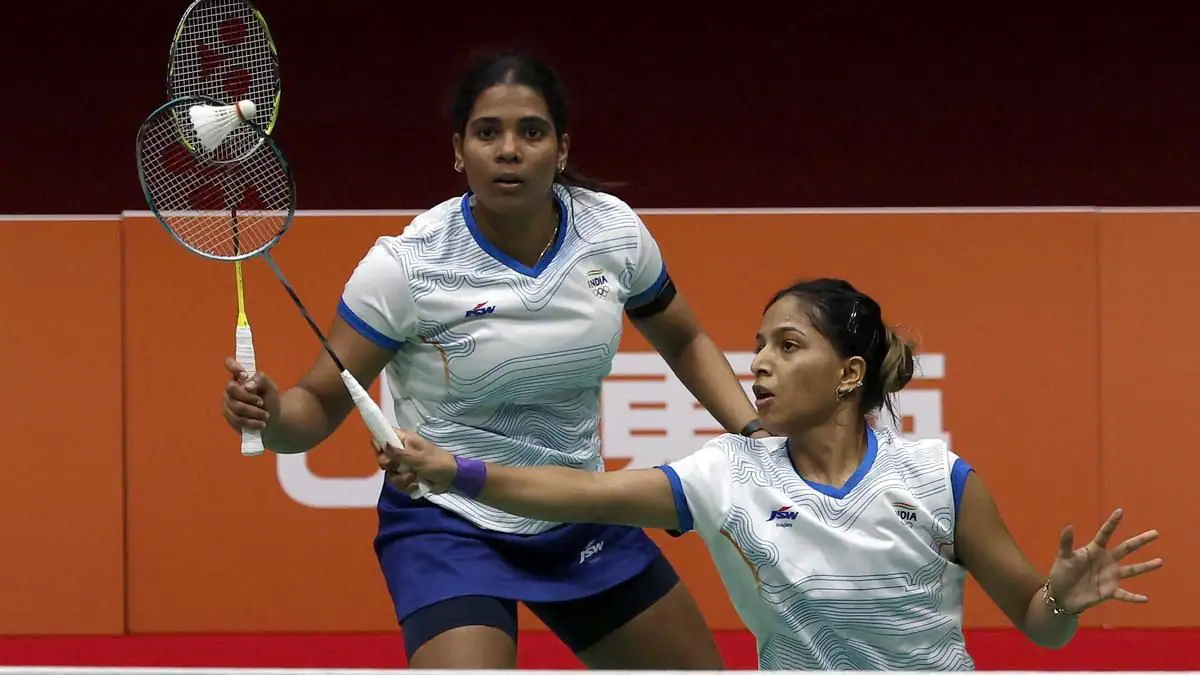
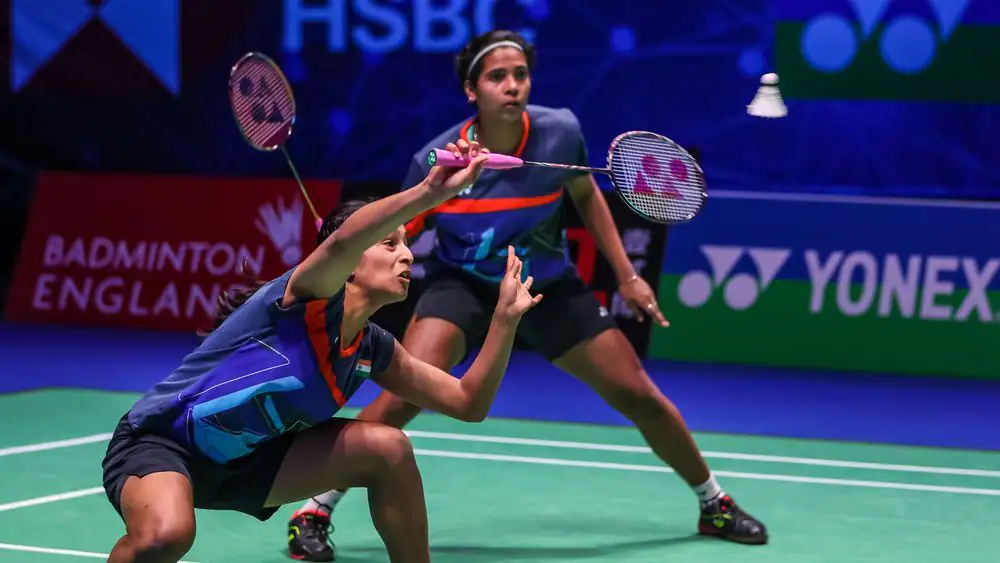
Treesa-Gayatri Stand on the Brink of Ending India’s 11-Year Wait at World Championships
Service returns will be crucial. Chirag, in particular, will need to be sharp in the first few shots and prevent Liang and Wang from getting easy attacking opportunities. Satwik’s ability to put pressure on the Chinese pair from the back court could then create the openings needed for Chirag to finish at the net.
The Indians must also remain patient. This rivalry has repeatedly produced long matches and momentum swings. Trying to finish every rally with one spectacular shot could play into Liang and Wang’s hands. Satwik and Chirag will need to choose their attacking moments while remaining disciplined during the defensive exchanges.
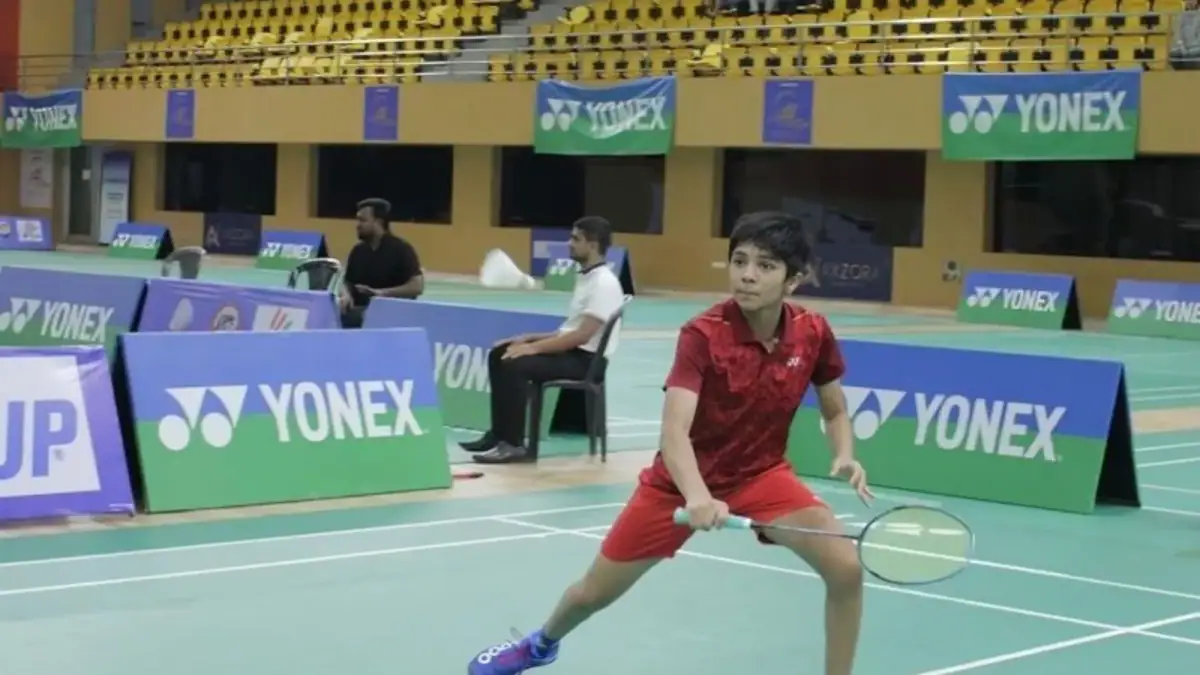
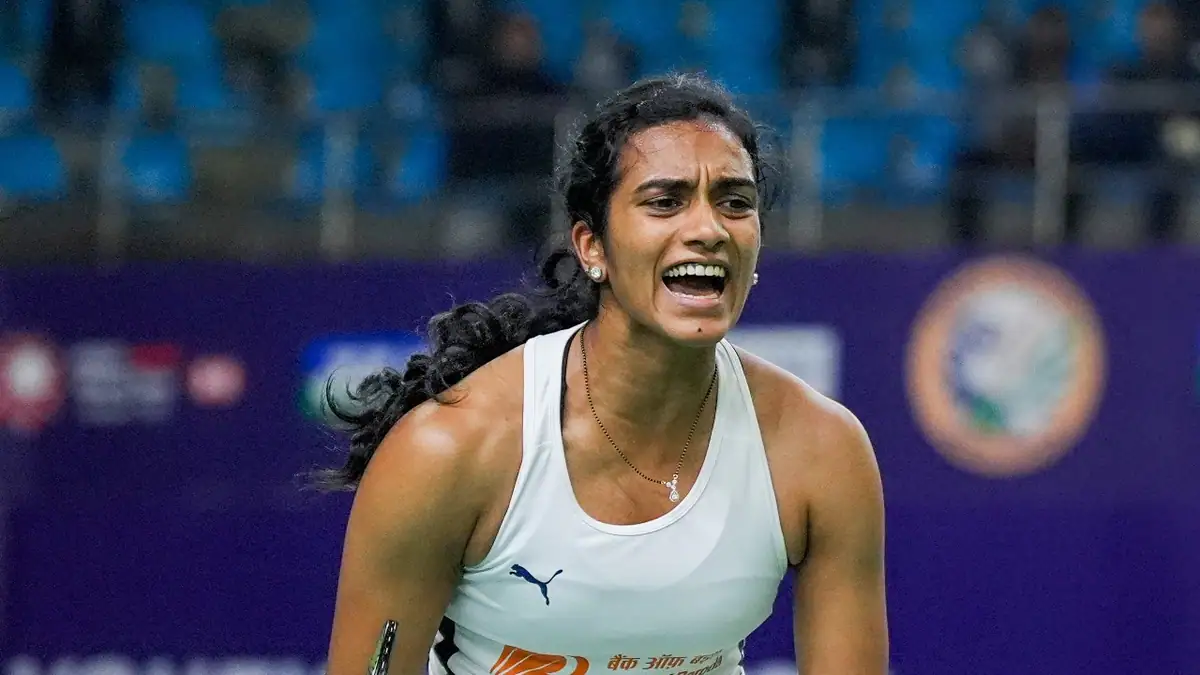
The stakes could hardly be higher. With PV Sindhu, Ayush Shetty and the mixed doubles pair of Dhruv Kapila and Tanisha Crasto already out, India’s World Championships medal hopes now rest on its two remaining doubles pairs. Satwik-Chirag and Treesa Jolly-Gayatri Gopichand are both one victory away from securing medals.
For Satwik and Chirag, a semifinal place would mean another medal at the World Championships and a return to the podium after their bronze-medal performances in previous editions. More importantly, beating Liang and Wang would send a powerful message.
The Indians have shown repeatedly that they can defeat the Chinese pair. But with the World Championships entering the decisive stage, they now have an opportunity to turn that belief into one of the biggest wins of their campaign.
The head-to-head numbers may favour Liang and Wang. The seeding may favour the Chinese pair. But Satwik and Chirag have already shown in New Delhi that they can recover from difficult positions and deliver when the pressure is at its highest.
On Friday, they will need to do it again.
And this time, a place on the World Championships podium is the reward.
Comments (0)
to post comments, replies, and votes.
Loading comments…