FIBA U18 Asia Cup 2026: India Set to Host in Ahmedabad After 17 Years
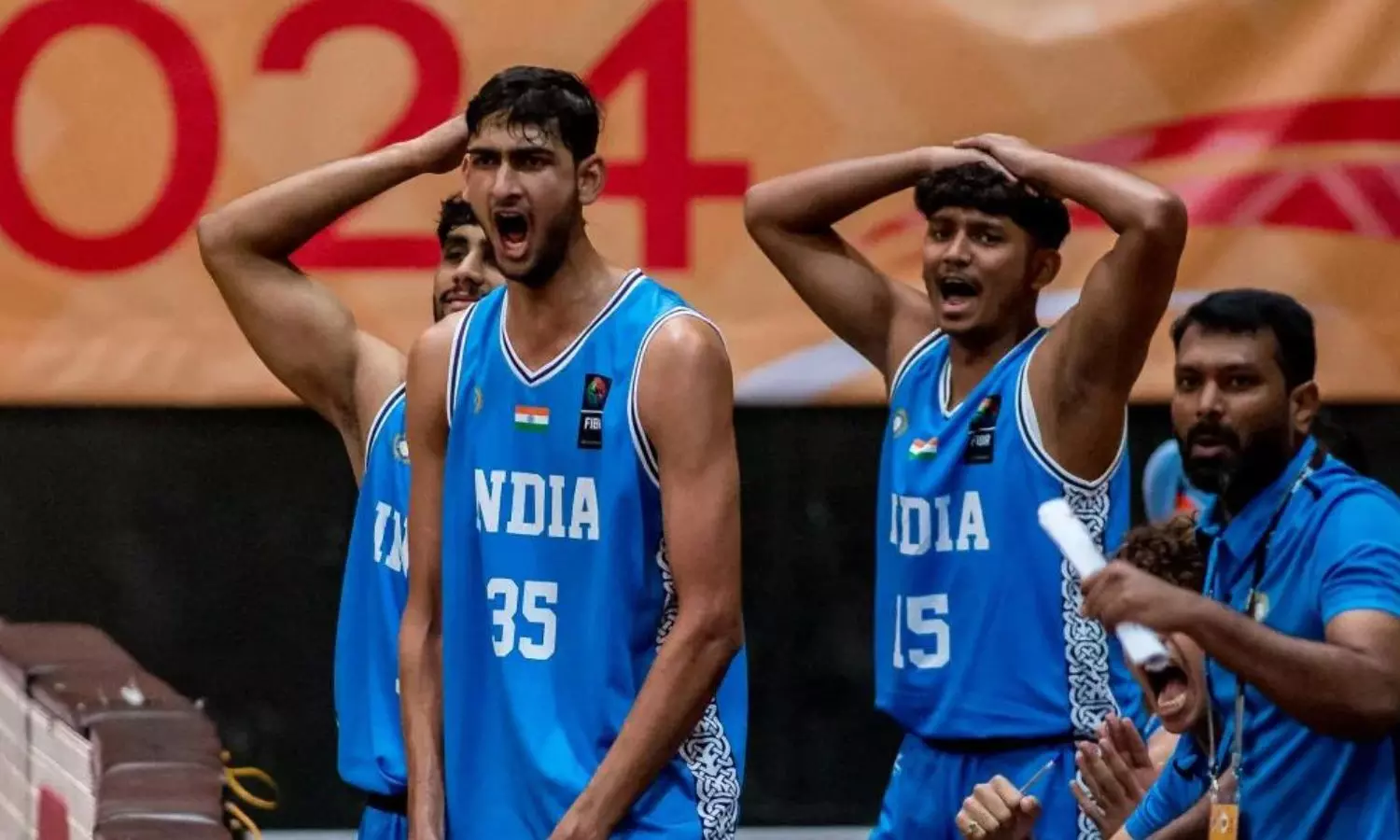
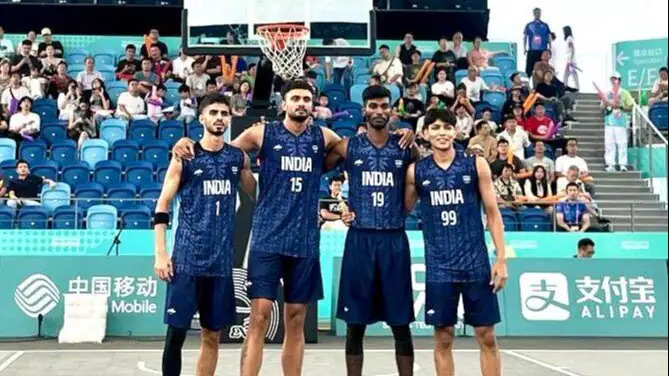
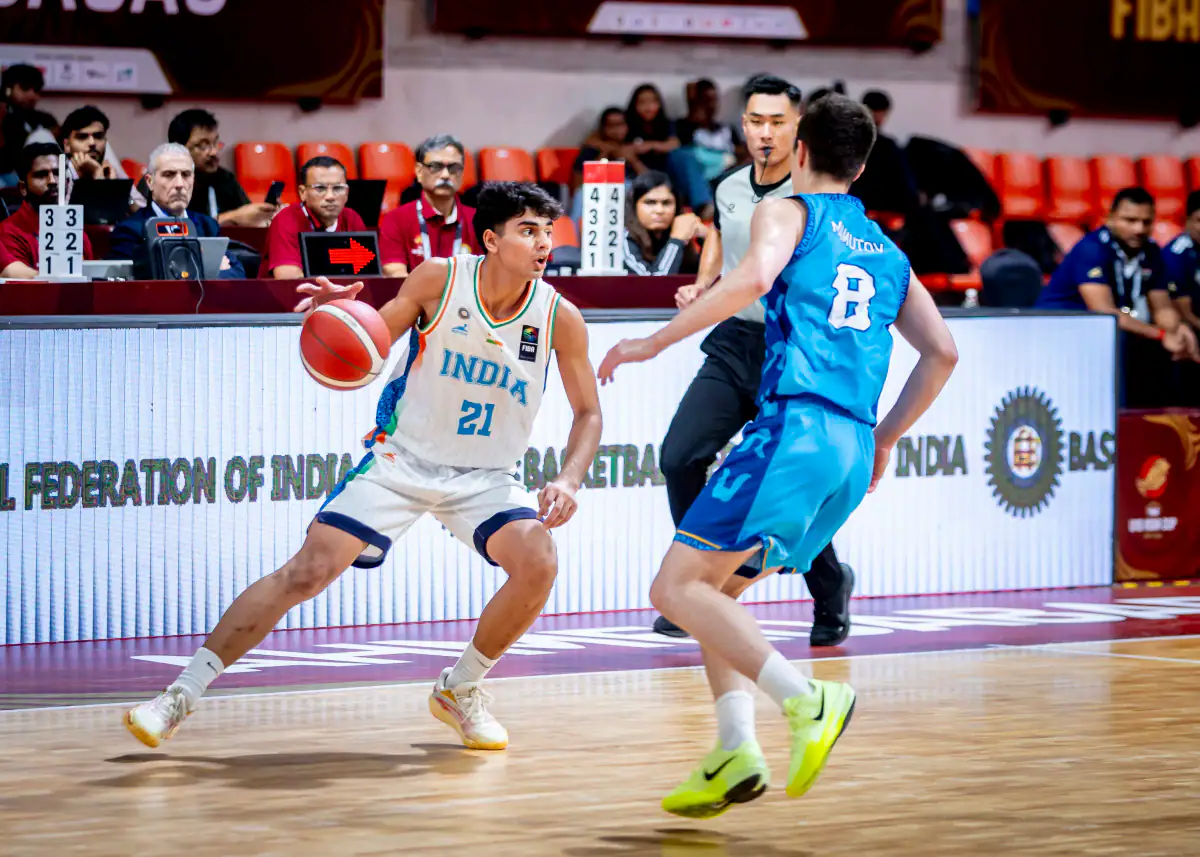
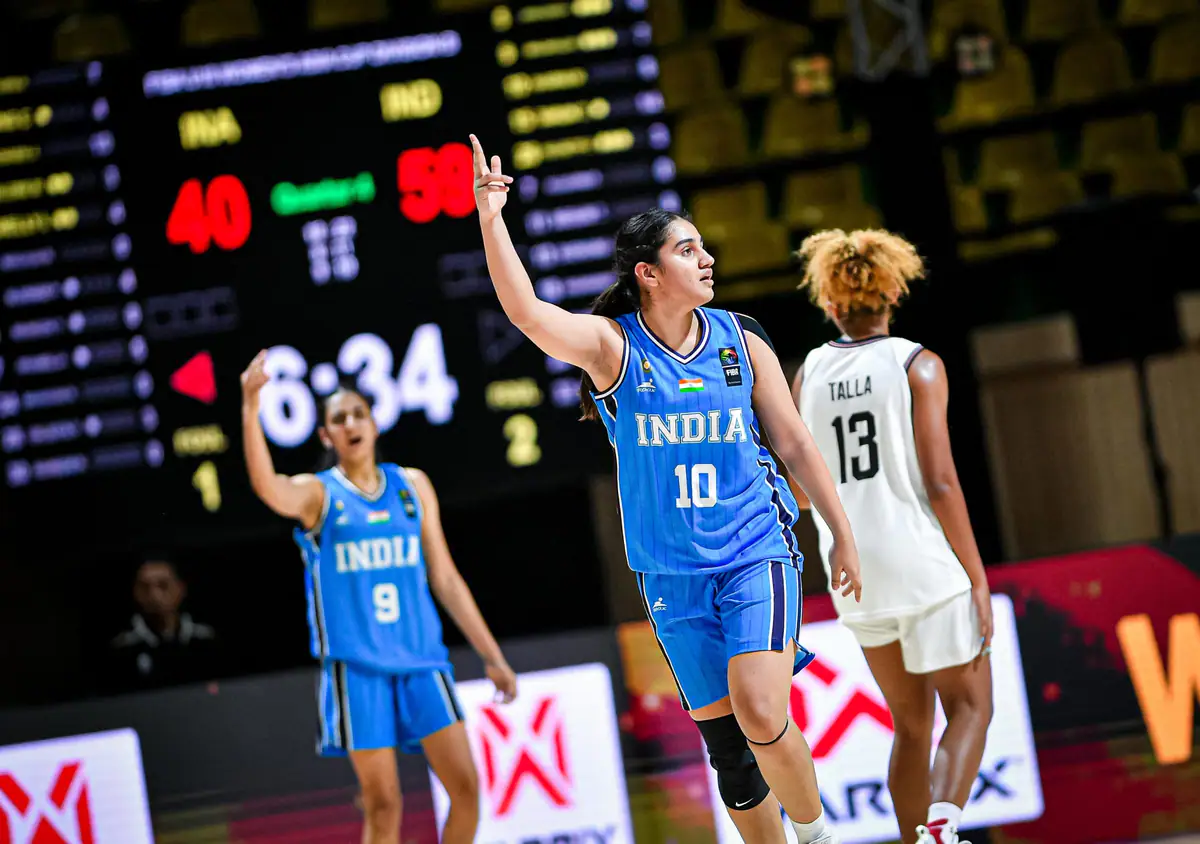
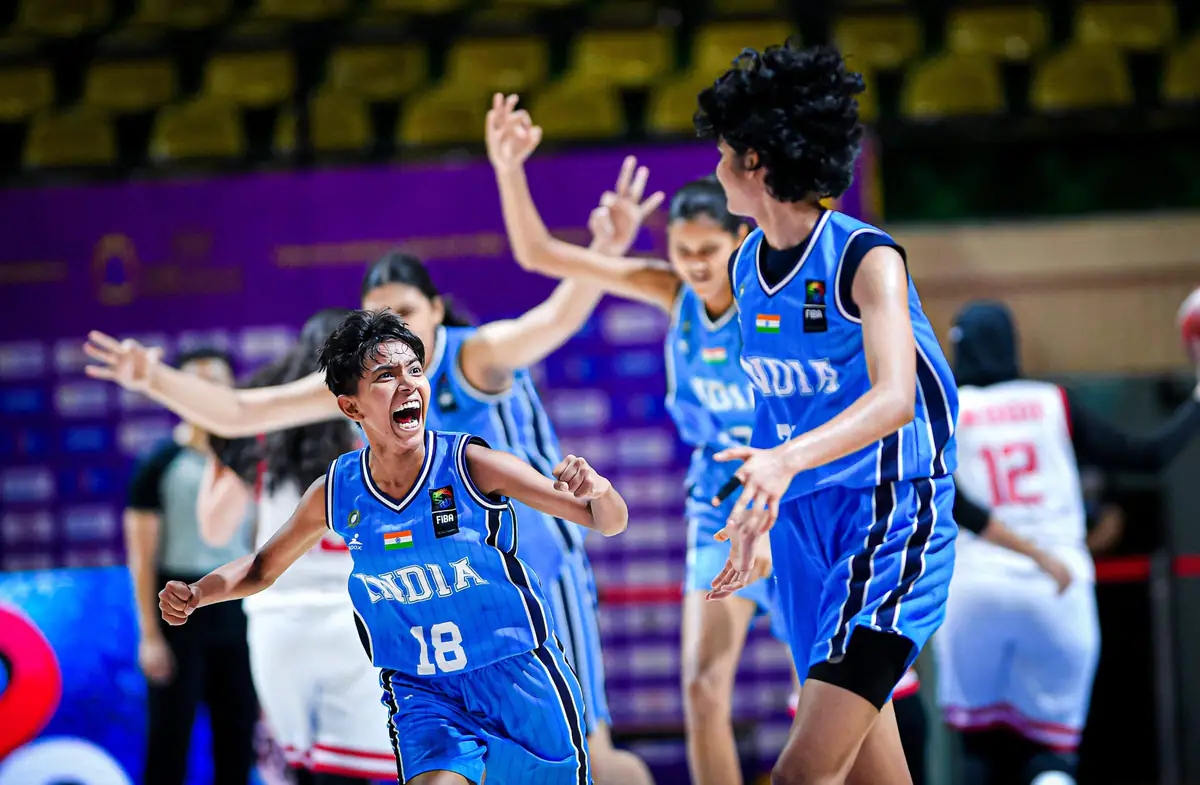
India is set to host one of its most significant basketball events in recent history, with the FIBA U18 Asia Cup scheduled to take place in Ahmedabad from August 13 to 23, 2026.
The tournament marks the return of a major FIBA event to Indian soil after a gap of 17 years, underlining the country’s renewed ambitions in the sport. For Indian basketball, this is more than just a hosting opportunity it is a critical moment in its developmental trajectory. The 2026 edition will be only the third time India hosts this premier continental youth competition. The country previously staged the tournament in 1998 (Kolkata) and 2004 (Bengaluru), both editions that played a significant role in shaping Asian basketball narratives.
The 1998 tournament, for instance, marked the international emergence of Yao Ming, while the 2004 edition saw Iran announce itself as a new powerhouse with a dominant title-winning run. These historical precedents add weight to the 2026 edition. The Ahmedabad tournament is expected to serve as a similar platform for identifying the next generation of Asian basketball talent.
Ahmedabad’s selection as the host city reflects India’s growing investment in sports infrastructure. The matches are set to be held at the EKA Arena by TransStadia, a state-of-the-art facility designed to meet international standards. The venue’s multi-purpose design allows it to transform into a world-class indoor arena, ensuring optimal playing conditions and broadcast quality.
Beyond the venue itself, Ahmedabad offers strong logistical advantages. Its connectivity through air, rail, and road networks, combined with modern accommodation facilities, makes it well-suited to host international delegations and large-scale sporting events. This aligns with India’s broader push to position itself as a reliable host for global competitions.
Tournament Format and Stakes
The FIBA U18 Asia Cup 2026 will feature 16 teams from across Asia and Oceania, divided into four groups.
The competition structure is designed to ensure high-intensity matchups from the early stages:
Group winners advance directly to the quarterfinals
Teams finishing second and third enter crossover playoffs
Knockout rounds determine the final standings
The stakes extend beyond the continental title. The top four teams will qualify for the FIBA U19 Basketball World Cup 2027, making every knockout-stage match crucial. With Australia entering as defending champions and traditional powerhouses like China and South Korea in the mix, the competition is expected to be highly competitive.
As hosts, India will have the advantage of familiar conditions and home support. However, the challenge lies in translating that advantage into results. The Indian U18 program is currently in a rebuilding phase, with a focus on modernising playing style and improving competitiveness at the continental level. Under the guidance of experienced coaching staff, the team has begun adopting a more perimeter-oriented approach, with improved three-point shooting and faster transitions.
At the same time, structural challenges remain. The lack of a fully established professional league and limited exposure to high-level competition continue to impact consistency. The 2026 tournament will serve as a key benchmark for assessing progress. From a broader perspective, hosting the FIBA U18 Asia Cup is a strategic opportunity for Indian basketball.
https://www.indiasportshub.com/articles/india-basketball-league-takes-major-step-toward-2027
Firstly, it provides exposure. Young players will compete against some of the best talent in Asia, gaining experience that is difficult to replicate in domestic circuits. Secondly, it strengthens infrastructure and event management capabilities. Successfully hosting the tournament could position India as a preferred destination for future FIBA events, including senior competitions. Thirdly, it contributes to grassroots growth. Visibility around the event can inspire greater participation, particularly among youth audiences.
Historically, the U18 Asia Cup has been a launchpad for future stars. With the integration of Oceania teams such as Australia and New Zealand in recent years, the competitive landscape has become even more challenging, raising the overall standard of the tournament. For Indian players, performing well in this environment can open pathways to international recognition and further opportunities.
The countdown to August 2026 represents a crucial phase for Indian basketball. Preparation, both on and off the court, will determine the impact of this event. For players, it is an opportunity to test themselves against the best. For administrators, it is a chance to demonstrate organisational capability. Most importantly, it is a moment to reintroduce basketball to the Indian sporting conversation.
After 17 years, the return of a major FIBA event signals intent.
Now, execution will define the outcome.
Comments (0)
to post comments, replies, and votes.
Loading comments…