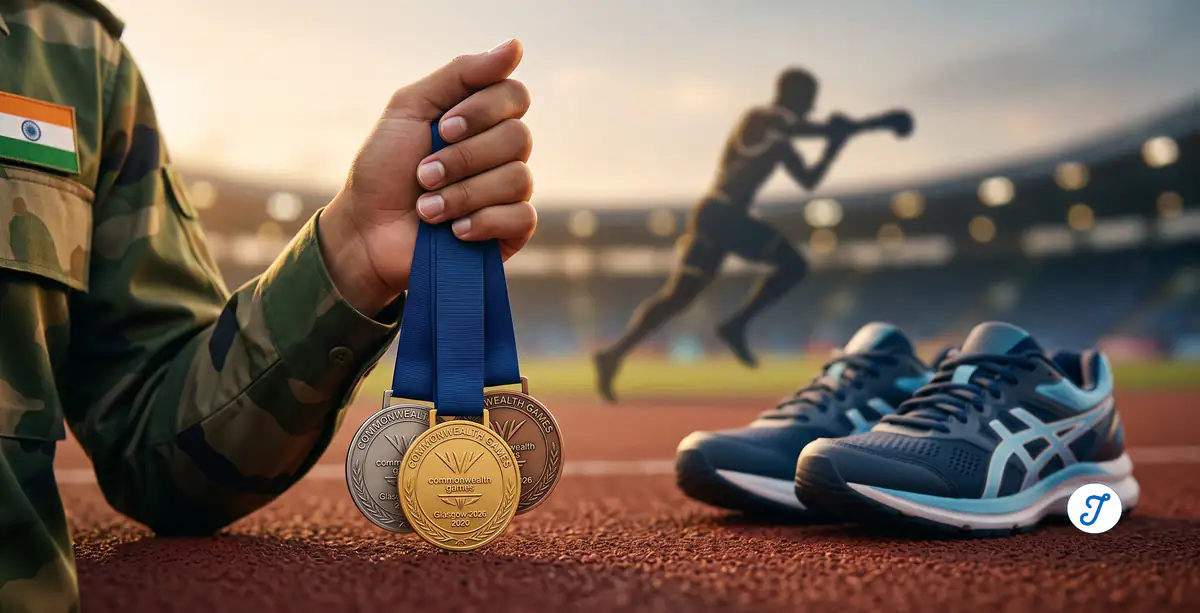
Glasgow CWG 2026 Set to Deliver a Leaner but More Inclusive Commonwealth Games
The Glasgow 2026 Commonwealth Games will feature 10 sports across seven venues, the largest-ever Para sport programme, and several major format changes in a scaled-down edition.
The Glasgow 2026 Commonwealth Games will look significantly different from previous editions. While the event has been scaled down to ensure financial sustainability, organisers have retained many of the Games' most iconic sports while introducing several notable changes to competition formats, venues and Para sport integration.
Scheduled to take place from July 23 to August 2, 2026, the Games will feature 10 sports across seven existing venues, making it one of the most compact editions in modern Commonwealth Games history. Despite the reduced programme, Glasgow 2026 promises innovation, greater inclusivity and a stronger emphasis on sustainability.
One of the defining features of Glasgow 2026 is the complete reliance on existing infrastructure. Instead of investing heavily in new facilities, organisers have chosen to utilise venues that successfully hosted the 2014 Commonwealth Games, reducing costs while ensuring world-class competition environments. The OVO Hydro will serve as the centrepiece of the Games, hosting not only the netball competition but also the opening ceremony. With a seating capacity of more than 12,000, it will become the first indoor venue in Commonwealth Games history to stage an opening ceremony.
The Scottish Event Campus (SEC) will once again play a major role. The SEC Centre will host 3x3 basketball, boxing, judo and indoor bowls, while the nearby SEC Armadillo will stage the weightlifting competition. Athletics will return to the renovated Scotstoun Stadium, while swimming events will be held at the Tollcross International Swimming Centre.
The Commonwealth Arena will host artistic gymnastics, and the Sir Chris Hoy Velodrome will stage track cycling competitions. By concentrating events within a compact geographical area, organisers hope to create a more efficient and athlete-friendly Games.
The opening ceremony on July 23 will mark a historic first for the Commonwealth Games. For the first time since the competition began, the ceremony will be staged inside an indoor arena rather than a traditional stadium. The OVO Hydro will host the event, reflecting the compact nature of Glasgow 2026 while reducing operational costs.
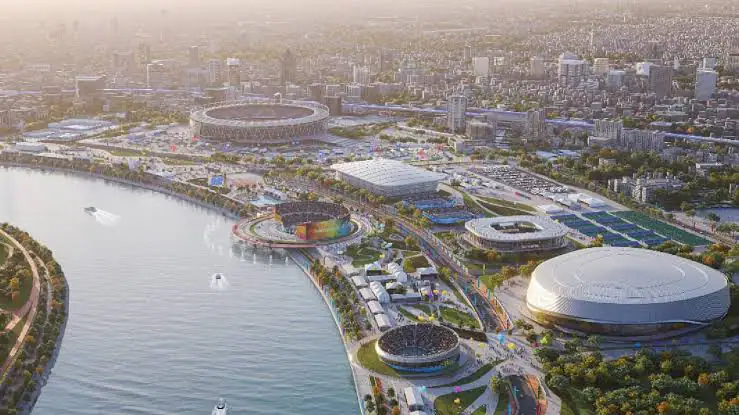
Organisers have also confirmed that both the opening and closing ceremonies will be scaled down compared to previous editions, prioritising efficiency over extravagance. The closing ceremony on August 2 will include the official handover to Ahmedabad, which is set to host the landmark 2030 Commonwealth Games, coinciding with the centenary celebrations of the event.
Smallest Sports Programme in Over Three Decades
One of the biggest talking points surrounding Glasgow 2026 is its reduced sports programme. With only 10 sports, this will be the smallest Commonwealth Games programme since 1994.
For the first time, only two compulsory sports remain: athletics and artistic gymnastics. The complete sports programme includes:
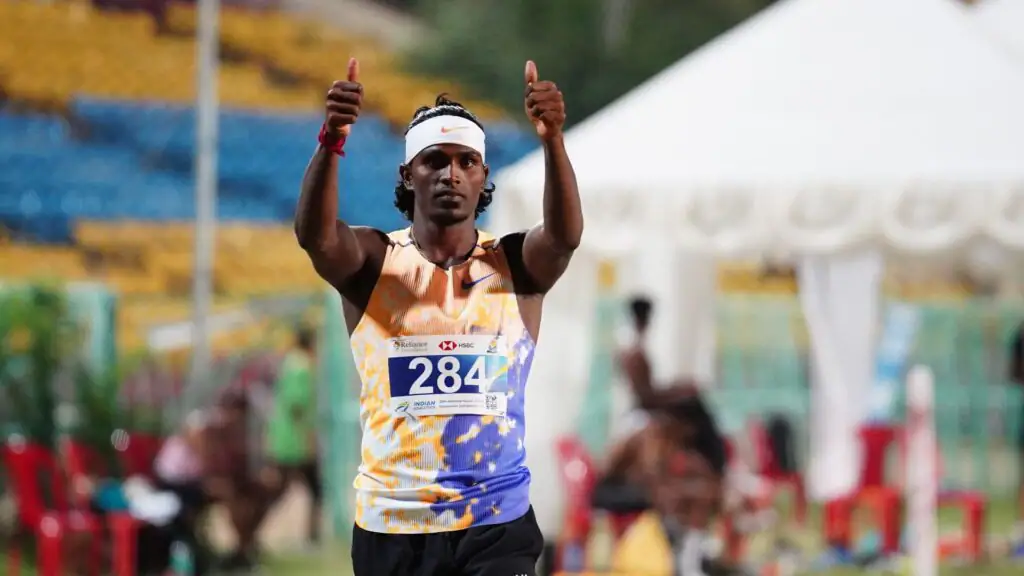
Athletics and Para-athletics
Swimming and paraswimming
Track Cycling and Para Track Cycling
Artistic Gymnastics
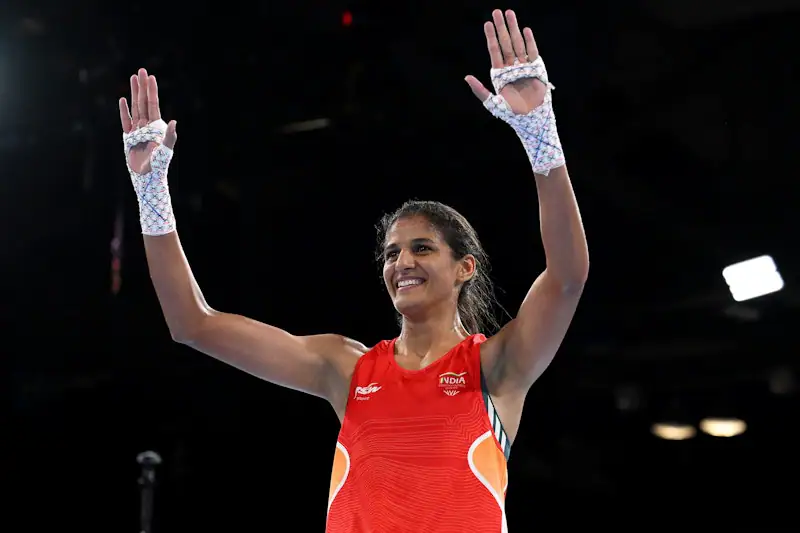
Boxing
Judo
Weightlifting and Para Powerlifting
Netball
Indoor Bowls and Para Bowls
3x3 Basketball and Wheelchair 3x3 Basketball
Although smaller in scale, the programme continues to balance traditional Commonwealth Games sports with growing opportunities for Para athletes.
The reduced schedule has inevitably resulted in several established Commonwealth Games sports being dropped. Sports not included in Glasgow 2026 include badminton, wrestling, hockey, table tennis, squash, rugby sevens, Twenty20 cricket, triathlon, beach volleyball, diving & rhythmic gymnastics.
Road cycling, mountain biking, marathon events and race walking have also been removed as part of broader efforts to minimise costs. For countries like India, traditionally strong in wrestling, badminton, squash and table tennis, the reduced programme significantly lowers overall medal opportunities.
Despite the smaller overall Games, Glasgow 2026 will feature the largest Para sport programme in Commonwealth Games history. A total of 47 Para medal events will be contested across six sports: Para Athletics, Para Swimming, Para Track Cycling, Wheelchair 3x3 Basketball, Para Bowls & Para Powerlifting.
The expansion reflects the Commonwealth Games Federation's continued commitment to integrated sport, with Para events fully embedded within the main competition schedule. The increased opportunities for para-athletes represent one of the defining legacies organisers hope to achieve.
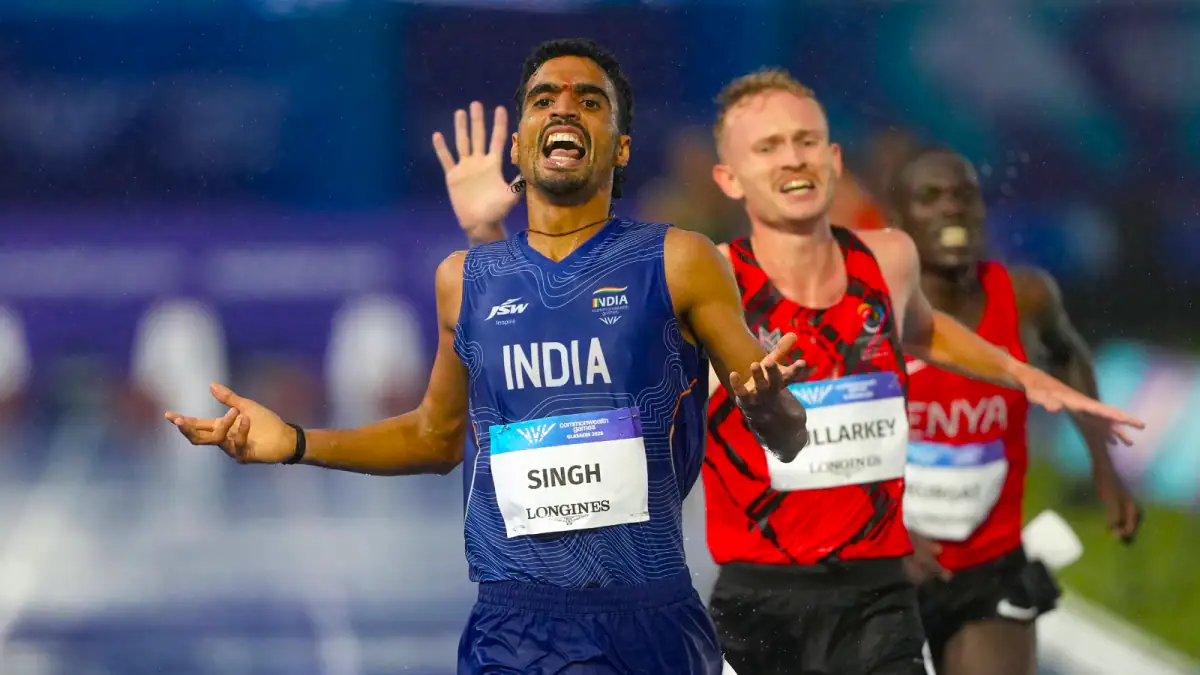
Several sports will also feature revised competition formats. In athletics, organisers have reintroduced the mile race, replacing the traditional 1,500 metres. The event returns for the first time since 1966 and will be contested by women for the first time in Commonwealth Games history. Its inclusion pays tribute to the famous "Miracle Mile" race between Roger Bannister and John Landy at the 1954 Commonwealth Games in Vancouver.
Swimming will expand from 52 to 54 medal events, with the addition of the men's 800m freestyle and women's 1500m freestyle. Cycling retains its overall medal count despite dropping road and mountain biking disciplines. An elimination race has been added to the track programme, while para-cycling events have doubled from four to eight. The indoor bowls competition has also been redesigned. Unlike previous editions played on outdoor grass surfaces, Glasgow 2026 will feature indoor bowls, with the number of medal events reduced from 11 to seven. Meanwhile, 3x3 basketball continues its growth.
The standing competition expands to 12 teams per gender, while the women's wheelchair tournament also increases in size.
Although Glasgow 2026 is considerably smaller than recent Commonwealth Games, organisers believe the event represents a sustainable model for future editions. By using existing venues, reducing infrastructure costs and focusing resources on athlete experience rather than large-scale construction, the Games hope to demonstrate that major multi-sport events can remain financially viable without sacrificing competitive quality.
For athletes, fans and participating nations, Glasgow 2026 will undoubtedly feel different. However, its emphasis on sustainability, compact organisation and record-breaking Para sport inclusion may ultimately prove more influential than its reduced size. As the Commonwealth Games enters a new era, Glasgow could provide the blueprint for how future editions are delivered in an increasingly cost-conscious sporting world.
Comments (0)
to post comments, replies, and votes.
Loading comments…