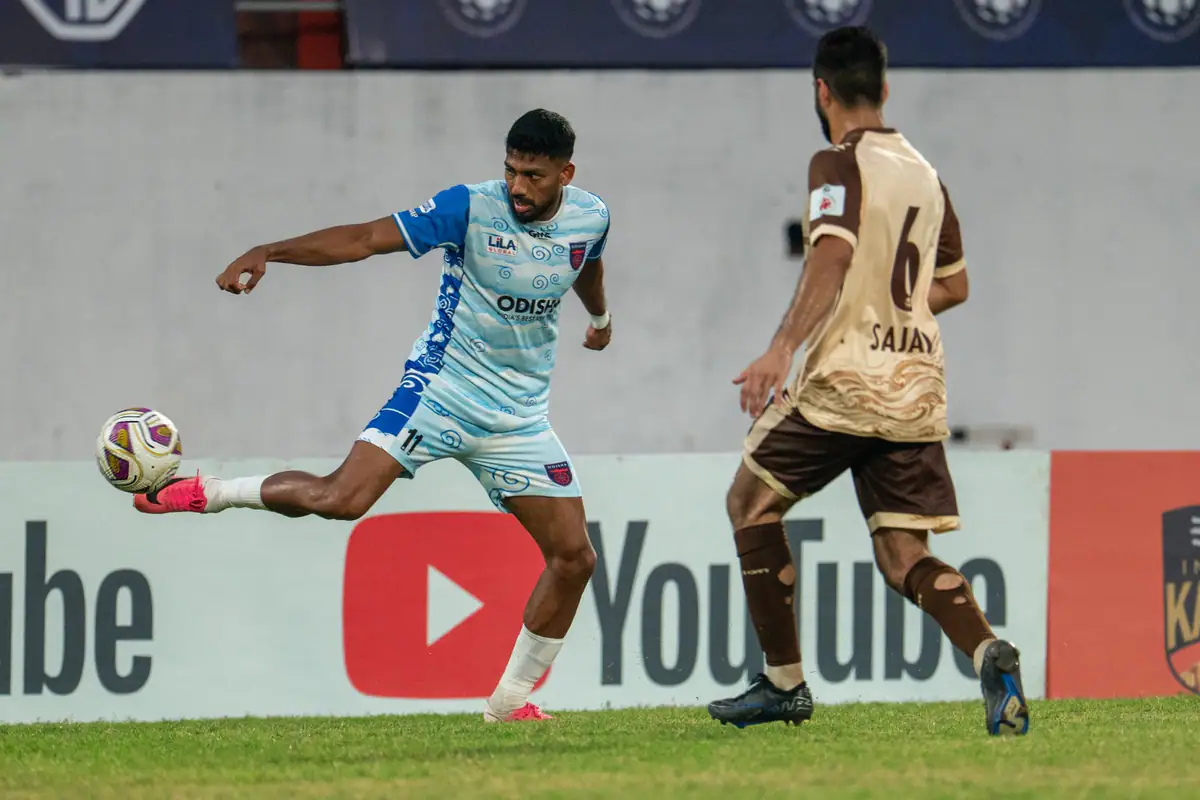
India End Unity Cup Empty-Handed After Defeat to Zimbabwe

India suffered a 1-0 defeat to Zimbabwe in the Unity Cup third-place playoff, ending the tournament without a win ahead of the upcoming SAFF Championship.
India's disappointing Unity Cup campaign came to an end on Friday as they suffered a 1-0 defeat to Zimbabwe in the third-place playoff, leaving the tournament without a single victory and raising fresh questions ahead of the SAFF Championship.
After losing their opening match against Jamaica, India were hoping to finish the tournament on a positive note. Instead, they produced another underwhelming display in London as Zimbabwe capitalised on a first-half penalty to secure third place.
The result means India return home from their first matches in England in more than two decades with little to show for their efforts, having struggled to create meaningful attacking opportunities across both fixtures.
India began the match with greater intensity than they had shown against Jamaica. The early signs were encouraging. Akash Mishra and Vikram Partap Singh combined down the left flank in the opening minutes, while India earned the first corner of the match after some promising attacking movement.
Khalid Jamil opted for a back-three system featuring Sandesh Jhingan, Rahul Bheke and Ricky Shabong, with Nikhil Poojary and Akash Mishra operating as wing-backs. The setup initially helped India press higher up the pitch and disrupt Zimbabwe's build-up play. However, the familiar problems soon resurfaced.
While India showed energy and commitment, the quality in possession remained lacking. Passes regularly went astray, attacks broke down in promising positions and the final ball was often missing. Zimbabwe gradually settled into the contest and began to look the more threatening side.
The decisive moment arrived just after the half-hour mark. Zimbabwe's Shane Maroodza had been causing problems down the left flank throughout the first half and once again found space inside the Indian penalty area. Following a clever passage of play, Farukh Choudhary lunged into a challenge from behind and brought down the Zimbabwean attacker. The referee immediately pointed to the spot.
Prince Dube stepped up to take the penalty and calmly sent Gurpreet Singh Sandhu the wrong way, giving Zimbabwe a 1-0 lead in the 33rd minute.
The goal reflected Zimbabwe's growing dominance. In fact, the African side could easily have doubled their advantage before the break, with Gurpreet forced into action to deny Tshuma after another defensive lapse.
At half-time, India trailed 1-0 and had yet to create a clear-cut scoring opportunity.
India emerged for the second half with greater attacking intent but continued to struggle in the final third.
The team's best chance arrived in the 58th minute. Rahul Bheke launched a long throw into the penalty area and after a scramble inside the box, Lallianzuala Chhangte connected with a first-time volley. A slight deflection almost carried the ball into the bottom corner, but Zimbabwe goalkeeper Tavaziva produced a fine save before the effort struck the post.
It was one of the few occasions when India genuinely tested the opposition goalkeeper. For much of the second half, Zimbabwe looked the more dangerous side. Maroodza repeatedly troubled India's defence, while the visitors continued to create openings through quick transitions and direct attacking play.
India's attacks, by contrast, often appeared predictable. Chhangte and Vikram Partap Singh showed flashes of quality, but support from midfield was inconsistent and the team struggled to sustain pressure.
One of the major talking points from the match was India's use of substitutions. Despite trailing and several players visibly tiring, Khalid Jamil waited until the 75th minute to make his first change, introducing Mohammed Sanan for Chhangte. Further substitutions followed only in the 83rd minute when Edmund and Jeakson Singh entered the field.
By then, India had little time left to mount a serious comeback. The closest they came to an equaliser arrived in the closing stages when Vikram Partap Singh delivered a superb lofted pass into the penalty area. Edmund was inches away from making contact, and had he done so, India would likely have found the net.
However, the chance went begging and Zimbabwe comfortably managed the final minutes to secure victory.
The Unity Cup was intended to provide valuable preparation ahead of the SAFF Championship, but India leave the tournament with more questions than answers. Across two matches, the team struggled to create scoring opportunities, lacked cohesion in possession and often appeared vulnerable defensively. While the effort levels could not be questioned, the quality required to consistently challenge international opposition was missing.
For Khalid Jamil, the tournament offered an early look at his squad in competitive conditions. The lessons from defeats to Jamaica and Zimbabwe will now need to be addressed quickly as India shifts focus toward regional competition.
The SAFF Championship remains the immediate target, but after finishing the Unity Cup without a win, India's preparations have suffered a setback.
The challenge now is ensuring these performances become a learning experience rather than the start of a worrying trend.
Comments (0)
to post comments, replies, and votes.
Loading comments…