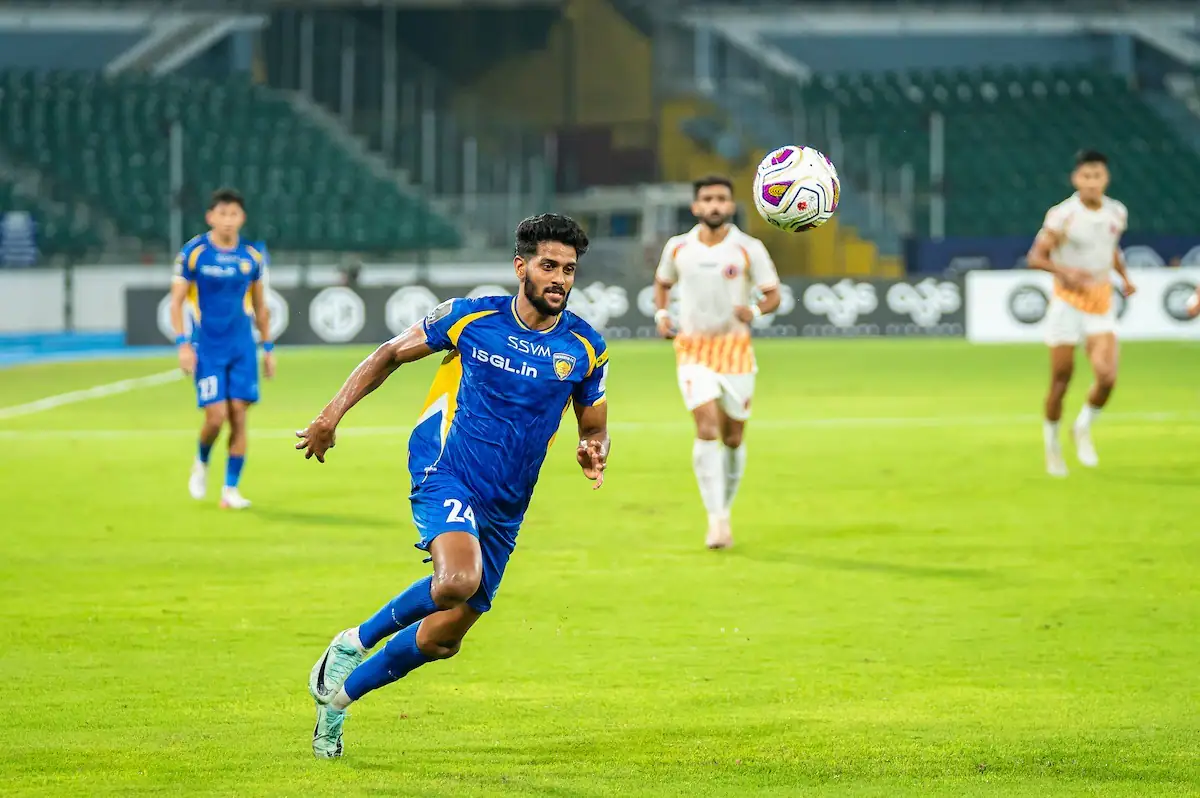
Indian Women’s League 2026: East Bengal’s Dominance, Commercial Reforms and the Road to Professionalisation
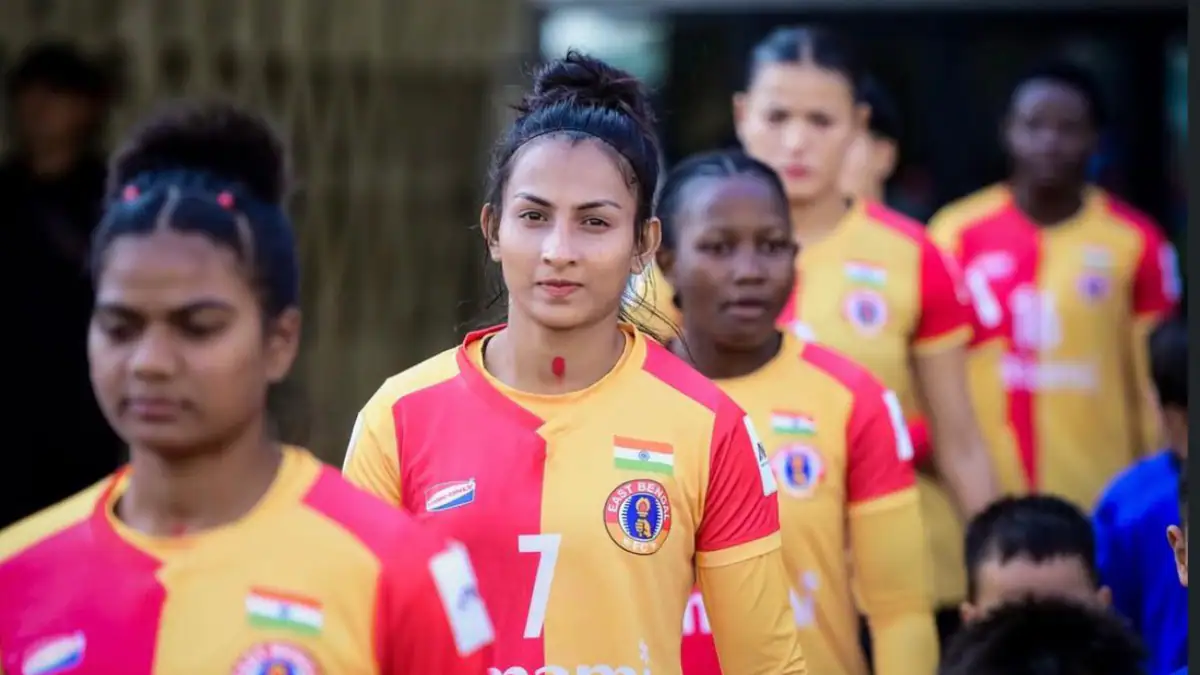
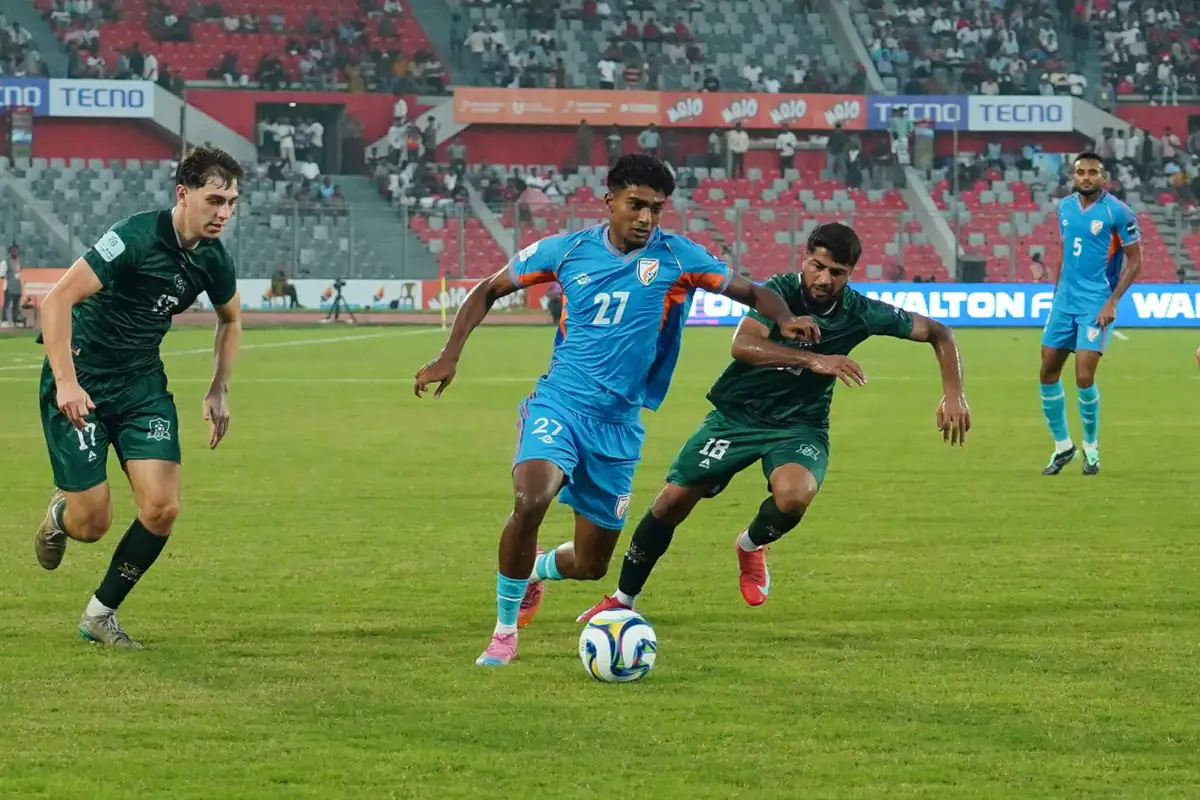
Indian women’s club football entered a significant phase of transformation in 2026. The year brought sporting milestones, commercial investment and administrative reforms that could reshape the future of the Indian Women's League (IWL).
East Bengal FC emerged as the dominant force, defending their national title before becoming the first Indian club to reach the quarter-finals of the AFC Women’s Champions League. Meanwhile, a new commercial partnership, improved broadcasting plans and changes to the competition format signalled a more structured approach to the women’s game.
However, beneath this progress, questions around player salaries, competition length and financial sustainability remain unresolved.
The 2025–26 IWL season featured eight teams competing in a double round-robin format, with 14 matches per club. The campaign was divided into two phases, running from December 2025 to January 2026 and then resuming from April to May.
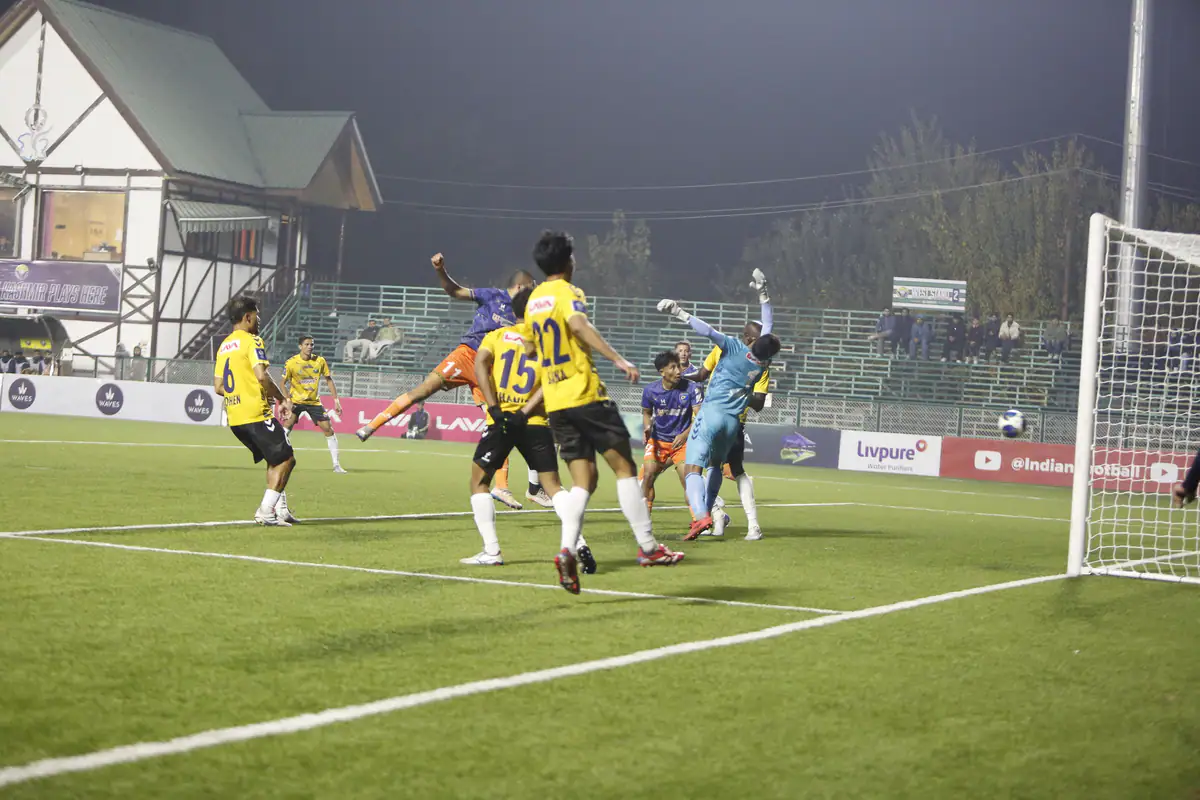
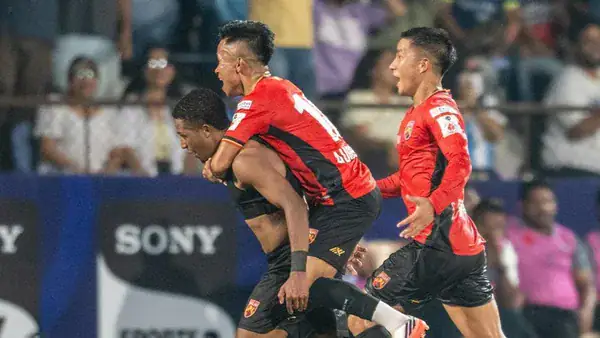
East Bengal finished comfortably at the top, collecting 39 points from 42 available. Their record of 13 wins and one defeat was supported by an extraordinary attacking and defensive return: 47 goals scored and only five conceded. Their title defence was confirmed on May 12, 2026, after closest challengers Sethu FC were held to a 1–1 draw by Sesa FA. Sethu finished second with 25 points, while Kickstart FC secured third place with 21.
East Bengal’s campaign included a 9–0 victory over Sesa FA and consecutive 5–0 wins against Nita FA and Kickstart FC. Their only league defeat came against Kickstart, who secured a 2–1 victory through goals from Emem Essien and Babysana Devi Thingbaijam.
At the individual level, East Bengal’s Fazila Ikwaput was the standout performer. She finished as the league’s leading scorer with 20 goals in 14 appearances, earning the Best Striker award. Goalkeeper Panthoi Chanu Elangbam received the Best Goalkeeper recognition, while Sethu FC defender Nirmala Devi Phanjoubam was named Best Defender.
The season also highlighted the contribution of domestic attacking talent. Nita FA’s Pyari Xaxa produced consecutive hat-tricks against Sesa FA and Kickstart FC, while Sethu’s Lynda Kom scored a treble against Sribhumi FC.
A more ambitious competition structure
One of the biggest changes for the 2026–27 campaign is the move towards a multi-city competition. Instead of concentrating matches in West Bengal, the AIFF has planned fixtures across Kolkata, Jamshedpur and Bengaluru.
The new season is scheduled to run from November 13, 2026, to January 23, 2027. Another important operational change is the elimination of afternoon kick-offs, with matches scheduled for 7 PM under floodlights. The move addresses concerns raised during the previous season, when fixtures at 2:30 PM in April and May exposed players to difficult playing conditions.
The eight-team lineup will also feature promoted sides HOPS FC and Juba Sangha FC, replacing relegated Sribhumi FC and Sesa FA.
The commercial direction of the league changed significantly in September 2026, when the AIFF signed a 15-year commercial development and marketing partnership with Capri Sports covering both the IWL and IWL 2. The partnership was followed by the arrival of LXME as title sponsor in October, giving the competitions the Lxme Indian Women’s League and Lxme Indian Women’s League 2 identities.
Broadcasting is another area targeted for improvement. All 56 matches of the 2026–27 IWL season are scheduled to be streamed free on the AIFF’s YouTube channel. The second division is also set to receive wider digital coverage through a partnership between Capri Sports and SportVot.
These initiatives could help the league reach audiences beyond its traditional football-following base, although converting online viewership into sustainable commercial revenue remains a longer-term challenge.
Despite the progress, professional conditions remain uneven across clubs. The AIFF had proposed a minimum annual contract of ₹3.2 lakh for at least ten domestic players at each top-tier club in 2023. However, the proposal was withdrawn following objections from clubs concerned about operating costs and the absence of central revenue-sharing support.
The result has been a significant financial divide. East Bengal has adopted a more comprehensive model, offering domestic players 12-month contracts and maintaining their match fitness through structured exhibition games during the off-season.
Several other clubs continue to rely on seasonal contracts, with domestic players reportedly earning between ₹50,000 and ₹1 lakh for the tournament period. The lengthy break between seasons can force players to seek additional employment or participate in regional competitions to maintain their income.
This disparity remains one of the most important obstacles to building a consistently professional domestic ecosystem.
East Bengal make history in Asia
East Bengal’s domestic success also translated into a landmark continental campaign. Competing in Group B of the 2026–27 AFC Women’s Champions League, the Kolkata club defeated Vietnam’s Ho Chi Minh City WFC 2–1, with Fazila Ikwaput scoring twice.
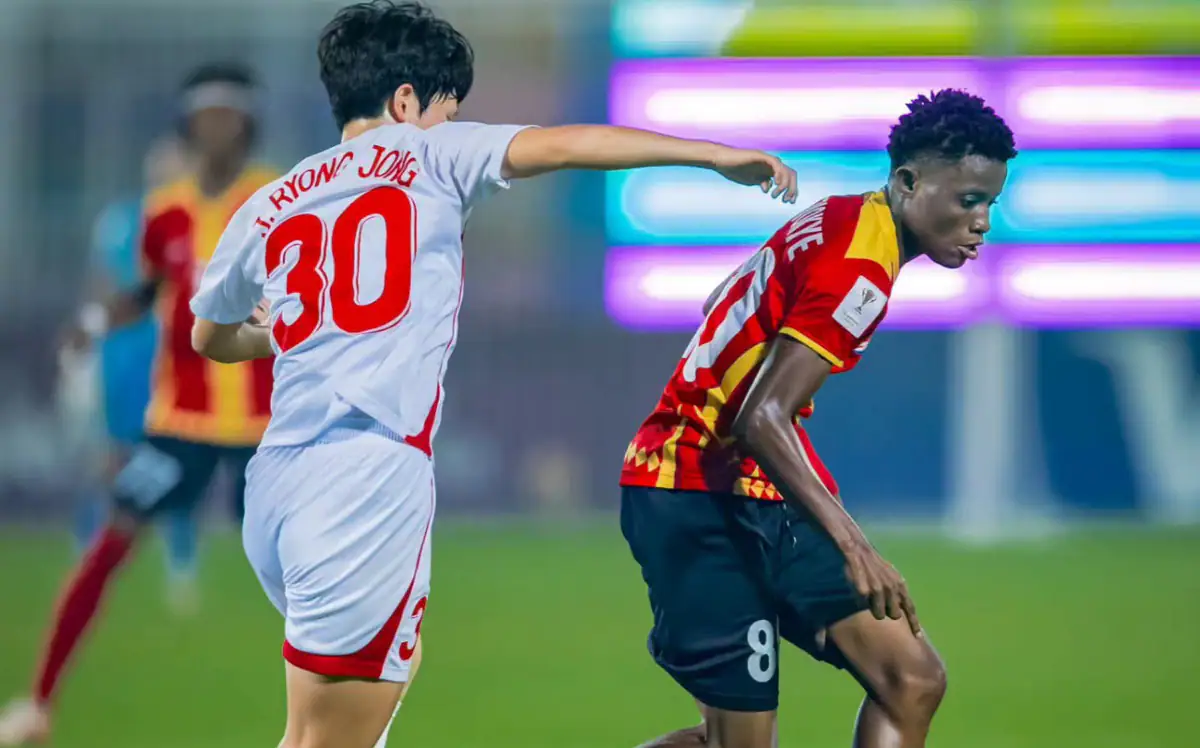
They subsequently lost 4–1 to South Korea’s Hwacheon KSPO and 2–0 to North Korea’s 4.25 SC. Despite finishing third in their group with three points, East Bengal progressed as one of the best third-placed teams.
Their quarter-final qualification marked the first time an Indian club reached the knockout stage of Asia’s premier women’s club competition.
The 2026 cycle demonstrated what sustained institutional investment can achieve. East Bengal’s domestic dominance and continental breakthrough have established a benchmark for other Indian clubs, while the Capri Sports partnership, LXME sponsorship and expanded broadcasting plans provide a stronger commercial foundation.
However, a 14-match league season remains limited for players seeking consistent high-level competition. Expanding the schedule to 20–24 matches, introducing enforceable player welfare standards and improving financial support across clubs will be essential.
The IWL has made meaningful progress in 2026. Its next challenge is to ensure that this progress extends beyond the leading clubs and translates into a sustainable professional pathway for players across the country.
Comments (0)
to post comments, replies, and votes.
Loading comments…