Lakshya Sen Battles Past Chi Yu Jen to Reach Round of 16 at Kumamoto Masters 2026
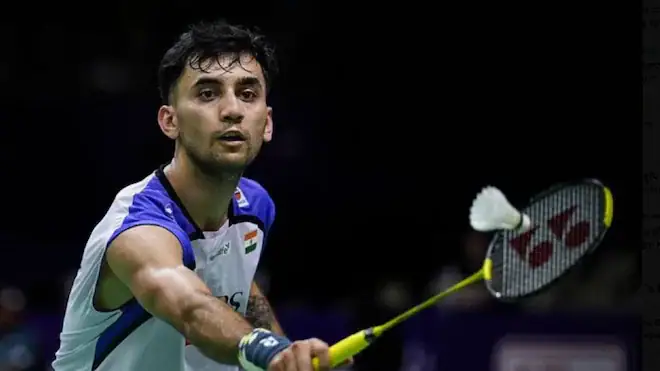
Lakshya Sen defeats Chinese Taipei's Chi Yu Jen 21-19, 21-18 to reach the Round of 16 at the Kumamoto Masters 2026. He will next face China's Tian Yao Dong.
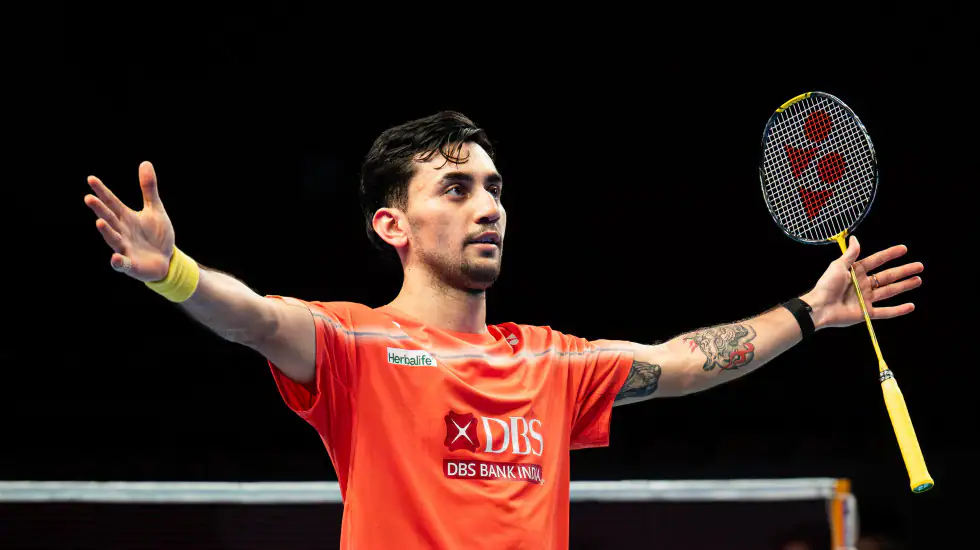
Lakshya Sen began his Kumamoto Masters 2026 campaign with a hard-fought straight-games victory over Chinese Taipei’s Chi Yu Jen, winning 21-19, 21-18 to advance to the pre-quarterfinals in Japan.
The eighth-seeded Indian, ranked World No. 13, had to work for every point against the World No. 24. Although the scoreline suggests a two-game win, the contest was far from straightforward. Chi pushed Sen through two closely fought games, forcing the Indian to draw on his court coverage, tactical awareness and composure in the closing stages.
Sen eventually found a way through, converting the crucial points in both games to secure his place in the Round of 16. The victory also ensured that men's singles provided a positive result for India on a day of mixed fortunes at the tournament.
The opening game set the tone for a competitive encounter. Chi matched Sen's pace and movement, making it difficult for the Indian to establish a comfortable lead. The rallies demanded patience, with both players looking to create openings through changes in direction and depth.
Sen trailed 10-11 at the interval and later found himself four points behind at 12-16. With the opening game threatening to slip away, the Indian raised his intensity and began working his way back into contention. His recovery was built on improved control of the rallies and the ability to move Chi around the court. Sen gradually closed the gap, bringing the score level at 16-16 before the contest entered a tense final phase.
At 19-19, the game was still evenly balanced. Sen, however, held his nerve when it mattered, winning the next two points to take the opening game 21-19. The comeback was particularly important because Chi had done enough to put the Indian under sustained pressure for much of the game.
One of the notable features of Sen's performance was his use of court positioning and shot placement to create attacking opportunities. Rather than relying entirely on power, the Indian used parallel rallies to push Chi towards the rear of the court. By keeping his opponent deep and making him cover considerable distance, Sen created opportunities to change the direction of play.
A particularly effective pattern involved drawing Chi into extended movement before shifting the angle with a cross-court smash. The variation disrupted the Chinese Taipei shuttler's positioning and allowed Sen to take control of the rally.
The ability to change the direction of an attack after establishing a pattern was an important part of Sen's approach. His movement and recovery across the court also helped him stay competitive during the longer exchanges. The rally at 19-18 in the second game stood out as an example of the quality and intensity of the contest. Both players were forced to work for openings, with Sen eventually managing the key exchanges better.
Second Game Remains Tight Until the Finish
The second game followed a similar pattern, with Chi refusing to allow Sen to build a decisive advantage. The Chinese Taipei player continued to challenge the Indian with his movement and shot-making, ensuring that the match remained competitive.
Sen, however, showed greater control during the closing stages. Having negotiated the pressure of the first game, he remained composed as the second approached its conclusion. The Indian maintained his tactical discipline, combining deep shots with changes in angle to prevent Chi from settling into a predictable rhythm. The two-point margin at the finish reflected how closely contested the game had been.
Sen closed it out 21-18, completing a straight-games victory and moving into the pre-quarterfinals.
The result was a useful early test for the eighth seed. Against an opponent ranked 11 places below him, Sen was expected to progress, but Chi's resistance ensured that the Indian had to produce a measured performance rather than rely on ranking or reputation.
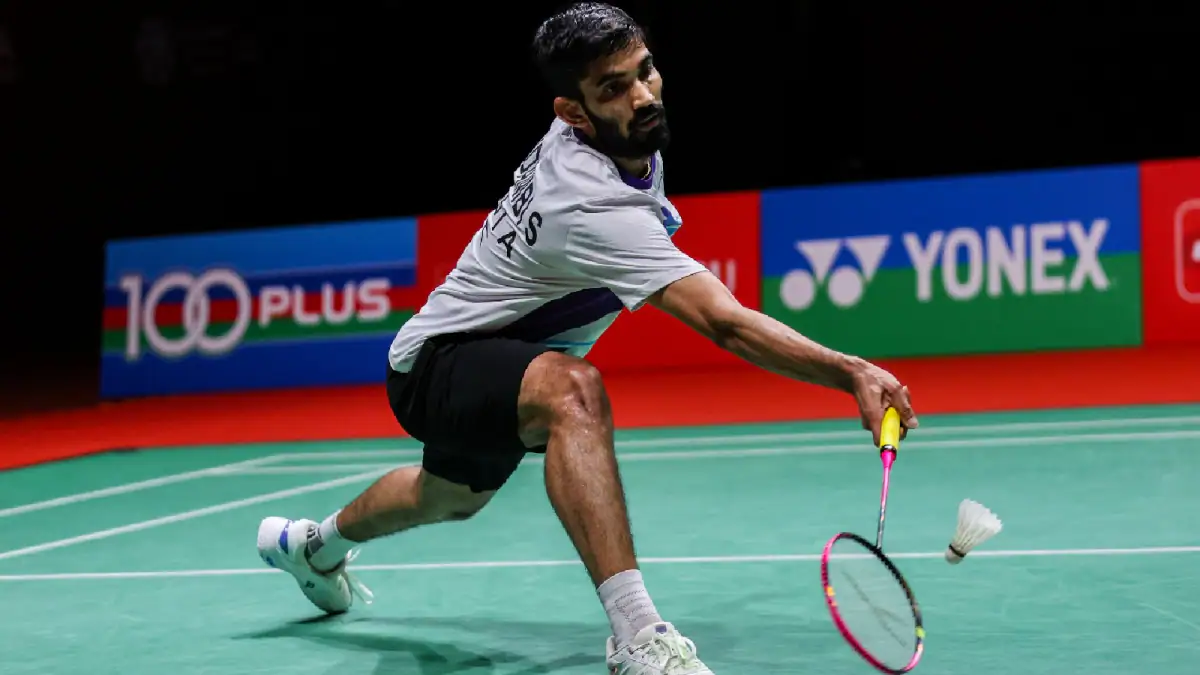
There was another positive result for India in men's singles, with Kidambi Srikanth edging past Denmark's Rasmus Gemke in a three-game encounter. Srikanth lost the opening game 18-21 but responded strongly to take the second 21-16. The match then went down to a tense deciding game, where the Indian prevailed 24-22 to complete a hard-fought comeback.
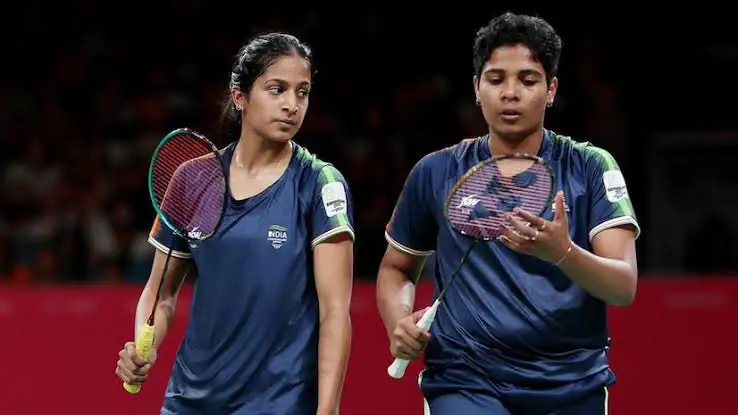
The men's singles results provided encouragement for the Indian contingent. However, the mixed doubles campaign suffered a setback, with India's pairs losing against seeded opposition.
Tian Yao Dong Awaits Sen in Round of 16
Sen's next challenge will be China's Tian Yao Dong, ranked World No. 45. The Round of 16 encounter will offer the Indian another opportunity to build momentum in Kumamoto. A potential quarter-final meeting against Canada's Victor Lai could also emerge, depending on the results in the adjoining section of the draw.
For now, Sen's immediate focus will be on maintaining the discipline that helped him overcome Chi. His opening-round performance demonstrated the importance of managing difficult phases, particularly when an opponent is capable of matching his pace and extending rallies.
The 21-19, 21-18 victory was not a routine opening-round win. It required a comeback from a four-point deficit in the first game and composure in two tight finishes. Sen will need to carry that control and tactical clarity into the next round as he looks to extend his run at the Kumamoto Masters 2026.
Comments (0)
to post comments, replies, and votes.
Loading comments…