From Youth Olympic Silver to World-Class Greatness: Tanvi Patri Joins an Elite Badminton Lineage
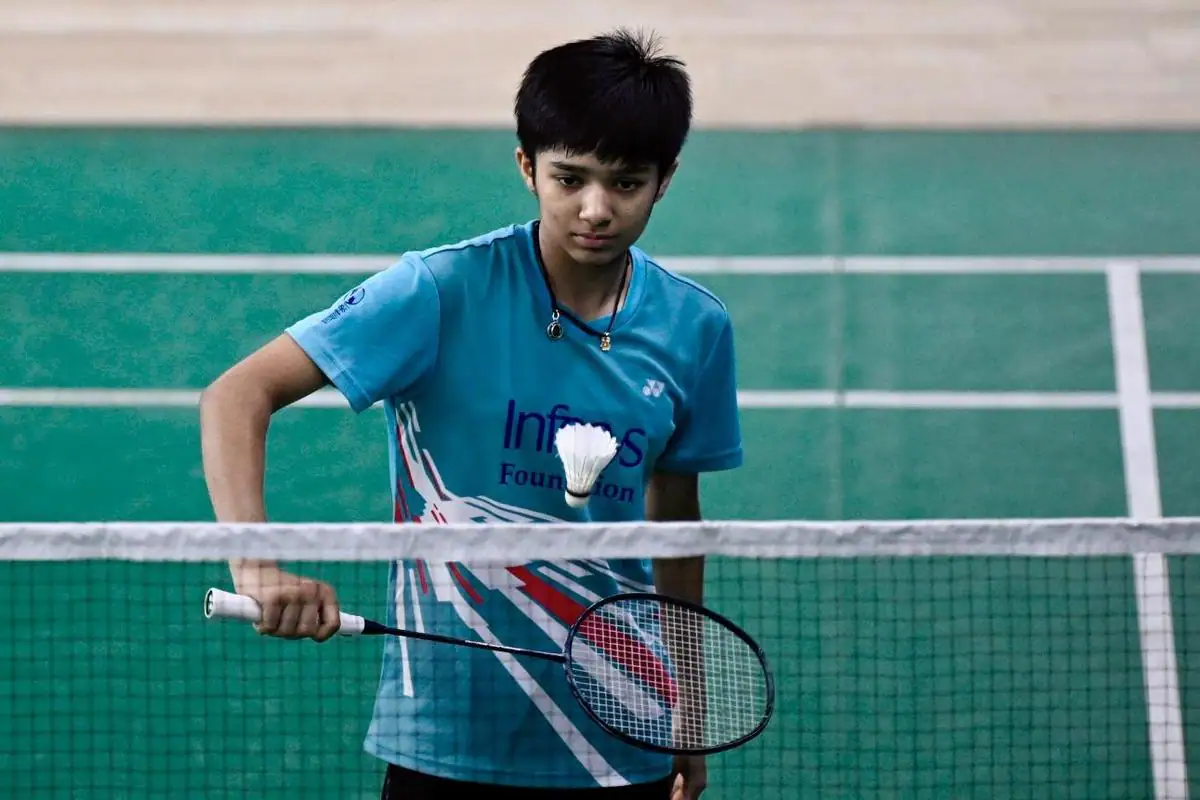
Akane Yamaguchi and Wang Zhi Yi turned Youth Olympic silver into careers at the summit of world badminton. Tanvi Patri now enters the same conversation at just 15, with the opportunity to build her own path.
A silver medal at the Youth Olympic Games can be a significant marker in a young athlete’s career. In women’s singles badminton, it has also provided an intriguing glimpse into the future of the sport.
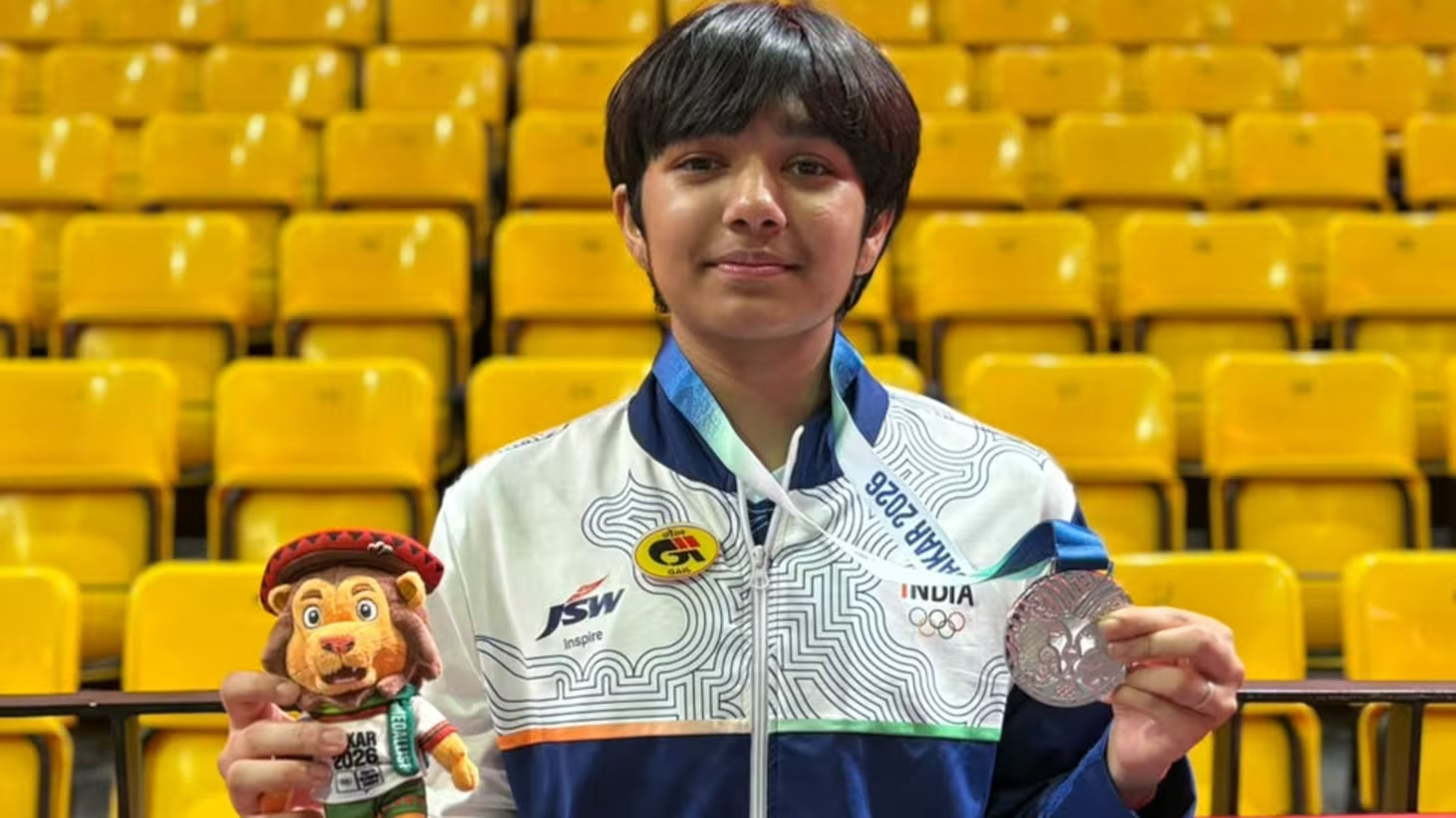
Tanvi Patri’s historic silver medal at the Dakar 2026 Youth Olympic Games places her alongside three notable names from earlier editions: Deng Xuan, Akane Yamaguchi and Wang Zhi Yi. Their journeys offer a compelling historical reference point for the 15-year-old Indian, particularly because two of those predecessors went on to become among the finest players of their generation.
Yamaguchi reached World No. 1 and won three World Championship titles. Wang climbed to World No. 2, captured the All England crown and established herself as one of the leading players in the modern game. Their careers demonstrate the possibilities that can follow a strong performance at the Youth Olympics. Deng’s different trajectory, meanwhile, is a reminder that junior success alone does not guarantee a place among the senior elite.
For Patri, the comparison is not about predicting what comes next. It is about recognising the company she has entered and understanding what the next stage of her development could demand.
The connection stretches across four Youth Olympic editions. Deng Xuan finished runner-up at the inaugural Youth Olympic Games in Singapore in 2010, losing to Thailand’s Sapsiree Taerattanachai. Four years later, Japan’s Akane Yamaguchi claimed silver at Nanjing 2014 after a three-game final against China’s He Bingjiao.
At Buenos Aires 2018, Wang Zhi Yi reached the final but lost to Malaysia’s Goh Jin Wei in another three-game contest. Dakar 2026 added Patri to the lineage after her dramatic defeat to China’s Zhang Yi Xin.
The circumstances of Patri’s final made her achievement particularly memorable. She took the opening game 21-15 before Zhang responded with a 21-13 win in the second. The deciding game appeared to be slipping away when the Chinese player opened up a 19-10 advantage.
Patri refused to surrender. She fought her way back, saved six match points and created three opportunities to win the gold medal herself. Zhang eventually prevailed 26-24 after 82 minutes, but the Indian had already secured a place in the history of the competition as the first Indian woman to win a badminton medal at the Youth Olympic Games.
Yamaguchi: From Nanjing silver to three world titles
Of the three earlier silver medallists, Akane Yamaguchi provides perhaps the clearest example of a junior prospect translating early promise into sustained dominance. Yamaguchi had already made an impression on the senior circuit before her Youth Olympic appearance, winning the Japan Open in 2013 at just 16. She subsequently reached the top of the BWF world rankings in 2018, becoming the first Japanese singles player to achieve that distinction.
Her biggest achievements followed over the next several years. Yamaguchi won consecutive World Championship titles in 2021 and 2022 before securing a third in 2025. She also won the All England Open and BWF World Tour Finals in 2022.
Her success was built around exceptional movement, rapid recovery and an ability to sustain pressure through long rallies. Rather than depending exclusively on power, she developed into a player capable of turning defence into attack, retrieving difficult shots and forcing opponents to play one more stroke.
Yamaguchi’s career shows how a Youth Olympic medal can be an early indication of the competitive qualities required at the highest level.
Wang Zhi Yi followed a different route. After her silver at Buenos Aires 2018, she developed steadily through the international circuit before becoming a regular contender at the biggest tournaments. Her breakthrough at the senior level included winning the Badminton Asia Championships in 2022 and again in 2024. She also captured the BWF World Tour Finals in 2024 and established herself as one of China's leading women's singles players.
Her rise to World No. 2 reflected a game built around patience, court coverage and control of rally length. Wang is particularly effective at manipulating the pace of exchanges, using deep clears and accurate net play to make opponents work for attacking opportunities.
Her 2026 All England triumph, where she defeated Olympic and world champion An Se-young in the final, further underlined her standing among the world's best.
Yamaguchi and Wang reached the top through different playing styles and developmental paths. Their careers nevertheless underline the importance of technical refinement, physical preparation and the ability to evolve beyond junior competition.
Deng Xuan's career offers a contrasting perspective. After winning silver in 2010, she reached a career-high world ranking of No. 29 and won the 2013 New Zealand Open Grand Prix title. However, she struggled to establish herself among China's leading singles players during a period of intense domestic competition. She eventually left the Chinese national team and later represented Hong Kong. Injuries and the challenges of sustaining a senior international career limited her progress.
Her experience is an important reminder that reaching a Youth Olympic final is only one stage of a much longer journey. Access to high-level competition, physical conditioning, injury management and institutional support can all influence how a promising junior career develops.
Patri has one notable advantage over her three predecessors: she achieved her Youth Olympic breakthrough at just 15. That gives her time to develop physically and tactically before the demands of the senior circuit become more intense.
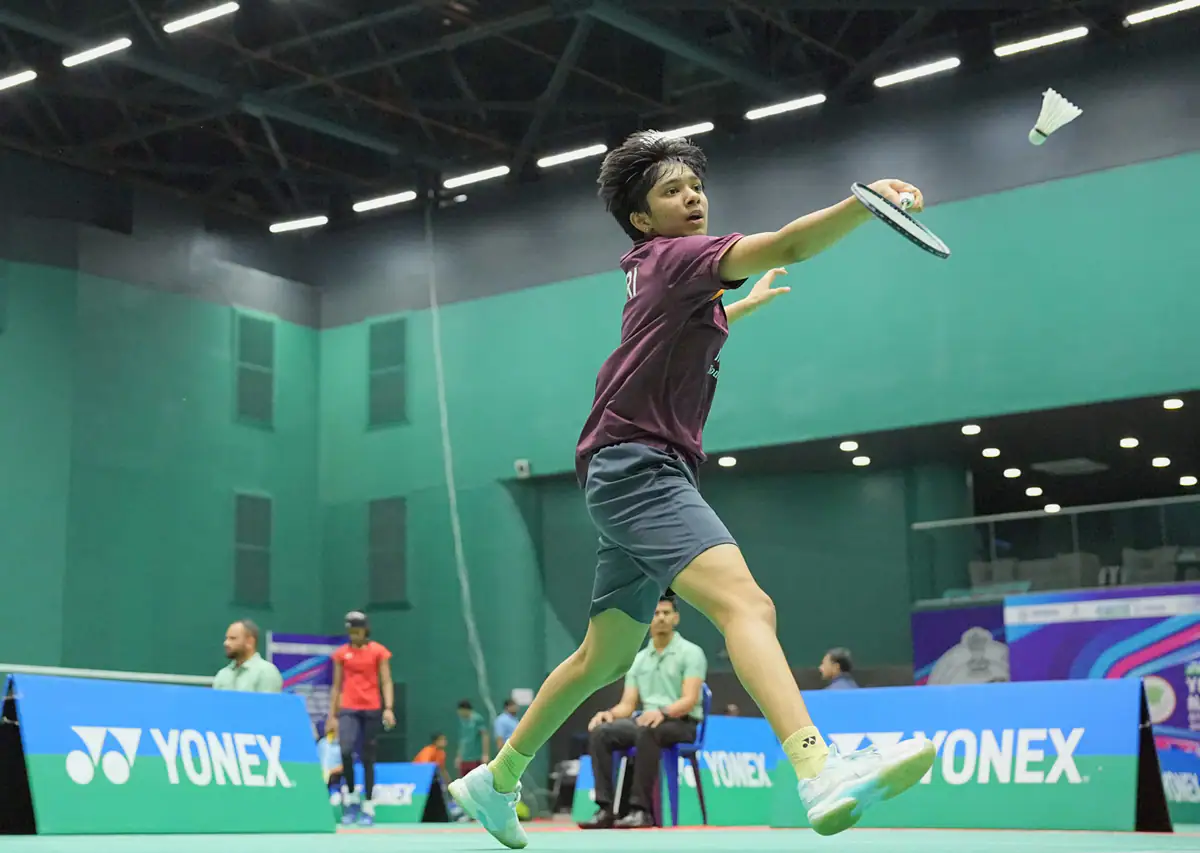
Her achievements already extend beyond Dakar. She won the Asian U-15 Championships in 2024, secured the Asian U-17 title in 2026 and claimed her maiden senior international title at the Pontianak International Challenge earlier this year.
Her performances suggest a player with strong movement, tactical awareness and composure under pressure. The final against Zhang also demonstrated her ability to remain competitive when the match appeared to be beyond reach.
The next challenge will be to build the physical strength and attacking penetration required to compete consistently against established senior players. Equally important will be careful tournament planning, recovery and the gradual introduction of higher-level competition.
The journeys of Yamaguchi, Wang and Deng show that there is no single route from junior success to senior excellence. Two became defining figures of their generation; another encountered barriers that prevented her from reaching the same heights.
Tanvi Patri has now entered that conversation. Her silver medal does not guarantee a similar career, but it gives Indian badminton a compelling reason to follow her development. At 15, she has already achieved something historic. The more significant chapter will be what she builds from here.
Credit to Thomas Cup on X
Comments (0)
to post comments, replies, and votes.
Loading comments…