Racquet Sport Prize Money: Disparity Across Tennis, Badminton, and TT
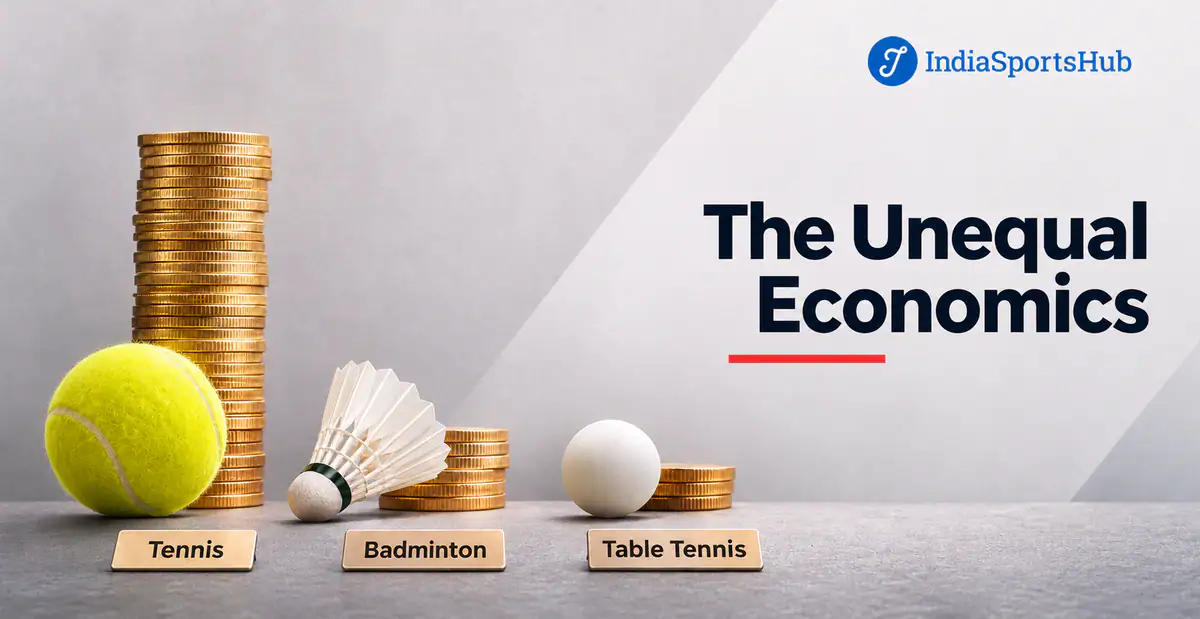
Explore the massive prize money gap across tennis, badminton, and table tennis. See why elite athletes face huge deficits despite identical tour costs.
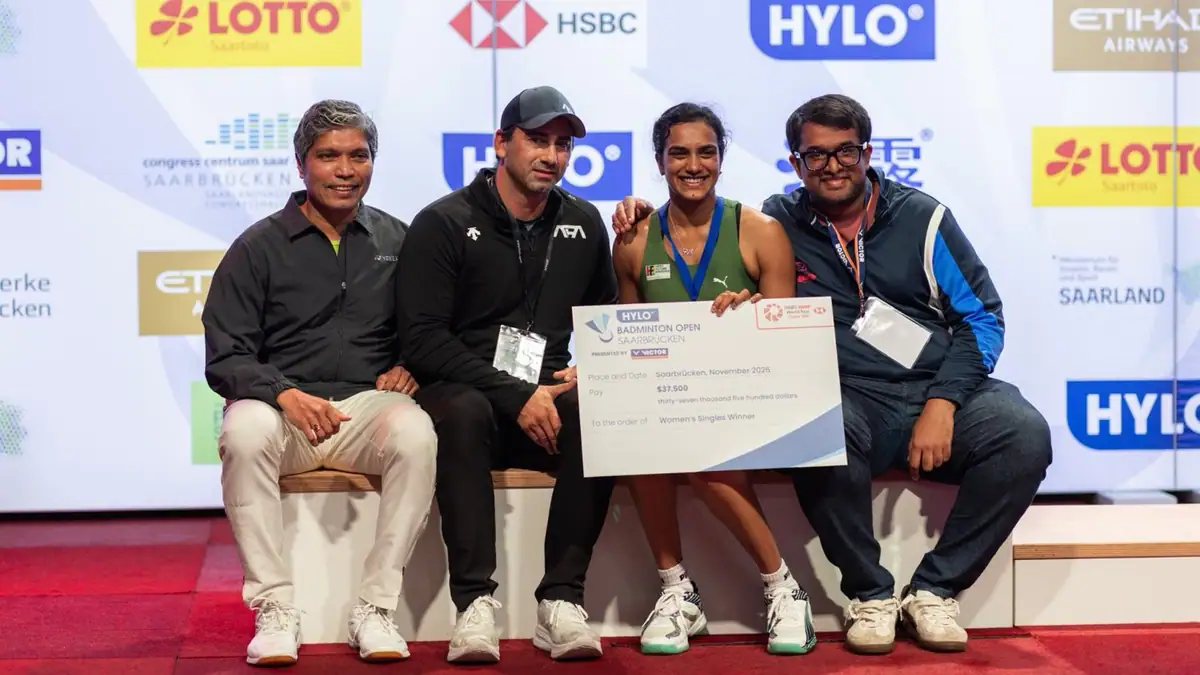
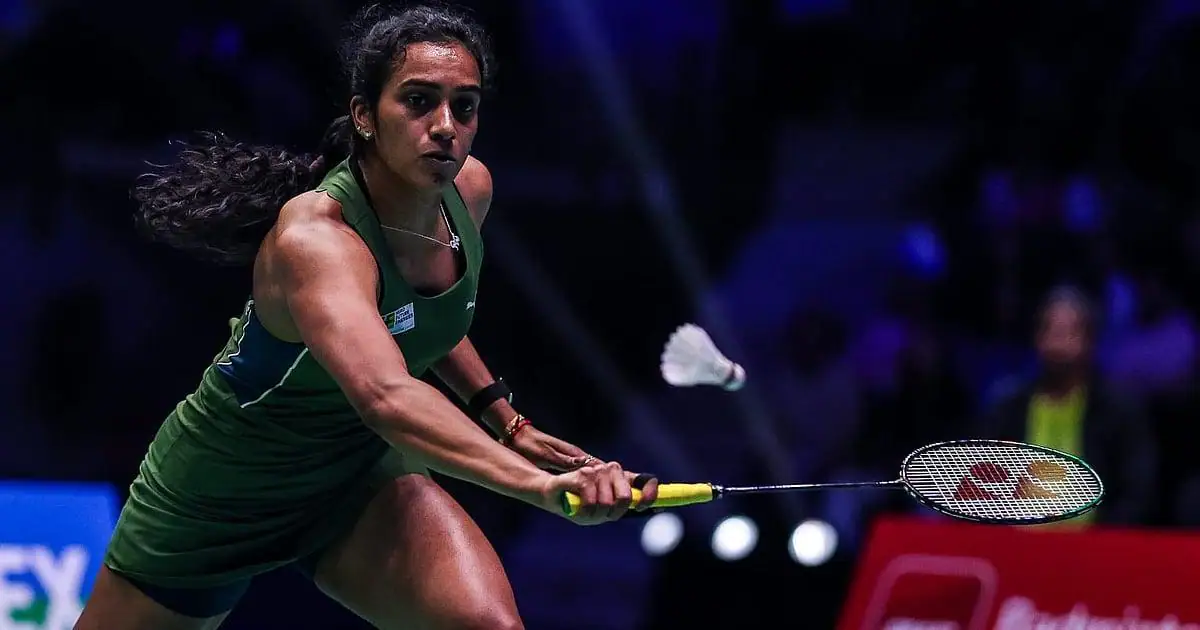
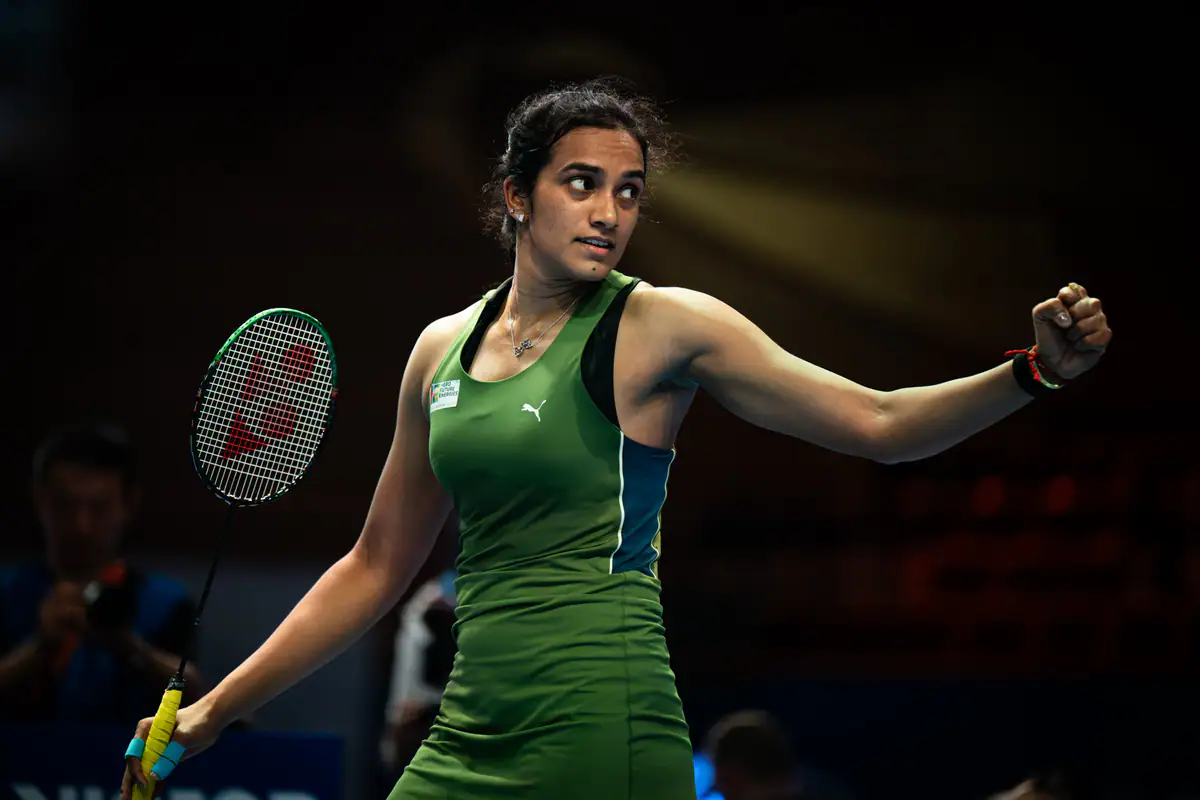
A public exchange between 2 time Olympic medalist PV Sindhu and sports commentator Kannan brought the financial realities of elite racquet sports into sharp focus
Tournament Prize Money: A Direct Cross Sport Comparison
The compensation gap becomes clear when examining prize payouts across equivalent tournament tiers in tennis, badminton, and table tennis:
Major Tournaments:
At Wimbledon 2024, singles champions earned £2,700,000, while a first round exit received £60,000, which is approximately $78,000
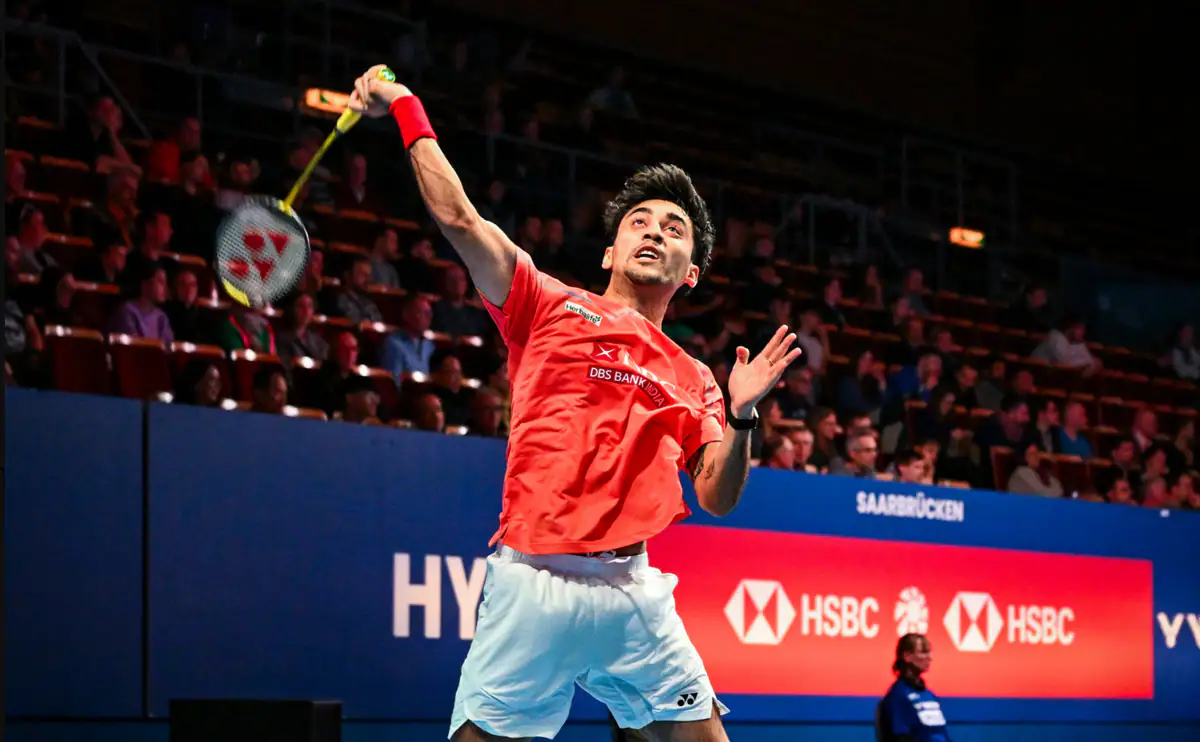
In badminton, the richest tournament on the tour, the $2,000,000 China Open 2024, awarded $140,000 to singles champions and just $2,000 to first round exits
In table tennis, the $1,500,000 Singapore Smash 2024 awarded $60,000 to the singles champion and $5,000 to opening round exits in the round of 64
A player losing in the opening round at Wimbledon collects nearly 40 times more than an opening round departure at badminton's premier tournament
Tier 2 Events:
At Indian Wells 2024, an ATP and WTA 1000 tournament, singles champions collected $1,100,000, and first round main draw departures received $30,050
In contrast, badminton Super 750 events such as the French Open and Denmark Open offer total event purses between $850,000 and $1,100,000, paying singles champions roughly $66,500 to $77,000 while first round losers receive under $1,000
In table tennis, World Table Tennis Champions tournaments feature purses between $300,000 and $500,000, awarding winners roughly $35,000 and first round losers $4,250
Still a massive divide
Annual Earnings of Dominant Champions:
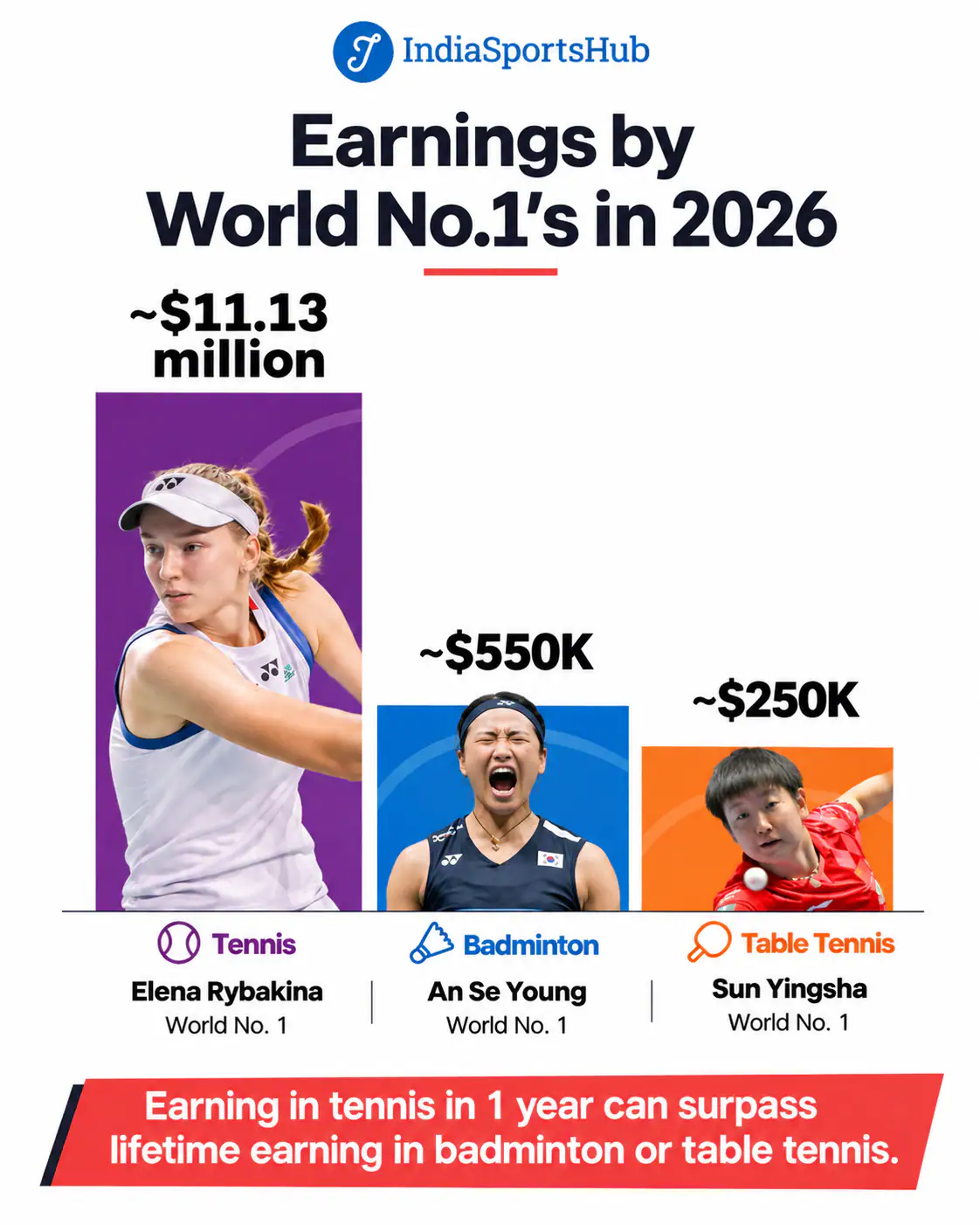
Top 5 tennis players routinely secure between $8,000,000 and $15,000,000 annually in prize money alone
In badminton, sweeping the international circuit yields a fraction of that figure. In 2023, world champions Viktor Axelsen and An Se Young dominated their tours, winning several titles, yet collected $645,095 and $628,020 respectively
In table tennis, world number 1 Wang Chuqin topped the men's prize money list in 2024 with approximately $261,000
Tour Operating Overheads and the Top 100 Solvency Threshold
These disparate reward structures confront fixed operating costs that do not scale down for lower earning sports:
Baseline Travel and Lodging: A competitive campaign requires 20 to 25 weeks of international travel
Coaching and Support Staff: Employing a dedicated coach costs $40,000 to $100,000 per year, while on site physiotherapists and trainers add $25,000 to $50,000
Financial Viability in the Top 100:
A tennis player ranked 75 who exits in the first round of all 4 Grand Slams earns roughly $300,000, comfortably covering tour expenses
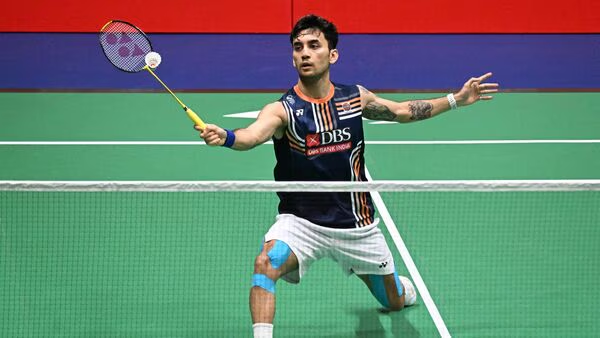
Conversely, a badminton player ranked between 50 and 100 earns between $20,000 and $40,000 in gross annual prize money, covering less than 25% of necessary tour expenses
In table tennis, top 100 players rarely generate more than $15,000 to $30,000 on tour, relying instead on domestic club salaries in European leagues or China
Without institutional support from bodies like SAI or non profit organizations like Olympic Gold Quest, emerging players operate at a steep financial deficit
Gender Parity and Underlying Commercial Drivers
The commercial disparity between these sports stems from broadcast reach and sponsorship profiles:
Gender Prize Money Equity: Badminton and table tennis offer 100% prize money parity between men and women across all World Tour and WTT events
Broadcast and Sponsorship Economics: Tennis commands multi billion dollar global television agreements across Europe, North America, and Australia, paired with massive ticket sales and premium corporate hospitality packages
The Policy Imperative
Sindhu's response emphasizes an essential structural reality: outside the tennis circuit, professional racquet sport athletes cannot rely on prize money alone to fund their careers
Comments (0)
to post comments, replies, and votes.
Loading comments…