Rakshita Sree: Finding Her Edge in a New Generation of Indian Badminton
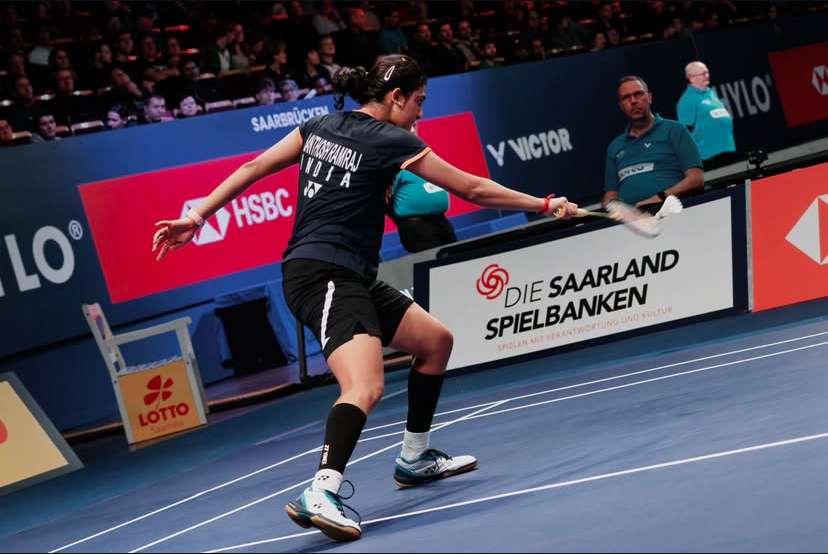
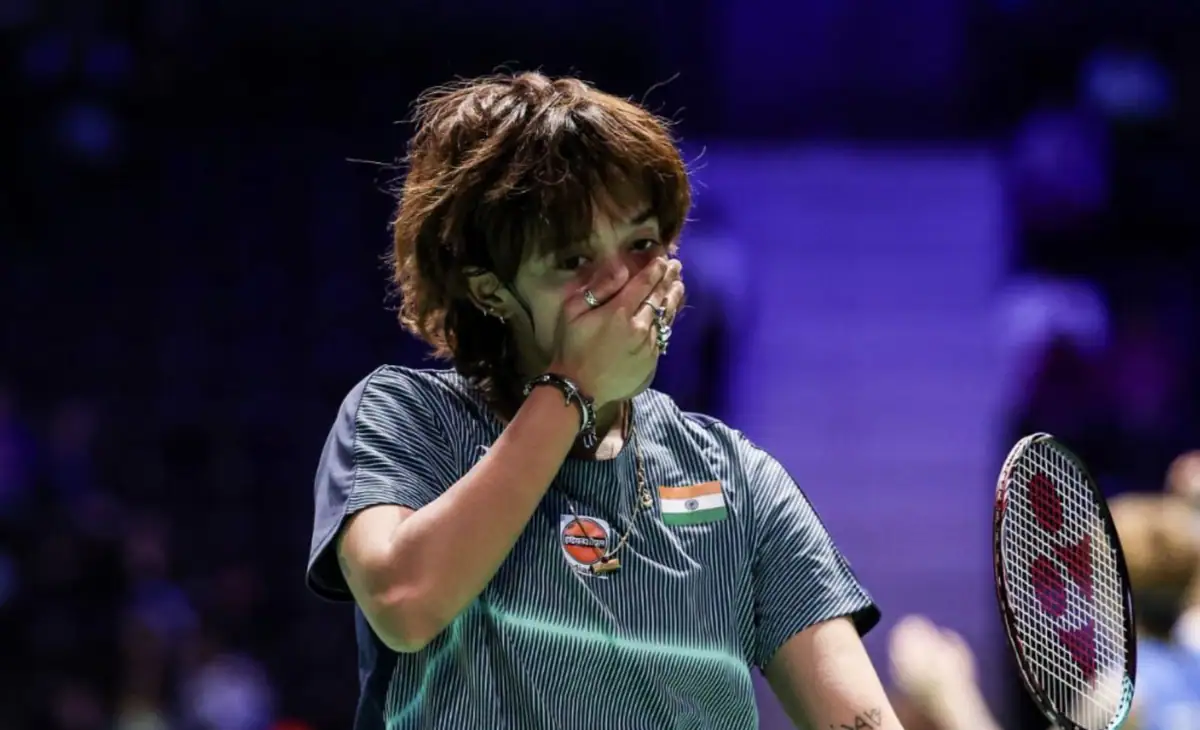
Indian women’s singles badminton is in the middle of a transition phase, and Rakshita Sree sits right in the thick of it.
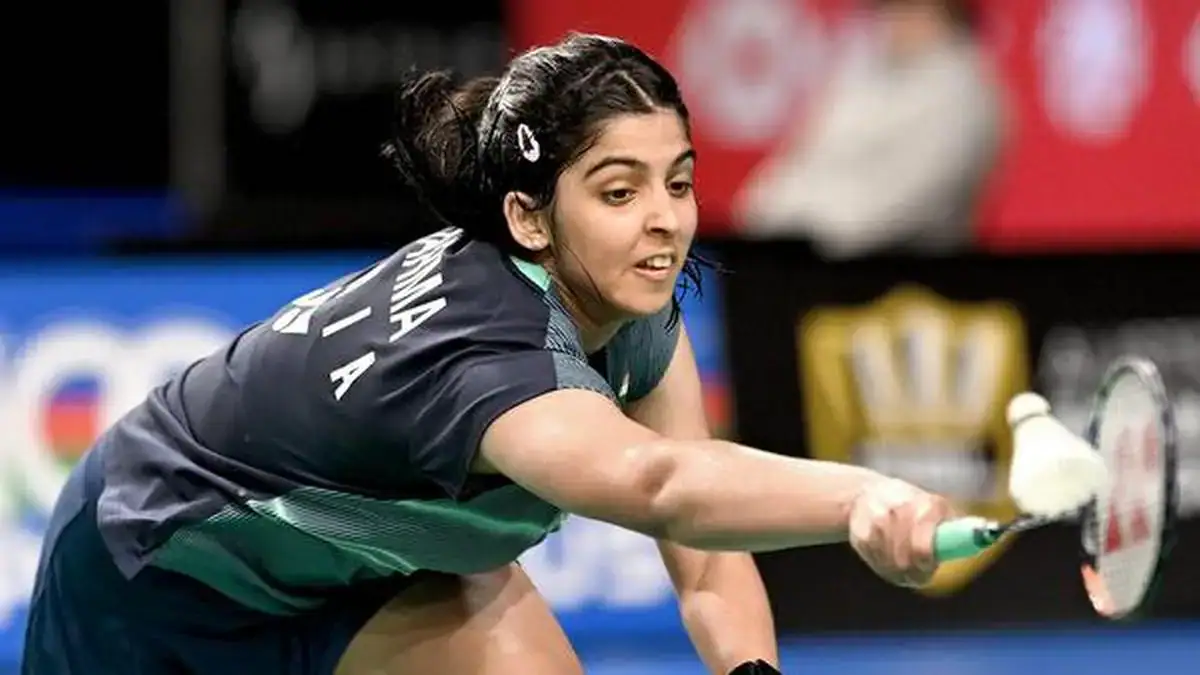
Part of a growing cluster of young Indian shuttlers pushing into the top 100, she represents a generation that is more competitive internally, more exposed globally, and increasingly self-aware about the demands of elite badminton. When she reflects on her recent title-winning run at the Vietnam International Challenge, the conversation immediately moves beyond results and into process. It wasn’t a straightforward tournament. In the final, Rakshita found herself a game down and trailing early in the second. What followed was not panic, but adjustment.
“I tried to change the game more towards attacking,” she explains. “I was playing rallies in the first game, but then I switched strategy, and it worked. I stuck to the plan.”
That clarity in tactical shift is telling. It reflects a player who is beginning to understand her identity on court not just as someone who can compete, but as someone who can control phases within a match.
The Sai Praneeth Influence
A significant part of this evolution has come over the last few months. Since January, Rakshita has been training under B. Sai Praneeth, a recent addition to her coaching ecosystem. The impact, she says, has been immediate but subtle. “He focuses more on strokes. My game is already attacking, so learning new strokes has really helped,” she notes.
The emphasis here is technical refinement rather than overhaul. For an attacking player, expanding stroke repertoire is critical especially in modern badminton, where rallies are faster, and variation often determines outcomes at the highest level. Equally important is the working dynamic. Sai Praneeth’s approach, according to Rakshita, is minimalist in communication. He intervenes when required but largely allows her to play.
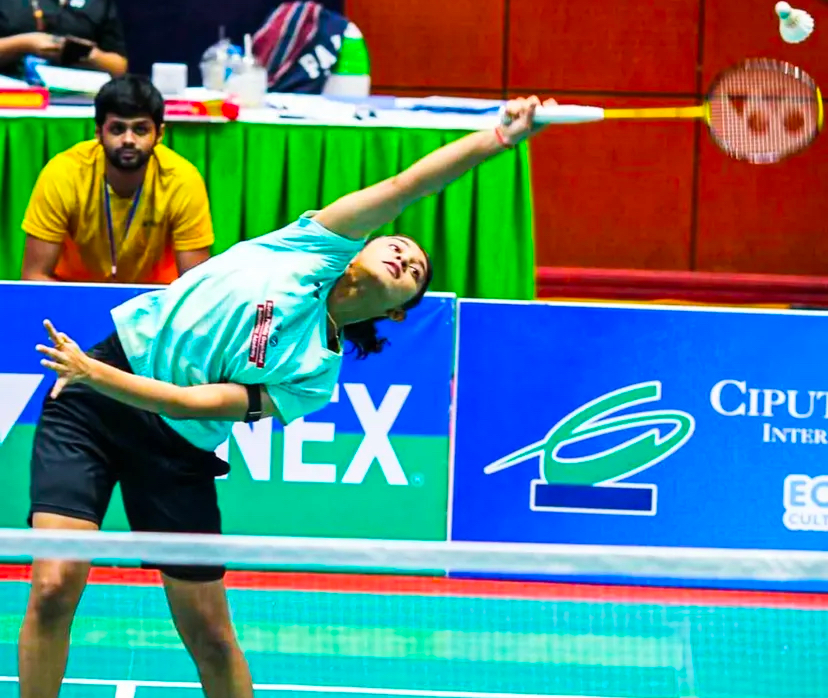
“He doesn’t say a lot. Just a little, and then lets me play.”
This balance between guidance and autonomy is often what separates developing players from maturing professionals. Rakshita is clearly in that transition zone. If there is one area she openly acknowledges as a work in progress, it is emotional control on court. Unlike some of her contemporaries who naturally operate with composure, Rakshita describes herself as someone still learning that aspect.
“He is trying to make me calm, and even I am trying to change myself,” she says.
This is not a trivial admission. In women’s singles, especially at the international level, emotional regulation often determines consistency. Matches are increasingly decided not just by technical superiority, but by how players respond to momentum swings. Rakshita’s approach to setbacks is pragmatic. Losses do not derail her, but they are not ignored either. “I think about it, I learn from it, and try to improve.” There is no over-analysis, no dramatisation just a steady feedback loop between performance and correction.
Inside the Indian Women’s Singles Ecosystem
One of the most interesting parts of the conversation comes when Rakshita speaks about the current Indian women’s singles landscape. Unlike a few years ago, when depth was limited, today there is a cluster of players at similar stages, pushing each other constantly. “It is really great because many players of the same age are playing at a high level,” she says. The change, according to her, is largely psychological.
“One person pushes, others see it and feel they can also do it. Everyone is mentally stronger now.”
That internal competition has raised the baseline. For players like Rakshita, it means there is little margin for stagnation. Progress is no longer optional it is enforced by the ecosystem itself.
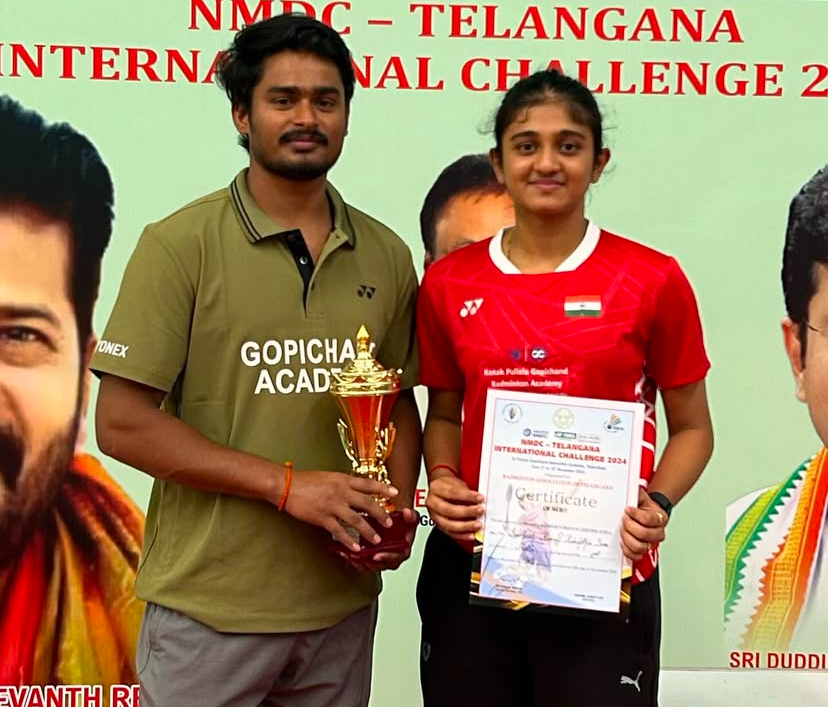
Rakshita trains at the Pullela Gopichand Academy, one of India’s most established high-performance centres. The structure there is demanding, but she describes it with a mix of discipline and aspiration. “It was my dream from childhood to train under Gopichand sir,” she says. The environment is intense large player groups, multiple coaches, and a regimented approach to training. Gopichand himself, she notes, is strict but also approachable in the right moments.
“Whatever he says, we follow it. But he is also fun during some sessions.”
This blend of discipline and engagement has been a hallmark of the academy’s success over the years. In an era where analytics and technology are increasingly shaping sports, Rakshita’s approach remains relatively straightforward. There is no heavy reliance on AI tools or advanced data systems. Instead, her process is simple watch matches, take notes, and revisit them regularly.
https://www.indiasportshub.com/articles/tanvi-sharma-the-making-of-indias-next-badminton-prodigy
“We see the videos, write down notes, and keep reminding ourselves before practice,” she explains. This method may appear basic, but it aligns with how many elite badminton players still operate. The sport, despite technological advancements, remains deeply reliant on feel, rhythm, and situational awareness.
Family and Early Beginnings
Rakshita’s introduction to badminton came through her father. Watching him play casually sparked interest, which gradually turned into competitive ambition. Initially, it was just a summer activity. But exposure to tournaments changed her perspective. “That’s when I realized this is a sport where you have to fight,” she says. From there, the motivation became internal. The dislike of losing a common but powerful driver pushed her to take the sport seriously. Her father’s role, however, has remained measured. Rather than interfering technically, he has consistently directed her towards coaches.
“He always says listen to your coach,” she notes. That clarity in roles parent as support system, coach as technical guide has helped maintain balance.
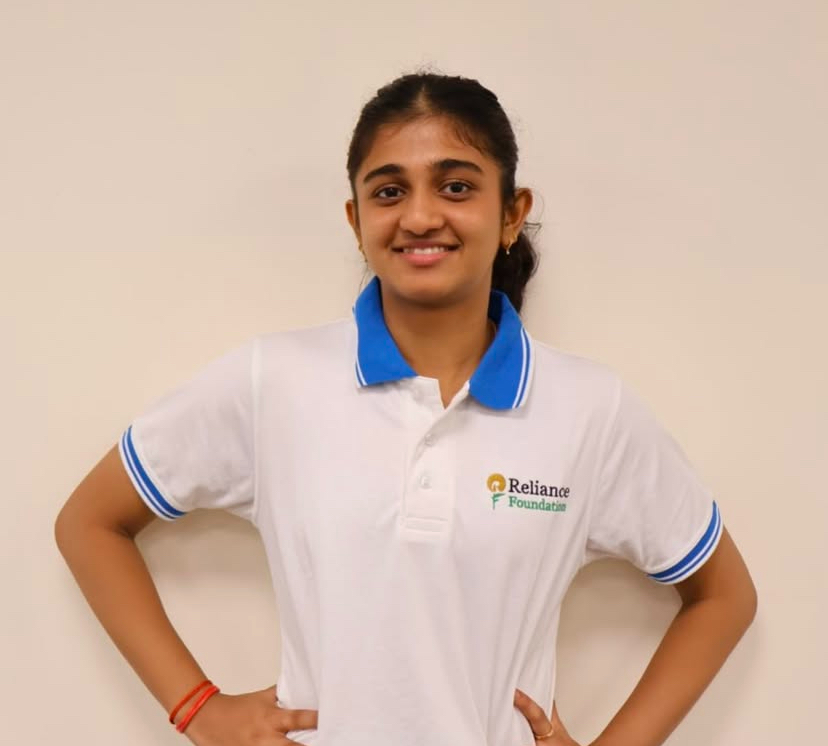
Like most badminton players outside the top tier, Rakshita’s career also involves logistical and financial planning. International competition is expensive, and structured support becomes essential. She currently benefits from Reliance Foundation sponsorship backing that covers equipment, travel, and tournament participation. “They arrange flights, hotels, everything. I just inform them about the tournaments in advance,” she explains.
Rakshita Sree has benefited significantly from structured support provided by Reliance, which plays a crucial role in sustaining her international badminton career. The organisation covers key logistical aspects such as travel, accommodation, and tournament planning, allowing her to focus entirely on performance. Once Rakshita shares her tournament schedule in advance, the arrangements are handled seamlessly, ensuring consistency in participation across the global circuit. This backing reduces the financial burden associated with the sport and provides stability, enabling her to compete regularly, gain exposure, and steadily work towards her goal of breaking into the top tier of international badminton.
Additionally, the Badminton Association of India provides support during team events, helping players access more international exposure.
Playing With and Without the Crowd
Rakshita has experienced both ends of the spectrum packed arenas in India and quieter venues abroad. While crowd support is energising, she maintains that performance cannot depend on it.
“It motivates us when people support, but even without crowd, it is our game and we have to make the country proud,” she says.
This mindset is critical for a player competing regularly on the international circuit, where conditions vary widely.
For 2026, Rakshita’s goal is clearly defined breaking into the top 30. “It is time to push myself to that stage,” she states. It is an ambitious but realistic target, especially considering her trajectory and recent performances. Her approach, however, remains grounded in process. “It is one game at a time. If we keep doing the right things, results will come.” Rakshita Sree’s journey is still in its early phases, but the markers are evident tactical awareness, openness to learning, and a competitive environment that demands constant growth What stands out is not just her attacking game, but her willingness to adapt it. Not just her results, but her understanding of how those results are built.
In a crowded and evolving Indian women’s singles landscape, that combination could prove decisive.
Comments (0)
to post comments, replies, and votes.
Loading comments…