The Future of Indian Tennis: Analyzing the Rise of Arnav Paparkar and Manas Dhamne in 2026
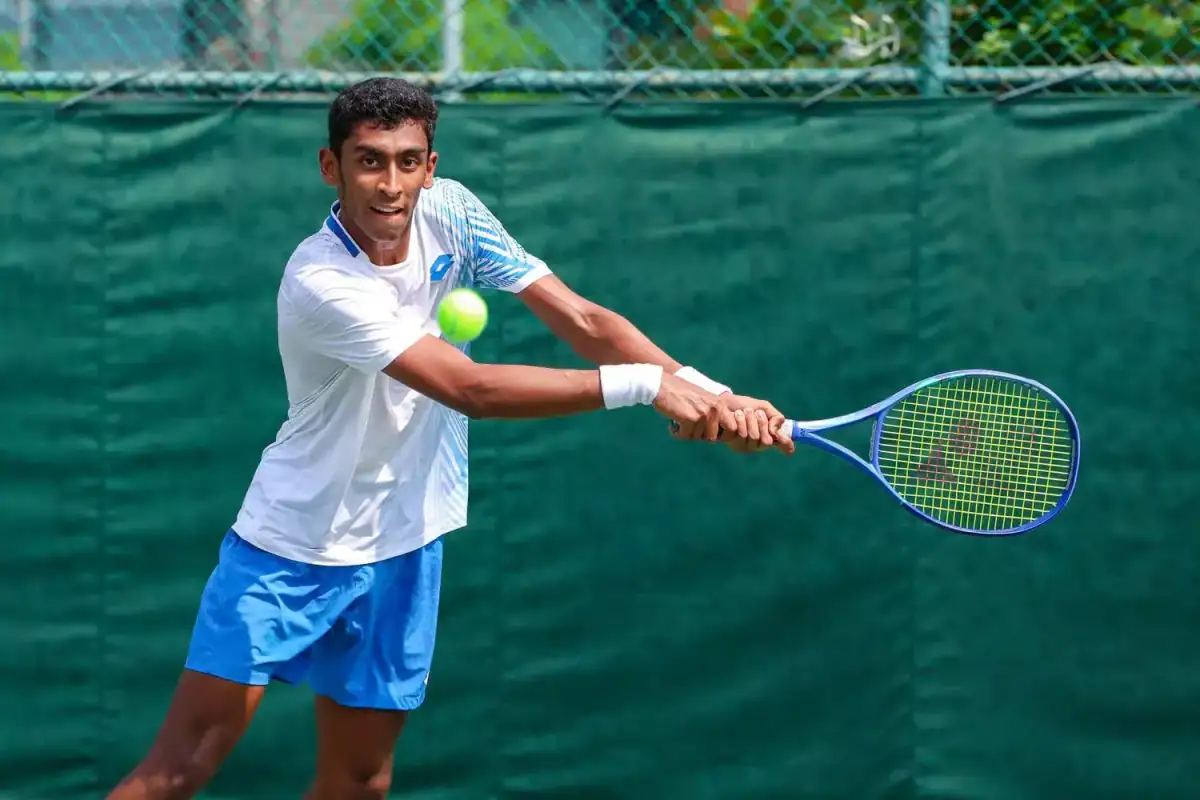
How teenage prodigies Arnav Paparkar and Manas Dhamne are sparking a bright new era for Indian tennis in 2026.
For decades, Indian tennis has leaned heavily on individual moments of magic. From Ramanathan Krishnan’s historic runs in the 1960s to the grand slam doubles reign of Leander Paes, Mahesh Bhupathi, Sania Mirza, and Rohan Bopanna, the country has rarely lacked icon status at the very top. Yet, in men's singles, the gap behind pioneers like Somdev Devvarman and Sumit Nagal has often felt unnervingly wide.
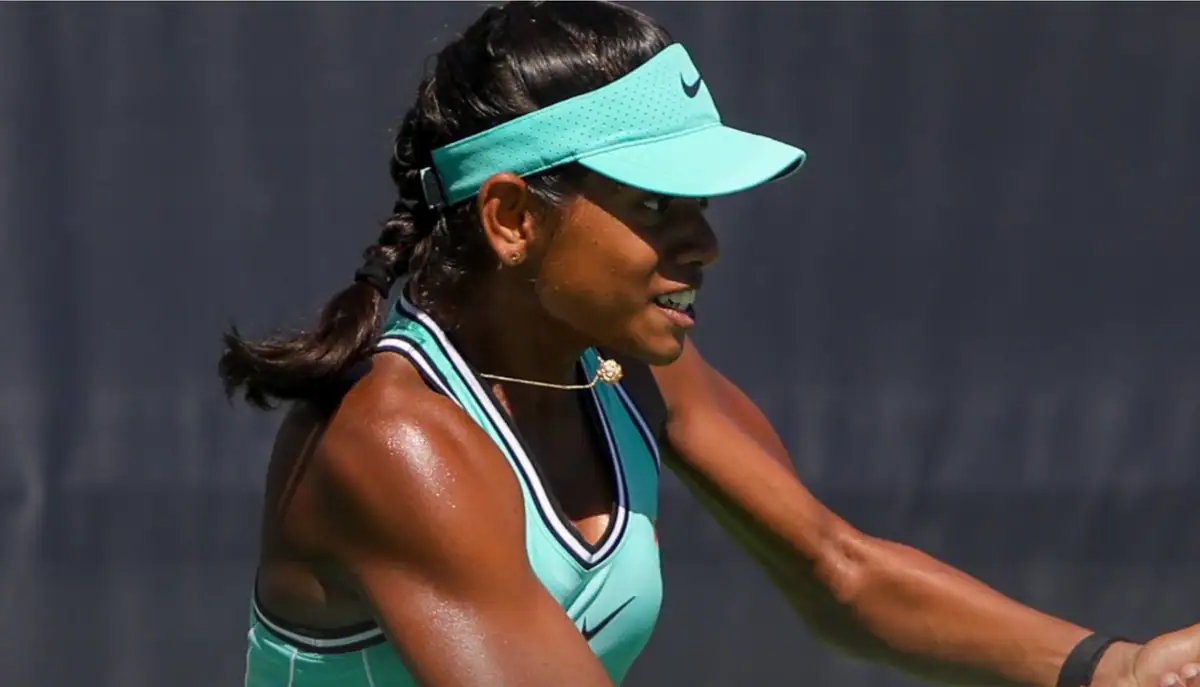
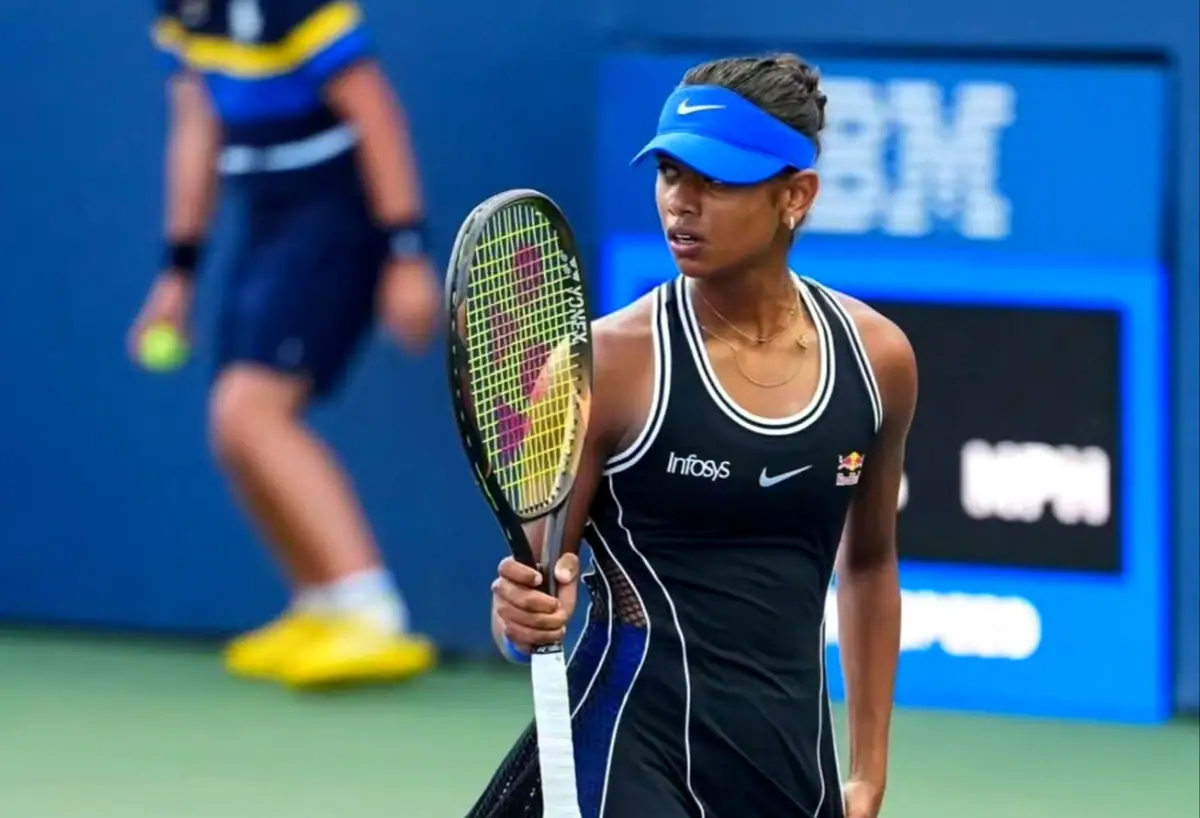
Emerging from the bustling tennis hubs of Maharashtra, two 18-year-olds Arnav Paparkar and Manas Dhamne have injected genuine top-flight optimism into the Indian sporting landscape. Taking starkly different routes through the modern tennis pipeline, Paparkar’s explosive junior Grand Slam breakthroughs and Dhamne’s relentless transition into the ATP Challenger Tour have given Indian tennis something it hasn't possessed in over a decade: a dual-pronged future.
When 18-year-old Arnav Paparkar stepped onto Court 8 at the All England Club in July 2026, few outside Indian tennis circles anticipated history in the making. By the time he dismantled Japan’s Ryo Tabata 6-2, 6-1 in just 52 minutes, the Pune native had etched his name into the record books: he became the first Indian player in 36 years to reach the boys' singles quarterfinals at Wimbledon, a feat last accomplished by Leander Paes in 1990.
https://www.indiasportshub.com/articles/breaking-the-36-year-drought-how-arnav-paparkar-rewrote-indian-junior-tennis
Paparkar’s grass-court run wasn't a lucky stroke of the draw. In the second round, he produced one of the tournament's biggest upsets by knocking out junior World No. 3 Keaton Hance of the United States in straight sets. Armed with a frame standing over six feet tall and a first serve routinely touching 208 km/h, Paparkar played with a level of clinical authority rarely seen in teenage prospects from the subcontinent.
Under the guidance of coach Prosonjit Paul at Pune’s Hemant Bendre Tennis Academy and refined during stints at the Soto Academy in Spain, Paparkar adjusted his mechanics in early 2026, shortening his swing for better rhythm and injury prevention. That tactical maturity combined with support from the Maharashtra State Lawn Tennis Association (MSLTA) and Mission Lakshyvedh propelled him to a career-high junior ranking of World No. 19.
Manas Dhamne: The Italian-Trained ATP Challenger Pioneer
While Paparkar was turning heads on the junior Grand Slam stage, his peer Manas Dhamne was taking a far more grueling route: bypassing the safety net of junior events to battle fully grown professionals on the ATP Challenger circuit.
Born in Satara and raised in Pune, Dhamne made international headlines at just 15 when he played his main-draw ATP debut at the 2023 Tata Open. By mid-2026, that early exposure began yielding massive dividends. In May 2026, Dhamne reached his maiden ATP Challenger final at the Shymkent Challenger II in Kazakhstan, driving his ATP singles ranking to a career-high No. 373.
ATP Career-High Ranking: Reached No. 373 in June 2026, establishing himself as one of the youngest Asian players in the senior top 400.
Training Base: Operates out of the prestigious Piatti Tennis Center in Bordighera, Italy the renowned academy led by Riccardo Piatti.
Challenger Milestone: Runner-up finish at the Shymkent Challenger II, defeating three top-250 players en route to the final.
ITF Titles: Claimed 3 senior ITF World Tennis Tour singles titles across Monastir and Kuwait before turning 18.
Dhamne’s competitive edge stems directly from his training environment. Based out of Italy, he works alongside coaches who have developed top-tier talent like Jannik Sinner and Novak Djokovic. As a result, Dhamne has forged a heavy, physically demanding baseline game tailored specifically for European clay and fast hard courts.
His willingness to absorb tough losses against older, physical opposition at the M15 and Challenger levels has accelerated his adaptation to senior professional speeds. Winning multiple ITF Futures titles across Tunisia and Kuwait before turning 18 highlights a psychological composure that separates promising talents from actual main-tour contenders.
Contrasting Styles, Unified Vision
What makes the concurrent rise of Paparkar and Dhamne so compelling is how completely their playstyles contrast:
Arnav Paparkar represents the archetype of modern, aggressive court coverage. Relying on explosive serve-and-first-forehand combinations, he uses his height to win cheap points, transition quickly to the net, and dictate short rallies.
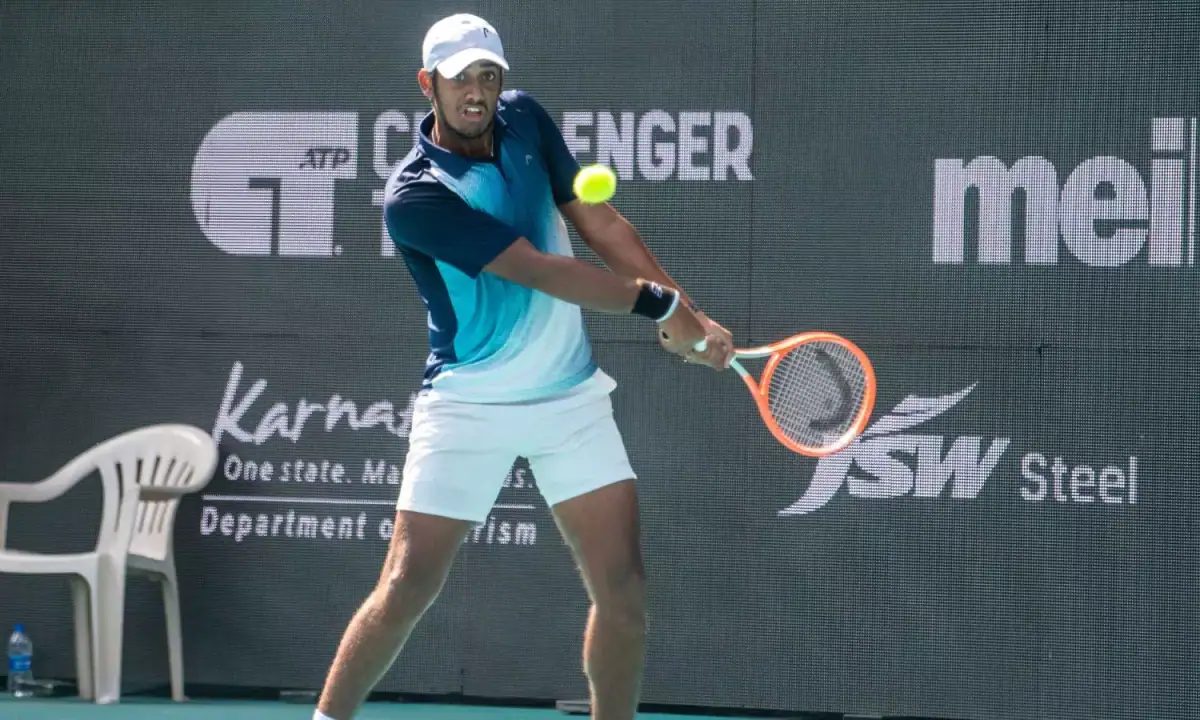
Manas Dhamne is the ultimate tactical grinder. Operating with a heavy two-handed backhand and exceptional movement, he thrives in long, attrition-heavy baseline exchanges where he can wear opponents down through depth and angle manipulation.
Having two elite young prospects developing different surface specialities is a massive asset for Indian tennis. It provides the national Davis Cup squad with tactical flexibility and creates a healthy, non-conflicting internal rivalry where both players push each other to higher benchmarks.
Despite their remarkable milestones in 2026, the toughest phase of Arnav Paparkar and Manas Dhamne's careers is only just beginning. The leap from being a promising junior or a consistent Challenger Tour performer to establishing oneself as a regular in the ATP Top 100 is one of the most demanding transitions in professional tennis. To make that jump over the next two seasons, both players will need to focus on three crucial areas. First, building the physical endurance required for the rigours of five-set tennis while carefully managing their workloads to avoid injuries during this crucial stage of development. Second, ensuring sustained financial and infrastructural support, as competing on the global circuit demands significant investment in coaching, international travel, sports science, and recovery.
Continued corporate sponsorship, complemented by initiatives such as Maharashtra's Mission Lakshyvedh, will be instrumental in their progress. Finally, intelligent scheduling will be essential, striking the right balance between junior Grand Slams, Challenger events, and ATP Tour opportunities to maximise ranking gains without risking burnout. For years, Indian men's tennis faced uncertainty over who would lead the next generation.
In 2026, Paparkar and Dhamne have provided a compelling answer. Whether it is Paparkar serving his way to success on the lawns of Wimbledon or Dhamne battling through gruelling clay-court contests in Europe, both teenagers have shown that Indian tennis is no longer relying on memories of past glory. Instead, it is building a new generation capable of competing with the world's best and ushering in an exciting new era for the sport.
Comments (0)
to post comments, replies, and votes.
Loading comments…