West Bengal Announces Massive Increase in Cash Rewards for Olympic and International Medal Winners
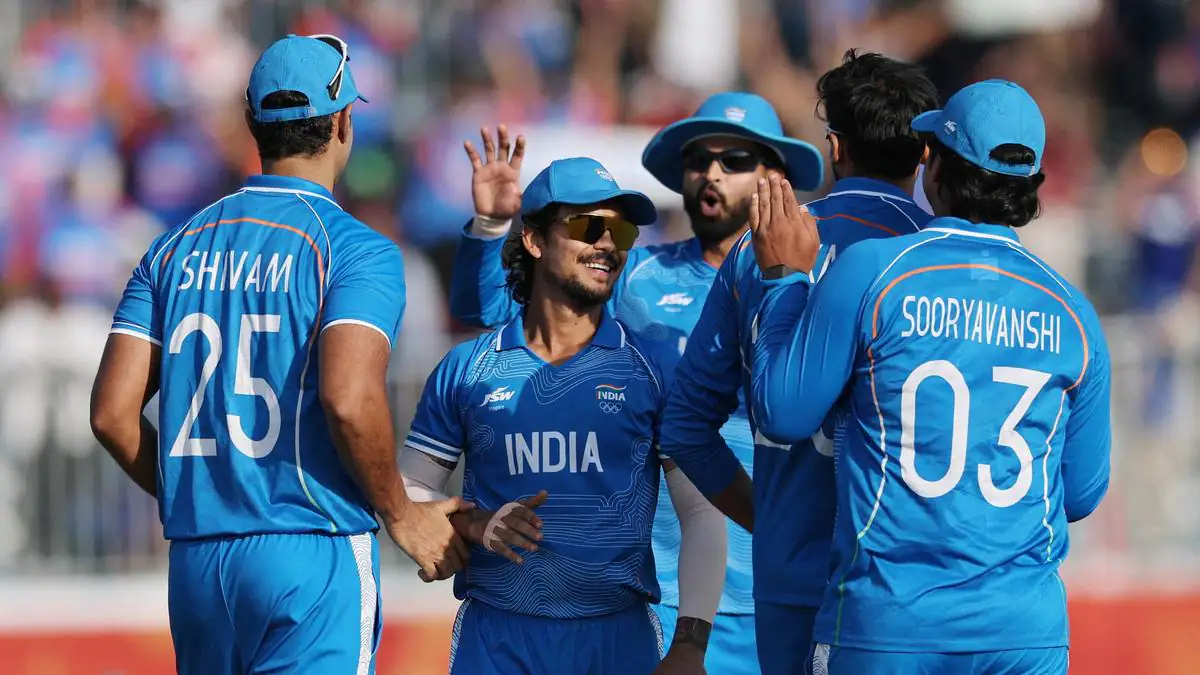
In one of the most significant state-level sports policy announcements in recent Indian sporting history, the West Bengal government has dramatically increased cash rewards for athletes winning medals at major international events, including the Olympics, World Championships, Asian Games, and Commonwealth Games.
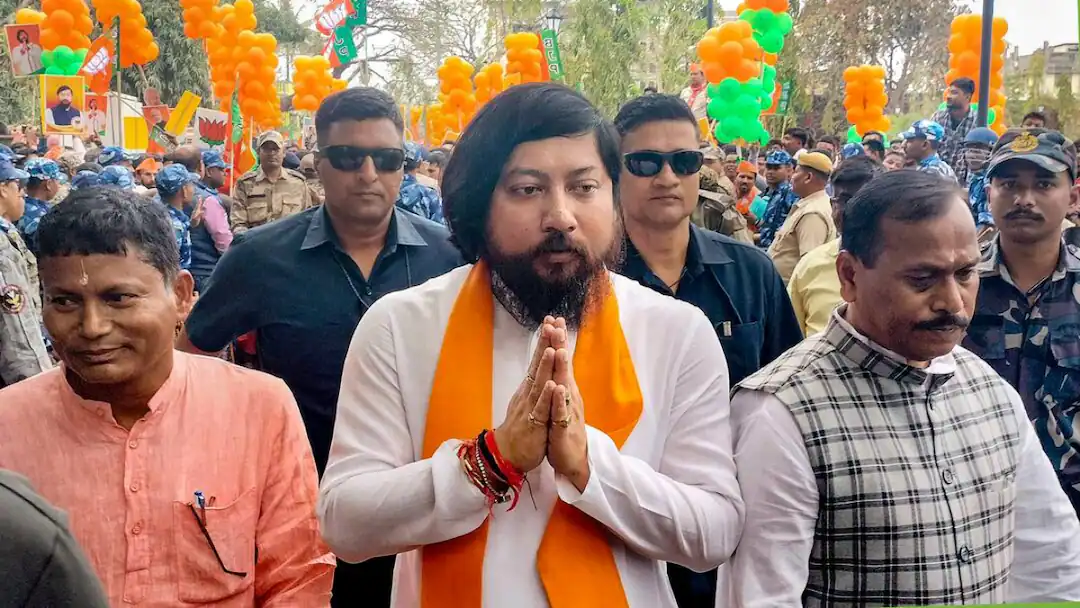
The revised incentive structure, announced by West Bengal Sports Minister Nisith Pramanik on Tuesday, represents a massive shift in how elite sporting achievement is being valued at the state level. Most notably, an Olympic gold medallist from West Bengal will now receive ₹8 crore an extraordinary jump from the previously sanctioned amount of just ₹25 lakh. Olympic silver medallists will now receive ₹6 crore, while bronze medallists will earn ₹4 crore under the revised framework.
The announcement immediately places West Bengal among the most financially aggressive states in India when it comes to rewarding sporting success.
The scale of the increase reflects the growing recognition of sports as a priority area within state policy. For decades, Indian athletes often struggled with limited financial security despite representing the country at the highest level. While conditions have improved significantly over the last decade, disparities between states and inconsistent support structures still remain major challenges.
West Bengal’s new policy appears designed not only to reward medal winners but also to create a stronger long-term sporting culture within the state. The revised incentives are not limited to Olympic success alone.
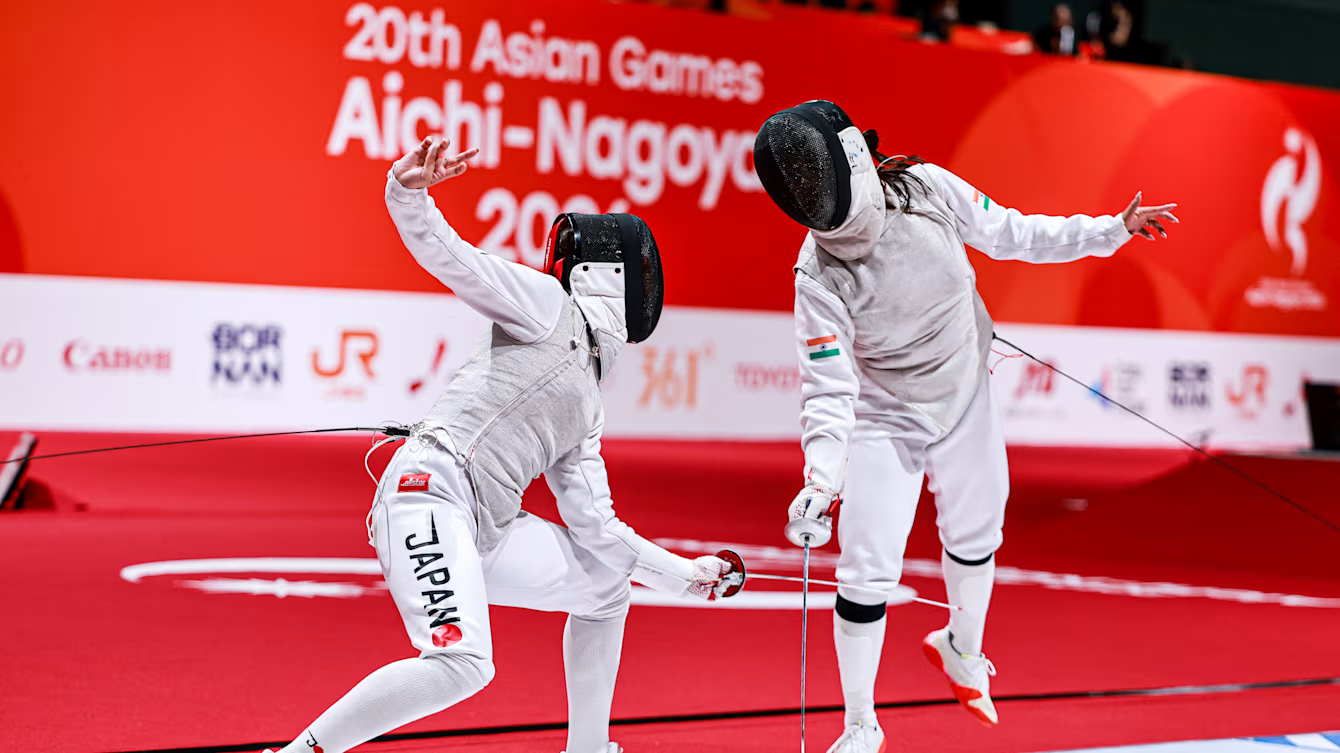
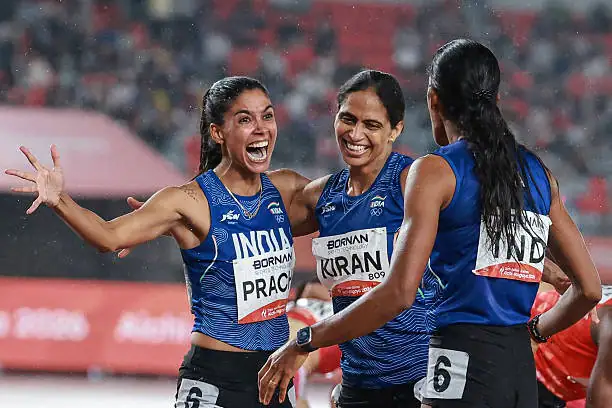
According to the announcement, medal winners at the Asian Games will receive Gold: ₹5 crore, Silver: ₹4 crore & Bronze: ₹2 crore
Meanwhile, medal winners at World Championships will receive Gold: ₹2 crore, Silver: ₹1.5 crore & Bronze: ₹1 crore
For the Commonwealth Games, athletes will receive Gold: ₹1.5 crore, Silver: ₹75 lakh & Bronze: ₹50 lakh
The financial jump across categories is substantial and signals a major change in the state’s sporting priorities.
The new Olympic reward structure is particularly striking because it fundamentally changes the financial landscape for elite athletes from West Bengal. An ₹8 crore reward for Olympic gold now places sporting achievement among the most financially rewarding professional accomplishments available in India.
In practical terms, such incentives can dramatically alter how athletes and families view sporting careers. The message from West Bengal is now clear elite sporting success will be valued and protected financially.
The announcement was not limited to cash rewards alone. Sports Minister Nisith Pramanik also confirmed that the state would immediately move toward implementing a new Sports Governance Act aimed at improving administrative structures and athlete support systems. Additionally, the government outlined plans for expanded sports infrastructure, better athlete support systems, increased grassroots investment & Employment opportunities for sportspersons
While detailed implementation plans are yet to emerge, the broader vision appears focused on creating a more sustainable sporting ecosystem rather than relying solely on isolated financial incentives. Infrastructure development, in particular, remains crucial. India has repeatedly produced elite athletes despite infrastructural limitations, but consistent international success across multiple sports still depends heavily on long-term systemic investment.
West Bengal’s move also reflects a growing trend within Indian sport: states increasingly competing with one another to attract, support, and develop elite athletes. States like Haryana, Odisha, Tamil Nadu, and Punjab have already built strong reputations for athlete support through cash awards, jobs, training infrastructure, and sponsorship backing.
Odisha’s transformation through hockey investment and Haryana’s long-standing dominance in wrestling, boxing, and athletics have shown how state-led sports policies can create sustained success. West Bengal now appears eager to establish itself similarly within India’s sporting landscape. The state already possesses rich sporting history, particularly in football, athletics, and archery. With increased investment and athlete incentives, officials will hope more international-level performers emerge across Olympic disciplines.
Athletes and coaches will therefore closely watch how quickly the government converts policy into functioning support systems. The proposed employment pathways for athletes could become particularly important because career security remains one of the biggest concerns for Indian sportspersons outside cricket.
States are now realizing that elite sporting success also carries political, social, and economic value. For young athletes across West Bengal, the message from this announcement is powerful. Success in sport is no longer being treated as symbolic achievement alone it is now being recognized as a professional pathway worthy of major investment and national importance.
And if implemented effectively, this policy could become one of the most influential state-level sports reforms India has seen in recent years.
Comments (0)
to post comments, replies, and votes.
Loading comments…