What China Does Differently in Shooting: Five Lessons India Must Learn to Turn Olympic Medals into Gold
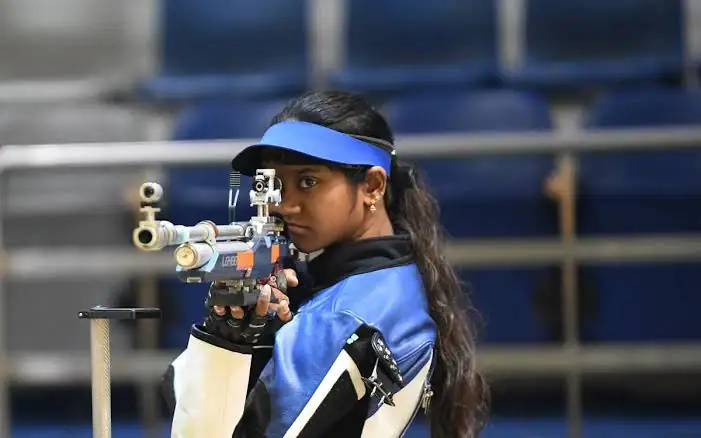
India has established itself as one of the world's leading shooting nations, with a growing medal collection at international competitions and a historic three-medal campaign at the Paris 2024 Olympics.
Yet, despite its impressive talent pool and regular success at ISSF World Cups and junior championships, one question continues to emerge: why has China been able to produce such sustained Olympic gold-medal success, while India is still working towards consistent dominance at the highest level?
The difference is not simply the quality of individual shooters. It lies in how the two countries approach athlete development, technical preparation, sports science, psychological conditioning and institutional organisation.
China's shooting programme operates as an integrated performance system, combining early talent identification, standardised coaching, extensive technical repetition and continuous sports science support. India, meanwhile, has developed a strong but more decentralised ecosystem involving private academies, state institutions, personal coaches and government-supported high-performance programmes.
India has already demonstrated that it possesses the talent to compete with the best. The next challenge is to build a system that can consistently convert that talent into Olympic gold medals.
1. China prioritises technique before scores
One of the most important differences highlighted in China's training approach is its emphasis on technical consistency rather than simply accumulating high scores during practice. A major component is dry-fire training, in which shooters repeatedly practise their aiming position, breathing, hold stability and trigger movement without firing live ammunition.
The purpose is to separate the mechanics of shooting from the distractions associated with live firing, including recoil, sound and immediate score feedback. Athletes can concentrate on the smallest details of their movement and identify technical inconsistencies.
China's approach also places considerable emphasis on static-hold endurance. Shooters practise maintaining their competition positions for extended periods, strengthening the muscles responsible for postural stability.
Another important principle is grouping consistency. Instead of reacting to every individual score, athletes are encouraged to focus on the grouping of their shots. A tight group demonstrates repeatable execution, even if the group is not initially centred on the target. This is an important lesson for India. Training should not become an exercise in chasing 10s every day. Coaches must first establish repeatable technique, stable grouping and reliable trigger execution. Scores should improve as a consequence of better mechanics, rather than becoming the only measure of progress.
2. Sports science must become part of everyday training
China's model places significant emphasis on using technology to understand what happens before, during and after every shot. The comparative analysis identifies several tools that can support this process:
Biomechanical tracking: Pressure-mapping platforms measure how an athlete distributes body weight and how their centre of pressure moves during the aiming process.
Surface electromyography (sEMG): Sensors measure muscle activation and help identify unnecessary tension in the forearm, shoulder and other muscle groups.
Optoelectronic aiming systems: Tools such as SCATT track aiming movement, hold stability and trigger-related deviations.
Cardiovascular monitoring: Heart-rate and heart-rate variability measurements can help coaches understand physiological responses during training.
Neurophysiological monitoring: EEG-based systems can be used in research and specialised programmes to examine brain activity associated with attention and relaxation.
The important distinction is not simply whether a country has access to such equipment. It is whether the information is collected consistently and translated into practical coaching decisions.
India has access to advanced sports science facilities and technical equipment through national camps, academies and high-performance programmes. However, the challenge is to make these resources part of routine athlete development rather than relying primarily on periodic assessments.
The National Rifle Association of India (NRAI) and the Sports Authority of India (SAI) could work towards establishing dedicated precision-shooting sports science centres where athletes have individual performance profiles, regularly updated technical data and long-term monitoring.
A shooter should not have to wait for a major training camp to understand why their stability or trigger execution has deteriorated.
3. China trains for pressure, not just competition
An athlete can produce exceptional qualification scores and still struggle when the pressure of an Olympic final changes the nature of the competition. Modern shooting finals involve elimination rounds, sudden changes in standings and the possibility of losing a medal through a single poor shot. Technical ability alone is not always enough to manage these situations.
China's preparation model, as outlined in the comparative analysis, includes stress-inoculation exercises designed to recreate the distractions and uncertainty of major competitions. Training environments can incorporate simulated crowd noise, commentary, sudden cheers and elimination-style contests. Athletes are also exposed to demanding scoring requirements and shoot-offs in front of teammates.
The objective is to make competitive pressure familiar.
India has already moved in this direction. Following the disappointing Tokyo 2020 campaign, the NRAI introduced a more structured Olympic Selection Trial process, incorporating qualification performances and final-round results. Simulated finals and psychological preparation also became more prominent in the national programme.
The next step should be to institutionalise these exercises across senior and junior squads.
Every national camp should include pressure simulations in which athletes face changing match situations, sudden-death eliminations and difficult recovery scenarios. The ability to respond after an eight or a low nine should be trained as deliberately as the ability to shoot a 10.9.
4. Develop a standard response to bad shots
One particularly useful concept in the Chinese training framework is the use of predefined responses to unexpected low scores. A poor shot can trigger frustration, rushed execution and unnecessary technical adjustments. The next few shots may suffer because the athlete becomes preoccupied with correcting the previous mistake.
The proposed Chinese approach treats a bad shot as a technical problem rather than an emotional crisis.
The shooter pauses, checks their position and trigger execution, regulates breathing and returns to the established routine before firing again. The same principle applies to consecutive high scores. A series of 10s can create its own pressure, with athletes becoming overly cautious or changing their normal rhythm to protect a lead.
Indian coaches should develop standard tactical playbooks for these situations. Athletes must know precisely what to do after a poor shot, a sudden change in rhythm or a strong scoring sequence. The objective is to reduce decision-making under stress. When an athlete has already rehearsed the response, there is less room for panic.
5. China's talent pipeline is more integrated
Perhaps the biggest difference between the two countries lies in their institutional structures. China's state-supported sporting system follows a relatively centralised pathway, moving athletes from municipal sports schools to provincial squads, national reserves and eventually the senior national team.
This allows technical principles, coaching terminology and physical preparation methods to remain relatively consistent throughout an athlete's development. India has a more diverse ecosystem. State academies, private shooting centres, individual coaches, the NRAI, SAI, TOPS and philanthropic organisations all contribute to athlete development.
This model has produced outstanding shooters, but it can also create inconsistencies. Athletes may receive different technical advice from personal coaches and national team staff, particularly during major competition preparation. India does not necessarily need to replicate China's centralised structure. Its private academies and individual coaching relationships are valuable strengths.
What it needs is better coordination.
The NRAI could establish a formal framework through which personal coaches of national-level athletes work alongside federation-appointed coaches. Shared technical assessments, common terminology and coordinated training plans would reduce conflicting instructions.
Early talent identification also needs to become more systematic. Alongside competition scores, junior screening could examine balance, hand steadiness, visual stability, attention and the ability to sustain concentration.
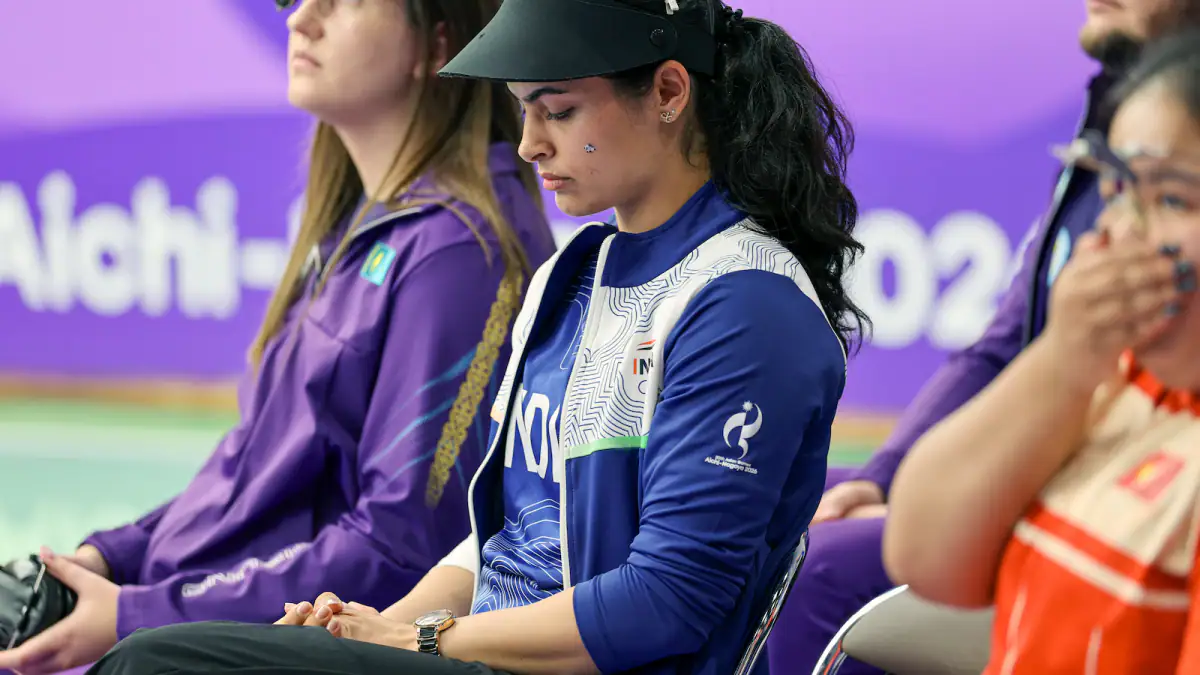
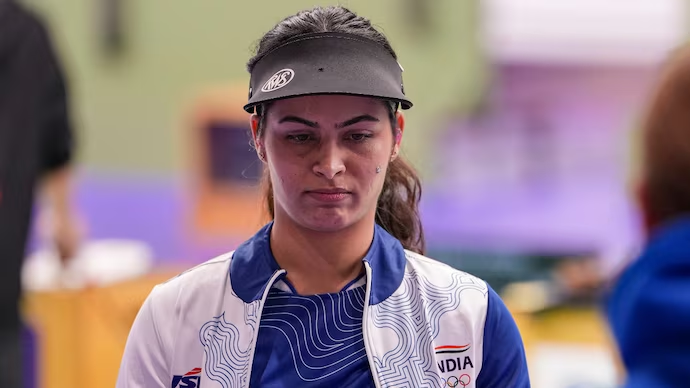
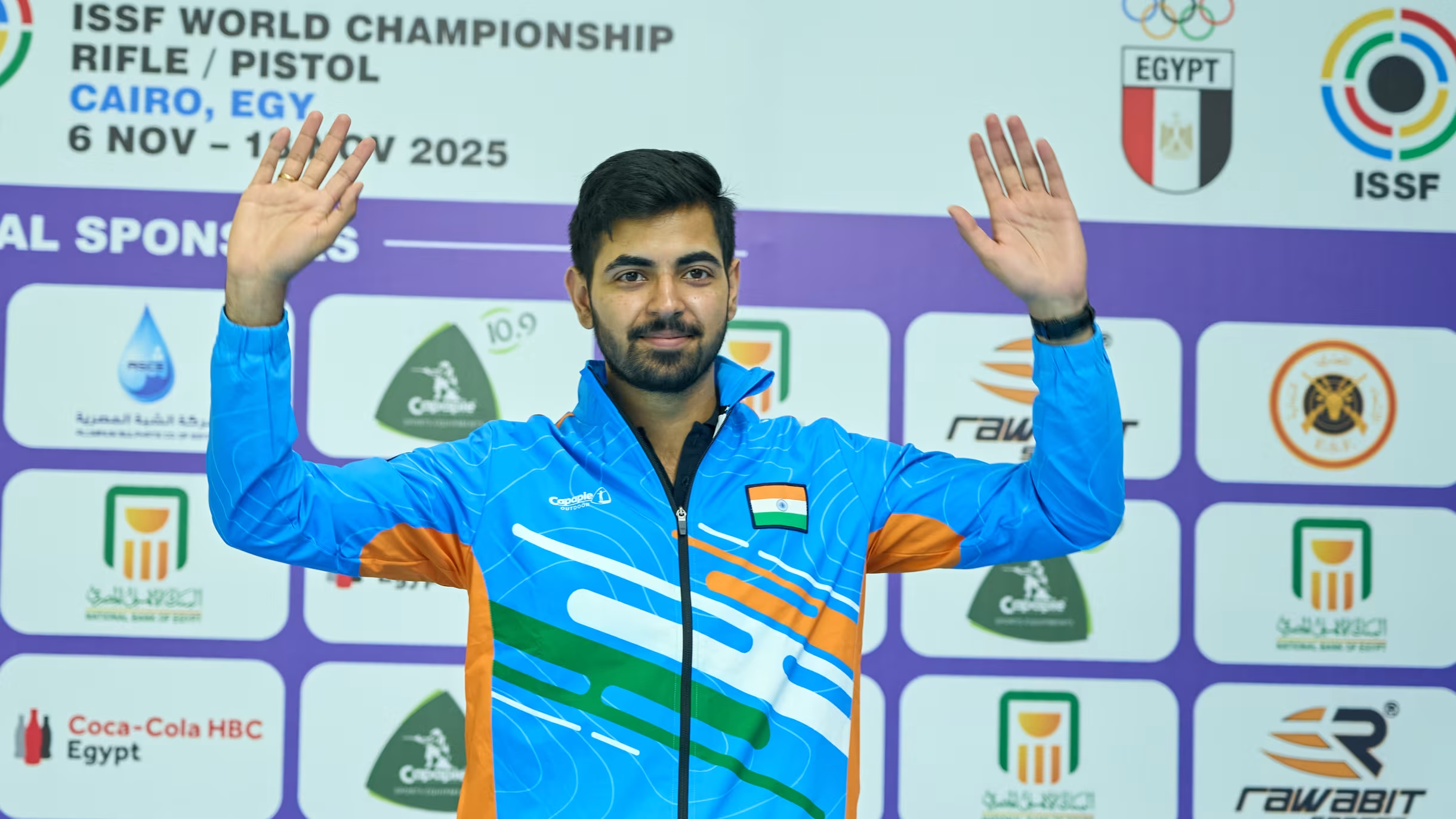
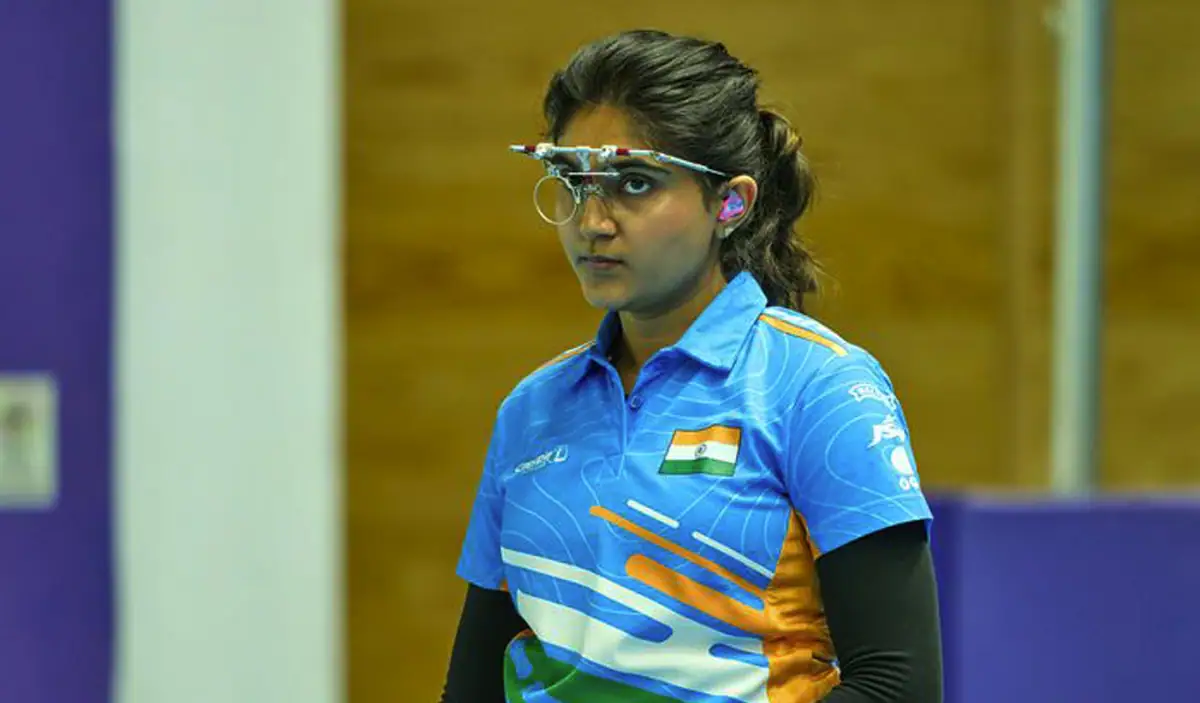
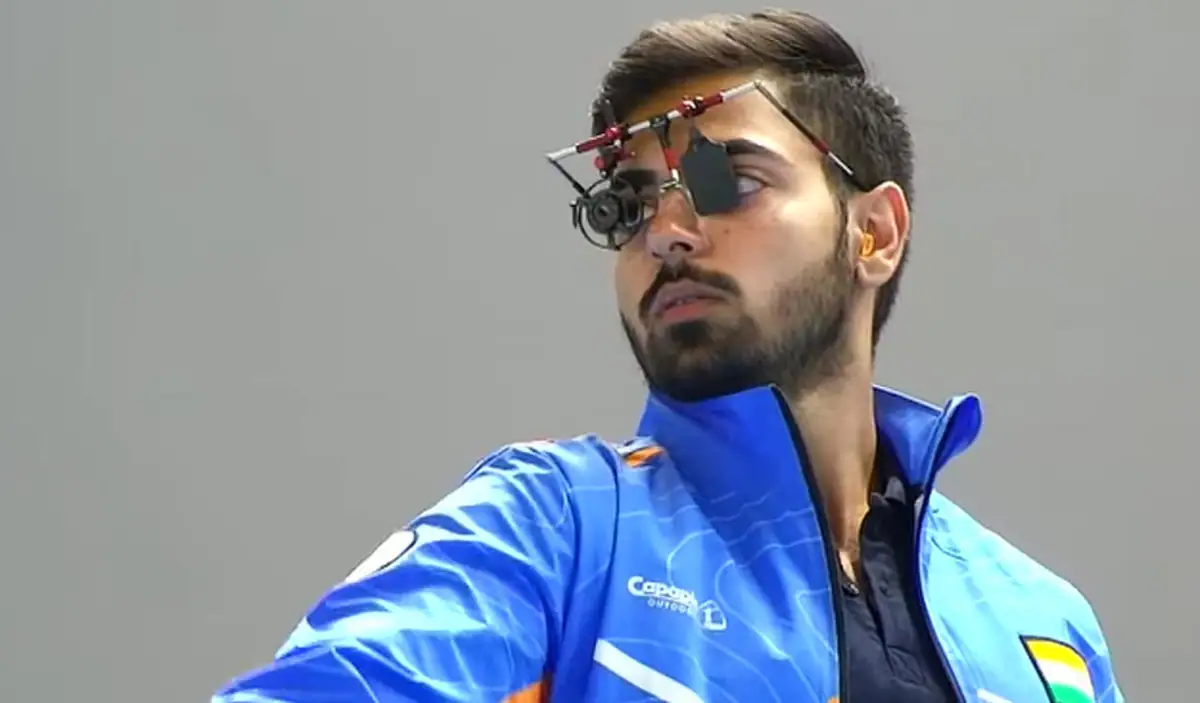
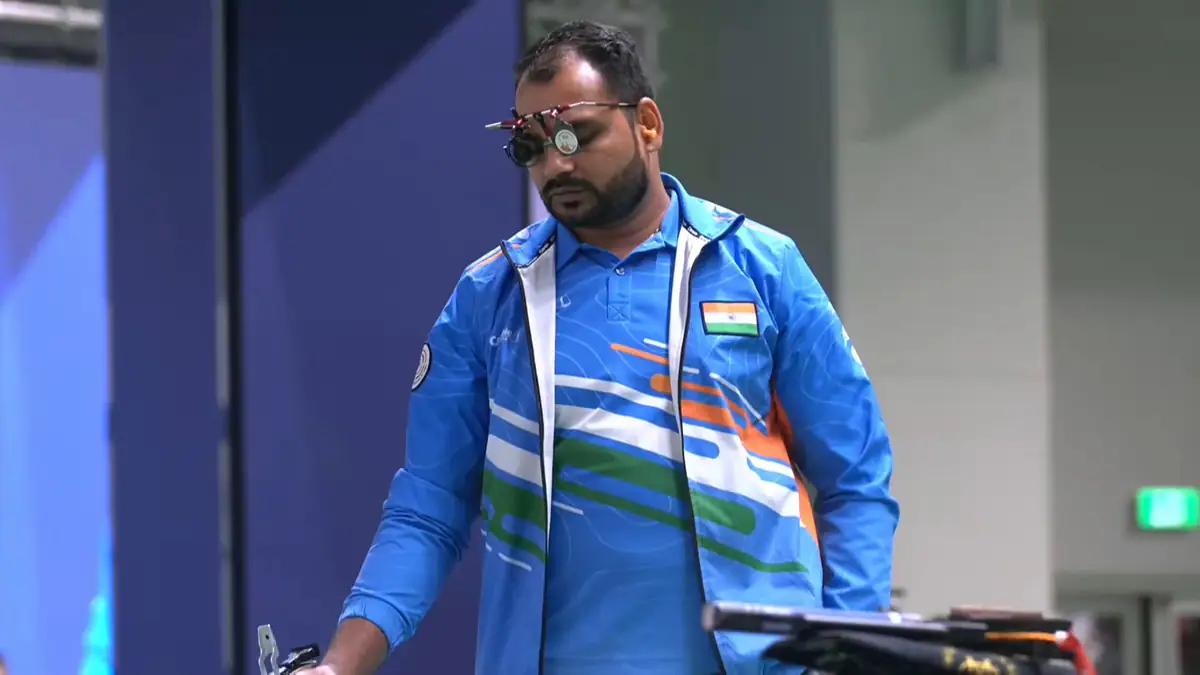
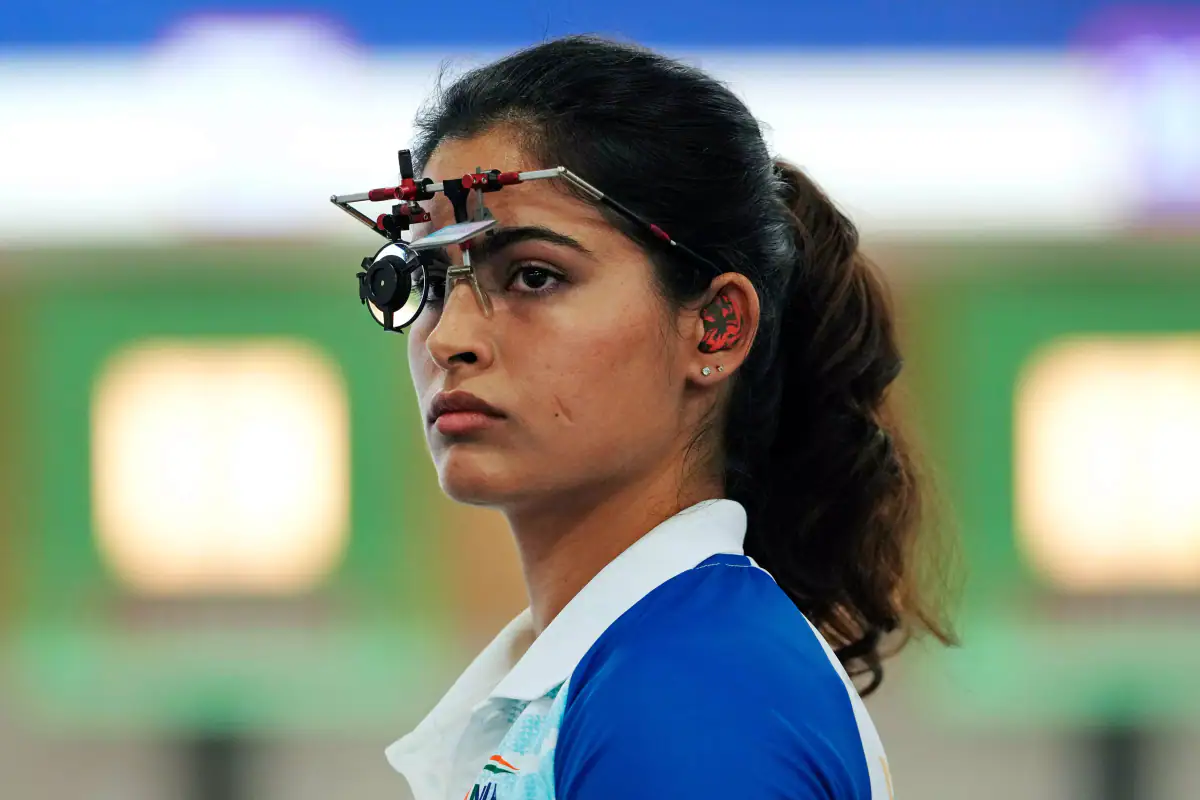
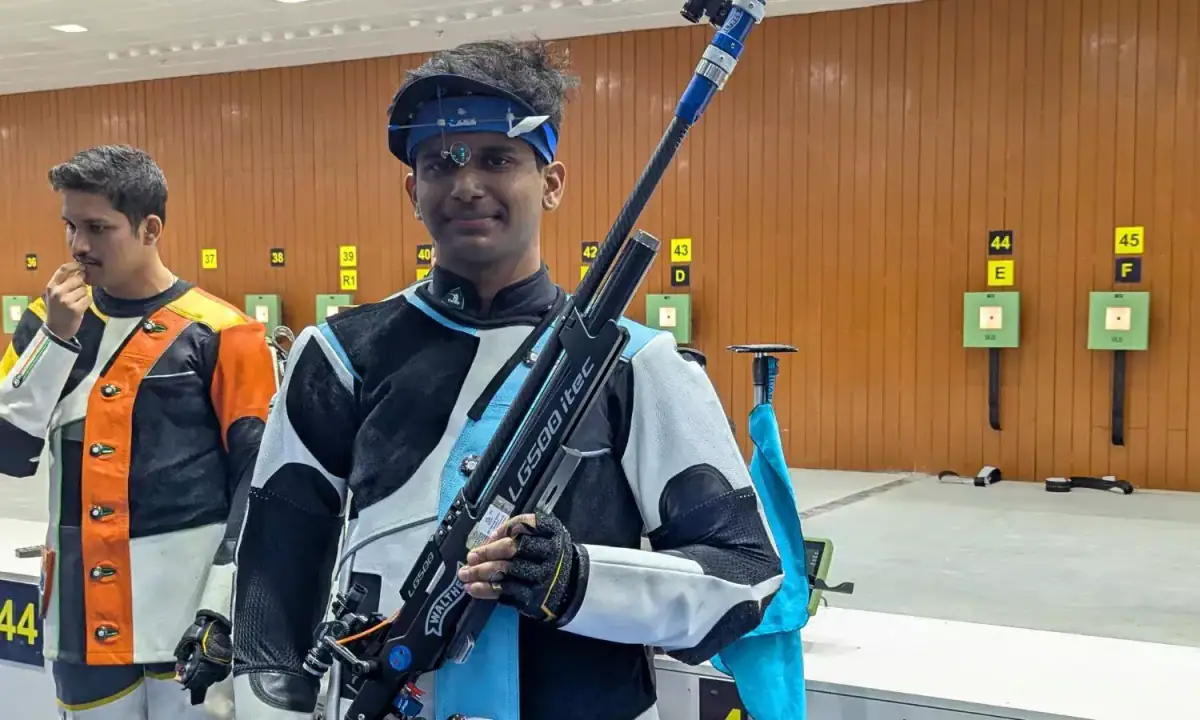
India's Paris 2024 performance demonstrated that the country can deliver on the Olympic stage. Manu Bhaker won two bronze medals, including one alongside Sarabjot Singh, while Swapnil Kusale secured another bronze. India also recorded three fourth-place finishes. The results represented the country's most successful Olympic shooting campaign, but they also highlighted how narrow the gap between a medal and a near miss can be.
For the LA 2028 cycle, five priorities stand out:
Create permanent shooting sports science hubs with biomechanical, physiological and technical monitoring.
Standardise dry-fire and grouping programmes across national and junior training structures.
Introduce regular pressure simulations that reproduce the demands of Olympic finals.
Build standardised psychological response protocols for low scores, shoot-offs and changing match situations.
Integrate personal coaches into the national framework to ensure continuity in athlete preparation.
These measures should be supported by individual performance databases, allowing coaches to track technical changes over months and years rather than relying only on competition results.
The comparison between China and India should not be reduced to the argument that one country has better shooters. India has world-class athletes, a strong junior pipeline and an increasingly competitive international presence. The more important distinction is how consistently the system supports those athletes.
China's model offers lessons in technical discipline, continuous monitoring, pressure preparation and institutional coordination. India has already made progress in several of these areas, particularly through selection reforms and high-performance support. The task now is to make those improvements consistent across the entire shooting ecosystem.
Olympic shooting is decided by fractions. The difference between a medal and fourth place can be a single shot, a moment of lost concentration or a technical adjustment made at the wrong time.
India does not need to start from scratch. It needs to build on the foundation already established and make precision, data and psychological preparation part of everyday training.
The objective for Los Angeles 2028 should not merely be to qualify more shooters or win more medals. It should be to create an environment in which Indian shooters arrive at the Olympic final prepared for every possible situation and capable of delivering their best performance when the pressure is at its highest.
The next leap for Indian shooting may not come from finding the next champion. It may come from building a system that consistently produces them.
Comments (0)
to post comments, replies, and votes.
Loading comments…