India End World Athletics Relays Campaign with Mixed Emotions, Miss Out on Direct World Championship Qualification
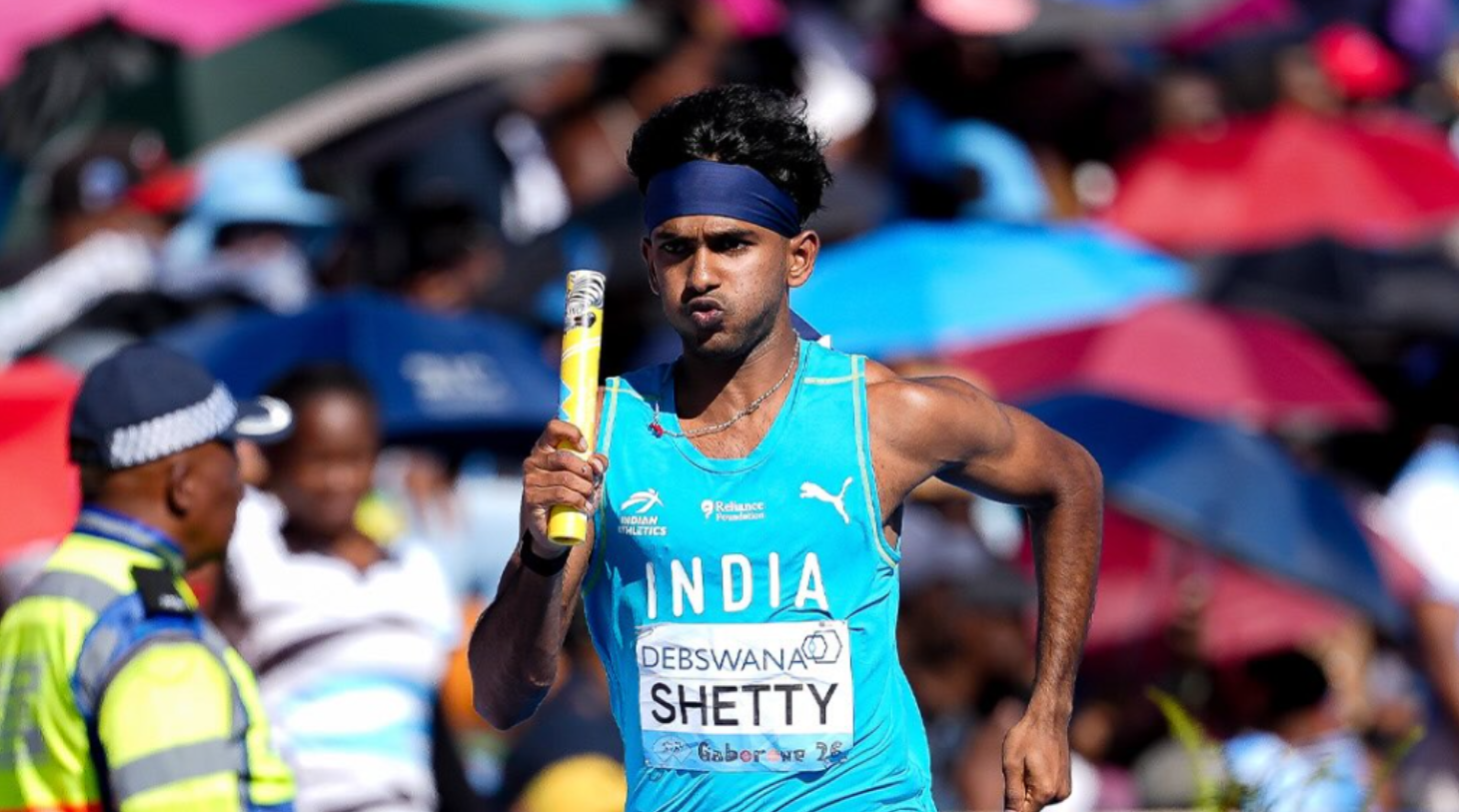
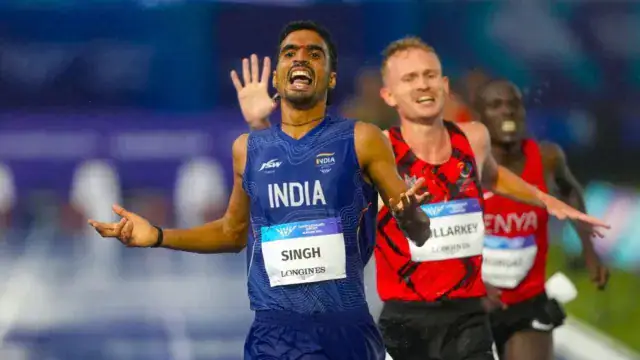
India’s campaign on Day 2 of the World Athletics Relays 2026 in Gaborone ended in disappointment and frustration, as multiple baton errors and an untimely injury derailed the country’s hopes of securing direct qualification for the 2027 World Championships in Tokyo.
Coming into the second day, India still had realistic chances in several relay events, particularly the men’s 4x400m relay traditionally the country’s strongest relay discipline. But what unfolded across the evening was a combination of bad luck, execution errors and missed opportunities on one of athletics’ biggest relay stages.
The biggest heartbreak came in the men’s 4x400m relay repechage round. India fielded a strong quartet of Dharamveer, Amoj Jacob, Rajesh Ramesh and Vishal TK, making a crucial change after Day 1 by bringing Amoj into the lineup following his strong split in the mixed relay. The team had entered the race with genuine hopes of qualifying for the 2027 World Championships, especially after clocking a season-best 3:00.32 the previous day.
The opening leg from Dharamveer kept India firmly in contention in a stacked heat featuring Japan, China, Brazil and Great Britain. However, disaster struck during the second leg as Amoj Jacob appeared to suffer a cramp midway through his run. Unable to continue, Amoj pulled up before completing the leg, forcing India into a heartbreaking DNF.
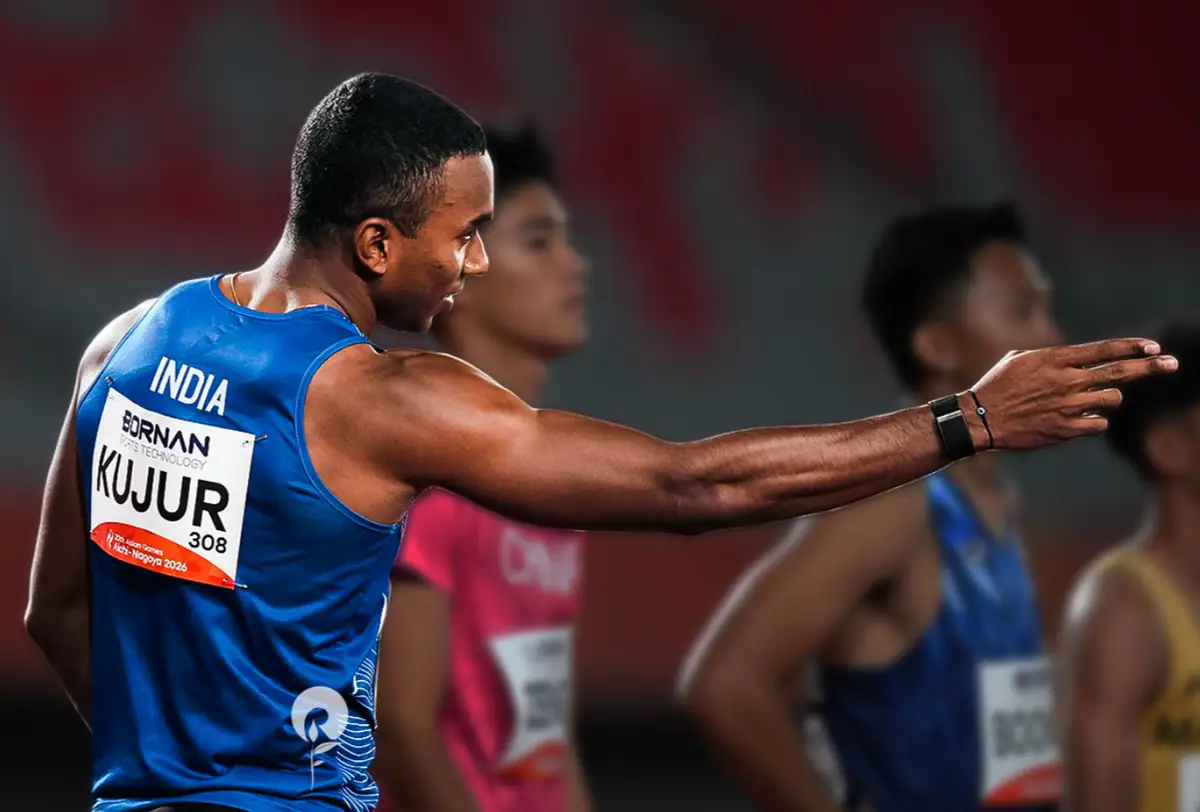
The emotional scenes summed up the cruelty of relay racing. One physical setback ended months of preparation and effectively shut the door on India’s easiest qualification route for the World Championships. The setback also means India will now likely depend on the World Rankings and Top List qualification pathway a far more complicated and uncertain process. Experts believe India may now need to clock somewhere in the low 2:59 or even high 2:58 range later in the season to stay in contention for qualification through rankings. The men’s 4x100m relay team also endured another difficult outing. The quartet of Harsh Raut, Animesh Kujur, Ragul Kumar and Gurindervir Singh struggled with baton exchanges, leading to disqualification under TR 24.7 for passing the baton outside the takeover zone.
Alarmingly, this marks the third time in two years that the Indian men’s sprint relay team has been disqualified for the same technical violation, having suffered similar setbacks at the 2025 Asian Athletics Championships and the 2026 Invitational Relay event. For a relay squad showing clear improvements in raw sprinting speed, the repeated exchange-zone errors continue to hold the team back from achieving major breakthroughs internationally.
Earlier in the competition, the men’s 4x100m squad had clocked 39.07 seconds a season best but on Day 2, technical execution again proved costly.
The women’s 4x100m relay team also experienced disappointment after dropping the baton during the very first exchange between Tamanna and Nithya Gandhe. Although the baton was recovered and the race completed, the Indian quartet eventually finished last with a timing of 53.90 seconds. The baton troubles became a recurring theme for India across the two days of competition.
The mixed 4x100m relay team, however, provided one of the brighter moments of the campaign.
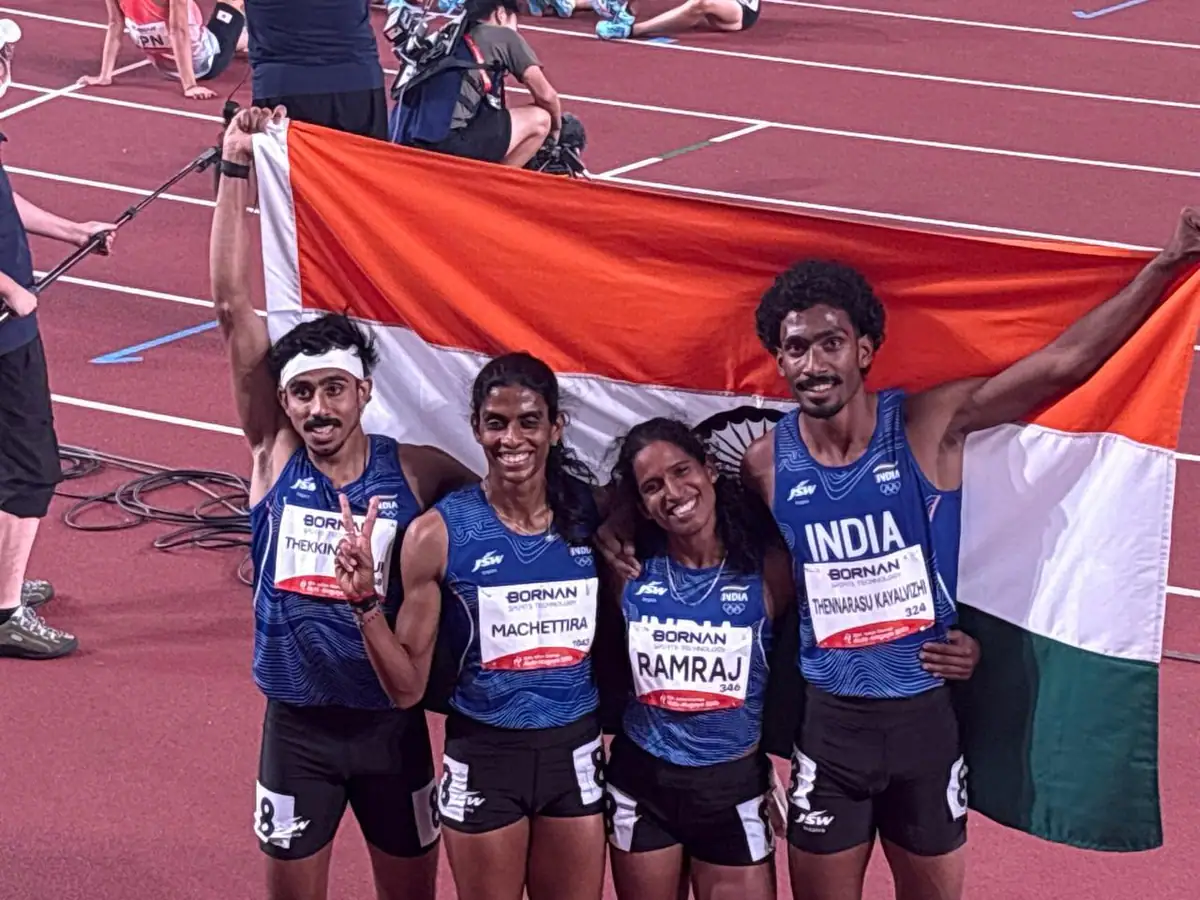
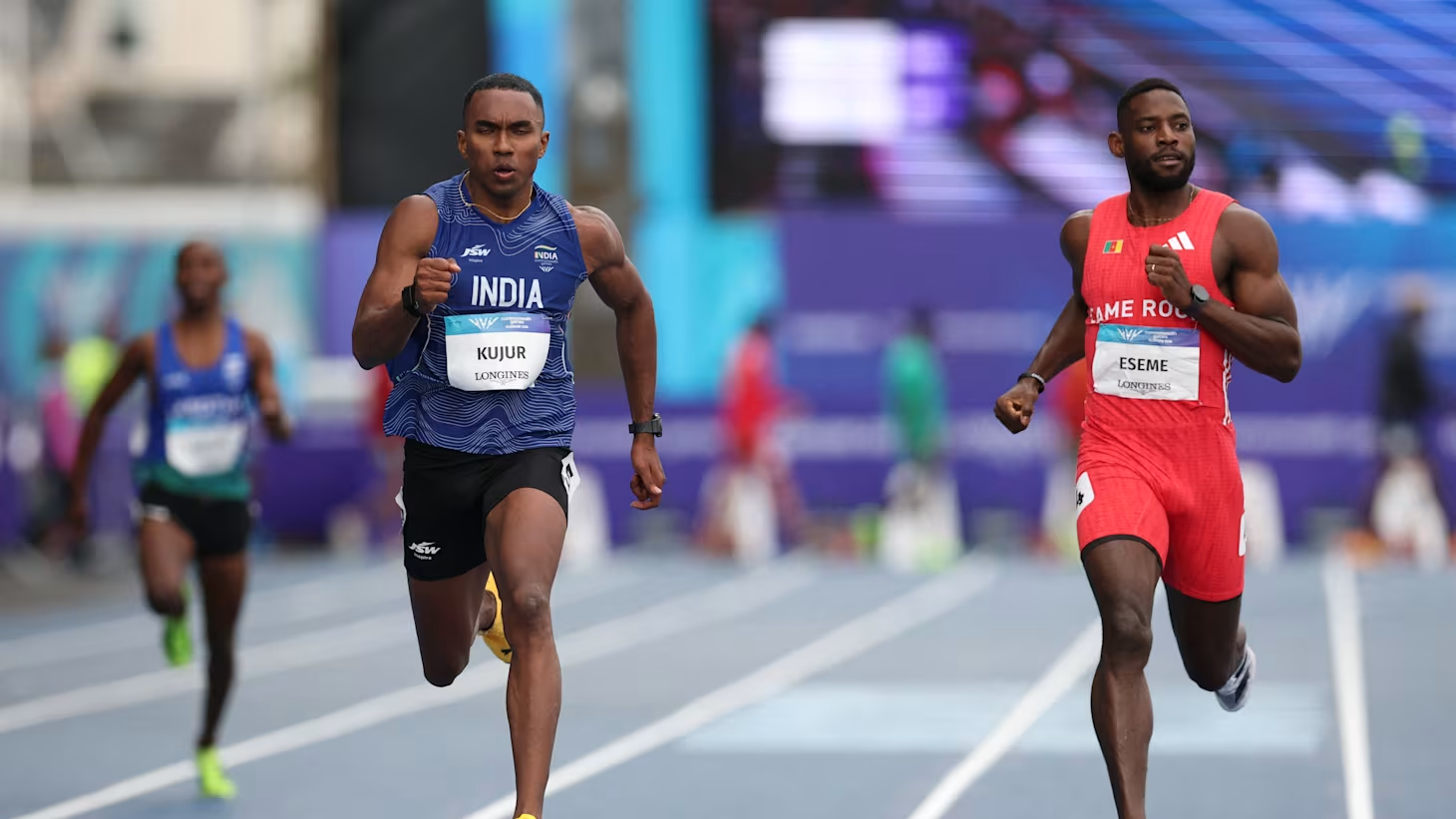
The quartet of Ragul Kumar, Nithya Gandhe, Animesh Kujur and SS Sneha clocked 41.35 seconds to finish sixth in their heat while also setting a new national record in the event.
Considering the mixed 4x100m is still a relatively new event internationally, India’s improvement was encouraging. The timing was nearly a full second faster than the country’s previous best, highlighting the potential of the squad with more specialised relay preparation and smoother baton exchanges. Animesh Kujur’s third leg, in particular, stood out as one of the strongest individual efforts by an Indian sprinter during the championships.
Meanwhile, the mixed 4x400m relay team could not improve significantly on their Day 1 performance. The quartet finished last in their heat with a timing of 3:19.40, considerably slower than their season-best mark from the opening day. Despite the disappointing results, the World Relays still offered valuable exposure for Indian athletes against elite international competition.
India competed across five relay events during the championships an important step as the country continues building depth ahead of the 2026 Asian Games and the 2028 Los Angeles Olympics cycle.
The men’s 4x400m relay remains India’s strongest relay discipline and, despite the setback in Gaborone, the overall quality within the squad remains encouraging. With runners like Rajesh Ramesh, Vishal TK and Amoj Jacob capable of producing world-class splits on their day, the focus will now shift toward recovery, consistency and securing qualification through future meets.
However, the championships also exposed recurring structural issues. India’s sprint relay teams continue to suffer from baton exchange errors at major competitions, while the 4x400m squads still lack the consistency required to regularly challenge the world’s best teams under pressure.
The margins at this level are brutally small.
One mistimed exchange, one technical error or one cramp can completely alter the outcome of an entire championship campaign and India experienced all three across a difficult Day 2 in Gaborone.
Comments (0)
to post comments, replies, and votes.
Loading comments…