India’s Davis Cup Final 8 Dream Ends in Seoul as South Korea Seal 3-1 Victory
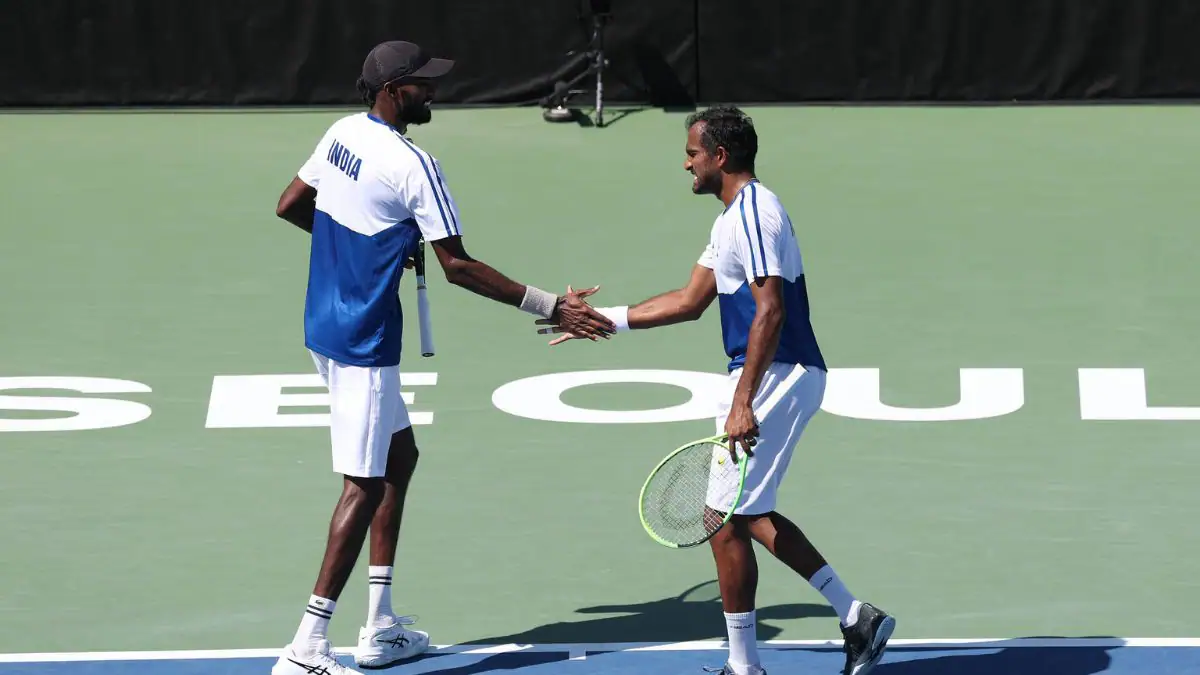
India’s Davis Cup Final 8 dream ended in Seoul as South Korea won 3-1, with Soonwoo Kwon defeating Sumit Nagal after India’s doubles comeback.
India’s hopes of reaching the Davis Cup Final 8 for the first time in the current format came to an end in Seoul on Saturday as South Korea defeated India 3-1 in the Qualifiers Round 2 tie.
The hosts secured their place in the Final 8 in Bologna after Soonwoo Kwon defeated Sumit Nagal 6-1, 6-2 in the decisive fourth rubber.
India had entered the second day facing a difficult situation after losing both singles rubbers on Friday. Dhakshineswar Suresh and Sumit Nagal had both surrendered early leads to give South Korea a 2-0 advantage, leaving India with no margin for error. The visitors responded strongly in the doubles, but the comeback ultimately stopped at the final hurdle.
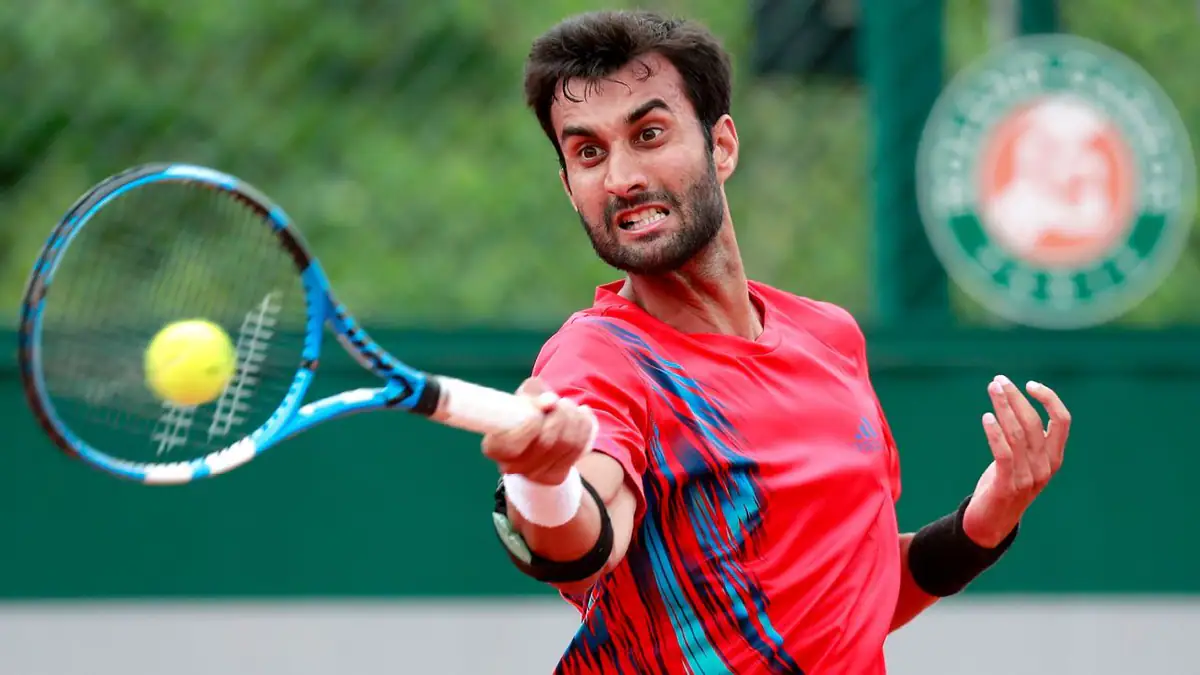
With India trailing 0-2, the team made a significant change to its doubles combination. Dhakshineswar Suresh replaced Niki Poonacha and partnered with Sriram Balaji against South Korea’s Ji Sung Nam and Uisung Park. The change immediately paid dividends. Suresh and Balaji produced a composed performance to defeat the Korean pair 6-3, 3-6, 6-3, reducing the deficit to 1-2 and keeping India’s Final 8 hopes alive. The victory was particularly important because India needed to win the remaining two reverse singles rubbers to complete a comeback from 0-2 down. (Hindustan Times)
The Indian pair made the ideal start, taking the opening set 6-3. South Korea responded in the second, levelling the match at one set apiece with another 6-3 scoreline. The deciding set became the most important passage of the doubles rubber. Suresh and Balaji maintained their composure under pressure and secured another 6-3 set to give India a much-needed point.
It was only the third time India had managed to overturn a 0-2 deficit in a Davis Cup tie, following successful comebacks in 2010 and 2018.
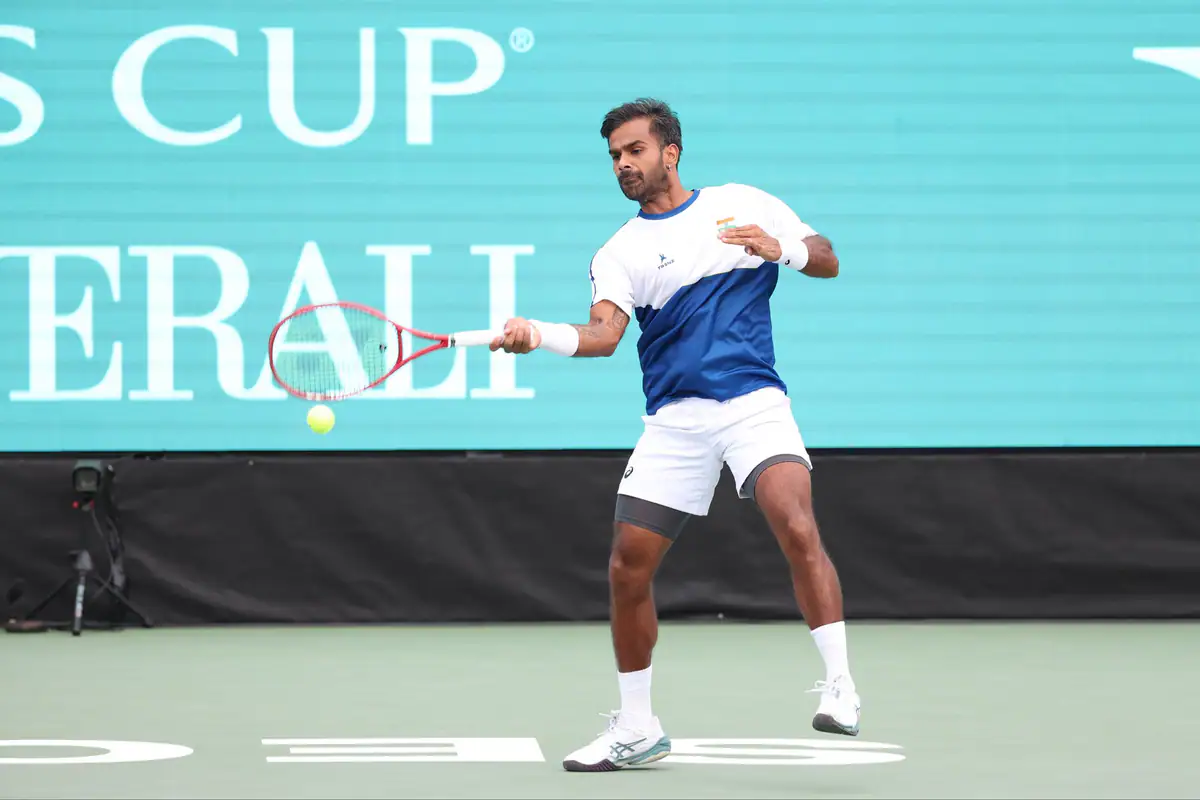
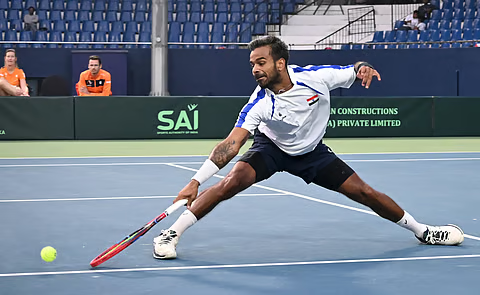
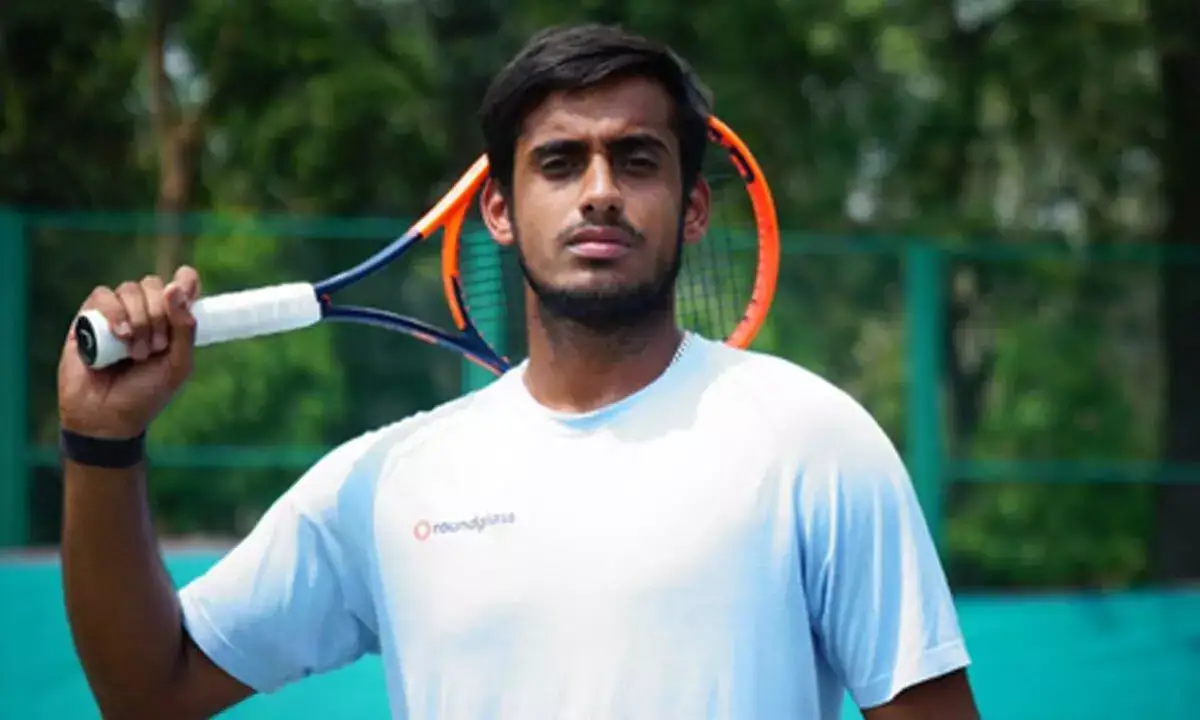
With India back in contention, Sumit Nagal returned to the court for the fourth rubber against South Korea’s Soonwoo Kwon. The stakes were clear. A Nagal victory would have levelled the tie at 2-2 and sent the contest into a fifth and deciding rubber. Instead, Kwon produced a dominant performance.
Ranked No. 157 in the ATP rankings compared with Nagal’s No. 247, Kwon controlled the match from the outset. The Korean broke early and raced through the opening set 6-1. He maintained the momentum in the second, preventing Nagal from establishing the rhythm that had helped him compete strongly during Friday’s marathon encounter against Hyeon Chung.
Kwon eventually closed out the match 6-1, 6-2, sealing South Korea’s 3-1 victory and ending India’s campaign. The official match statistics underlined Kwon’s control. He won significantly more total points and forced Nagal into a difficult contest from the baseline, completing the victory without allowing the Indian an opportunity to take the match into a third set.
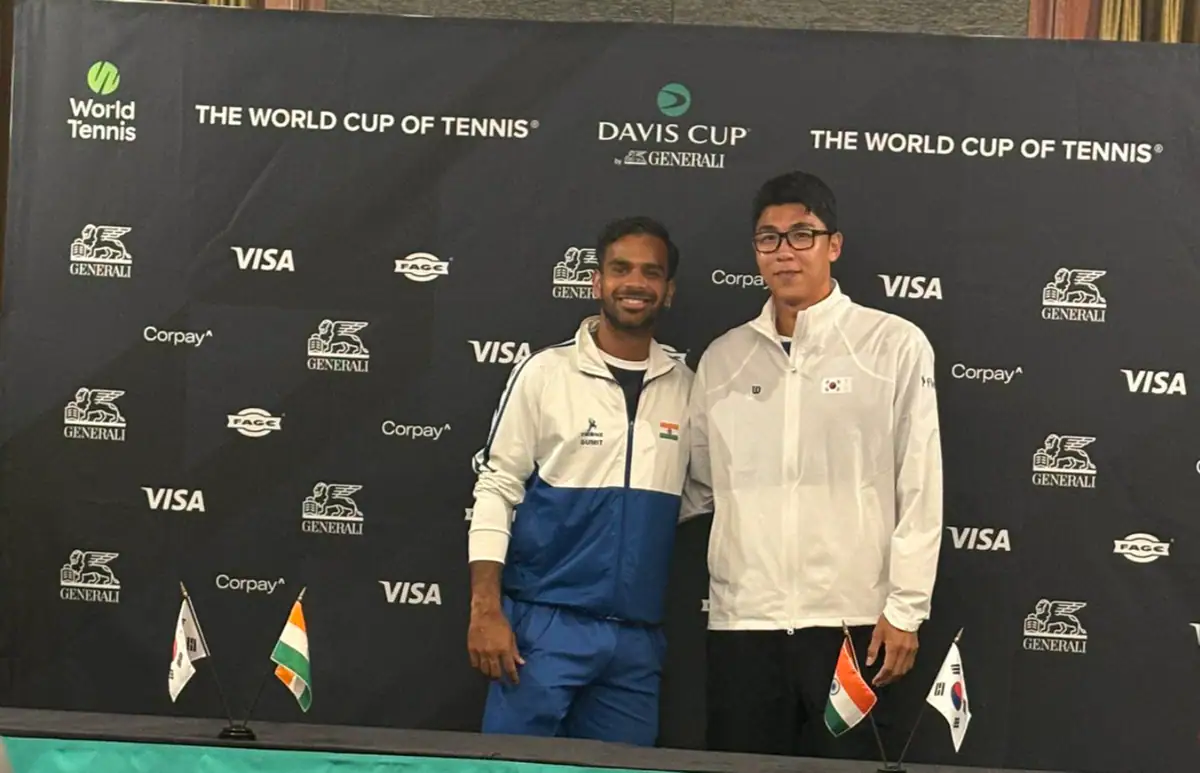
The Seoul tie represented a major opportunity for Indian tennis. India had never reached the Final 8 under the current Davis Cup format, and victory over South Korea would have taken the team to Bologna for the tournament’s final stage. The significance of the opportunity was also highlighted before the tie, with India and South Korea competing to become the first Asian nation to reach the Final 8 under the present format.
India’s longer Davis Cup history, however, includes a quarterfinal appearance in 1996, when the team reached the World Group last eight before losing to Sweden. This time, the challenge was particularly demanding because of the conditions in Seoul. South Korea had prepared a slower court, with the surface designed to reduce pace and make life difficult for India’s key singles players. The conditions were identified before the tie as a tactical factor that could affect both Nagal and Suresh.
South Korea Make Davis Cup History
For South Korea, the victory carries historic significance.
The hosts had never previously reached the Davis Cup Final 8. Their success was built on two comeback singles victories on Friday, followed by the doubles defeat and Kwon’s decisive performance against Nagal on Saturday.
Kwon had already defeated Dhakshineswar Suresh in the opening rubber, coming from a set down to win 3-6, 6-3, 6-4. Hyeon Chung then overcame Nagal 2-6, 6-4, 7-5 in a three-hour contest to give Korea the 2-0 lead.
India fought back through Suresh and Balaji, but Kwon’s straight-set win ensured that there would be no fifth rubber. The result sends South Korea to the Davis Cup Final 8 in Bologna, scheduled for November, while India’s 2026 campaign ends in Seoul with a 1-3 defeat.
For Indian tennis, the tie will nevertheless stand as a reminder of how close the team came to a landmark achievement. After overcoming significant challenges to reach the second round of the Qualifiers, India was one win away from forcing a deciding rubber for a place among the final eight. In the end, South Korea’s stronger singles performances proved decisive.
Comments (0)
to post comments, replies, and votes.
Loading comments…