PV Sindhu Returns To Top 10 With Dominant Run Into Singapore Open 2026 Quarterfinals
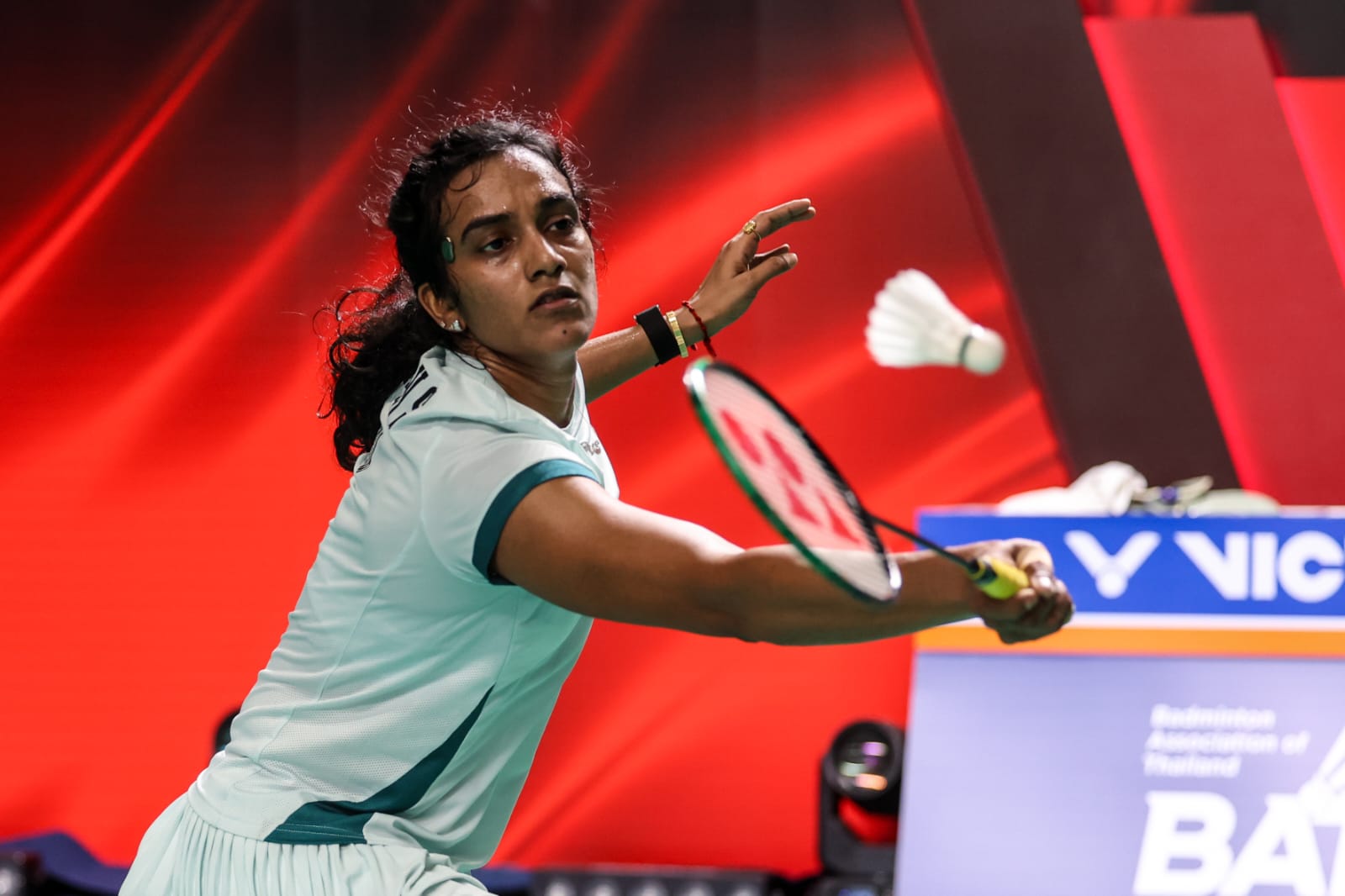
Indian badminton star P V Sindhu is back where many believe she belongs inside the world’s top 10.
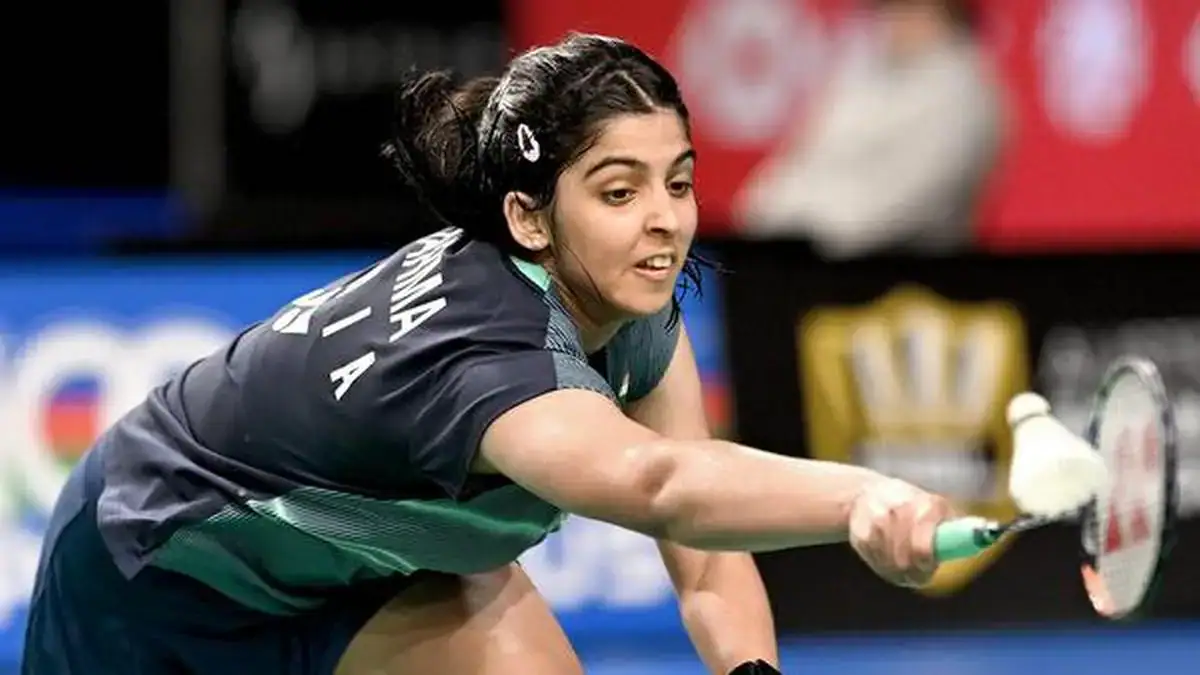
The two-time Olympic medallist secured her return to the elite bracket after storming into the quarterfinals of the Singapore Open Super 750 with a commanding straight-game victory over Japan’s Riko Gunji. Sindhu barely broke a sweat during the Round of 16 clash, winning 21-9, 21-12 in one of her most dominant performances of the 2026 season.
For Indian badminton fans, the result carried significance beyond just another quarterfinal appearance. It officially confirmed Sindhu’s return to the top 10 of the BWF women’s singles rankings after a difficult phase marked by injuries, inconsistency and questions about whether she could still compete regularly with the world’s best.
At the Singapore Indoor Stadium, Sindhu answered those doubts emphatically.
The Indian shuttler looked sharp from the opening rally. She controlled the pace, dictated exchanges from mid-court and repeatedly forced errors from the Japanese player with her attacking precision. Gunji struggled to find rhythm throughout the contest as Sindhu completely dominated both games. The opening game especially showcased vintage Sindhu.
Her movement looked lighter, her defense tighter and her trademark steep smashes were landing with authority. Gunji simply had no answers as Sindhu raced through the first game 21-9 in just a matter of minutes. The second game followed a similar pattern. Whenever Gunji attempted to increase the tempo, Sindhu responded immediately with aggressive counterplay. The Indian never allowed the Japanese shuttler to build momentum and comfortably closed out the match 21-12 to book her place in the quarterfinals.
The victory capped off what has quietly been a steady rebuilding season for Sindhu.
Since the start of 2026, the Indian has repeatedly flirted with a return to the top 10. Strong performances at tournaments like the Malaysia Open, India Open, Indonesia Masters, Badminton Asia Championships and Thailand Open had already pushed her close to re-entering the elite bracket. Singapore finally became the breakthrough week.
And perhaps more importantly, this return feels earned through consistent performances rather than one isolated deep run.
Sindhu’s last few seasons have not been easy. Injuries disrupted her rhythm repeatedly, while the women’s singles circuit continued becoming younger, faster and more physically demanding. Players like An Se Young, Akane Yamaguchi, Chen Yufei and others raised the intensity levels across the tour, making consistency harder for experienced players. There were moments when Sindhu appeared to be searching for answers changing coaches, adapting her game and trying to rediscover the attacking confidence that once made her one of the most feared players on the circuit.
But over the last few months, signs of recovery have become increasingly visible.
Her movement has improved significantly compared to 2025. The court coverage looks sharper again and her attacking discipline has returned. Instead of forcing winners too early in rallies, Sindhu now appears more patient in constructing points before unleashing her power game.
The Singapore Open has highlighted those improvements clearly.
Earlier in the tournament, Sindhu had already produced a major statement by defeating Indonesia’s Putri Kusuma Wardani in straight games. That win itself was important because Putri had troubled Sindhu in recent meetings and entered the tournament as one of the form players on tour. Against Gunji, however, Sindhu elevated her level even further.
Now comes the real challenge.
The Indian star is set to face South Korean superstar An Se Young in the quarterfinals arguably the toughest test currently possible in women’s badminton. An Se Young has dominated the women’s circuit over the past two years with her extraordinary consistency, movement and tactical intelligence.
Interestingly, Sindhu has never defeated the Korean in their previous meetings. That statistic alone shows the scale of the challenge awaiting the Indian in the quarterfinals. An Se Young’s ability to extend rallies and force opponents into uncomfortable positions has troubled almost every top player on tour, including Sindhu.
But the Indian will still take confidence from her current form. For perhaps the first time in a while, Sindhu is entering a big quarterfinal carrying genuine momentum. Her attacking game looks sharper, physically she appears fresher and mentally she seems far more settled than during large parts of last season.
Even if the matchup remains difficult on paper, the Singapore Open has already become an encouraging tournament for Indian badminton. A return to the top 10 may not carry the same emotional weight as an Olympic medal or a World Championship title, but it remains an important milestone. In modern badminton, staying inside the top 10 requires remarkable consistency across an entire season.
For Sindhu, this ranking rise represents proof that she remains capable of competing with the best players in the world.
And at 30, she may still have more chapters left to write. Indian badminton has spent years relying on Sindhu as its biggest global singles star. While younger players continue emerging, her presence at the top level still matters enormously for the sport in the country.
The Singapore Open quarterfinal against An Se Young will now offer the clearest indication yet of where Sindhu truly stands against the very best in women’s badminton today. But regardless of what happens next, one thing is already certain.
P V Sindhu is back in the top 10 and back in the conversation among the world’s elite once again.
Comments (0)
to post comments, replies, and votes.
Loading comments…