What is the World Athletics Ultimate Championship? A New Era for Track and Field
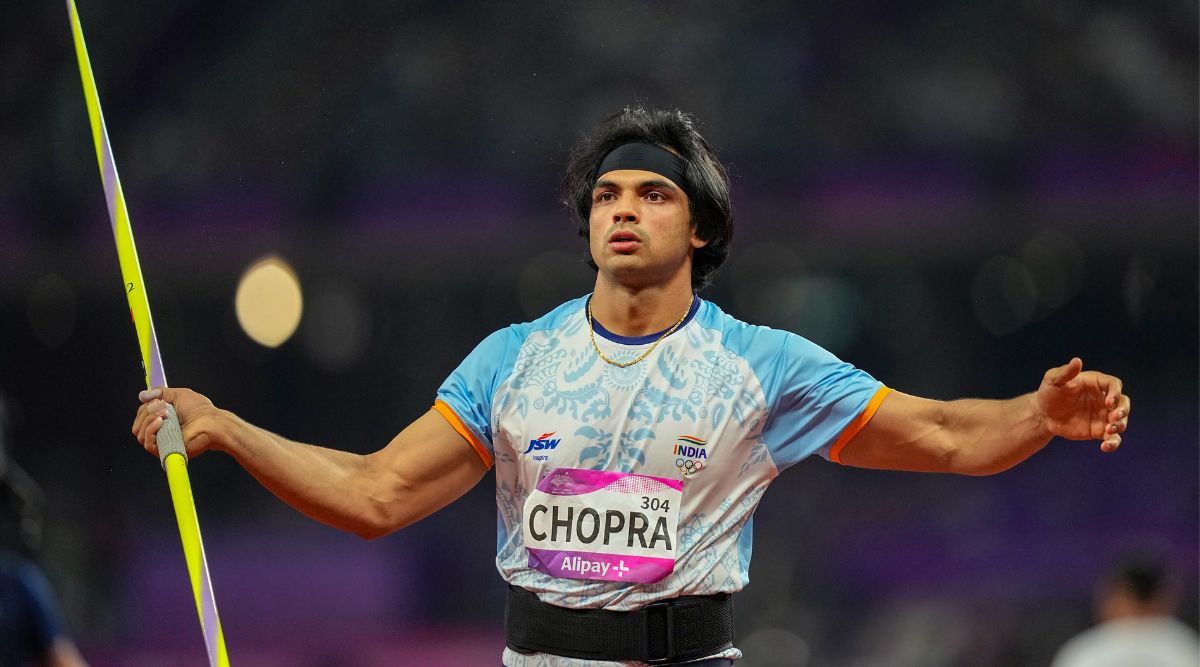
The global athletics calendar is undergoing a structural transformation, and at the centre of this shift is the introduction of the World Athletics Ultimate Championship a new, high-stakes event designed to redefine how track and field is presented, consumed, and rewarded.
Scheduled to debut in Budapest from September 11 to 13, 2026, the championship is positioned as a season-ending showdown featuring only the very best athletes in the world.
The Ultimate Championship is not just another addition to the calendar it is a strategic reconfiguration of the sport’s competitive structure. Traditionally, athletics has relied on the Olympic Games and World Championships as its primary global events, leaving gaps in years without a major championship. This new event is designed to fill that void and ensure that every year in the Olympic cycle has a marquee competition. The idea is simple but powerful: bring together the world’s top performers in a compact, high-intensity format and create a definitive conclusion to the season. Unlike traditional championships that span multiple rounds and days, the Ultimate Championship condenses competition into three evening sessions, each designed for maximum engagement and broadcast impact.
A “Best of the Best” Format
One of the defining features of the Ultimate Championship is its exclusivity. Only the top-ranked athletes, Olympic champions, World champions, and Diamond League winners will qualify. There is no restriction on the number of athletes per country, meaning the field will represent the absolute highest level of global performance rather than a quota-based system. This ensures that every race, jump, or throw is contested by elite performers, eliminating the variability often seen in larger championship fields. Track events will feature small, highly competitive line-ups, while field events will include only the top eight athletes in the world.
The format also reduces the number of rounds. Sprint and hurdle events will have limited semi-finals before the final, while longer races such as the 1500m and 5000m will go straight to finals. This creates a “no second chances” environment, where every performance carries immediate consequence.
Perhaps the most significant innovation lies in the financial model. The Ultimate Championship introduces a total prize pool of $10 million the largest ever in track and field. Winners of individual events will receive $150,000, more than double the gold medal prize at previous World Championships. Importantly, every athlete in the competition will receive financial compensation, extending rewards beyond podium finishers. This reflects a shift toward making athletics more sustainable as a professional career, particularly as athletes face increasing competition from more commercially lucrative sports.
Relay events also receive enhanced attention, with structured prize distributions that reward teams across all finishing positions, reinforcing the importance of national representation in a format otherwise focused on individual excellence. The Ultimate Championship is built as a “television-first” product. Each session will last under three hours, ensuring continuous action and minimal downtime a significant departure from traditional athletics events, which can often feel fragmented for viewers.
The event will leverage advanced broadcast technology, including low-latency streaming and enhanced data integration, to deliver a more immersive viewing experience. The focus is on storytelling highlighting rivalries, athlete narratives, and high-pressure moments to attract both traditional fans and new audiences. The competition program includes 28 events, carefully selected based on global appeal and broadcast value. Sprints, hurdles, middle-distance races, jumps, and select throws form the core of the schedule, while some traditional events have been excluded to maintain pace and viewer engagement.
Mixed relay events particularly the 4x100m and 4x400m are positioned as key attractions, adding a dynamic and visually engaging component to the program. The choice of Budapest as the inaugural host is strategic. The city successfully hosted the 2023 World Athletics Championships, and its National Athletics Centre is equipped with state-of-the-art infrastructure, including a high-performance track designed to maximise energy return for athletes.
With a temporary expansion to over 20,000 seats, the venue is expected to provide an intense, stadium-driven atmosphere that complements the high-stakes format.
The introduction of the Ultimate Championship creates a continuous cycle of major events:
Olympic Games
World Athletics Championships
Ultimate Championship
World Athletics Championships
This ensures that every year features a global athletics event, maintaining visibility and engagement throughout the four-year Olympic cycle.
The World Athletics Ultimate Championship represents more than a new competition it is a recalibration of the sport’s identity. By combining elite-only participation, condensed scheduling, and significantly increased financial incentives, it aims to bridge the gap between traditional athletics and modern sports entertainment. For athletes, it offers a lucrative and prestigious platform. For fans, it promises a sharper, faster, and more compelling viewing experience.
If successful, the Ultimate Championship could redefine how athletics is structured globally transforming it from a sport defined by periodic peaks into one with a consistent, high-impact presence every year.
Comments (0)
to post comments, replies, and votes.
Loading comments…