Why Rugby and Basketball Should Be India’s Biggest Focus in the PIO/OCI Debate Ahead of the 2036 Olympics

India’s vast diaspora could transform sports like rugby, basketball and football through PIO/OCI talent. Here’s why team sports offer the biggest opportunity compared to individual events.
For decades, India has relied almost exclusively on athletes developed within its domestic ecosystem to compete on the international stage.
However, with discussions around Overseas Citizen of India (OCI) and Persons of Indian Origin (PIO) eligibility gaining momentum, the country has an unprecedented opportunity to tap into one of the world’s largest diasporas.
The Indian-origin community spans every continent and has produced elite athletes across rugby, basketball, football, gymnastics, athletics, tennis and several winter sports. If policy changes allow greater participation, India could significantly strengthen multiple national teams almost overnight.
But not every sport would benefit equally.
The greatest gains would likely come in team sports, where adding foreign-trained professionals can elevate an entire squad rather than just one individual athlete.
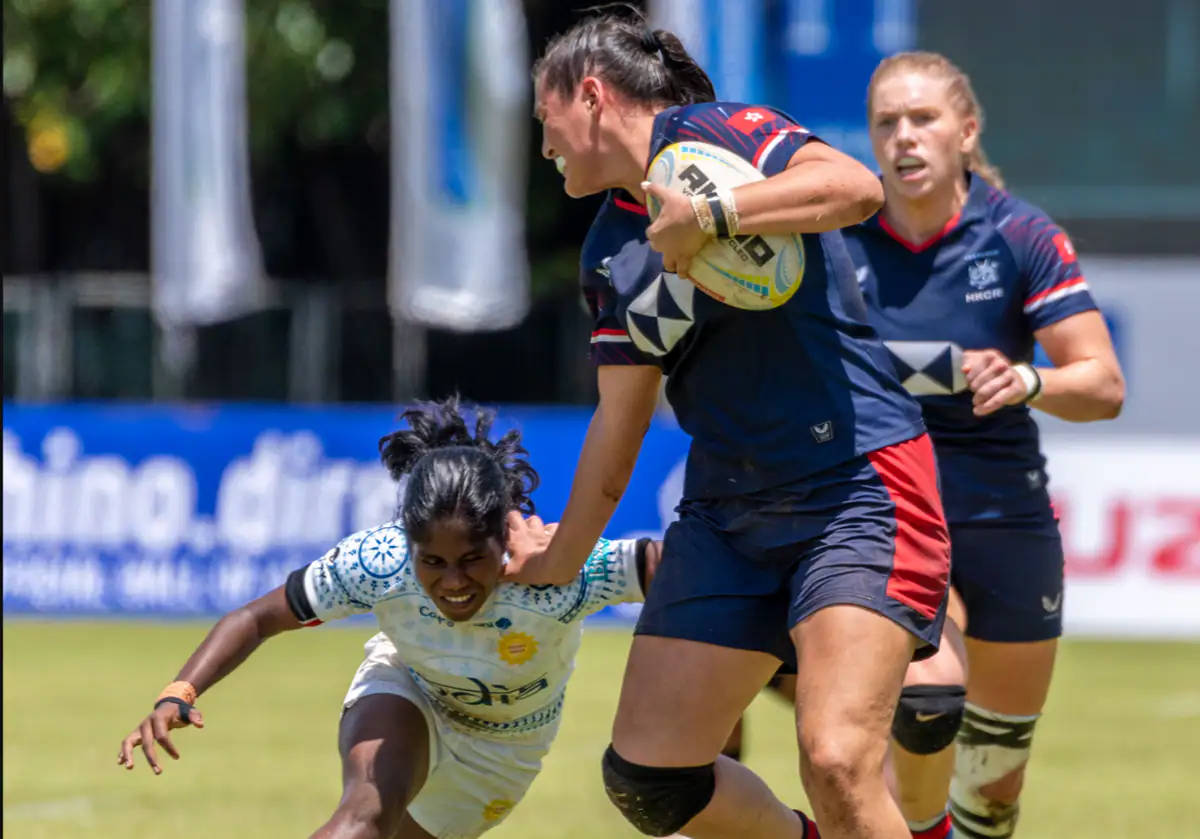
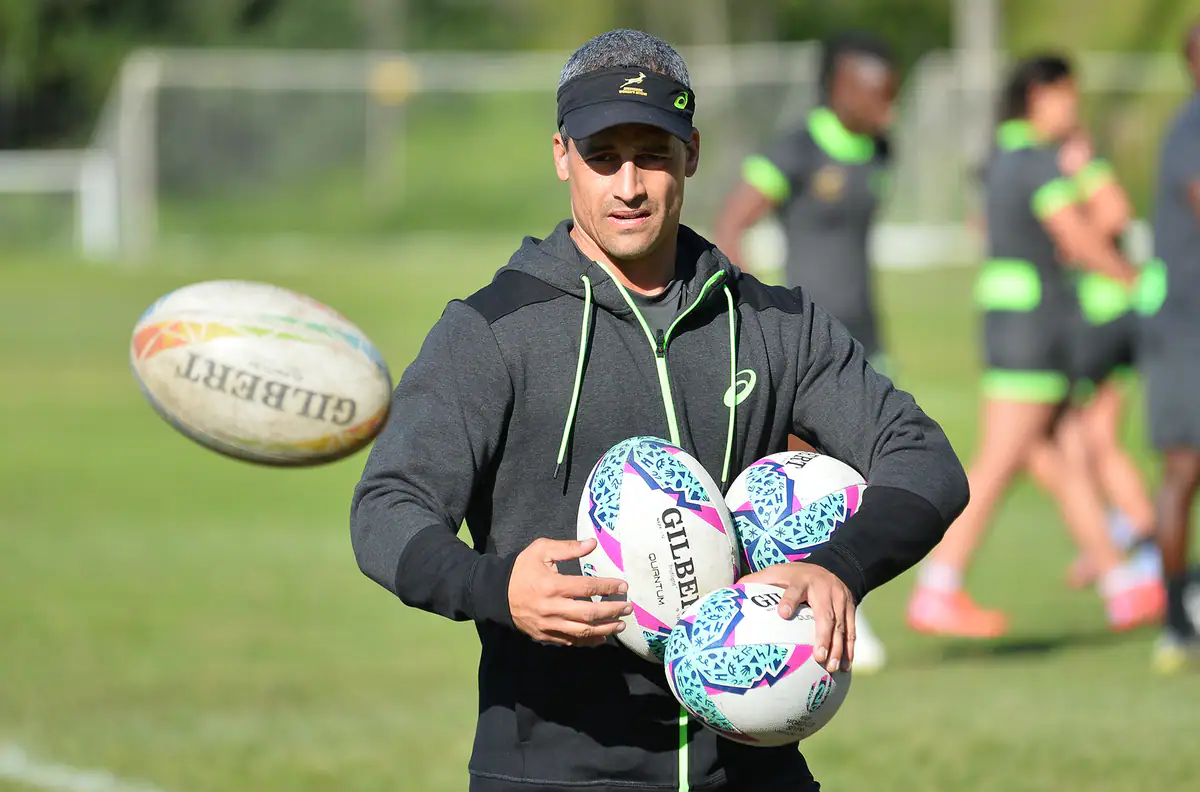
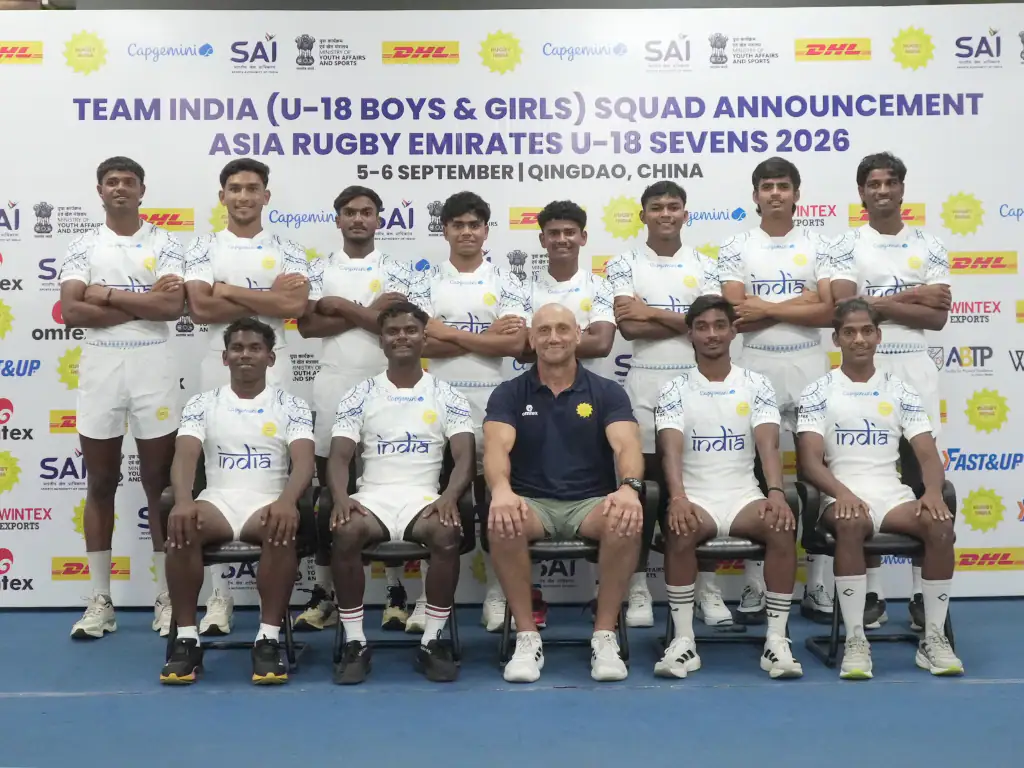
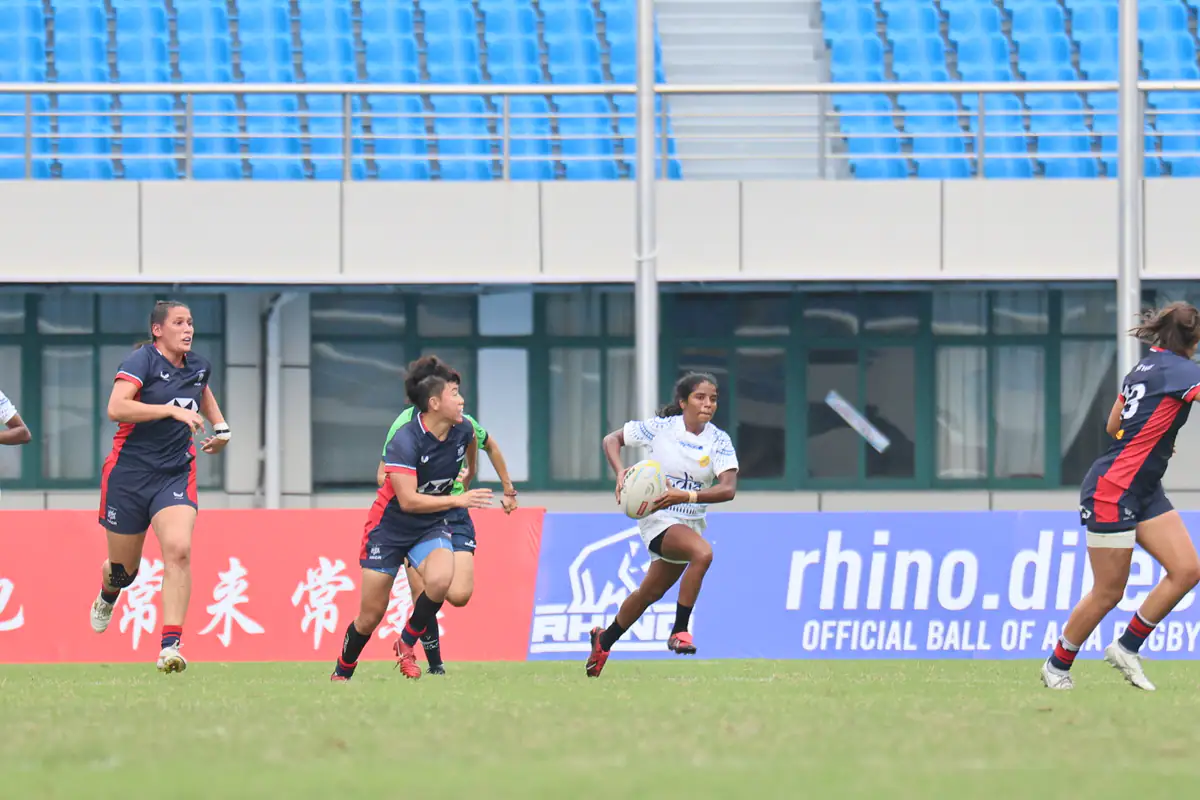
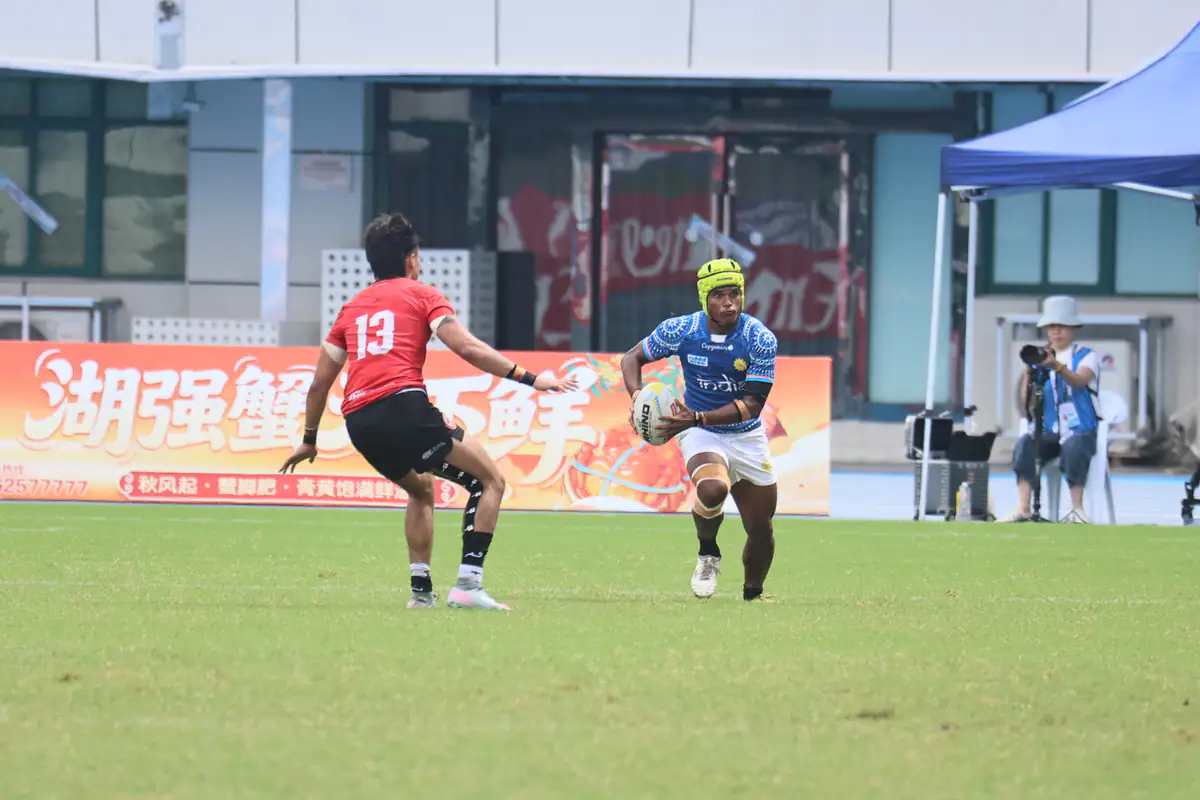
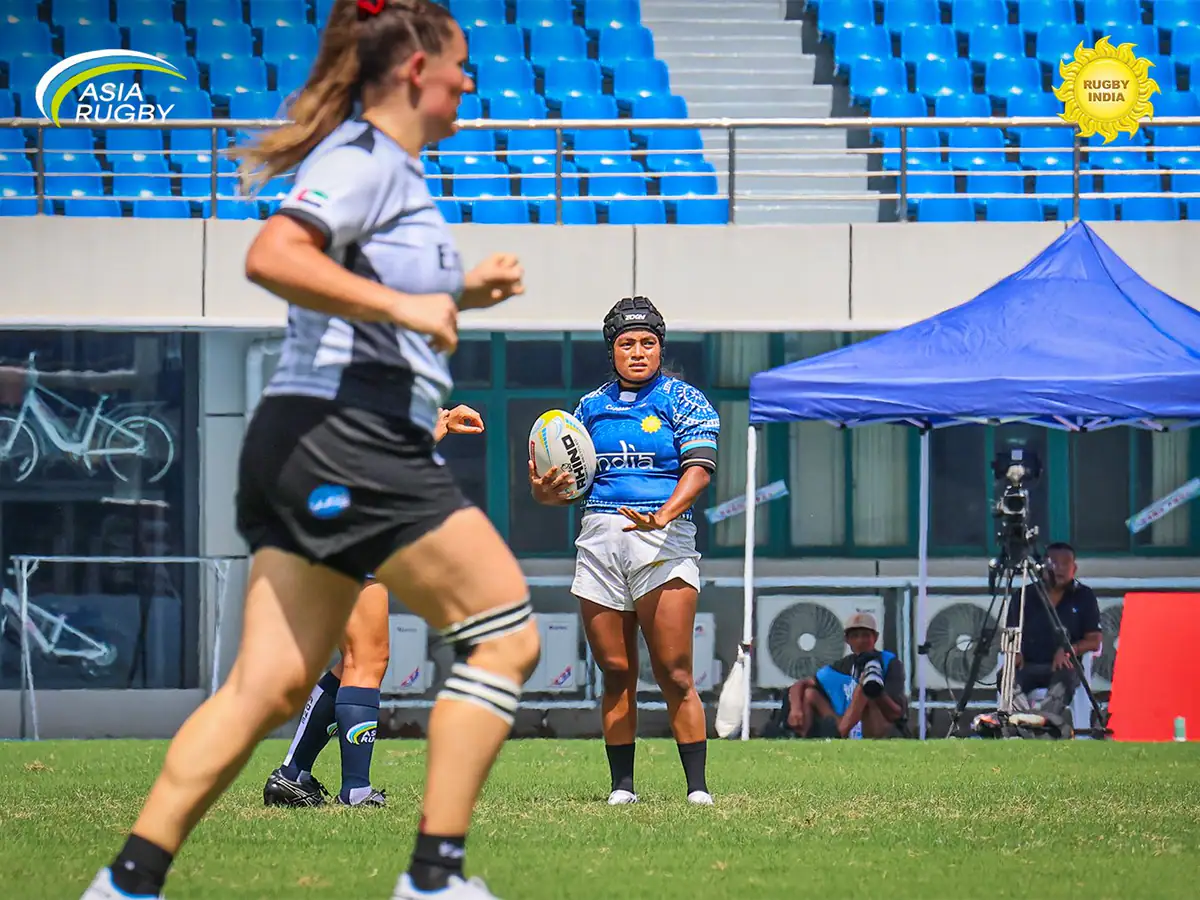
No sport appears better positioned to benefit than rugby. Countries like Fiji, Australia and New Zealand are home to large Indian-origin communities, many of whom have developed within some of the strongest rugby systems in the world. In several cases, mixed Indo-Pacific heritage athletes combine elite physical attributes with professional training environments.
One of the standout examples is Ben Volavola, the former Fiji international who has competed at Rugby World Cups and in Super Rugby. Similarly, players such as Jack Prasad, Rocky Khan, David Bhana, Aryan Avinay Prasad, and Aryan Tularam illustrate the breadth of Indian-linked talent across Oceania.
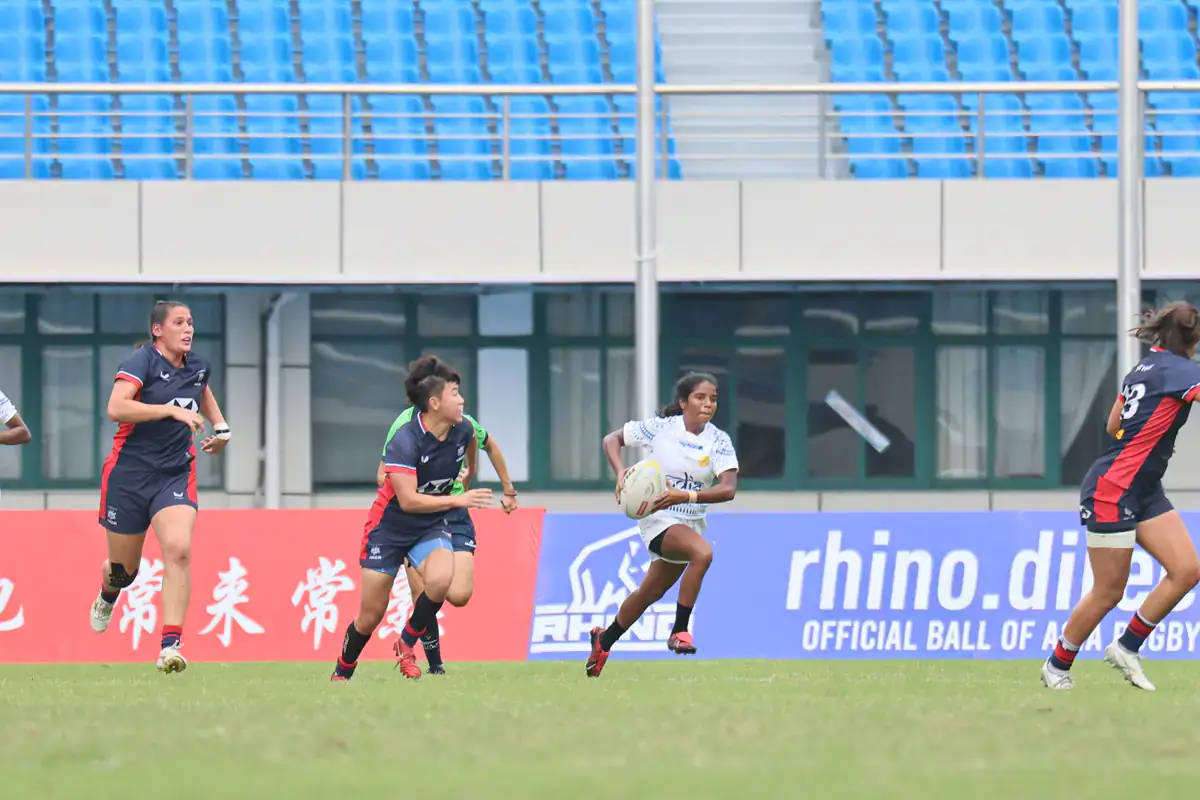
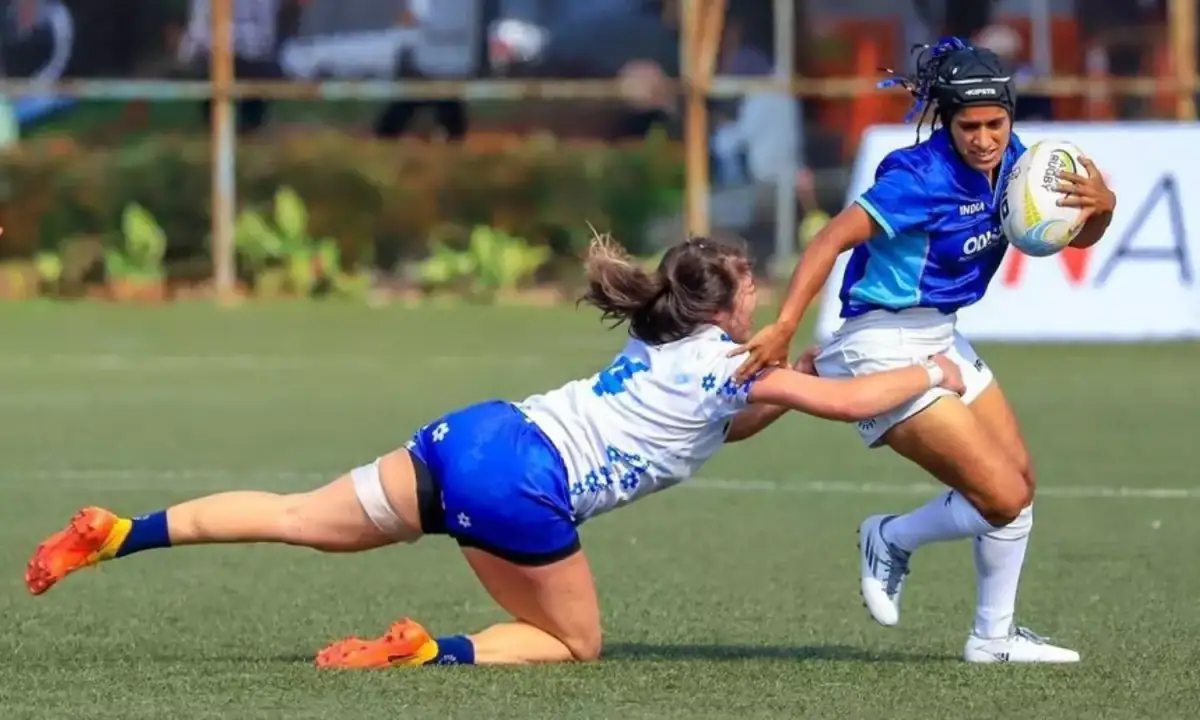
India’s rugby league programme has already demonstrated this potential. The national side, popularly known as the Jungle Cats, has historically featured squads composed almost entirely of Australian and New Zealand-based players of Indian origin. With the Rugby Premier League gaining momentum and attracting Olympic medallists and global stars, integrating diaspora talent could dramatically accelerate India’s competitiveness in both rugby sevens and rugby league.
Basketball Offers Another Major Opportunity
Basketball represents another sport where India could make significant strides by leveraging its diaspora. The United States and Canada have produced numerous players of Indian heritage competing at NCAA Division I level and in professional leagues. These athletes have developed in highly competitive environments with world-class coaching, facilities and competition.
Among the notable names are Ryan Agarwal, currently playing NCAA Division I basketball, Ishan Sharma, Rippen Gill, and Jasman Sangha, all of whom possess the physical tools and technical foundations that could strengthen India’s national programme. On the women’s side, prospects such as the Ramlall sisters, Puneet Deol, Adyra Rajan, and Priyanka Ponnam highlight the growing influence of Indian-origin athletes in North American basketball.
Unlike individual sports, introducing even a handful of elite players into a basketball roster can transform the overall quality of the team by improving spacing, pace, decision-making and defensive intensity.
Football may have the largest global pool of potential Indian-origin talent.
Across England, Australia, Canada, Norway and several European nations, players with Indian ancestry have progressed through professional academies and domestic leagues. As India seeks to improve its international competitiveness, access to these footballers could provide immediate depth in positions where the national team has historically struggled.
Recent discussions surrounding players with Indian heritage have highlighted the possibility of recruiting professionals already competing in high-level leagues abroad, reducing the developmental gap between India and Asia’s stronger football nations. However, FIFA nationality regulations and India’s citizenship laws remain significant hurdles that would need to be addressed before such players could represent the country.
Gymnastics and Winter Sports Present Niche Opportunities
Beyond mainstream team sports, gymnastics could also benefit from diaspora integration.
Athletes such as Akash Modi in the United States have competed at elite international levels, while Tiana Sumanasekara has showcased South Asian representation in American gymnastics. Although ancestry and eligibility requirements vary from athlete to athlete, they demonstrate the quality of talent emerging within the diaspora.
Similarly, winter sports remain an untapped opportunity. India has historically had limited infrastructure for disciplines such as figure skating and ice hockey, whereas athletes of Indian heritage training in North America and Europe could help establish a stronger international presence.
The debate becomes more nuanced when considering individual disciplines such as tennis or athletics. Unlike rugby or basketball, where a single player can raise the level of an entire team, individual athletes often train almost exclusively within their own ecosystems. Their success may produce medals but does not necessarily strengthen domestic coaching structures or improve the competitiveness of other Indian athletes.
For this reason, many analysts argue that the greatest return on investment lies in team sports.
Adding a player like Ben Volavola to a rugby squad or Ryan Agarwal to a basketball roster could influence tactics, professionalism and overall standards for teammates. By contrast, recruiting a top-ranked tennis player may deliver isolated success without creating long-term structural improvements for Indian tennis.
That does not mean individual sports should be ignored, but rather that policy priorities could differ depending on developmental impact.
Another encouraging trend is the increasing number of Indian-origin athletes competing in NCAA Division I programmes and North American minor leagues. These environments provide exposure to elite sports science, nutrition, analytics and competition that are often unavailable in developing sporting systems. As more athletes of Indian heritage emerge in these pathways, India has an opportunity to build relationships early, monitor eligibility and potentially integrate them into national programmes if legal frameworks evolve.
Despite the excitement surrounding PIO and OCI athletes, the legal pathway remains the biggest obstacle.
Current Indian regulations require athletes representing the country in most international competitions to hold an Indian passport, meaning dual-citizenship restrictions complicate participation for many overseas-born players. Discussions around a potential “Sports Passport” or alternative eligibility mechanism have generated interest, but no comprehensive framework has yet been implemented.
If India successfully modernises its eligibility policies, the impact could be transformative.
Rugby appears to offer the clearest and most immediate opportunity, thanks to a deep pool of Indian-origin talent in Fiji, Australia and New Zealand. Basketball follows closely, with NCAA Division I prospects capable of immediately raising the national team’s level. Football also possesses significant long-term potential given the breadth of the global Indian diaspora.
Ultimately, the objective should not be to replace homegrown athletes but to complement them. By blending elite diaspora talent with domestic development programmes, India could accelerate its progress in sports where it has historically struggled and create stronger, more competitive national teams ahead of future Olympic cycles.
Inputs from Zafaron Indigo on X
Comments (0)
to post comments, replies, and votes.
Loading comments…