Asian Games Champion Annu Rani Misses Qualification as No Indian Woman Javelin Thrower Makes 2026 Asian Games Team
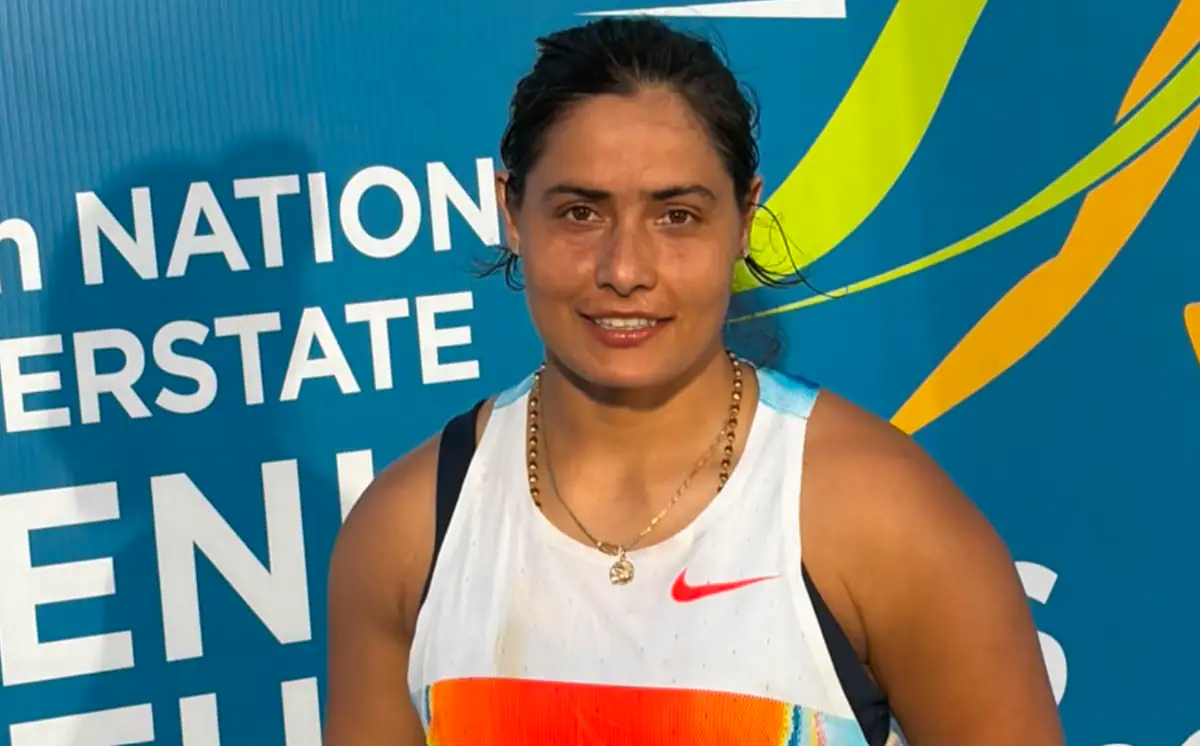
One of the biggest surprises at the Interstate Athletics Championships in Bhubaneswar came in the women's javelin throw, where no Indian athlete managed to achieve the qualification standard for the 2026 Asian Games.
Despite claiming the national title, Asian Games champion Annu Rani fell short of the required mark, bringing an end to India's hopes of fielding a women's javelin thrower at both the 2026 Asian Games and the 2026 Commonwealth Games.
It marks a rare setback for an event that has been one of India's strongest in women's athletics over the past decade.
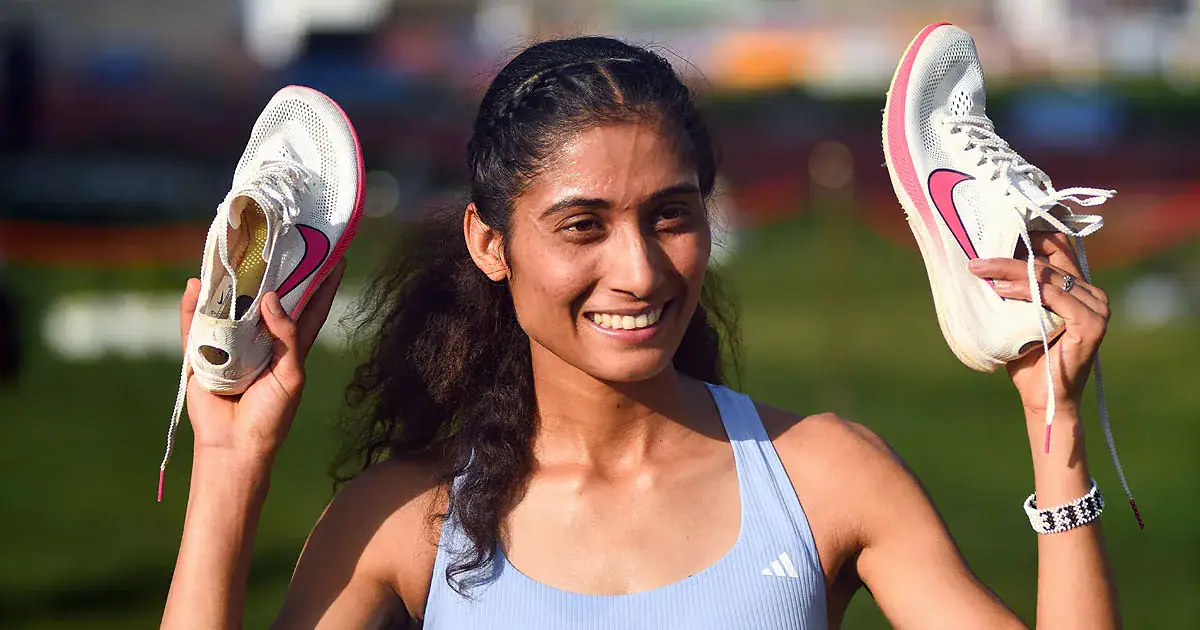
Annu Rani once again proved she remains India's leading women's javelin thrower by winning gold with a best effort of 56.74m. However, the distance was not enough to secure qualification for the 2026 Asian Games. For an athlete who has consistently represented India on the biggest international stages and is the reigning Asian Games champion, the result comes as a disappointment.
Over the past decade, Annu has transformed Indian women's javelin throwing, becoming the country's first woman to cross multiple international milestones and inspiring a new generation of throwers. Yet, on this occasion, even her experience and consistency could not bridge the gap to the qualification standard.
Behind Annu, Karishma Sanil and Uma finished second and third, respectively, with both athletes registering identical best throws of 53.06m. While both produced solid performances to earn podium finishes, they too remained well below the qualification requirement.
The results highlighted the current gap between India's domestic performances and the level required to compete consistently on the continental stage. Unlike several other field events at the Interstate Championships, where multiple athletes crossed qualification standards, the women's javelin competition failed to produce a single qualifying mark.
The outcome carries significant consequences. Since none of the athletes achieved the required qualification standard, India will not have a women's javelin throw representative at the 2026 Asian Games. The same performances also mean that no Indian woman has earned selection for the 2026 Commonwealth Games in the event. This is a significant development considering the importance women's javelin has held in Indian athletics over recent years.
Having no representation at two of the biggest multi-sport events is a reminder of how demanding qualification standards have become and how competitive international athletics continues to grow.
The result is particularly striking because it comes just a few years after Annu Rani stood on top of the podium as the Asian Games champion. Her historic gold medal established India among Asia's leading nations in women's javelin and appeared to signal the beginning of sustained success in the discipline. However, athletics is constantly evolving.
Across Asia, standards have continued to rise, forcing athletes to improve further simply to qualify for major championships. While Annu remains India's most accomplished women's javelin thrower, Bhubaneswar demonstrated that Indian athletes will need to consistently produce bigger throws to remain competitive internationally.
The Interstate Championships may also indicate that Indian women's javelin is entering a transition period. For several years, Annu Rani has carried the responsibility of leading the event almost single-handedly. Although younger athletes such as Karishma Sanil and Uma are beginning to establish themselves domestically, there remains a noticeable gap between national-level performances and the distances required at major international competitions.
Developing greater depth in the event will be crucial over the coming Olympic cycle.
Healthy domestic competition has been a major factor behind India's success in disciplines such as javelin, long jump and shot put. Women's javelin now faces the challenge of producing another generation capable of consistently competing beyond qualification standards.
Missing out on the Asian Games and Commonwealth Games is undoubtedly a setback, but it does not define the future of Indian women's javelin. Annu Rani has repeatedly demonstrated throughout her career that she possesses the resilience to bounce back from disappointment. Her achievements—including becoming India's first woman to win an Asian Games gold medal in the event—ensure her legacy remains secure.
For the younger generation, this year's Interstate Championships should serve as motivation rather than discouragement.
The performances in Bhubaneswar have clearly shown the level required to compete internationally. The focus will now shift towards improving consistency, increasing throwing distances and preparing for the next cycle of international competitions.
Indian athletics has witnessed remarkable progress across several field events this season, with national records falling in the high jump and long jump while multiple athletes have secured qualification in the throws.
Women's javelin, however, remains the exception.
For the first time in recent years, India will head into two major multi-sport events without a representative in the women's javelin throw—a reminder that success in international athletics can never be taken for granted and that rebuilding for the future begins today.
Comments (0)
to post comments, replies, and votes.
Loading comments…