Asian Games: History, Origin, Growth, Motto and Asia’s Biggest Sporting Rivalry
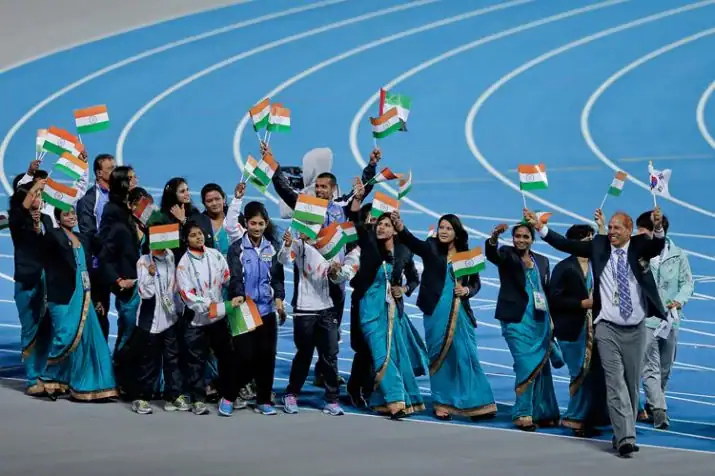
The Asian Games, popularly known as the Asiad, have grown into one of the most important multi-sport events in the world. Bringing together athletes from across the continent, the Games provide Asian nations with a platform to compete against one another while strengthening sporting relationships and promoting unity through competition.
The 20th edition of the Asian Games will be held in Aichi-Nagoya, Japan, from September 19 to October 4, 2026. Organised under the Olympic Council of Asia (OCA), the event continues a tradition that began more than seven decades ago.
But the Asian Games were born from a much larger idea using sport to rebuild relationships and promote peace in a continent that had been deeply affected by war.
The origins of the Asian Games can be traced to the aftermath of the Second World War. Asia had experienced enormous political, social and economic disruption during the conflict. With countries dealing with the consequences of war, there was a growing desire to create stronger relationships across the continent.
Sport emerged as one of the most effective ways of bringing people together.
The idea was that a continental sporting event could give nations a common platform, encouraging friendship, cooperation and peaceful competition. Rather than allowing political differences to dominate relationships between countries, athletes could meet on the same field of play and compete under shared sporting principles.
That philosophy became the foundation of what would eventually become the Asian Games.
How did the Asian Games begin?
The concept of a major Asian sporting event was influenced by the Olympic movement. Before the Asian Games existed, Asian athletes had already participated in regional competitions. The Far Eastern Championship Games, held between 1913 and 1934, were among the earliest examples of international sporting competition in Asia. The West Asian Games also took place during the 1930s.
The modern Asian Games concept gained momentum after World War II. During the 1948 London Olympics, Indian representative Guru Dutt Sondhi proposed the idea of creating a major continental sporting competition for Asian nations. The proposal received support from representatives of other countries, eventually leading to the formation of the Asian Athletic Federation in 1949.
Just two years later, history was made.
The first Asian Games were held in New Delhi in 1951, with 11 countries participating. What began as a relatively small continental sporting gathering would gradually transform into one of the world's largest multi-sport events.
From 11 nations to a continental sporting giant
The growth of the Asian Games has mirrored the expansion of sport across the continent. From the 11 nations that participated in the inaugural edition, the Games have developed into a competition involving dozens of countries and thousands of athletes.
The event was initially governed by the Asian Games Federation (AGF) until 1978. From 1982 onwards, the Olympic Council of Asia became the governing body responsible for the Asian Games. The sporting programme has also evolved significantly.
At the 2023 Asian Games, the programme expanded to 40 sports, with the OCA subsequently limiting future programmes to a maximum of 40 sports. The evolution of the Games has allowed traditional Asian sports to sit alongside disciplines with strong global popularity.
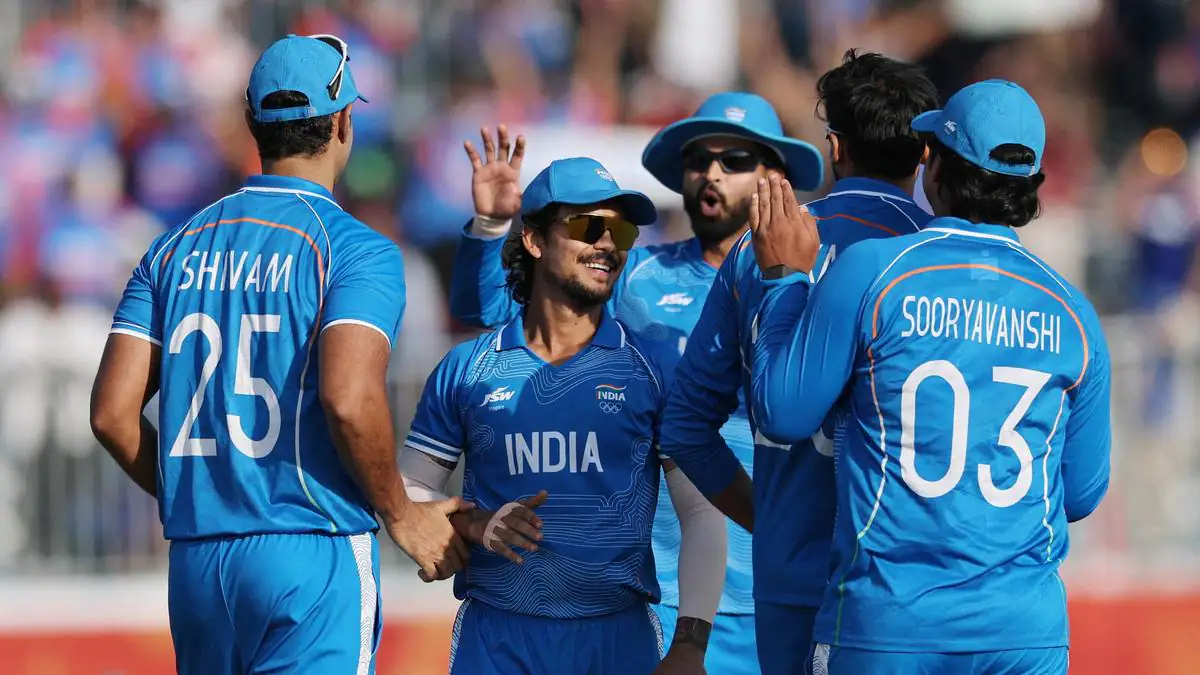
Cricket and kabaddi, for example, have become important parts of the Asian Games programme, while esports have also emerged as a significant addition in the modern era. This combination of traditional, Olympic and regionally popular sports has helped Asia maintain its relevance to changing generations of athletes and fans.
The medal table tells the story of the continent's sporting powerhouses. China has established itself as the most successful nation in Asian Games history, with a reported 3,953 medals, including 1,875 gold medals. Japan sits second with 3,430 medals, while South Korea is third with 2,615 medals.
India occupies fourth position in the overall medal tally with 885 medals. China's dominance has been particularly pronounced in recent editions, but the competition for the remaining positions has also produced some of the most enduring rivalries in Asian sport. For India, the Asian Games have historically been an important platform for athletes across athletics, shooting, wrestling, boxing, badminton, hockey and other disciplines.
The Asian Games have developed their own distinctive identity through their emblem and motto. The official emblem features a bright red sun with 16 rays and a white circle at the centre. The design represents energy and unity among Asian nations, reflecting the broader philosophy behind the Games.
The motto of the Asian Games is “Ever Onwards".
Those words capture the central idea of the competition continuous progress, development and advancement in sport, while encouraging greater cooperation between Asian nations.
The motto has remained closely connected to the evolution of the Games from a small regional competition into a major international sporting event.
The Aichi-Nagoya Asian Games 2026 will continue this long sporting tradition when athletes from across Asia gather in Japan. For India, the Games represent another major opportunity to strengthen its position among Asia's leading sporting nations. The Indian contingent will enter the competition with ambitions of finishing among the top four countries in the medal standings.
The spotlight will fall on established Olympic and world-level stars, but the Asian Games have traditionally also provided a stage for emerging athletes to announce themselves.
That is perhaps the enduring appeal of the Asiad.
What began in New Delhi in 1951 as an initiative to bring a continent together through sport has developed into a competition where established champions, rising stars and sporting underdogs share the same stage.
More than 70 years after the first edition, the purpose remains remarkably relevant. The Asian Games are not simply about medals and medal tables. They are about competition between neighbours, sporting excellence and the continuing effort to build connections across one of the world's most diverse continents.
As Aichi-Nagoya prepares to welcome Asia's sporting community in September 2026, the latest chapter of that remarkable history is about to begin.
Comments (0)
to post comments, replies, and votes.
Loading comments…