From Tokyo 2020 to FIH World Cup 2026: What Happened to Indian Women’s Hockey?
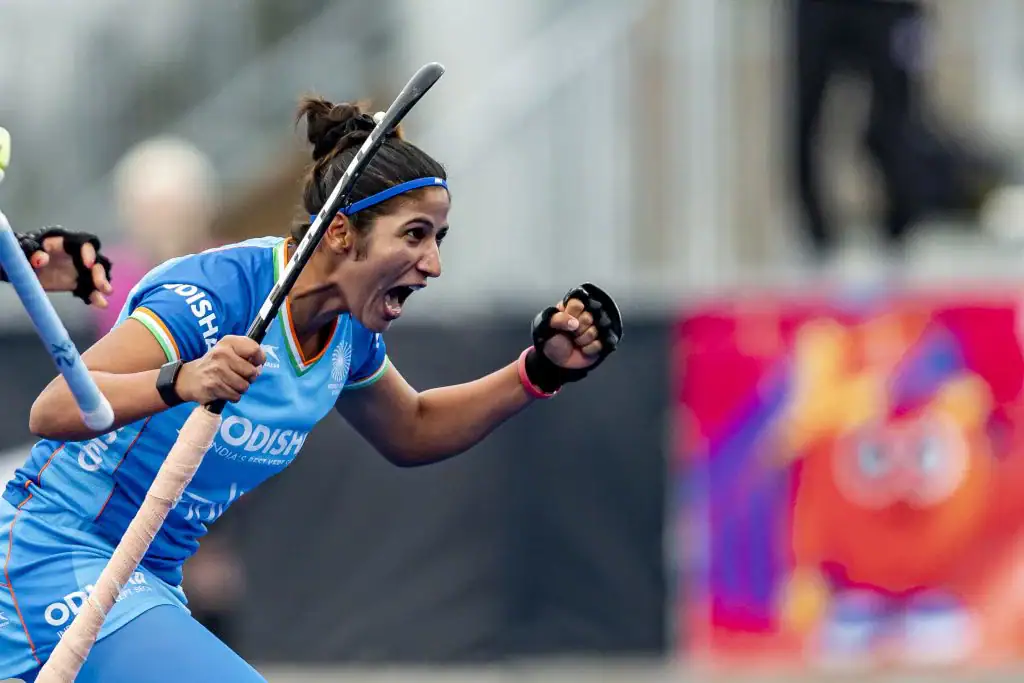
Five years after their historic fourth-place finish at the Tokyo Olympics, India returns to the 2026 FIH Women’s Hockey World Cup with a new generation, a familiar coach, and a very different story behind them.
There was a sense in Tokyo that Indian women's hockey had finally arrived. India stunned unbeaten Australia 1-0 in the quarter-finals, reached their first Olympic semi-final, and came within one match of a historic medal. They eventually lost 4-3 to Great Britain in the bronze-medal match, but fourth place was still India's best-ever Olympic finish.
Sjoerd Marijne, the Dutch coach who had overseen that transformation, believed the team had created something bigger than a medal: “We did something bigger than winning a medal; we created a legacy.”
Five years later, Marijne is back. But the team he is coaching at the 2026 FIH Women's Hockey World Cup is very different from the one that made history in Tokyo.
So, what happened to Indian women's hockey after that breakthrough?
2021: From breakthrough to transition
Marijne stepped down after the Tokyo Olympics, ending a four-year spell in which he helped India recover from their 12th-place finish at Rio 2016 and become an Olympic semi-finalist.
His analytical coach, Janneke Schopman, took over. The first signs under Schopman were encouraging. India began 2022 with bronze at the Women's Asia Cup and then made their debut in the FIH Hockey Pro League 2021-22.
They finished third, beating top teams including Germany, the Netherlands, and Argentina along the way. By May 2022, India had climbed to No. 6 in the world, their highest-ever ranking at the time. Schopman described the rise as an indication that India was moving in the right direction, while also warning that consistency would be the real test. That test arrived quickly.
2022: A World Cup setback, then a response
India entered the 2022 World Cup with genuine momentum. Instead, they finished ninth, failing to reach even the quarter-finals. It was a particularly frustrating result because India had often created opportunities without converting them. But the response showed that the team had resilience. India bounced back to win bronze at the Commonwealth Games 2022 in Birmingham, their first CWG medal in 16 years, before ending the year by winning the inaugural FIH Women's Nations Cup.
Their 1-0 victory over Spain secured promotion to the Pro League. India officially joined the league of elites by the end of 2022. So 2022 was hardly the beginning of a collapse. But it sure was the first indication that India's biggest challenge would be consistency. The next year brought another podium, but also a missed opportunity. India won bronze at the Asian Games 2023 in Hangzhou, China, after losing 0-4 to hosts China in the semi-final. That result mattered because the Asian Games offered a direct route to the Paris Olympics.
China went on to win gold and secure direct qualification. India had to take the longer route through the Olympic Qualifiers in Ranchi. It was a significant shift. The Tokyo team had exceeded expectations. Now India was increasingly expected to deliver.
January 2024: The biggest setback
Ranchi was supposed to provide the final step to Paris, in front of an eager home crowd. Instead, India lost to Germany in a shoot-out in the semi-final before falling 0-1 to Japan in the bronze-medal match. Back-to-back defeats and an eventual fourth-place finish. No Paris Olympics for India.
The symbolism was difficult to ignore. The same fourth-place finish that had represented India's greatest achievement in Tokyo now meant they had missed the next Olympic Games. Schopman resigned in February 2024. Her departure also opened a wider conversation about the environment around the women's team.
In an interview after the Olympic Qualifiers, Schopman said she had often felt isolated during her tenure and questioned whether she was sufficiently valued and supported in her role. Hockey India subsequently began the search for a new coach to lead the team into the 2026 World Cup and Los Angeles 2028 Olympic cycle.
Former India coach Harendra Singh returned in April 2024 with the task of rebuilding the team. There were encouraging moments. India won the 2024 Asian Champions Trophy, beating China 1-0 in the final. But the bigger picture remained troubling. In the 2024-25 FIH Pro League, India finished ninth and last, with just 10 points from 16 matches. They won only twice and were relegated to the Nations Cup. Consider the trajectory: 3rd in their debut Pro League campaign in 2022. 9th and relegated three years later.
Harendra eventually stepped down in December 2025, citing personal reasons. Another coaching change followed. And Hockey India went back to the beginning.
2026: Back to Marijne
In January 2026, Sjoerd Marijne returned as chief coach. His return was symbolic, but the task was completely different. The Tokyo squad had gradually changed, with several senior players moving on and younger players taking greater responsibility.
Marijne identified team unity as an immediate priority. “To create a unit,” he told The Indian Express when asked about his task upon returning to the team. The early results have been promising. India secured World Cup qualification in Hyderabad, finishing runners-up after a 0-2 defeat to England. Both teams qualified, while Scotland took the third qualification spot.
Then came the Nations Cup. India went unbeaten, defeated New Zealand 2-0 in the final, and won the title. More importantly, they earned promotion back to the Pro League. It was a neat reversal of the previous year. India had gone from being relegated to earning their way back in.
World Cup 2026: A different India
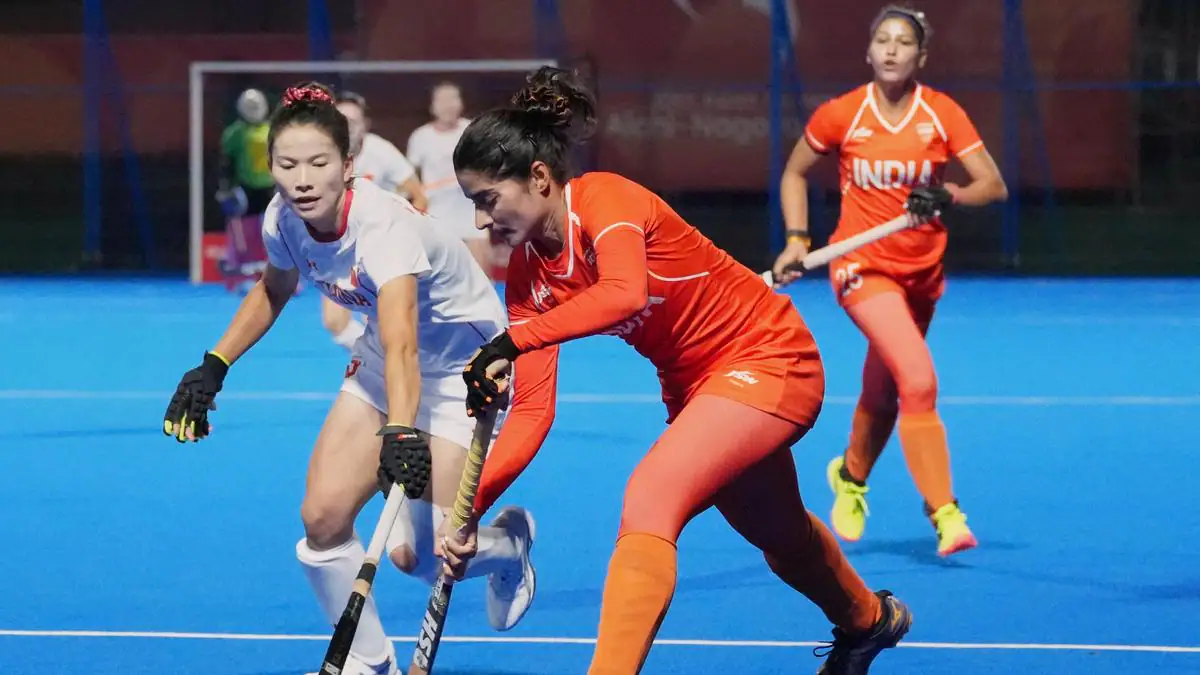
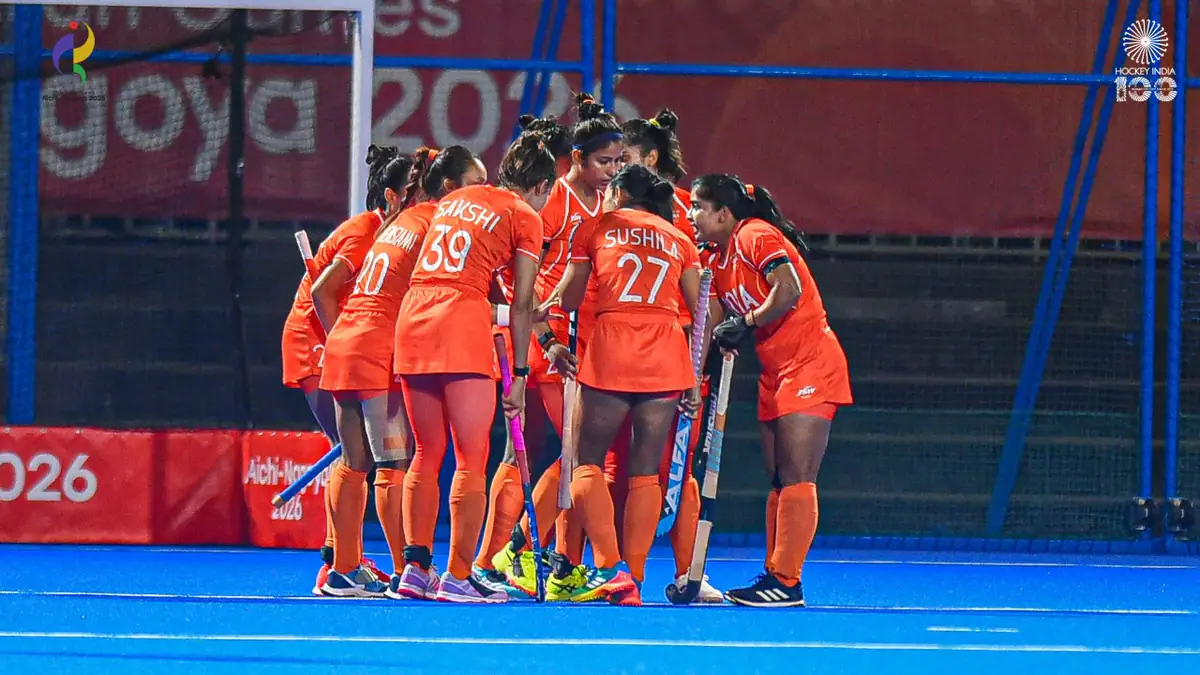
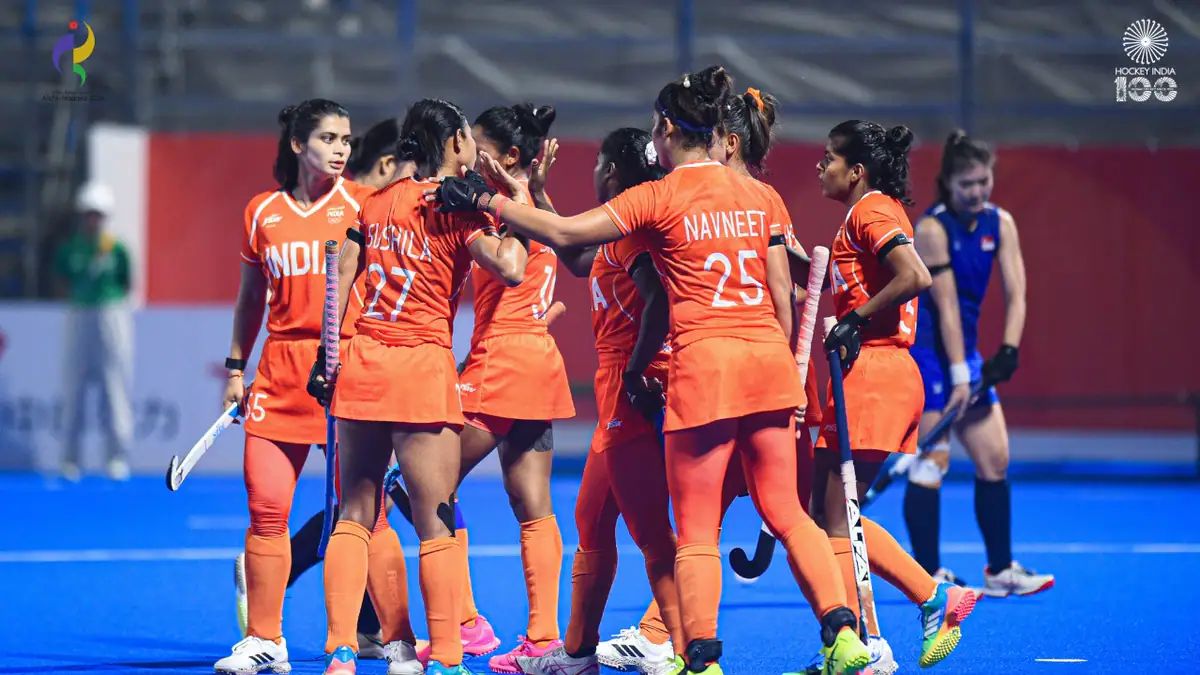
The squad heading into the 2026 World Cup reflects the transition. There are 11 World Cup debutants, representing a new generation of Indian women's hockey players. At the same time, experience remains. The current squad combines young players with senior figures such as Savita, Navneet Kaur, Nikki Pradhan, Neha and Lalremsiami.
Marijne has set a clear target: getting India back into the world's top eight. He has also acknowledged that the team has previously shown it can compete with the best but has struggled to reproduce that level consistently. And that perhaps best explains India's five-year journey.
This has not been a simple story of decline. India has won medals, reached No. 6 in the world, won the Nations Cup twice, won the Asian Champions Trophy twice, and returned to the Pro League.
But they have also missed an Olympics, endured multiple coaching changes, and fallen from Pro League contenders to relegation before rebuilding again. Tokyo showed that India could reach the world's biggest stage. The next challenge is harder. Can this generation show they can stay there?
Comments (0)
to post comments, replies, and votes.
Loading comments…