India Among Seven in Race for 2036 Olympics as IOC Sets Out Host Selection Roadmap
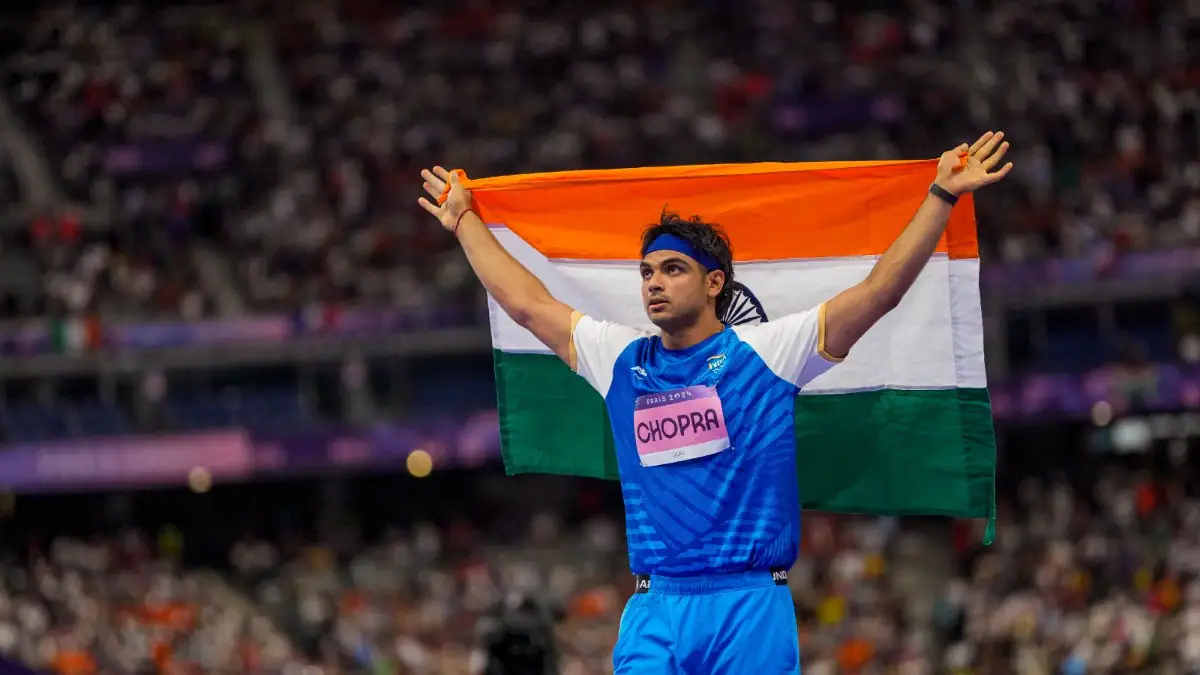
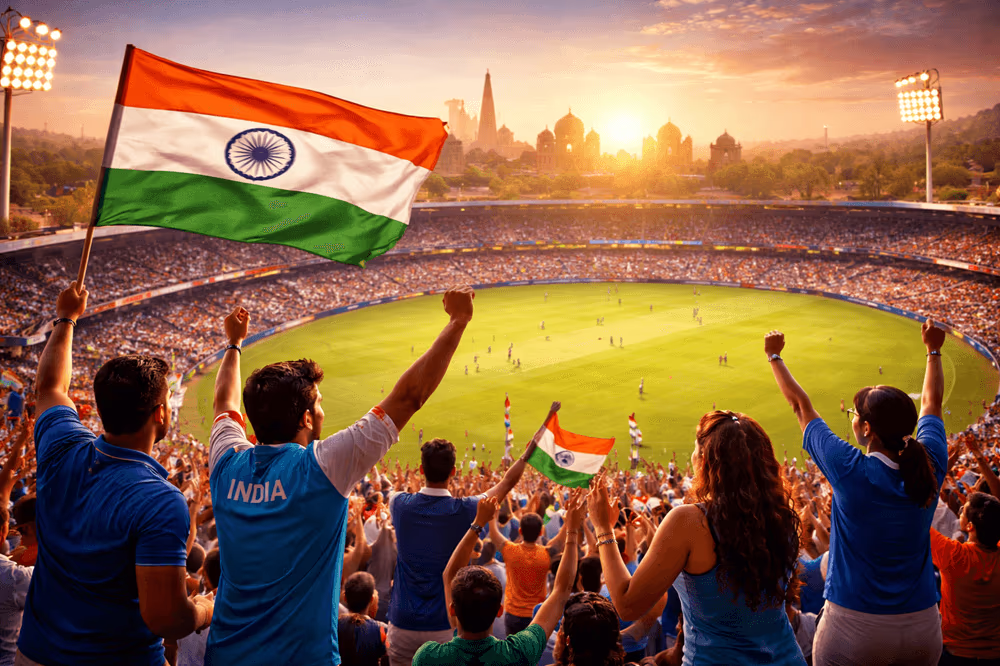
India is among seven countries in the race to host the 2036 Olympics as the IOC outlines a roadmap leading to the final host election in mid-2029.
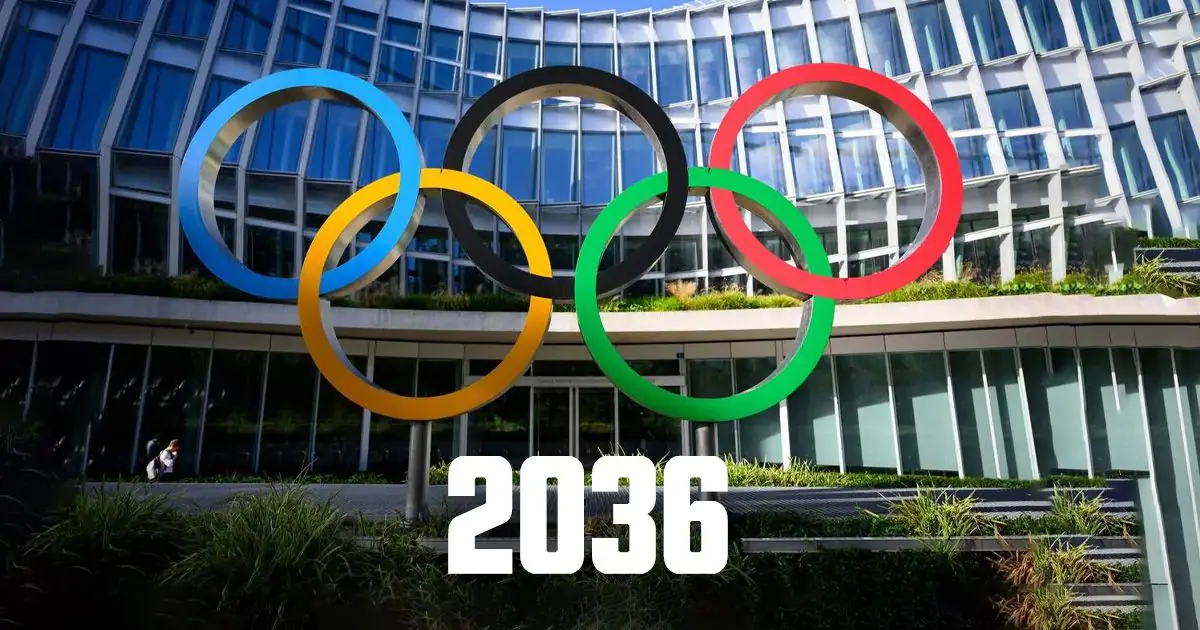
India’s bid to host the 2036 Olympic Games has entered a more decisive phase after the International Olympic Committee (IOC) published its handbook outlining the next steps in the host selection process.
India is currently one of seven National Olympic Committees in Continuous Dialogue with the IOC over hosting the 2036 Games, alongside Germany, Hungary, Qatar, the Republic of Korea, South Africa and Türkiye. The seven interested parties will now have an opportunity to present their respective Games projects to the IOC’s Future Host Commission in November. The IOC’s latest roadmap provides a long-term timeline for the selection process, with the final decision expected in mid-2029.
For India, which formally expressed its interest in hosting the Olympics in 2024, the announcement represents another important step in its effort to bring the world’s biggest multi-sport event to the country for the first time.
The IOC has confirmed that Germany, Hungary, India, Qatar, Republic of Korea, South Africa and Türkiye are the Interested Parties currently in Continuous Dialogue for the 2036 Olympic Games. This is not yet a final list of candidates. Instead, these countries are at an early stage of a process in which the IOC is working with potential hosts to develop and assess their projects. However, the window for new entrants is now closing. No additional Interested Parties will be considered for the 2036 Games after October 31, 2026.
The seven existing participants have been invited to make virtual presentations to the Future Host Commission in November. These presentations will provide the IOC with an opportunity to examine the respective visions and proposed Games plans before the process moves into a more detailed assessment phase.
March 2027 becomes the first major cut
The next major decision will come in March 2027. By then, the IOC is expected to complete feasibility assessments of the projects. The Executive Board will subsequently shortlist Interested Parties that will advance from Continuous Dialogue into a focused Strategic Dialogue. That transition will significantly raise the level of scrutiny.
During the Strategic Dialogue, the IOC will provide enhanced technical support while the interested parties develop their proposals further. They will respond initially to the Future Host Questionnaire and provide core legal and financial guarantees. The Future Host Commission will also conduct site visits to the proposed host regions and prepare a report for the IOC Executive Board.
In other words, the competition will increasingly move away from the question of who wants to host the Olympics and towards who can demonstrate that they have a credible, financially sustainable and technically deliverable plan.
The IOC has outlined several technical and strategic criteria that will determine how the projects are assessed. Venue masterplans and the experience offered to athletes will be central considerations. Funding strategies, political and public support, Games delivery capabilities and long-term legacy plans will also be examined. The IOC will additionally assess each project's broader vision for the Games and how closely it aligns with local development plans as well as the objectives of the Olympic Movement.
That means infrastructure alone will not determine the successful bid. A potential host must demonstrate how the Games can fit into a wider urban and regional development strategy, how facilities will be used after the Olympics and how the event can create lasting benefits for local communities.
For India, the process presents an opportunity to demonstrate how its proposed Olympic project can combine existing infrastructure with new facilities and long-term sporting development.
The country has previously indicated Ahmedabad as the centre of its proposed Olympic project, while plans have also focused on developing sporting infrastructure capable of meeting international standards. However, the IOC's current framework means the final assessment will extend well beyond individual venues. India will need to demonstrate that its proposed Games can be delivered efficiently, supported financially and backed by a strong long-term legacy strategy.
The country's November presentation will therefore be important. It will be the first opportunity in the new phase for India to put its vision directly before the Future Host Commission alongside the other interested parties.
Final decision expected in 2029
The IOC's roadmap stretches over almost three years. Following the March 2027 Strategic Dialogue, the process will continue with detailed evaluation and project development. In December 2028, the IOC Executive Board is expected to open a Targeted Dialogue with a select number of Preferred Hosts. Those Preferred Hosts will then provide final responses to the Future Host Questionnaire along with a complete set of legal, financial and other guarantees.
The final decision will rest with the IOC Members, who are expected to elect the host of the 2036 Olympic Games at an IOC Session in mid-2029. For India, therefore, October 2026 is not the finish line but the beginning of a much more demanding phase.
The country is officially among the seven parties still in the race. The next objective is to survive the March 2027 cut, build a technically compelling project through the Strategic Dialogue and ultimately emerge as one of the Preferred Hosts in 2028. The 2036 Olympics are still a decade away. But with the IOC now having put dates, stages and evaluation criteria on the table, India's bid has entered a phase where ambition will increasingly have to be matched by execution.
Comments (0)
to post comments, replies, and votes.
Loading comments…