Sports Ministry Constitutes 14-Member Committee to Build Sustainable Sports League Ecosystem in India
The Sports Ministry has formed a 14-member committee to develop a sustainable sports league ecosystem in India, with a focus on Olympic, women's, youth and emerging sports.
The Ministry of Youth Affairs and Sports has constituted a 14-member high-level committee to develop a comprehensive framework for building a wider, professionally managed and financially sustainable sports league ecosystem in India.
The committee, announced on November 18, 2026, will examine the challenges facing existing leagues and recommend models to encourage investment, improve competitive opportunities and strengthen the commercial foundations of sports beyond the country's established properties.
The initiative aligns with the vision of Khelo Bharat Niti and Viksit Bharat @2047. The Ministry believes a stronger league structure can provide athletes with regular, high-quality competition while creating pathways for talent identification and development. It also expects a professionally managed ecosystem to generate private investment and employment across sports management, broadcasting, technology, events and allied services.
The committee has been given eight weeks to submit its recommendations to the Ministry.
While India has witnessed varying degrees of success with professional leagues in several disciplines, many sports continue to face difficulties in establishing commercially viable competitions, particularly during their initial years.
The committee will assess the existing league ecosystem and identify the major constraints affecting the launch, operation and long-term sustainability of competitions. A key part of its mandate will be to identify priority sports and categories that require focused support.
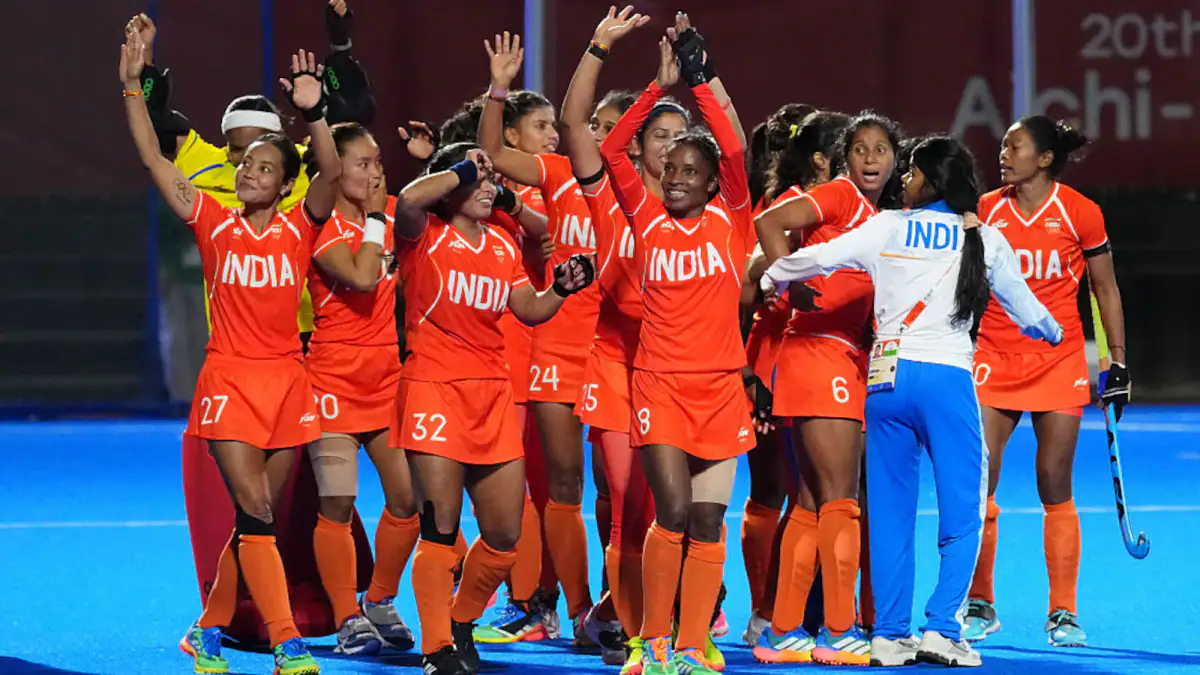
These include Olympic sports, women's sports, youth sports, indigenous disciplines and emerging sports.
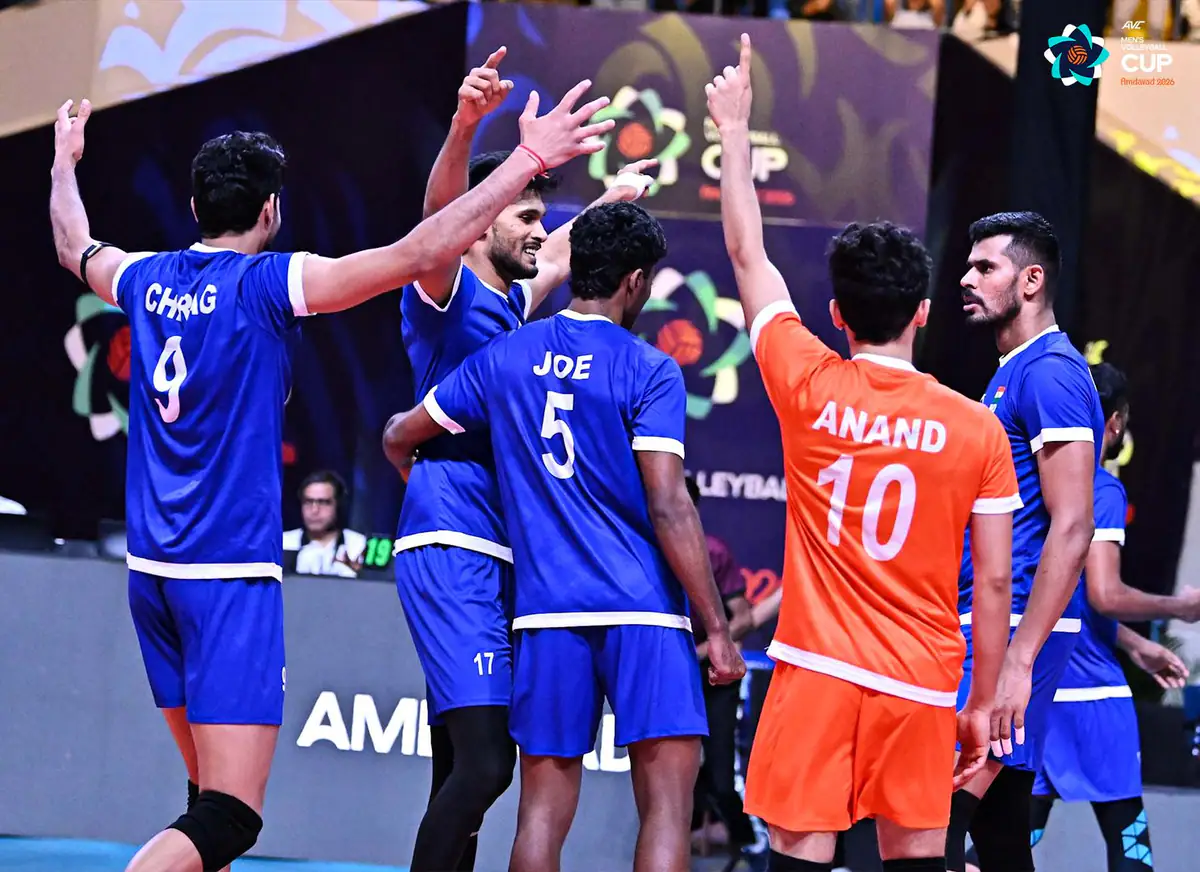
The emphasis is significant because the commercial development of sport in India remains uneven. Established leagues have demonstrated the potential of franchise ownership, sponsorship and broadcast partnerships, but smaller disciplines often struggle to attract similar levels of investment and audience interest.
The proposed framework will therefore examine operational models suited to the sporting and commercial potential of individual disciplines rather than adopting a uniform approach for every league.
Government support and private investment
One of the committee's central responsibilities will be to recommend mechanisms through which government facilitation and private-sector participation can work together. The Ministry has specifically identified Viability Gap Funding (VGF), direct and indirect financial assistance, and concessional access to government sports infrastructure as possible interventions.
Such measures could help reduce the financial burden on leagues during their formative years, when operating costs may be high but sponsorship and broadcasting revenues are still developing. The committee will also examine ways to attract corporate capital, franchise owners, sponsorships, broadcasting and digital rights, and Corporate Social Responsibility (CSR) funding.
The objective is to create a model in which government support can help establish the foundations of a competition, while private investment and commercial partnerships contribute to its long-term sustainability.
The involvement of major sports and media organisations in the committee is expected to bring perspectives from different parts of the sports business, including franchise operations, broadcasting, sponsorship and event management.
The 14-member committee is convened by Kunal, Joint Secretary (Governance), while Vineel Krishna, Joint Secretary (Khelo India), will serve as a member.
The committee also includes Raghuram Iyer, CEO of the Indian Olympic Association, alongside senior representatives from major corporate and sports organisations. B. Srinivasan of Reliance Industries, Hemang Amin, COO of the Indian Premier League and BCCI, P.K.S.V. Sagar of GMR Sports, Sanjay Adesara of Adani Sportsline and Divyanshu Singh of JSW Sports are among the members.
The broadcasting and media sector is represented by Ishan Chatterjee of JioHotstar, Rajesh Kaul of Sony Pictures, Anupam Swaroop of DD Sports and Parag Darade of Zee Entertainment.
Abhijit Bhattacharya of BVL and advocate Nandan Kamath complete the committee.
The composition brings together government officials, sports administration, established sports businesses, broadcasters and legal expertise. Their combined experience will be relevant to developing recommendations that address both the commercial requirements of leagues and the governance standards expected of professional sporting competitions.
Connecting professional leagues with grassroots sport
Beyond commercial viability, the committee has been asked to consider how leagues can contribute to grassroots participation. It will recommend strategies to connect professional competitions with schools, colleges, universities and local clubs, with particular attention to increasing participation among young people and women.
This integration could help establish a more continuous pathway between grassroots sport and elite competition. Leagues can create visibility and commercial interest, but their wider sporting value depends on whether they contribute to participation, talent development and access to regular competition.
The committee will also propose an institutional governance framework covering financial transparency, athlete welfare and sporting integrity. It has been tasked with developing a phased implementation roadmap informed by global best practices. These considerations will be important in ensuring that the expansion of professional leagues does not come at the expense of athlete protection, transparent administration or the development of the wider sporting ecosystem.
The committee has been empowered to consult National Sports Federations, officials from existing leagues, investors and sports technology firms. Its deliberations may take place in physical, online or hybrid formats.
It will submit its final recommendations to the Ministry within eight weeks. The announcement represents an attempt to move beyond the development of individual leagues towards a broader national framework for professional sports competitions. The challenge will be to identify sustainable models for disciplines with different audience sizes, infrastructure requirements and commercial potential.
For Indian sport, the success of this exercise will ultimately depend on implementation. Government assistance may help promising leagues overcome their early financial challenges, but consistent competition, credible governance, private-sector confidence and strong grassroots connections will be essential to sustaining them.
If the committee can translate these priorities into workable models, its recommendations could provide an important foundation for expanding professional opportunities across India's sporting landscape.
Comments (0)
to post comments, replies, and votes.
Loading comments…