India Brace for Tough Thomas Cup Quarterfinal as Knockout Picture Takes Shape
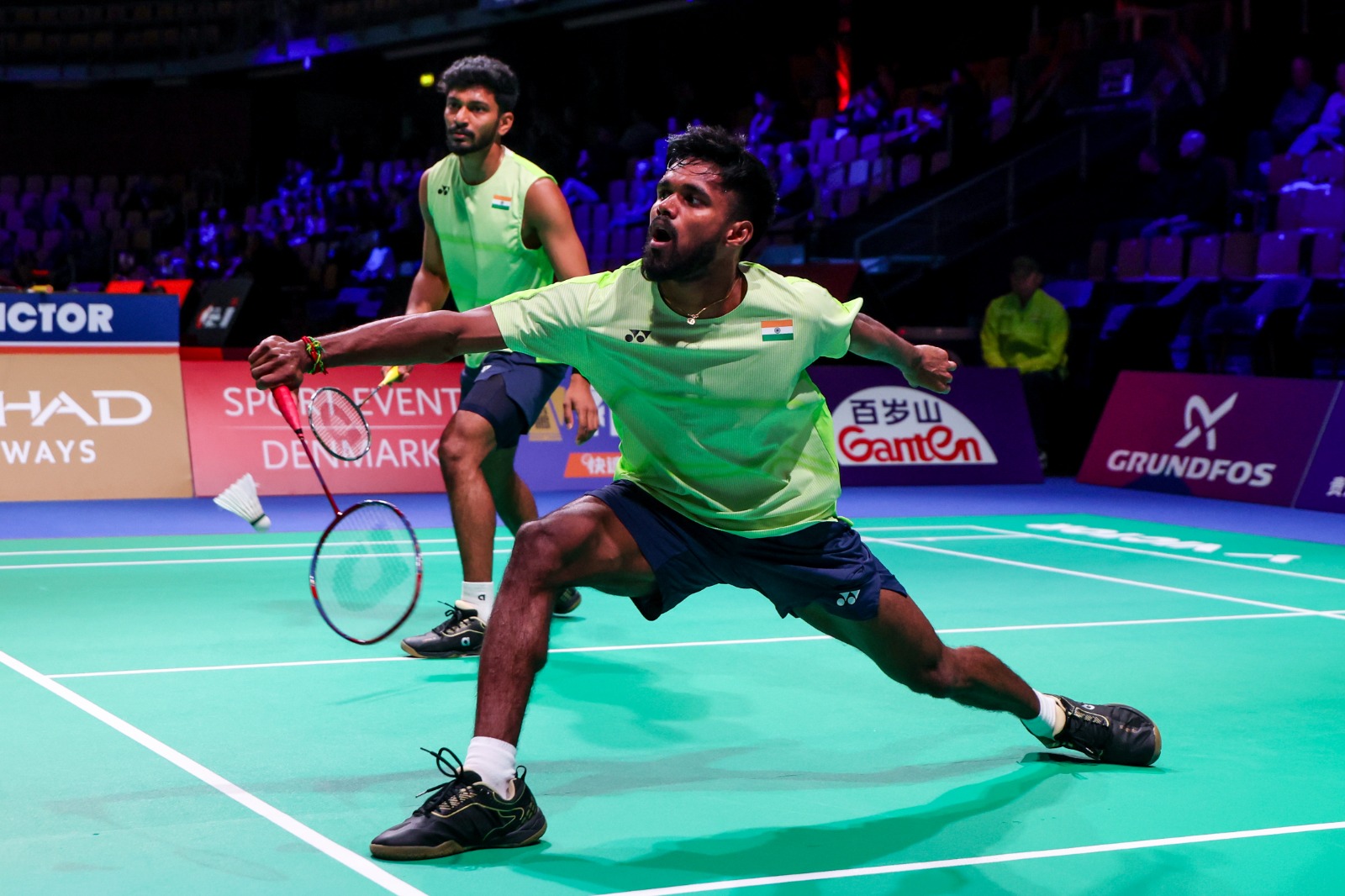
The group stage of the Thomas Cup 2026 has officially concluded in Horsens, Denmark, and the knockout picture has now set up a fascinating quarterfinal stage
The group stage of the Thomas Cup 2026 has officially concluded in Horsens, Denmark, and the knockout picture has now set up a fascinating quarterfinal stage. For India, the road ahead promises to be anything but easy.
After finishing second in Group A behind defending champions China, the Indian men’s team could now face one of three dangerous opponents in the quarterfinals Japan, Chinese Taipei, or Thailand. Each of those teams topped their respective groups, and all three present very different tactical challenges for the 2022 champions as India continues its pursuit of another deep Thomas Cup run.
The group standings confirmed the following quarterfinal pool:
Group A: China, India
Group B: Japan, Malaysia
Group C: Chinese Taipei, Denmark
Group D: Thailand, France
India’s second-place finish behind China means it cannot face the Chinese side immediately in the quarterfinals. Instead, the draw places India against one of the other group winners Japan, Chinese Taipei, or Thailand. And none of those matchups would be straightforward.
India’s route to the knockouts has reflected both the strengths and vulnerabilities of the current squad. The team began strongly with a 4-1 win over Canada before completely dominating Australia 5-0 to confirm qualification for the quarterfinals. Against China in the final group tie, India pushed the defending champions hard before narrowly losing 2-3 in one of the highest-quality ties of the tournament. That performance, however, also showed India remains capable of challenging the world’s best.
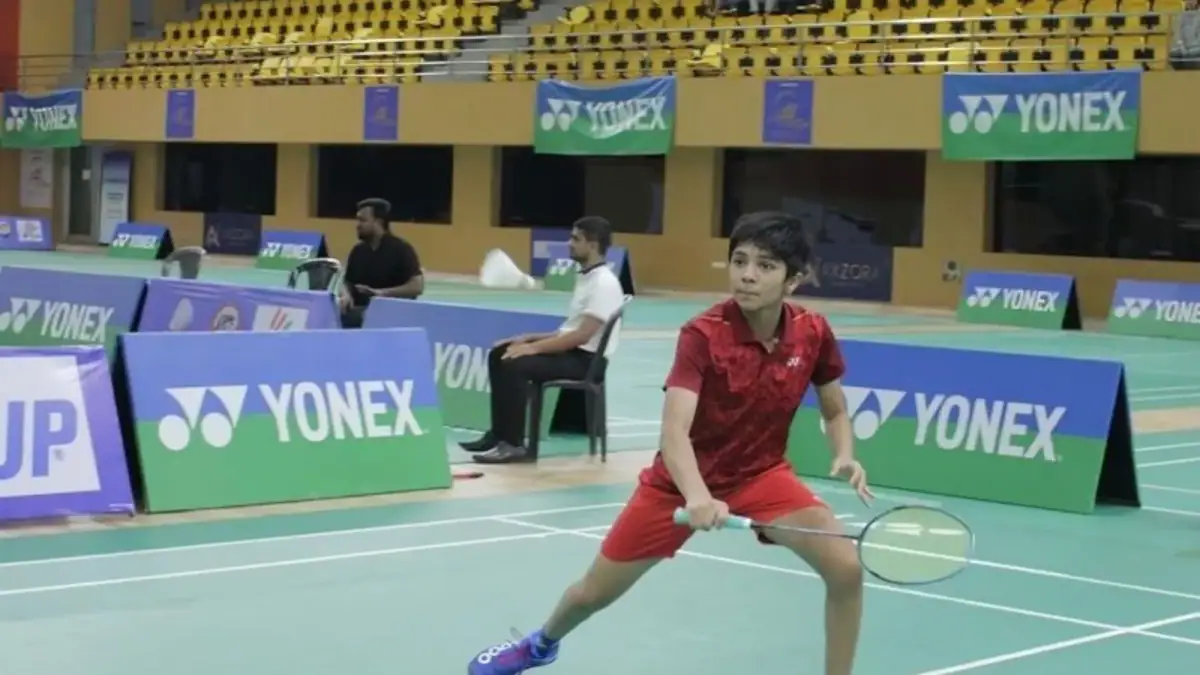
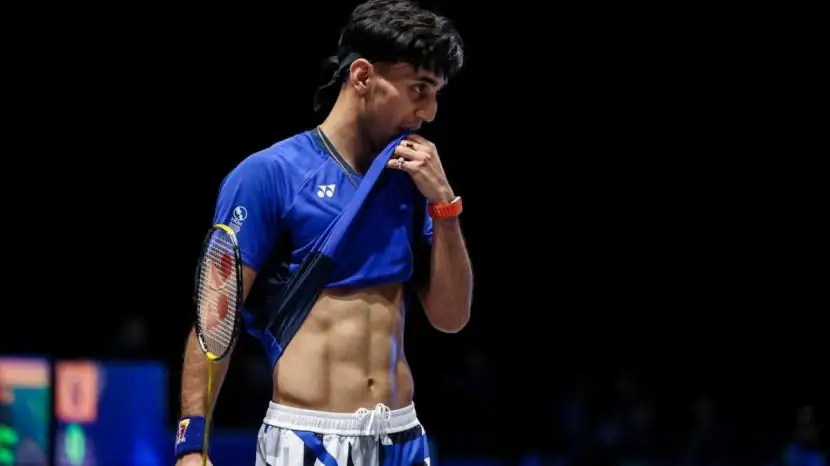
Lakshya Sen pushed former All England champion Li Shi Feng to three games, while Satwiksairaj Rankireddy and Chirag Shetty came agonisingly close against Liang Weikeng and Wang Chang, saving multiple match points before eventually losing 24-26 in the decider. Ayush Shetty’s impressive comeback win over world No. 15 Weng Hong Yang and HS Prannoy’s victory in the final rubber further underlined India’s depth heading into the knockout stage.
Now, however, the margin for error disappears entirely.
Japan: The most physically demanding challenge?
Among the possible opponents, Japan perhaps presents the toughest overall team structure. The Japanese side topped Group B after another typically disciplined campaign built around relentless consistency and defensive control. Their strength lies in stretching rallies, forcing opponents into physical battles, and capitalising on small lapses in concentration.
Historically, India and Japan have produced several close Thomas Cup encounters, and another meeting would likely come down to endurance and handling pressure moments. India’s biggest advantage against Japan could come through aggressive singles play.
Lakshya Sen’s attacking style can disrupt Japan’s rhythm-based approach, while Ayush Shetty’s fearless shot-making adds unpredictability to the lineup. The doubles, however, would become absolutely critical. Satwik and Chirag remain India’s biggest weapons in team badminton, but Japan’s depth across both doubles ties makes the contest extremely dangerous.
Chinese Taipei: Tactical and unpredictable
A clash against Chinese Taipei would offer a completely different challenge. The Taiwanese side topped Group C after surviving one of the toughest groups in the tournament ahead of hosts Denmark and South Korea. Veteran Chou Tien-chen once again led from the front, while their doubles combinations showed tremendous tactical discipline throughout the group stage. Chinese Taipei thrive in slower, tactical matches where placement and control matter more than outright pace.
For India, that could create tricky matchups. Lakshya and Prannoy would likely need to dominate the singles rubbers, while India’s second doubles pairing could again come under pressure against a technically sharp Taiwanese setup. However, compared to Japan or Thailand, this may still appear the slightly more manageable draw on paper.
Thailand emerging as dark horse
Perhaps the most unpredictable threat comes from Thailand. The Southeast Asian side stunned many observers by topping Group D ahead of France and Indonesia, with world champion Kunlavut Vitidsarn leading an impressive campaign. Thailand’s rise in team badminton has been steady over the last few years, but this tournament has shown a new level of tactical maturity. Their ability to win close deciding matches and remain composed under pressure has made them one of the surprise contenders in Horsens. A potential Lakshya Sen vs Kunlavut opening singles rubber would immediately become one of the standout matches of the quarterfinal stage. The two know each other’s games extremely well, and momentum from that opening clash could shape the entire tie.
Thailand’s doubles combinations also play with tremendous speed and variation, which could test India’s overall balance.
While India focuses on the quarterfinal draw, China continues to look like the strongest side in the tournament despite concerns surrounding Shi Yuqi’s fitness. The defending champions topped Group A and once again showcased their incredible squad depth. Even without full strength in certain ties, China found ways to win key moments against India.
For India, avoiding China until a potential semifinal is significant.
But the path ahead still remains extremely difficult. The Thomas Cup has increasingly become a tournament decided by small margins rather than overwhelming dominance.
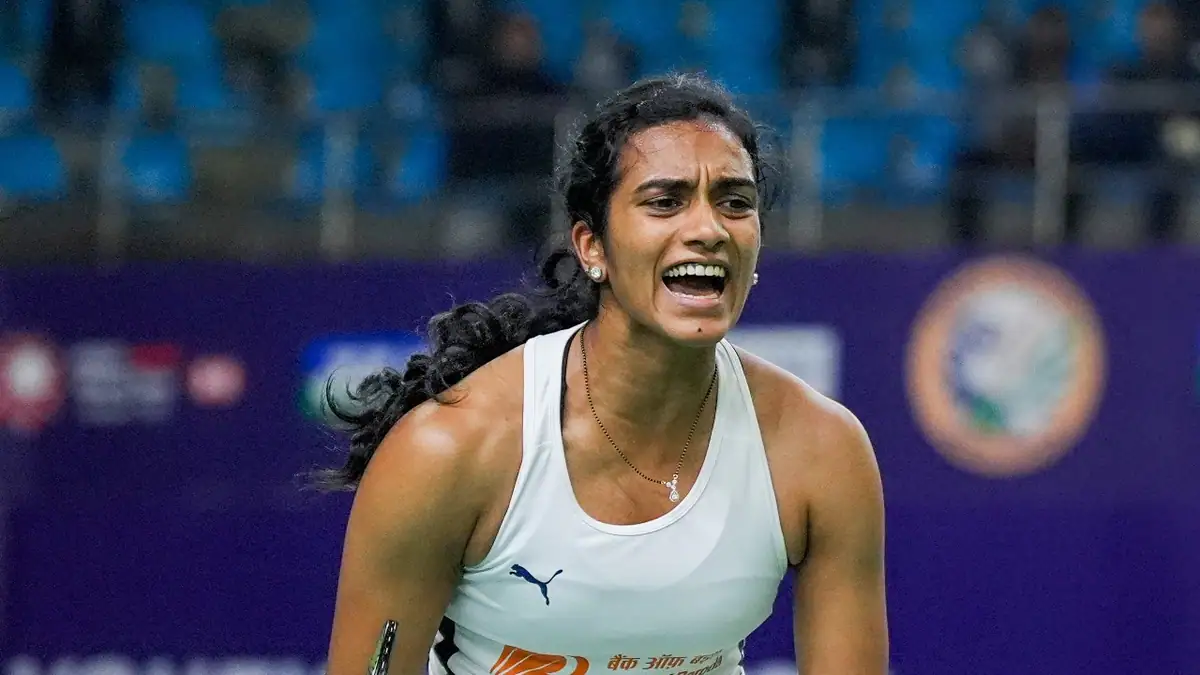
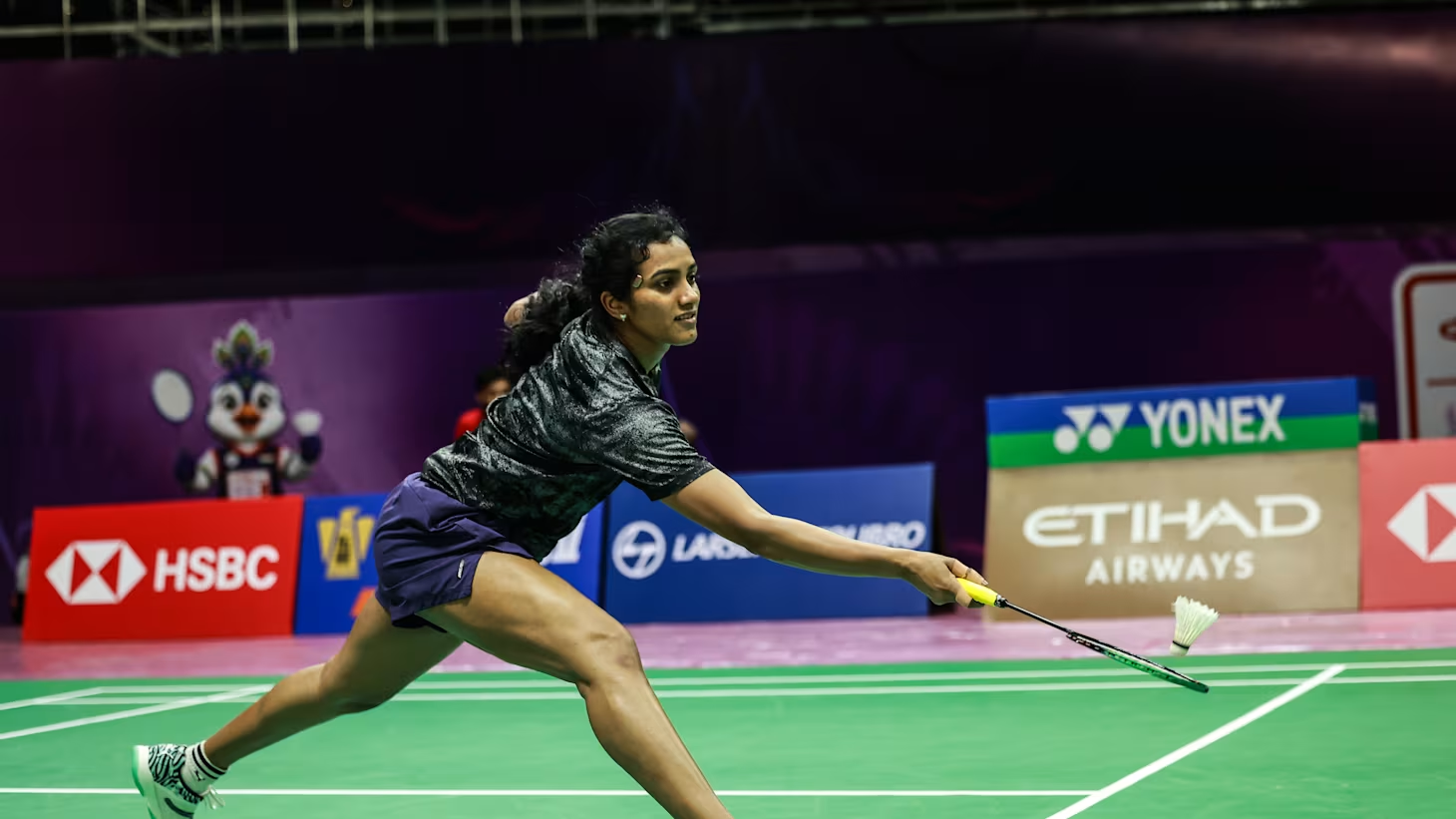
This year’s edition has already seen major shifts in global badminton power structures. France reached the quarterfinals for the first time, Indonesia crashed out early, and several traditional powers have struggled under pressure. India, meanwhile, continues to operate in that middle space between contender and challenger. The team has enough quality to beat anyone on a given day. Lakshya, Satwik-Chirag, Prannoy, and the emerging Ayush Shetty provide genuine firepower. But consistency across all five rubbers remains the key question.
The quarterfinal opponent may change.
The challenge, however, remains the same India will need one of its best collective performances of the tournament to keep its Thomas Cup dream alive in Denmark.
Comments (0)
to post comments, replies, and votes.
Loading comments…