India’s 768-Member Asian Games Contingent: 503 Athletes and 246 Officials Head to Aichi-Nagoya
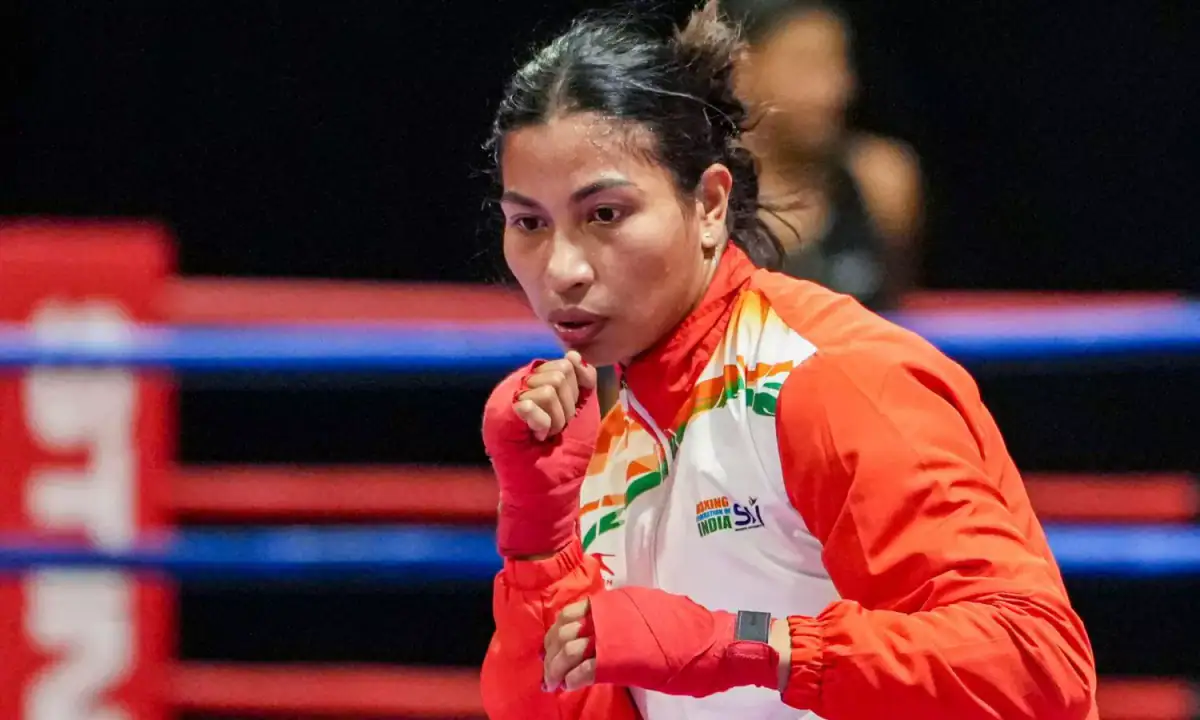
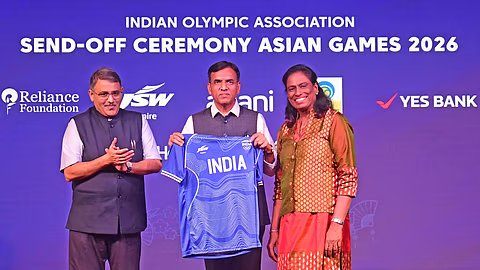
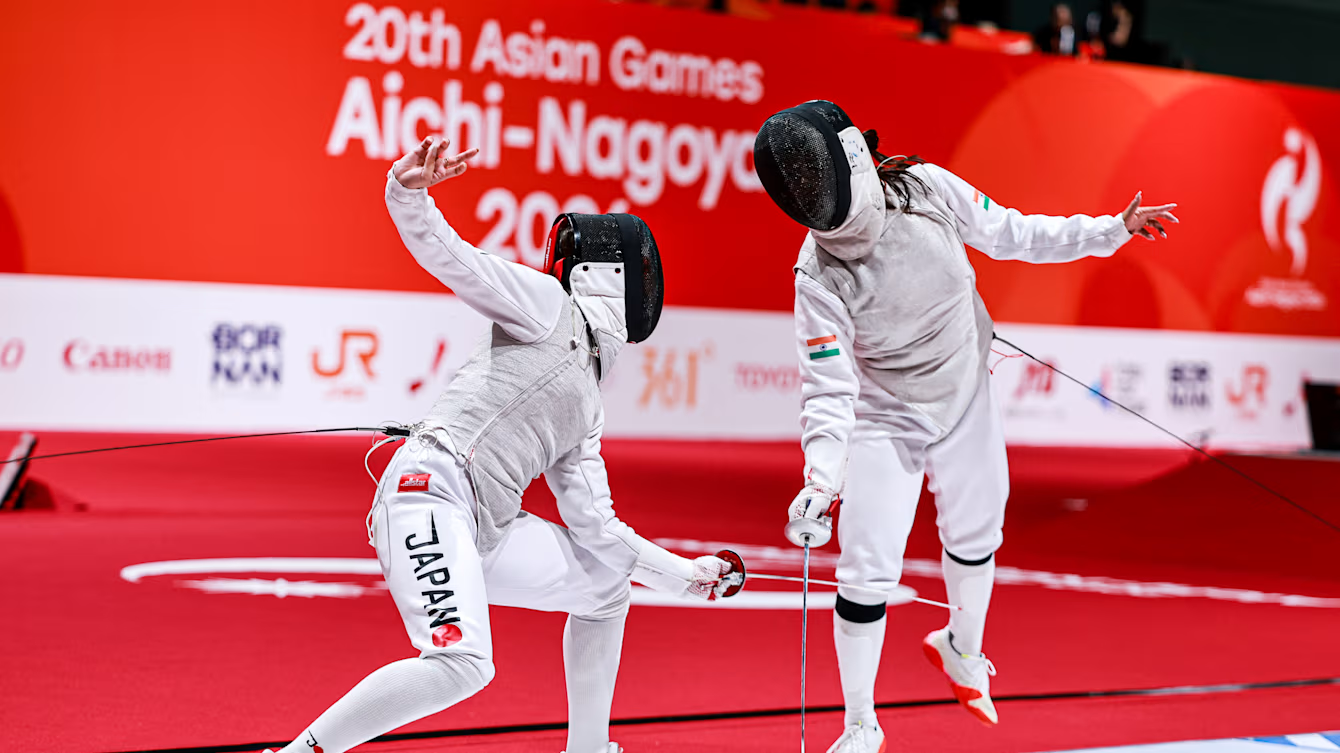
India’s preparations for the 20th Asian Games have taken another major step with the Sports Ministry approving a 768-member contingent for the continental showpiece in Aichi-Nagoya, Japan.
The delegation will comprise 503 athletes and 246 team officials and support staff, along with 19 contingent staff members. The Games will begin on September 19 and continue until October 4, with India set to compete across 36 disciplines.
The latest approval represents an increase from the 492 athletes cleared by the Ministry earlier, with additional names being added primarily to the athletics contingent. The size of the delegation underlines the breadth of India's participation at the Asian Games and the scale of logistical and sporting preparations required before the opening competition.
India's final athlete count now stands at 503, with competitors spread across 36 sports. The contingent includes several of the country's biggest medal prospects, alongside a large group of athletes making their Asian Games debuts or looking to establish themselves at the continental level.
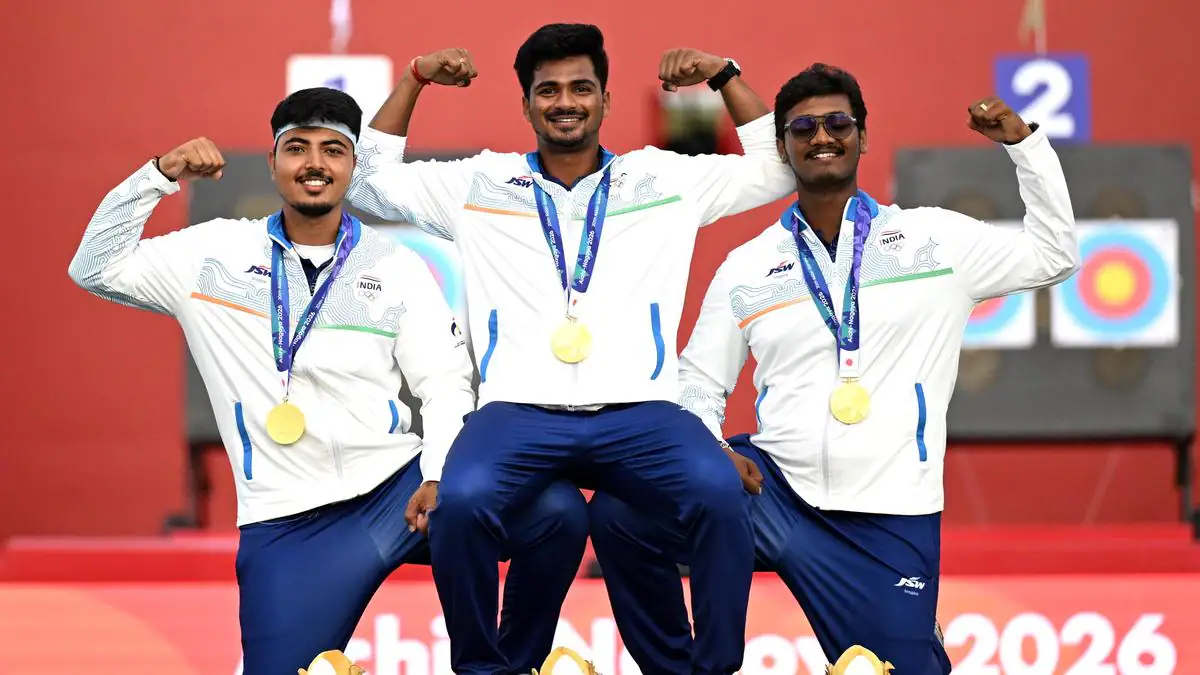
The Games will be particularly important for India after the country's strong showing at the previous edition. Indian athletes produced one of their best-ever performances at the Hangzhou Asian Games, and expectations will once again be high in Japan.
The increase in India's athlete numbers also reflects last-minute adjustments to selections in certain disciplines. Athletics has emerged as the largest component of India's sporting contingent, despite the absence of javelin star Neeraj Chopra, who has been ruled out of the Games because of injury.
Athletics gets the biggest support team
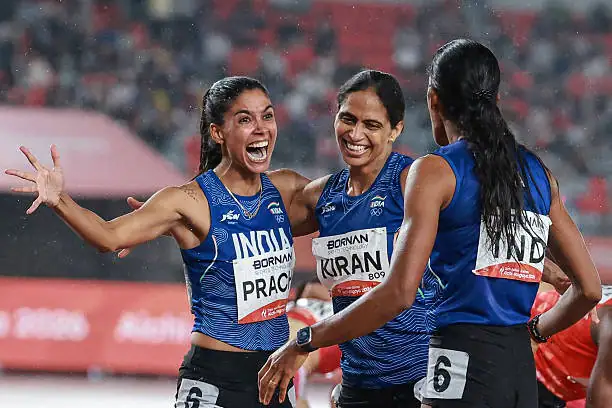
The 77-member athletics contingent will have the largest support staff among India's participating sports. A total of 31 coaches and support personnel will accompany the athletics team, including 20 coaches. National coach P Radhakrishnan will lead the coaching group.
The large support structure reflects the wide range of events in which Indian athletes will compete, from sprints and middle-distance running to jumps, throws and combined events.
Athletics remains one of India's most important medal-producing sports at the Asian Games. At the previous edition, Indian track and field athletes won 29 medals, including six gold, 14 silver and nine bronze.
The Athletics Federation of India is targeting another strong medal haul in Aichi-Nagoya, with a broader goal of winning between 25 and 30 medals. With Chopra unavailable, attention will shift towards athletes such as Avinash Sable, Gulveer Singh, Parul Chaudhary and Commonwealth Games bronze medallist Yashvir Singh.
Sable is confirmed to compete in the 3000m steeplechase and could also feature in the 5000m if he meets the qualification standard. Gulveer is entered in the 5000m, 10,000m and 1500m, while Parul will compete in the 3000m steeplechase, 5000m and 1500m.
Yashvir, meanwhile, will carry India's javelin hopes after being brought into the team as Chopra's replacement.
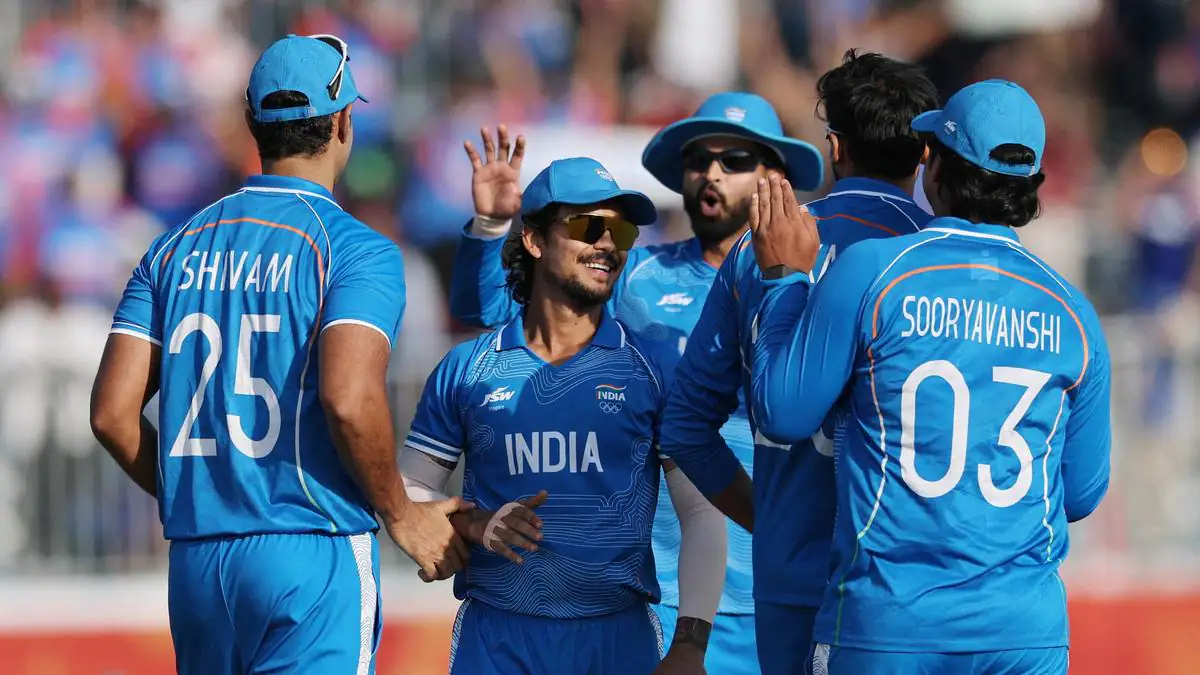
India's two cricket teams have been sanctioned a combined support staff of 20 members, with former India batter and National Cricket Academy head VVS Laxman spearheading the cricket support setup.
Cricket's inclusion adds another layer of attention to the Indian contingent, given the sport's popularity and the importance of the Asian Games competitions. While cricket's medal contribution is limited to the men's and women's tournaments, the sport remains one of India's most closely followed events at the Games.
The 19-member contingent staff includes Chef de Mission Sahdev Yadav and Chief Medical Officer Dr Dinshaw Pardiwala. Their roles will be particularly important during a multi-sport event involving more than 500 athletes competing across dozens of venues and disciplines. Managing athlete welfare, medical requirements, logistics and coordination between different sporting federations becomes a major task at an event of this scale.
The presence of a large support structure is therefore designed not merely to accompany athletes but to ensure that India's competitors can focus on performance once they arrive in Japan.
India’s challenge against China
India will enter the Aichi-Nagoya Games with strong ambitions, but the competition for the overall medal table will once again be intense. China has named an enormous 815-athlete squad for the Games and will be seeking to maintain its extraordinary dominance of the Asian Games medal table. China has topped both the gold and overall medal standings at every Asian Games since 1982. At the 2023 Hangzhou Games, the hosts produced a record-breaking performance, winning 201 gold medals and 383 medals overall.
The Chinese delegation also includes 36 Olympic champions, highlighting the depth of the challenge facing India's athletes. The Aichi-Nagoya Games will feature competitors from 45 countries and regions, making it one of the largest sporting gatherings in Asia.
For India, the objective will be to build on the momentum generated in Hangzhou while continuing to expand its medal-winning footprint across sports.
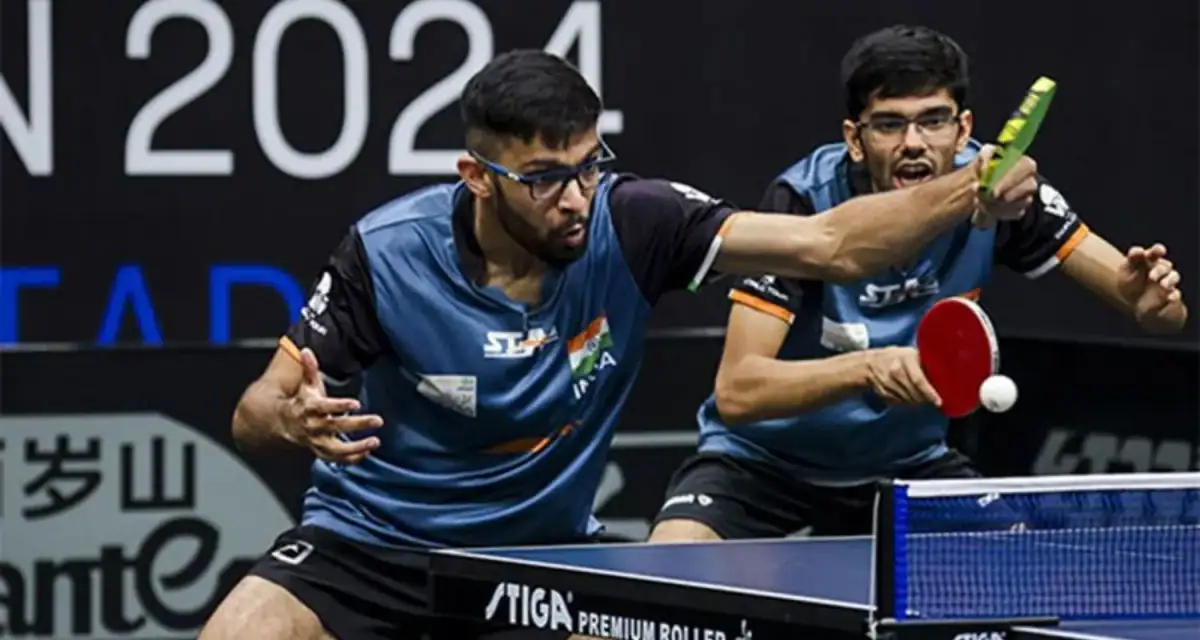
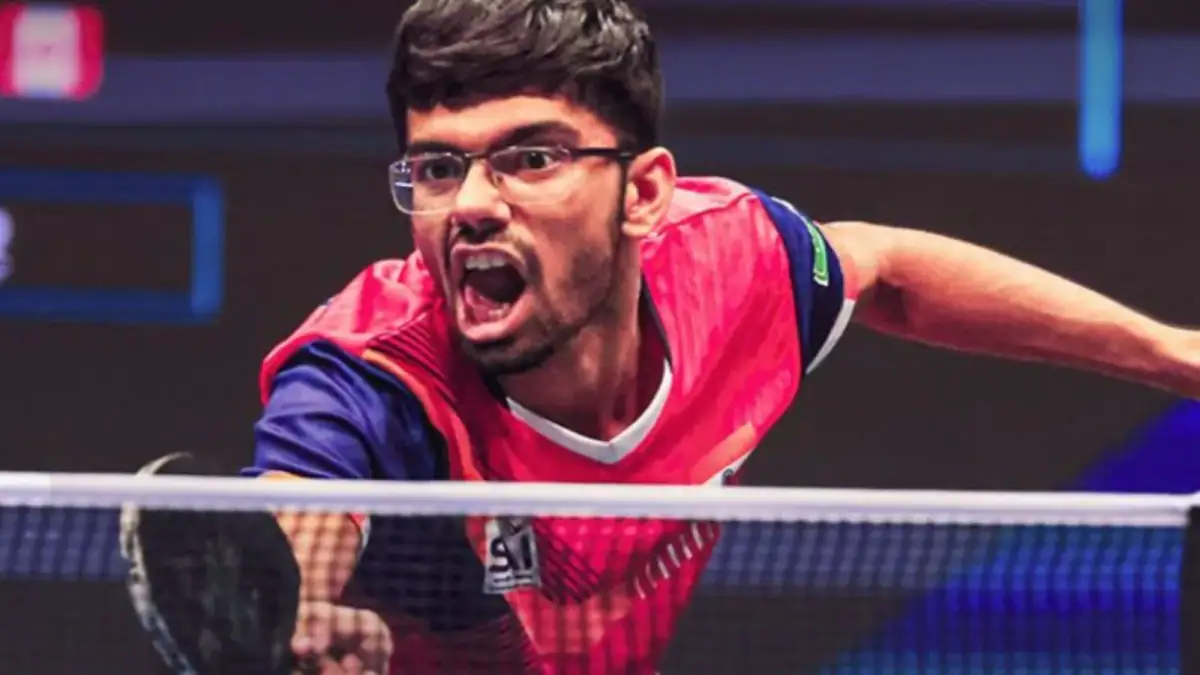
The final figure of 768 members captures the scale of India's Asian Games campaign, but the number that will ultimately matter is the medal tally. From athletics and shooting to badminton, wrestling, boxing, weightlifting, archery and team sports, India will have medal contenders across multiple disciplines.
The absence of Chopra is undoubtedly a major setback, but India's overall contingent has enough depth to remain ambitious.
With 503 athletes heading to Japan, the Aichi-Nagoya Asian Games will provide another opportunity for India's established champions to deliver, while giving the country's next generation of athletes a platform to announce themselves.
The journey begins on September 19.
Comments (0)
to post comments, replies, and votes.
Loading comments…